







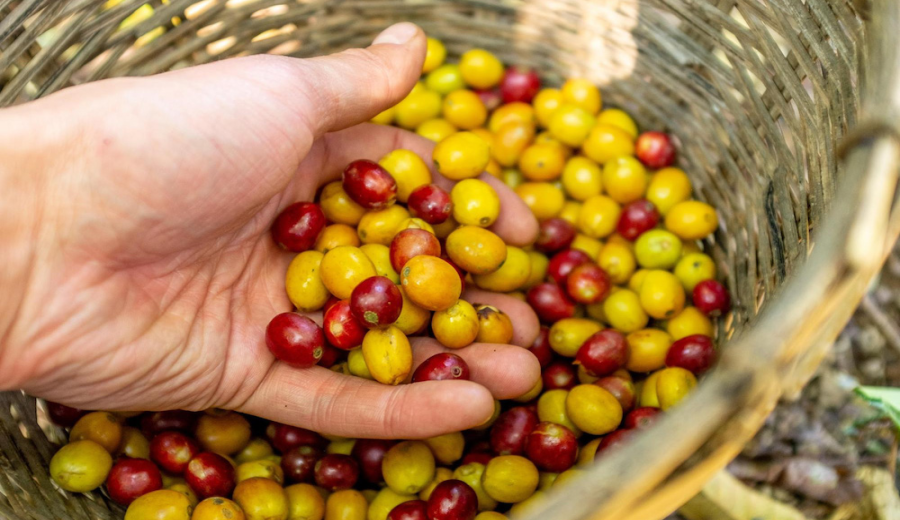
Introduction:As a classic variety in the history of coffee, Bourbon has given rise to many well-known derivatives, including Pacas, Caturra, Catuai, and Sarchimor. Each of these varieties boasts unique characteristics, not only exhibiting distinct flavor profiles but also differing in adaptability, regional performance, and cultivation requirements. This article delves into the origins, plant traits, flavor profiles, and real-world performance in key producing regions of the four major Bourbon-derived varieties, helping coffee enthusiasts more precisely grasp the distinctive charm of each variety.
Bourbon is a significant milestone in the development of coffee varieties. Originating from a mutation of Typica, it first emerged in Yemen before being introduced to the east coast of Africa—specifically Bourbon Island (now Réunion)—in the 18th century, from which it derives its name. Since the 18th century, the Bourbon variety has gradually spread to Brazil, Central America, and Saint Helena, gaining a reputation as a consistent performer in cupping and a favorite in many specialty coffee competitions due to its charming wine-like acidity. When ripe, Bourbon cherries turn from green to a vibrant bright red. The plants feature broad leaves and grow densely, although they only have one major harvest every two years and yield relatively low. However, they offer complex flavor layers, bright acidity, and a sweet, lingering finish—making them a true classic among coffee varieties.
Among the many varieties directly or indirectly derived from Bourbon, Pacas, Caturra, Catuai, and Sarchimor are among the most representative. These varieties not only carry on some of the desirable traits of Bourbon but have also evolved their own distinct features and cupping profiles in response to different environments and growing needs. Below, we will break down their backgrounds, cultivation characteristics, and actual flavor performances one by one.
PacamaraOriginating in El Salvador in the 1950s, Pacamara is a hybrid of Pacas and the large-beaned Maragogype. In 1958, local researchers successfully cultivated it. This variety combines Pacas’ high adaptability to the local environment and high yield potential with the large bean size characteristic of Maragogype, typically reaching 70% to 80% the size of an elephant bean. Pacamara’smost notable feature is its lively and varied acidity.Sometimes it presents aromas reminiscent of cookies, other times intense fruitiness, along with outstanding body and oiliness.
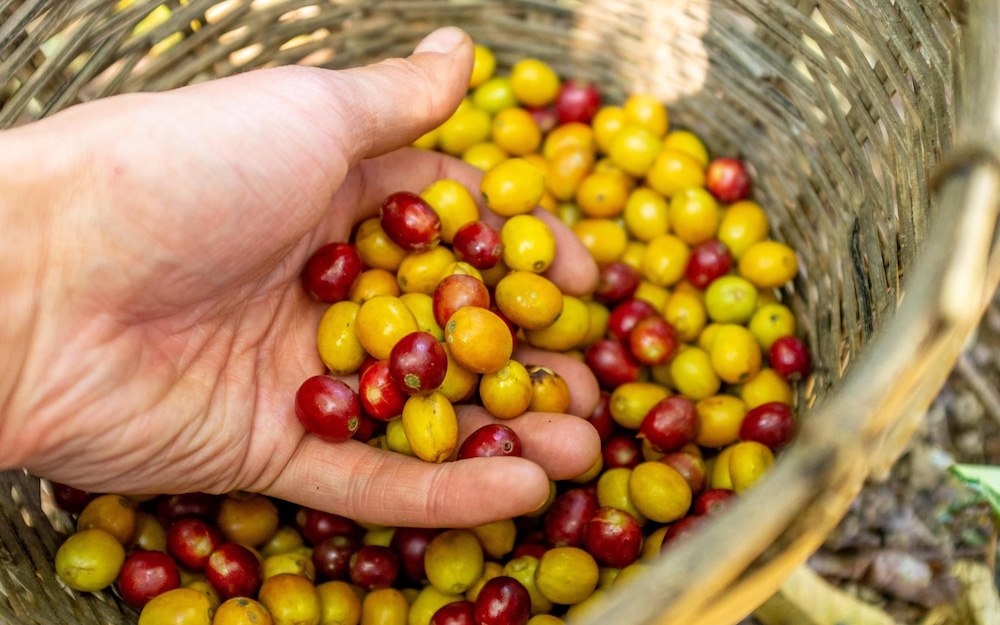
TakeGuatemala Antigua Paso Blancoas an example. Here, Pacamara exhibits a highly layered flavor profile, with balanced sweetness and acidity, featuring bright notes of lemon, passionfruit, and plum acidity, accompanied by rich brown sugar aromas—making it a classic choice among many pour over enthusiasts.
Caturrais a single-gene mutation of Bourbon, discovered in Brazil in 1937. Compared to Bourbon, Caturra has higher productivity and stronger disease resistance, with shorter plants that are easier to manage during harvesting. However, like Bourbon, Caturra also faces the issue of a biennial yield cycle. While its flavors are similar to or slightly inferior to those of Bourbon, Caturra’s greatest advantage lies inits high adaptability to dense planting and full-sun cultivation (so-called "sun-grown coffee").This has made it a flagship variety promoted in countries like Brazil and Colombia.
Caturra thrives at altitudes between 700 and 1,700 meters.The higher the altitude, the richer the flavors—but yields decrease.This is also why many specialty coffee farmers continue to invest in it. Caturra offers pronounced acidity and sweetness when lightly roasted, though its overall body and clarity slightly lag behind those of Bourbon. It’s worth noting that in addition to the common red Caturra, there is also a yellow variant grown in a few regions such as Hawaii, but it enjoys lower market acceptance.
TakeColombia Caucaas an example. Here, Caturra displays bright lime acidity, rich floral notes, and a grape juice-like fresh acidity, paired with moderate sweetness and nutty aftertaste—offering a gentle yet layered overall profile that stands as a classic representation of the Caturra variety.
Catuaiis a cross between Mundo Novo and Caturra, combining good wind and rain resistance, especially with tightly packed cherries that are less prone to dropping due to wind damage—a problem common in traditional Arabica varieties. However, Catuai’s overall flavor profile is rather simple, lacking the body and complexity of Catuai or Mundo Novo, and its trees have a lifespan of only about ten years, requiring regular replacement. Starting in the 1970s, Catuai was widely planted in Central America, particularly in Honduras, where it now accounts for more than half of the country’s total production.
AtHonduras Sweet Orange Estate, Catuai shows spicy and roasted peanut dry aromas, soft and delicate acidity with citrus, orange, melon, and cream notes, followed by a nutty and dark chocolate finish, complemented by a sweet aftertaste reminiscent of Sunkist oranges.
Sarchimoris a disease-resistant variety developed by Portuguese breeding institutions. Its disease resistance genes come from Timor, while its flavor characteristics stem from Villa Sarchi. Although not as widely planted as Catimor, this variety still covers a considerable area in Costa Rica and Brazil, and has given rise to multiple disease-resistant variants such as Cuscatleco, IAPAR 59, and Marsellesa.
TakeCosta Rica MonteverdeSarchimor as an example. This bean offers a soft yet pronounced balance of sweetness and acidity, with bright lemon and apple acidity in the front, a slightly astringent citrus peel aroma from grapefruit in the middle, and a caramel-like sweetness with a clean, seed-like finish in the back—making it a relatively outstanding example of flavor expression among disease-resistant varieties.
In summary, Bourbon and its derivative varieties offer a rich and diverse array of flavor possibilities, corresponding to different cultivation environments and processing methods. Whether you’re a beginner in pour over or an advanced cupper, understanding the characteristics of these varieties can help you more accurately select coffees that suit your taste and allow you to more deeply appreciate the varietal stories behind each cup.
The above content is compiled by CoffeeHunters, a coffee news website.


