







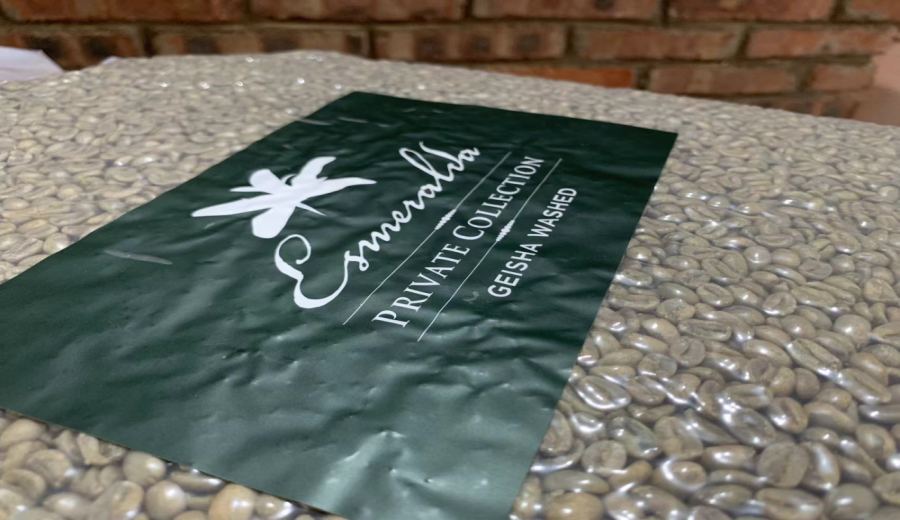
Introduction:Delve into the three tiers of Geisha coffee from Panama’s La Esmeralda estate—Red Label, Green Label, and Blue Label. Explore their grading standards, growing altitudes, processing methods, and unique flavor profiles, while also revisiting how this top-tier bean rose to prominence from Panama’s coffee competitions. This article also offers expert pour-over recommendations and firsthand cupping insights to help you better appreciate the allure of Geisha.
Panama’s La Esmeralda estate is an iconic origin in the specialty coffee world. Its Geisha variety, celebrated for its distinctive floral-fruity aromas and bright acidity, has become the dream coffee for enthusiasts. The estate categorizes its Geisha beans into three tiers—Red Label, Green Label, and Blue Label—based on growing altitude and cupping scores, with each offering a distinct flavor profile and value proposition.
Red Label Geisha is regarded as the flagship offering, grown at elevations between 1,600 and 1,800 meters at the Jaramillo and Canas Verdes farms. Its cupping scores often exceed 90 points, and it is available exclusively through an annual global auction. These beans are typically processed via washed or natural methods, with yeast fermentation introduced after 2018 to enhance flavor complexity. Red Label beans boast pronounced aromas of intense florals and zesty citrus, with a vibrant fruit acidity on the palate and a lingering honeyed tropical fruit finish—making it a favorite among many coffee professionals.
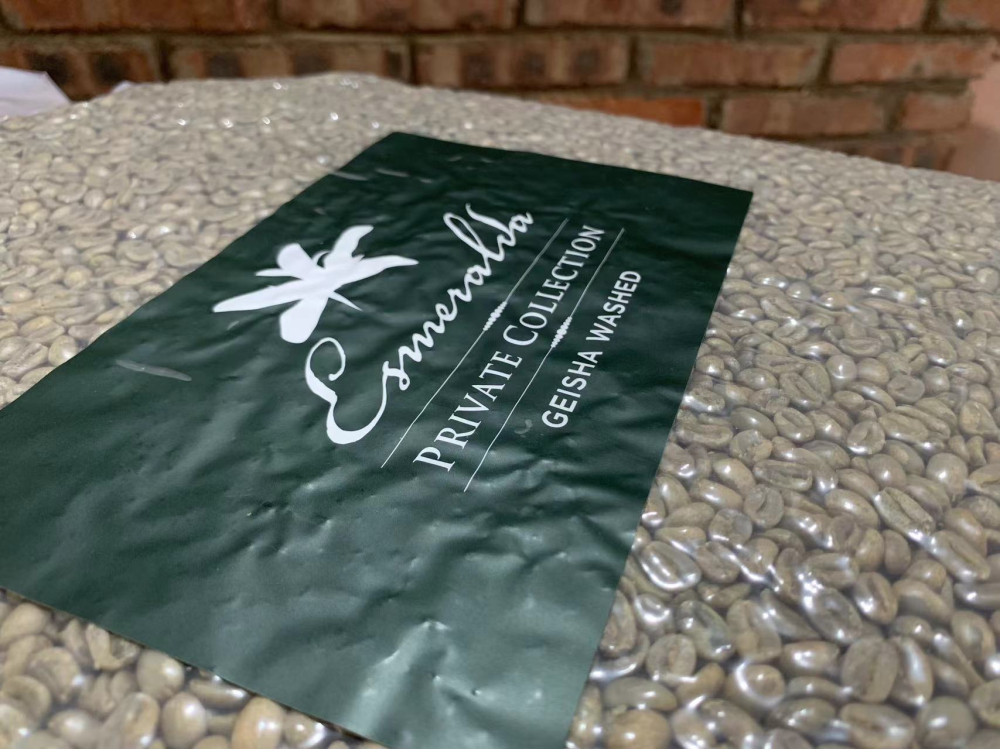
Though not part of the auction, Green Label Geisha still delivers high performance. Its beans come from micro-lots at the Jaramillo, Quiel, and Canas Verdes farms, also grown between 1,600 and 1,800 meters. This tier is offered in both natural and washed processes, with a clear flavor profile: bright citrus and floral notes upon opening, evolving with temperature shifts from jasmine and berries to honey and oolong tea, finishing with a light melon sweetness. In our pour-over tests, a roast profile with a drop temperature of 170°C, first crack development over 1 minute 30 seconds, and a final roast temperature of 193.5°C effectively highlighted its sugary fruit and floral qualities. We recommend a sugar-like grind size, a water temperature of 91–92°C, using a cake filter, with a 30-second bloom using 35 grams of water, followed by incremental pouring to 225 milliliters for the most balanced cup.
Blue Label Geisha serves as an entry-level option, sourced from a blend of farms at around 1,500 meters and processed solely via washed method. While it lacks the body of Red and Green Labels, it retains Geisha’s signature bright acidity and delicate florals, making it ideal for those new to the variety. Blue Label offers a clean, refreshing taste with gentle fruit acidity, suitable for everyday drinking, and is more affordably priced—a lower-barrier way to experience La Esmeralda’s signature flavors.
La Esmeralda’s Geisha grading system is primarily based on growing altitude, supplemented by rigorous cupping evaluations. Only beans that meet specific altitude and flavor thresholds qualify for Red or Green Label classification. These high-altitude regions, such as the Jaramillo farm in the cool Boquete mountains, benefit from significant diurnal temperature variations that slow coffee cherry maturation, allowing for greater sugar accumulation and complex flavor development.
As for Geisha’s origins, it didn’t actually start in Panama. The variety was first discovered in Ethiopia before being introduced to Panama via Honduras and Costa Rica. It wasn’t until 2004, when La Esmeralda first entered Geisha into competition, that it stunned judges with its exceptional cupping performance, launching its legendary journey on the international stage. Today, La Esmeralda’s annual Geisha auction has become a major event in the global specialty coffee industry, attracting countless buyers eager to bid.
In summary, whether you’re a seasoned coffee connoisseur or a newcomer exploring specialty coffee, La Esmeralda’s Red, Green, and Blue Label Geishas offer distinct tasting experiences. From the auction-grade Red Label to the value-packed Green Label, and the beginner-friendly Blue Label, each showcases the unique charm of Panama’s high-altitude terroir and the Geisha variety. If you plan to brew it yourself, remember to fine-tune your grind size, water temperature, and pouring rhythm to fully unlock the brilliance of this top-tier Geisha.
The above content is compiled by CoffeeHunters, a coffee news website.


