







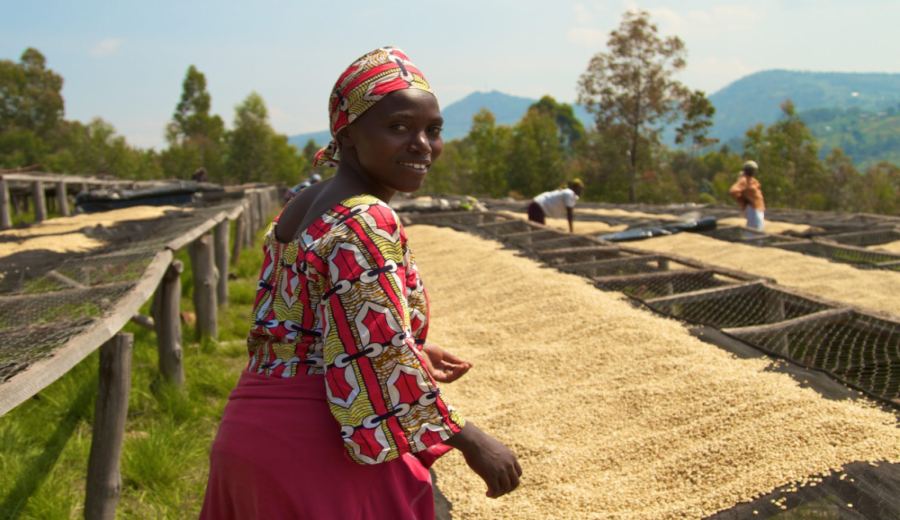
Introduction:Although Rwanda is an important African coffee-producing region, due to historical and market factors, its high-quality beans are relatively rare in the market. This article delves into the variety background, washed processing techniques, and major growing regions of Rwandan coffee, analyzing its representative berry, green tea, and citrus flavor profiles, and exploring the impact of potato defect and the Cup of Excellence competition on quality. Through tasting actual bean lots, it takes you on a journey to understand how this "Land of a Thousand Hills" showcases unique flavors through washed Red Bourbon.
Rwanda is located inland in Central Africa. Although it neighbors well-known coffee-producing areas such as Ethiopia, its coffee rarely appears before consumers. This is due to a complex mix of historical background and industry development. Understanding Rwandan coffee is not only about savoring a washed Red Bourbon with berry and green tea aromas, but also stepping into a story of resurgence from ethnic conflict and economic hardship.
The 1994 genocide caused immense trauma to Rwanda, and coupled with the collapse in international coffee prices at the time, the already fragile coffee industry nearly collapsed. In the post-war period, the country faced labor shortages and urgently needed economic reconstruction. Due to its suitability for high-altitude cultivation, coffee became a key crop for economic recovery. Today, Rwandan coffee is known for its washed processing and high-altitude cultivation, but it is still not easily available in the market, mainly due to limited production and past export restrictions.
The history of coffee cultivation in Rwanda dates back to the early 20th century when it was introduced by German and Belgian colonizers. German missionaries first planted the first coffee trees in the Kivu region, which later spread across the country. However, colonial-era policies suppressed coffee quality, leaving the industry stuck in a high-yield but low-quality dilemma for a long time. At that time, there were almost no formal washed processing facilities, and most coffee was processed roughly, making it difficult to showcase delicate flavors.
It wasn’t until after independence that Rwanda established the official coffee management body OCIR, gradually improving production and quality control. The country boasts temperate and tropical highland climates at high altitudes, especially in mountainous regions between 1700 and 2000 meters, where volcanic soils are fertile and sunlight is abundant, creating an ideal environment for growing Arabica. As a result, Rwanda is also known as the "Land of a Thousand Hills."
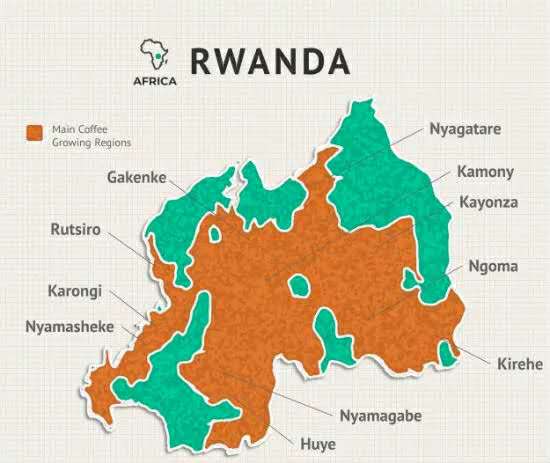
Rwanda’s main coffee-growing regions are concentrated in the south and west. The southern Huye Mountains and Nyamagabe regions, with their higher altitudes, often produce coffee with pronounced floral notes and citrus profiles; the western Lake Kivu area’s Nyamasheke is known for its full body, rich aroma, and juicy mouthfeel. In addition, the eastern Ngoma Lakes region features chocolate and fruity notes, while the north displays a balanced profile of citrus, nuts, and caramel. The Gisheke coffee introduced in this article comes from the western Nyamasheke region and is a blend of Bourbon varieties.
In terms of varieties, over 90% of Rwandan coffee is Bourbon or its sub-varieties. Originating in Latin America, Bourbon is known for its disease resistance and delicate flavors. Although it has gradually declined in other regions due to susceptibility to disease, it performs exceptionally well in Rwanda’s high-altitude environment. Compared to Bourbons in other regions, Rwandan Bourbons are more resistant to pests and diseases, which is one of the reasons it is gradually gaining recognition in the international market.
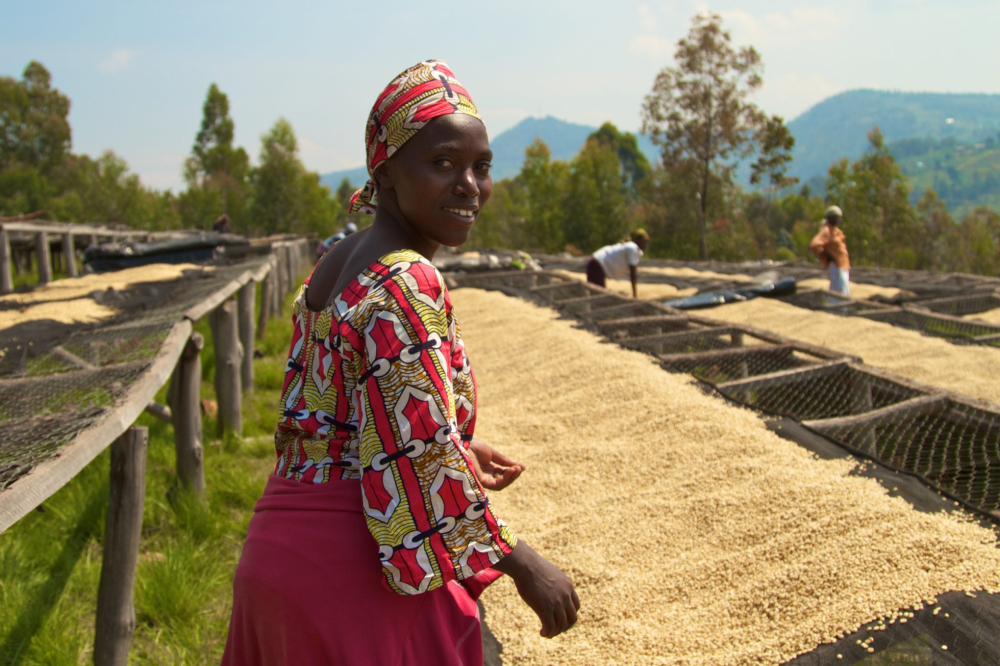
Rwandan coffee generally uses the washed processing method, which can effectively enhance the coffee’s cleanliness and acidity. The steps of washed processing include: first using floatation to remove underripe or defective cherries with insufficient density, then removing the skin and pulp, followed by fermenting the mucilage-covered beans in water tanks. This stage requires strict control of time and temperature to avoid over-fermentation that could affect flavor. After fermentation, the mucilage is washed off with clean water, and the parchment-covered beans are evenly spread on raised beds to dry, typically taking 15 to 22 days until the moisture content drops to 11% to 13%. Throughout this process, farmers select only fully ripe red cherries to ensure only high-maturity, high-quality beans are processed.
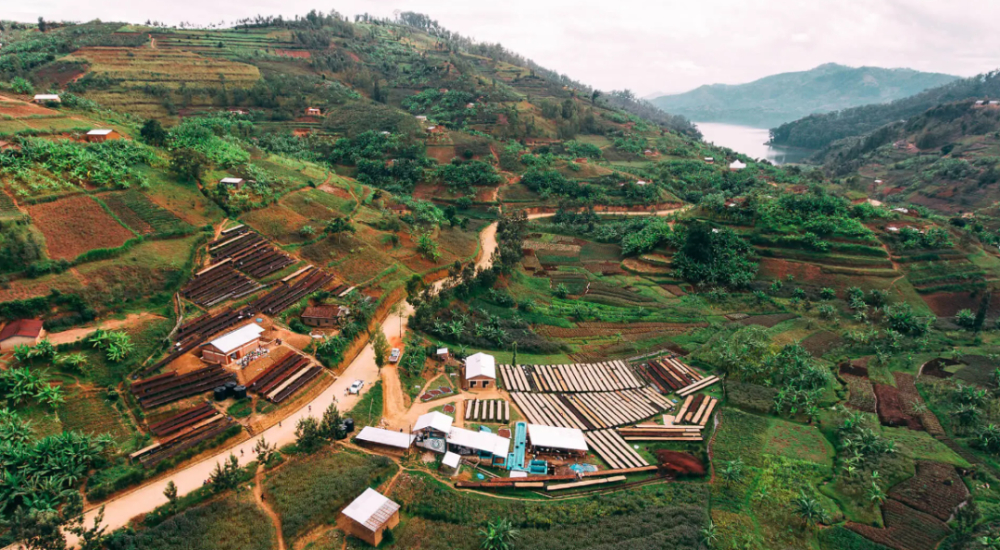
The advantage of washed processing is that it highlights the intrinsic flavor of the coffee—bright acidity, clean taste, and high consistency. For this reason, when recommending beans from specific regions, washed beans are often prioritized to better capture the area’s flavor profile. By adopting washed processing as its mainstream method, Rwanda has enhanced its overall quality image and made it easier for consumers to experience the true characteristics of its coffee.
In 2010, Rwanda hosted its first Cup of Excellence (COE) competition, becoming one of the few African countries to hold this internationally recognized evaluation event. Through COE’s bidding system, global buyers can directly acquire the finest coffee batches, further promoting Rwanda’s specialty coffee into the international market. However, Rwanda has been disqualified from COE twice due to the “potato defect.” This off-flavor typically stems from bacterial contamination during the green bean stage, believed to be related to microbes left by certain insect bites, significantly impacting the coffee’s market value and drinking experience. Nevertheless, currently available Rwandan specialty beans—including the selected Gisheke washed Red Bourbon from the region—do not exhibit such issues.
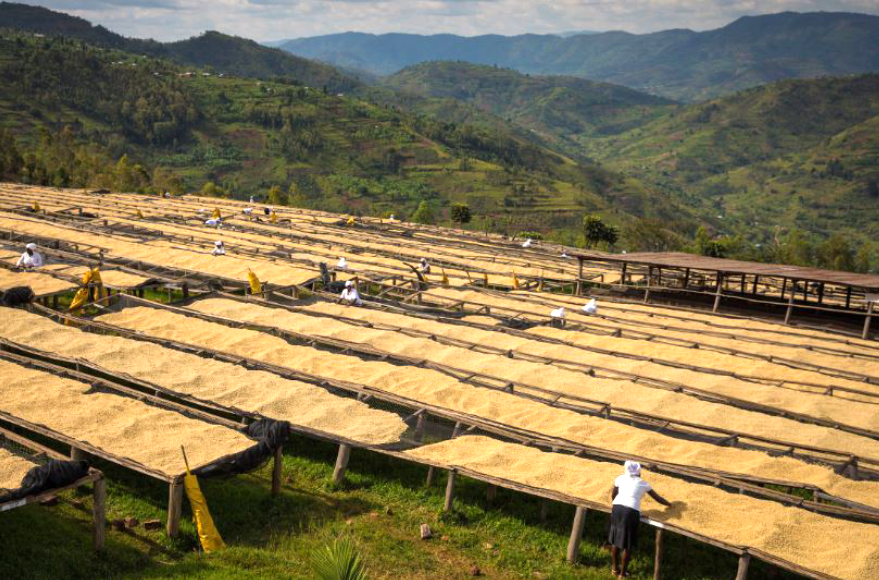
The selected Rwandan Gisheke coffee from the region is grown in the western Nyamasheke district, is of the washed Red Bourbon variety, and is cultivated at an altitude of approximately 1500 to 1700 meters. This bean lot demonstrates distinct berry, apple, green tea, and apricot flavors in cupping, with bright acidity and a balanced mouthfeel, making it highly suitable for coffee lovers who enjoy fresh and vibrant profiles. To highlight its delicate fruit acidity and floral-fruit character, the region employs medium-light roasting to avoid deep roasting that could cause loss of fruit acidity.
In cupping conducted 8 hours after roasting, this bean’s dry aroma carries fresh notes of apple and green tea, accompanied by subtle floral hints. After pouring water, the berry and green tea aromas become even more pronounced. On the palate, the initial sensation is the sweet-sour taste of berries, which then transitions into the soft sweetness of apple and apricot. The finish continues to express the freshness of green tea and apple, delivering an overall very balanced and clean profile. It is a high-quality bean suitable for daily drinking and pour over.
The above content is compiled by CoffeeHunters, a coffee news website.


