







Introduction:Jamaican Blue Mountain coffee is renowned as one of the world’s finest coffees. Its unique flavor profile and rare production volume have made it highly coveted yet difficult for many to experience firsthand. This article will take an in-depth look at the growing environment of Blue Mountain coffee, its rigorous grading system, and how to identify authentic beans from Jamaica. We also provide detailed pour over parameters to help you brew a classic cup at home that rivals the quality found in specialty Blue Mountain cafés.
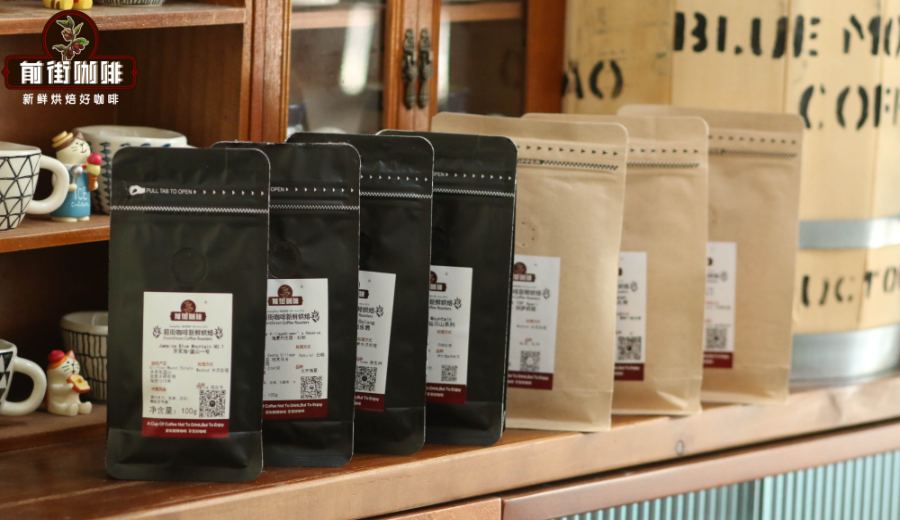
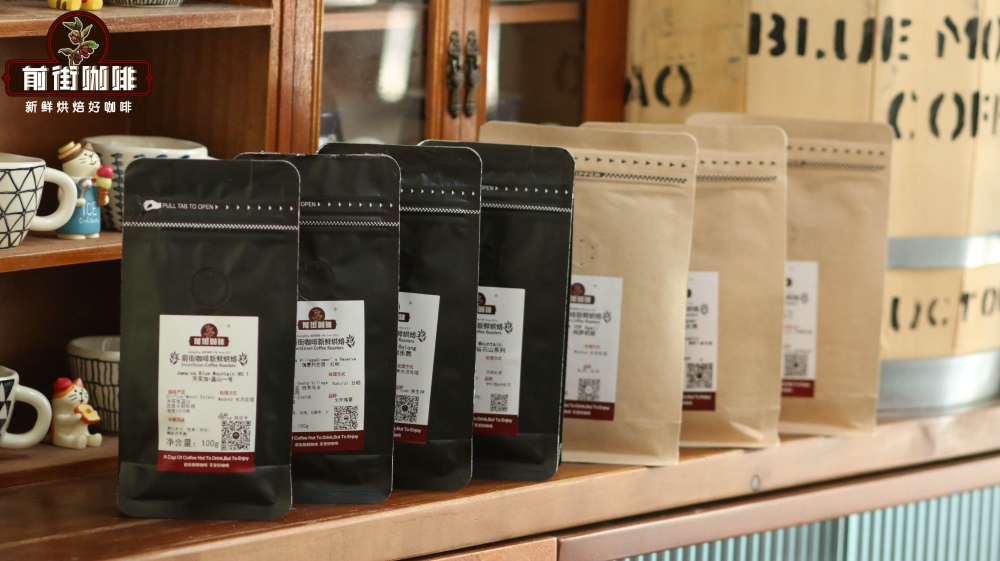
Once synonymous with top-tier coffee, Jamaican Blue Mountain was known for its high price and extreme scarcity. However, as the market has gradually opened up, enjoying an authentic cup of Blue Mountain flavor is no longer out of reach. In our retail stores, a cup of Blue Mountain coffee costs about 60 yuan, while 100 grams of Blue Mountain No. 1 beans are available for just 158 yuan, allowing enthusiasts to experience the charm of this classic coffee at a reasonable price.
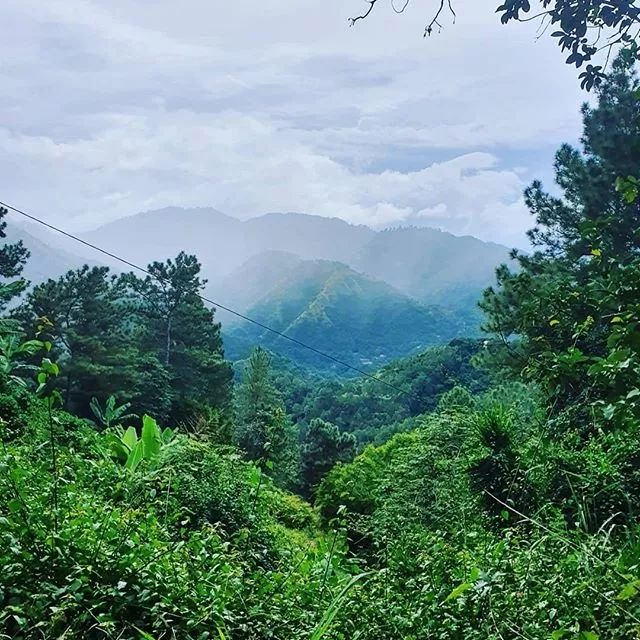
Blue Mountain coffee is grown in the Blue Mountains of eastern Jamaica in the Caribbean. The region gets its name from the blue haze that the mountains emit under sunlight. With altitudes ranging between 910 and 1700 meters, the area enjoys a cool, moist climate, rich volcanic soil, and is often shrouded in clouds—all of which provide nearly perfect growing conditions for coffee trees. It is worth noting that only coffee grown ataltitudes above 1200 meterspossesses the most classic flavor characteristics of Blue Mountain coffee.
In 1952, the Jamaican government established theJamaica Coffee Industry Board (CIB)to strictly regulate coffee production within the country. Starting in 1953, the CIB designated approximately6,000 hectaresas the core Blue Mountain growing region. Though this area represents only a small portion of the entire Blue Mountain range on the island, it is the only zone where beans can be labeled as “Jamaican Blue Mountain coffee.” Coffee produced in other areas is classified as “High Mountain coffee” or “Prime Washed coffee.” This designation helps maintain the rarity and high-quality image of Blue Mountain coffee in the global market.
Blue Mountain coffee is primarily cultivated in four regions: Saint Andrew, Saint Mary, Saint Thomas, and Portland. Through cupping evaluations, the CIB carefully selects beans for quality. Blue Mountain coffee typically features rich notes of chocolate and nuts, coupled with mild acidity and sweet undertones. Its smooth mouthfeel is almost entirely free of bitterness, and the flavor profile is exceptionally well-balanced. For these reasons, Blue Mountain coffee has long been highly regarded by coffee lovers worldwide.
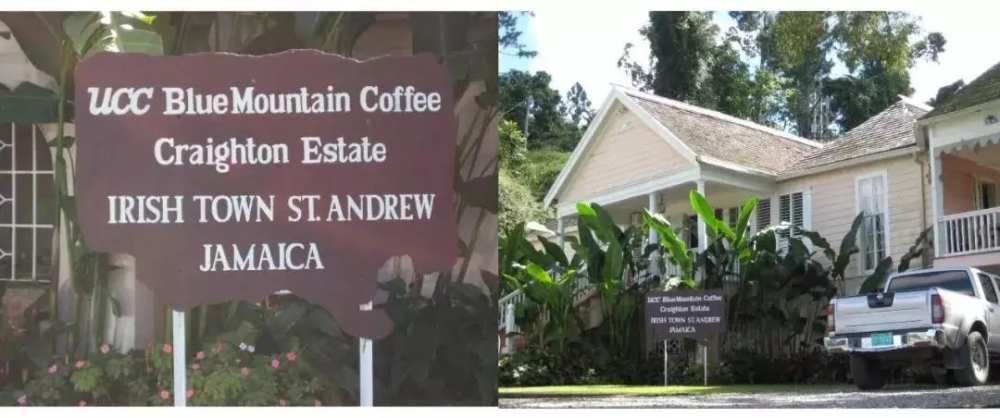
Interestingly, during the 1970s, when Jamaica was hit by hurricanes that damaged its coffee industry, Japanese company UCC provided aid and introduced eco-friendly cultivation techniques. In return, in 1972, Jamaica and Japan signed a 30-year agreement that granted theJapanese market a 90% priority purchase quota for Blue Mountain coffee—one of the reasons why Blue Mountain coffee has remained expensive and scarce in the past.
In terms of grading, the CIB was among the first institutions to scientifically evaluate coffee grades. Based on bean size, defect rate, moisture content, and cupping results, Blue Mountain coffee is divided intofour grades: Blue Mountain No. 1, No. 2, No. 3, and Peaberry. Among them,Blue Mountain No. 1is the highest grade, requiring beans of 17 mesh size or larger (approximately 8 mm), with a defect rate below 3% and moisture content controlled around 13%. These strict standards ensure a high level of consistency in both flavor and quality.
Another distinctive feature of Jamaican Blue Mountain coffee is its traditional use of wooden barrels to transport green beans. This method not only protects the beans from moisture but has also become one of the hallmarks of Blue Mountain coffee. Shipping in wooden barrels helps maintain the coffee’s stable quality during long-distance transport—a practice rarely adopted by other coffee-growing regions.
There are several ways to verify the authenticity of Blue Mountain coffee. First, genuine Blue Mountain coffee cannot be sold at extremely low prices; if you see a product labeled “Blue Mountain” being sold for just a few dozen yuan, it is almost certainly a blend or counterfeit. Second, in terms of aroma, Blue Mountain coffee boasts a rich, solid scent of chocolate and roasted hazelnuts, markedly different from typical dark-roasted blends. As for taste, authentic Blue Mountain coffee achieves a balanced combination of acidity, sweetness, bitterness, and aroma, with a mellow mouthfeel that is never harsh, and a long, lingering finish.
If you’re still having trouble determining authenticity, you may request the seller to provideofficial Jamaican quality certificates, authorized sales documentation, and certificates of origin, and check whether the green beans are packaged in wooden barrels. All Blue Mountain No. 1 beans we offer come with these documents and are sourced from the renowned Clifton Estate. They are processed using the washed method—the most traditional and common processing approach for Blue Mountain coffee.
If you’ve already purchased Blue Mountain No. 1 beans, how can you brew them to bring out their classic flavors? Below are the standard pour over parameters used in our stores, ideal for recreating a similar experience at home.
Recommended filter:KONO filter (you may also use a Kalita wave or a cloth drip filter). Its immersion-style extraction helps enhance richness and body.
Grind size:20-mesh standard sieve passing rate of 75%, roughly the coarseness of coarse sugar, suitable for medium-dark roasts.
Water temperature:88°C
Powder-to-water ratio:1:15 (15 grams of coffee beans to 225 milliliters of water)
Three-stage pouring:First stage: bloom with 30 grams of water, let sit for 30 seconds; second stage: pour up to 125 grams; when the liquid level drops halfway, pour the final stage up to 225 grams. Total extraction time is about 2 minutes.
This brewing method effectively highlights the chocolatey and nutty profiles of Blue Mountain coffee, while preserving its gentle acidity and sweet aftertaste. During the hot phase, you’ll notice intense black chocolate and almond aromas; as the temperature cools, roasted hazelnut, creamy sweetness, and subtle caramel notes gradually emerge. The overall cup is very balanced with distinct layers.
The above content is compiled by CoffeeHunters, a coffee news website.


