







Introduction:Kenya’s K72 washed process achieves its distinctive bright acidity and complex layers through a three-stage, 72-hour fermentation. This article delves into the processing steps, the Kenyan growing environment, the history and characteristics of flagship varieties SL28 and SL34, and offers practical roasting and pour over parameters to help you master the essence of Kenya coffee’s cherry tomato and dark plum flavors.
In the world of specialty coffee, the processing method plays a pivotal role in shaping flavor. Kenya’s K72 washed process stands out among various methods with its unique long-duration fermentation technique, endowing coffee beans with highly recognizable bright acidity and delicate flavor profiles. This article will detail each step of the K72 process—from green bean selection to raised bed drying—to explain how it crafts Kenya coffee’s signature bold acidity and layered complexity. It also explores Kenya’s growing environment, the background of SL28 and SL34 varieties, the country’s coffee grading system, and concludes with useful roasting and pour over recommendations to give you a comprehensive understanding of this uniquely flavored coffee.
What is Kenya’s K72 washed process?
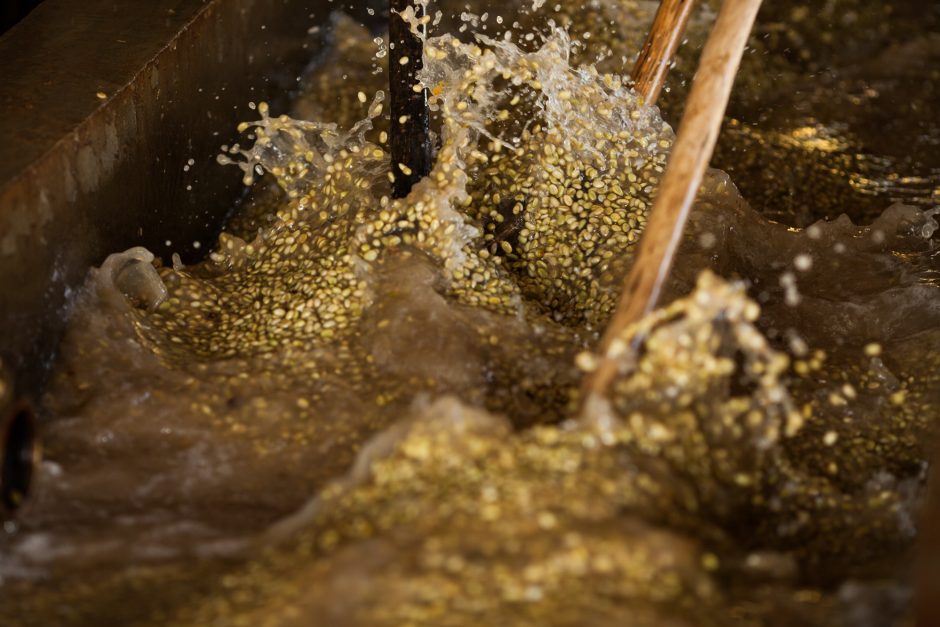
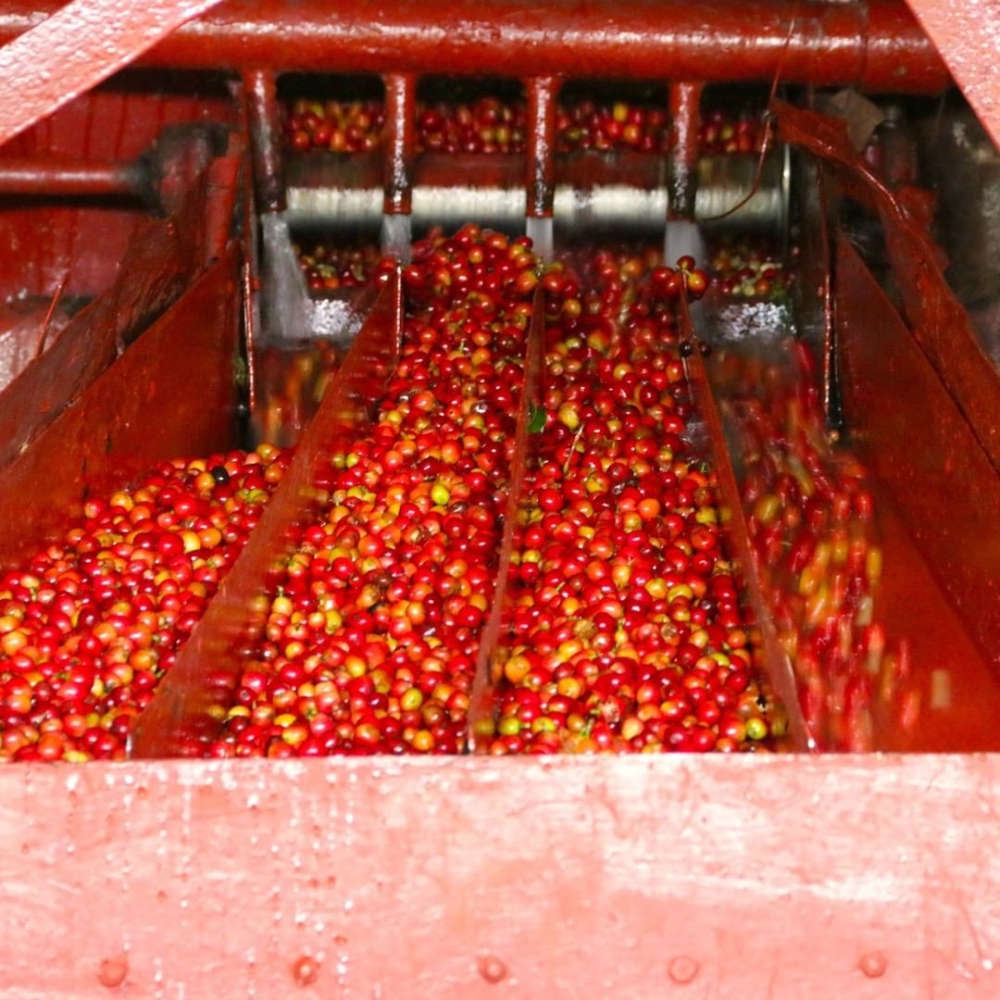
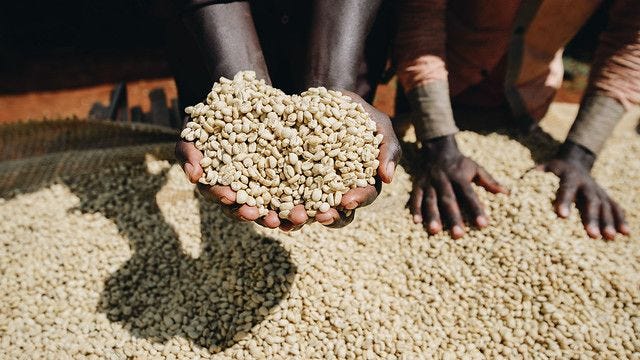
The K72 washed process is a major innovation of the traditional washed method in Kenya’s coffee regions, with its key feature being the “three cycles of fermentation totaling 72 hours.” On the day of harvest, coffee cherries are first sorted by density using water flotation to retain only those with high density and good ripeness. Then, the pulp is removed, allowing the mucilage and green beans to undergo the first 24-hour fermentation. This process breaks down sugars in the mucilage, imparting sweetness and complex acidity to the coffee while removing about 80% to 90% of the mucilage.
Next, the fermented beans are washed again and go through a second 24-hour fermentation—sometimes extended to 48 hours—to further develop the refinement of acidity. They are then rinsed once more to remove residual mucilage. Finally, the beans are placed on raised beds to sun-dry, a process that takes about 5 to 10 days depending on weather conditions. This long-duration, low-temperature fermentation results in coffee beans with cleaner, brighter flavors, while preserving rich acidity and complexity.
Detailed Process of K72 Fermented Washed Method
1. First Wash and Fermentation: Using water flotation, high-density, fully mature coffee cherries are selected. After pulp removal, they undergo 24 hours of fermentation to initiate sugar breakdown in the mucilage, developing sweetness and acidity while removing most of the mucilage.
2. Second Wash and Fermentation: The beans are soaked and fermented again for 24 to 48 hours to promote further transformation of flavor compounds and enhance the complexity of acidity. After fermentation, residual mucilage is thoroughly cleared, and the beans are placed on raised beds for sun drying.
This three-cycle, 72-hour fermentation and washing process is the core of the K72 method and the key to shaping Kenya coffee’s unique flavors.
Kenya Coffee Growing Conditions
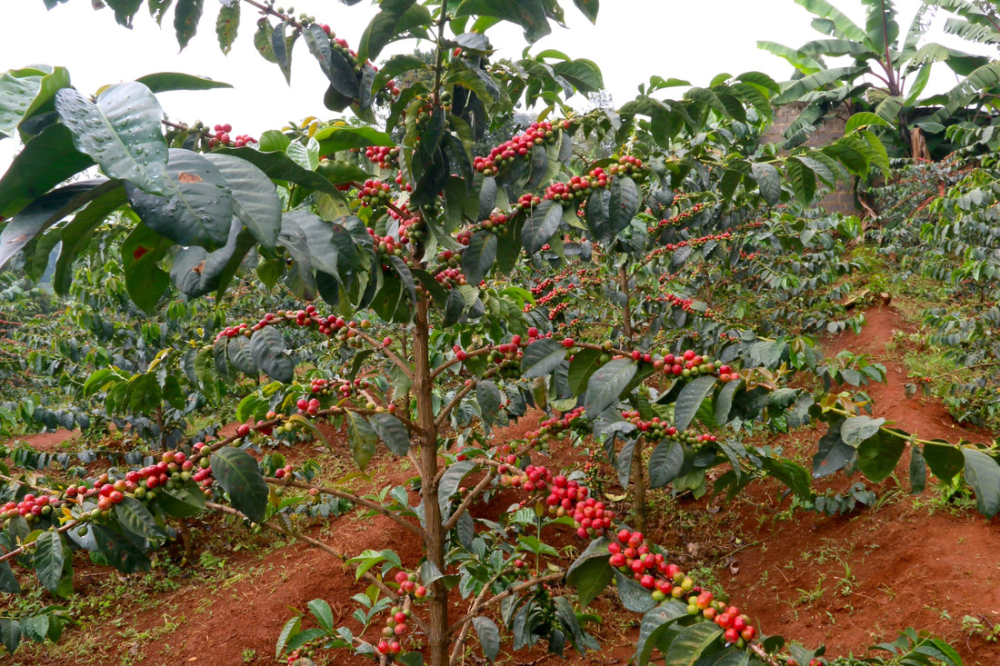
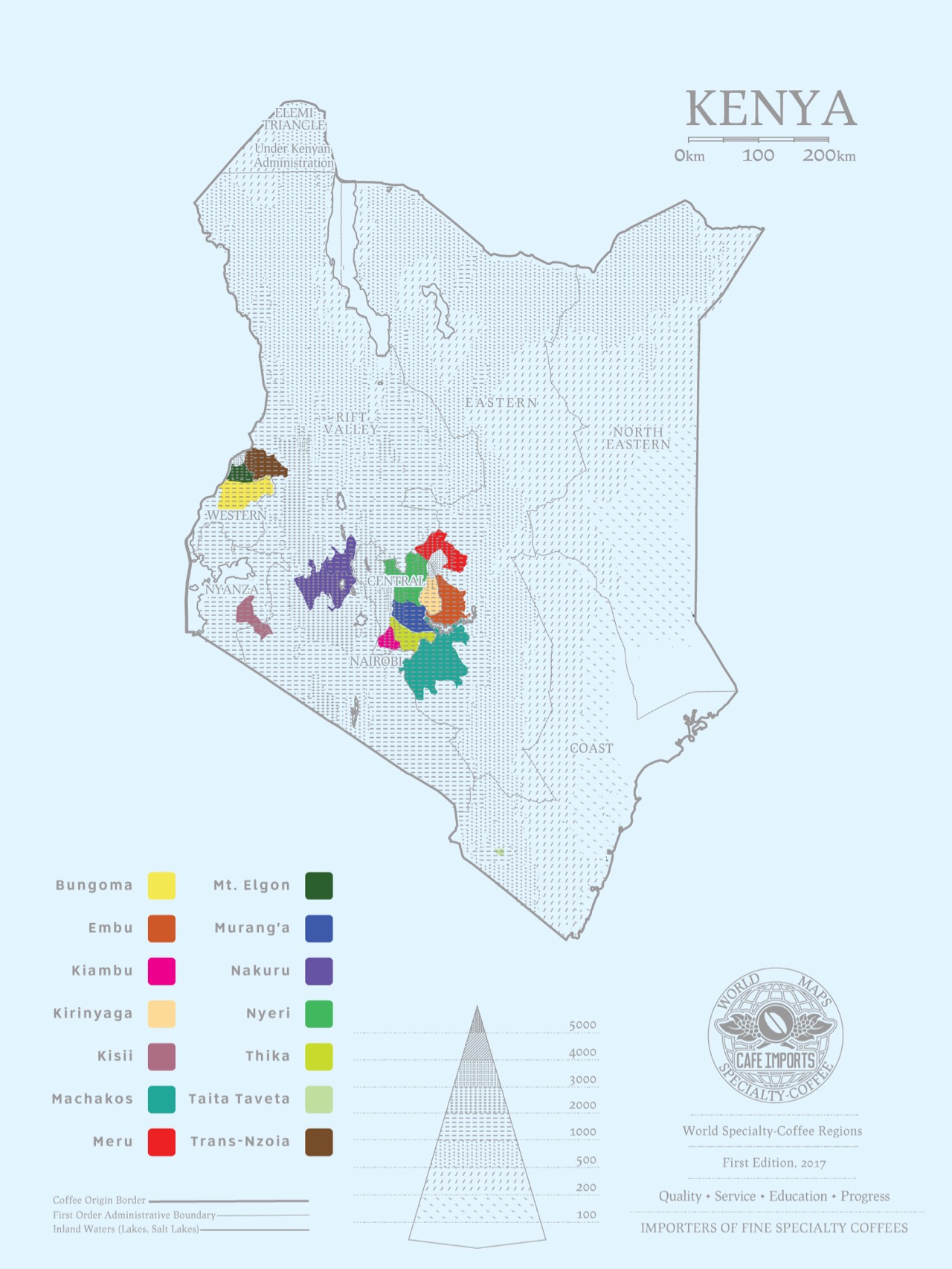
Kenya is located in East Africa, straddled by the equator, with mostly highland terrain and an average elevation of about 1,500 meters. Its central Mount Kenya rises to 5,199 meters, the second highest peak in Africa. The country has a tropical climate with two rainy seasons per year, enabling two coffee harvests. The main seasons are October to December (accounting for 60% of production) and June to August (40%). Coffee is primarily grown in volcanic soil regions at elevations of 1,600 to 2,100 meters, from Nairobi to the areas around Mount Kenya. This altitude slows the coffee’s growth, facilitating the accumulation of flavor compounds, especially bright acidity and a solid body.
Kenya Coffee Bean Varieties
The main varieties grown in Kenya include SL-28, SL-34, Ruiru11, and Batian, all cultivated by the Kenya Coffee Research Institute (CRI). Among them, SL-28 and SL-34 are the most prominent, both developed by Scott Laboratories in the 1930s to adapt to Kenya’s high-altitude environment.
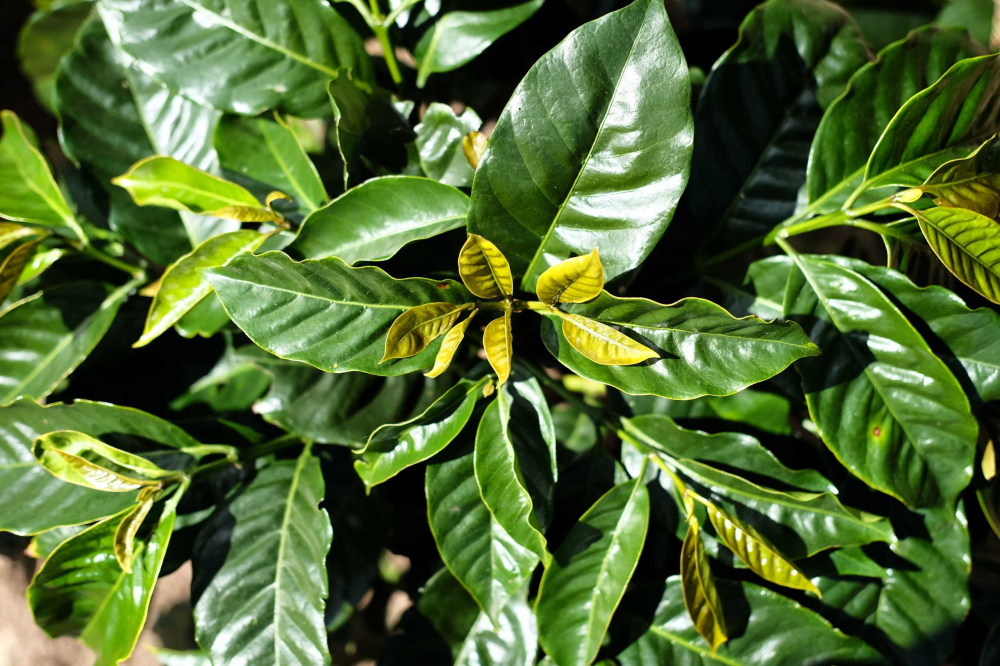
SL-28 is known for its copper-colored leaves and pea-shaped beans. Its flavor profile features outstanding sweetness, balance, and complex acidity, often with citrus and dark plum notes. It is a key source of Kenya coffee’s signature flavor. SL-34 shares similar flavors but has a richer, cleaner taste and greater hardiness, adapting well to variable weather. Ruiru11 and Batian are later-developed disease-resistant varieties, with Batian being genetically closer to SL28 and offering superior cup quality.
Kenya Coffee Bean Grading System
Kenya grades its coffee based on bean size, shape, and cupping results. The main grades, from highest to lowest, are AA or AA+, AB, PB, C, E, TT, T. Grades AA and AB are the primary export tiers, with AA beans sized 17–18 mesh and AB beans 15–16 mesh. Additionally, unofficial but commonly used special grades based on cupping include TOP, PLUS (+), and FAQ, where AA+ denotes AA-grade beans with exceptionally outstanding flavors.
Practical Pour Over and Roasting Parameter Suggestions
Take Kenya Assaria coffee beans as an example: processed via the K72 washed method, with varieties including SL28 and SL34, grown at altitudes of 1,550–1,750 meters. Flavor notes include Sydney pear, dark plum, brown sugar, cherry tomato, and plum. A light roast is recommended to highlight its bright acidity. Roasting parameters: charge temperature 160°C, first crack development time around 2 minutes 20 seconds, drop temperature around 193.8°C. For pour over, use a Hario V60 filter, water temperature 90°C, coffee-to-water ratio 1:15, grind size like fine sugar (80% through a #20 sieve), bloom for 30 seconds, then pour in stages to 225g total. Total brew time is about 2 minutes. Flavor highlights include bright acidity of cherry tomato and dark plum, paired with brown sugar sweetness and green tea aroma.
Another Kenya coffee, the Saxony Estate PB beans, also uses the K72 washed process, with varieties including SL28, SL24, and Ruiru, grown at 1,680 meters. Flavor profile is dominated by cherry tomato, almond, dark plum, honey, and grape. Roasting: charge temp 170°C, first crack development time about 1 minute 50 seconds, drop temp 193.3°C. Recommended filters: V60 or Kalita Wave, water temp 90–91°C, coffee-to-water ratio 1:15, similar grind size. Bloom then pour in stages to 228g, total brew time about 1 minute 55 seconds. The cup offers rich layered flavors, vibrant acidity, and a finish with hints of cocoa and oolong tea.
The above content is compiled by CoffeeHunters, a coffee news website.


