







Introduction:Indonesian PWN Golden Mandheling coffee beans may sound premium in name, but their price is actually quite approachable. So what makes this specialty bean so appealing? How is it different from regular Mandheling? This article takes an in-depth look at the origin background, processing method, roast recommendations, and pour over parameters of Golden Mandheling, helping you understand its true value and unique flavor profile.
Indonesian PWN Golden Mandheling coffee beans, despite the word “Golden” in their name that often leads people to assume they’re expensive, actually have a fairly low entry barrier. The commonly available 227g pack is priced around 89 RMB, which translates to a very reasonable per-cup cost—perfect for coffee drinkers looking to explore specialty beans. But what exactly sets Golden Mandheling apart from regular Mandheling? And why is it only beans produced by PWN that can be called “Golden Mandheling”? In the following, we’ll cover everything from origin and variety to processing method and brewing techniques to give you a comprehensive understanding of this classic bean from Sumatra.
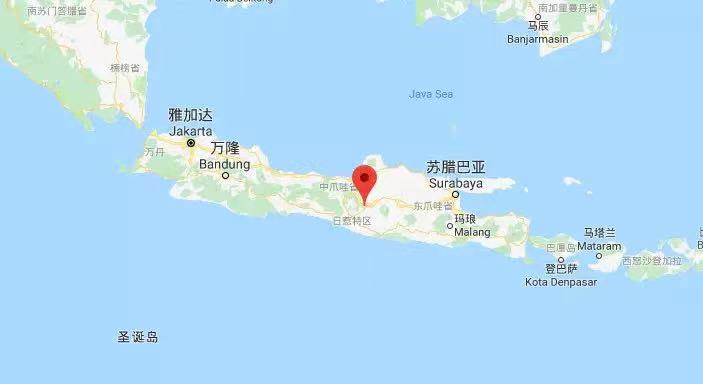
First, let’s clear up a common misconception: “Mandheling” is not actually the name of a coffee variety, but rather a general term for Arabica coffee beans produced in the Sumatra region of Indonesia. These beans are mainly grown at altitudes between 750 to 1,500 meters above sea level, with common varieties being Ateng and TimTim. Ateng is the local name for Catimor, a hybrid of Timor and Coffea Arabica; TimTim, on the other hand, is a variety with Robusta lineage, commonly referred to as Timor. These two varieties form the basis of most Mandheling coffees found on the market.
As for why it’s called “Mandheling,” one explanation dates back to World War II when a Japanese officer in Sumatra tasted an exceptional cup of coffee and asked the shop owner for the name of the coffee. Due to a language barrier, the owner thought he was being asked where he was from and answered “Mandheling tribe (Mandheling),” and thus the coffee has been known by this name ever since. Though just a linguistic mix-up, it gave this particular coffee a unique identity.
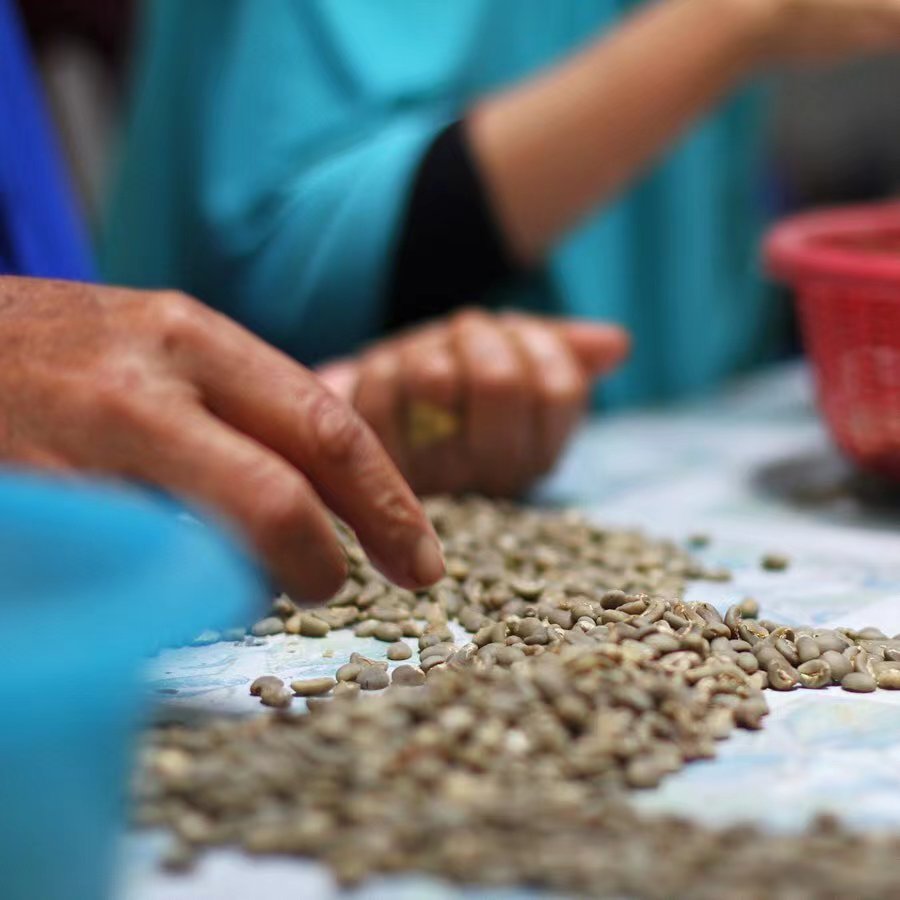
So, what makes “Golden Mandheling” stand out? The key lies in its green bean supplier—PWN (Pwani Coffee Company). This well-known Indonesian green bean company specializes in sourcing and selecting high-quality Mandheling beans, with access to resources from Sumatra’s major producing regions, enabling it to consistently provide premium-grade coffee beans of stable quality. The so-called “Golden Mandheling” refers to top-grade green beans selected through a four-step manual screening process by PWN, where only beans with full appearance and no obvious defects are chosen. These carefully selected beans take on a golden sheen under sunlight, hence the name. More importantly, the name “Golden Mandheling” has been registered as a trademark by PWN, meaning only beans produced by the company and certified by them can be called “Golden Mandheling.”
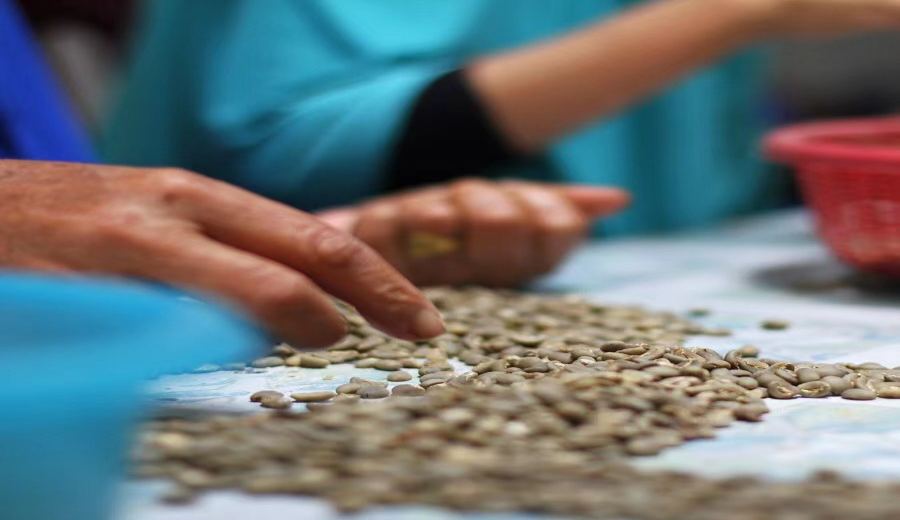
In terms of processing method, Golden Mandheling uses the uniquely Indonesian “wet hulling” (also known as Giling Basah). This method stems from the limitations of the local humid climate and lack of large-scale equipment. After harvest, the coffee beans undergo fermentation and initial washing, then have their parchment layer removed while the mucilage is still not fully dry, followed by sun drying. This process results in the bold, low-acid flavor profile characteristic of Mandheling, along with its distinctive earthy and spicy notes. However, due to the structural vulnerability of the beans during processing, they often end up curved, resembling “goat hooves,” which is why some also refer to these beans as “goat hoof beans.”
A certain brand’s batch of PWN Golden Mandheling showed higher moisture content prior to roasting compared to typical sun-dried beans, so adjustments had to be made during the roasting process, especially in the drying phase. It’s recommended to start by closing the air vent for a 30-second preheat/bloom, then adjust the air vent to level 3. Once the bean color turns light green or white, gradually increase the air vent to level 4, and open it fully to level 5 (maximum) after first crack. To retain a balanced level of acidity and sweetness, it’s advised to finish roasting just after the first crack becomes intense but before the second crack begins, achieving a balance between body and complexity. The final flavor often features aromas of toasted bread, pine, caramel, and cocoa, along with subtle herbal notes, delivering a rich mouthfeel and long-lasting aftertaste.
Compared to other Mandheling beans from Sumatran regions—such as those from the Lintong area—Golden Mandheling is generally cleaner, with significantly less earthy or herbal off-flavors, yet still retains a rich caramel sweetness and full body. Additionally, Golden Mandheling offers greater flexibility in roasting, capable of showcasing either bright fruity acidity when roasted lightly (before second crack) or deep, sweet richness when taken darker (after second crack), making it ideal for coffee enthusiasts eager to explore the multifaceted flavors of Mandheling.
Since PWN Golden Mandheling is usually roasted to a medium-dark level, freshly roasted beans contain relatively high levels of CO₂. It’s recommended to let them rest in a sealed container for 5 to 6 days after arrival, allowing degassing to stabilize before brewing, in order to achieve optimal flavor. During brewing, because fresh beans release gas vigorously, which can lead to channeling and overly fast water flow, it’s advisable to use a coarser stream of water and pour slowly in circles to help ensure even extraction.
For brewing parameters, it’s recommended to use a Kono filter cone, with a 1:15 coffee-to-water ratio, and set the water temperature to 88°C. Grind the beans to a medium-coarse consistency, similar to coarse sugar (with a reference of approximately 70% extraction rate through a Chinese No. 20 sieve). The specific steps are as follows: the first pour involves adding 30g of water for a 30-second bloom; then, in the second pour, add water in small increments while circling to reach 125g, wait for the water level to drop by half, then continue pouring to 225g, keeping the total brew time around 2 minutes and 10 seconds. This setup effectively highlights the aroma and layered complexity of Golden Mandheling, making it a great choice for pour over enthusiasts.
The above content is compiled by CoffeeHunters, a coffee news website.


