







Introduction:Ever wondered why Jamaican Blue Mountain coffee is hailed as the “Rolls-Royce of the coffee world”? This article takes you deep into the highest-altitude Blue Mountain region in Jamaica, exploring the historic Clifton Mount Estate. From the characteristics of the Typica variety, the washed processing method, to the grading standards of Blue Mountain No.1 and its roasting curve, we’ll detail the journey of how an authentic Blue Mountain coffee is born. Plus, get practical pour-over and brewing equipment recommendations, as well as tips on identifying genuine Blue Mountain beans—helping you truly appreciate the essence of top-tier coffee.
In the specialty coffee realm, traceability is key to appreciation. From which estate, which microclimate zone, or even which farmer’s hands it comes from, each coffee bean carries unique regional flavors. These flavors are shaped by variety, altitude, and processing methods. This piece takes you inside one of Jamaica’s most iconic coffee estates—Clifton Mount Estate—and fully unpacks the secrets behind Blue Mountain No.1 coffee, from origin, variety, washed processing, to green bean grading and roasting curves, along with expert-level pour-over and brewing advice.
Why choose estate-level coffee beans?
The reason estate coffee is so prized lies in its high level of traceability. Knowing which estate, which microclimate, or even which farmer produced the coffee helps us understand the origins of the cup’s flavors: Is it the exceptional altitude? The unique traits of a specific variety? Or the time-honed, proprietary processing techniques? Only by immersing yourself in the region and experiencing the local soil, climate, and culture firsthand can you truly savor those delicate and irreproducible layers within the coffee.
One of Jamaica’s oldest coffee estates: Clifton Mount Estate
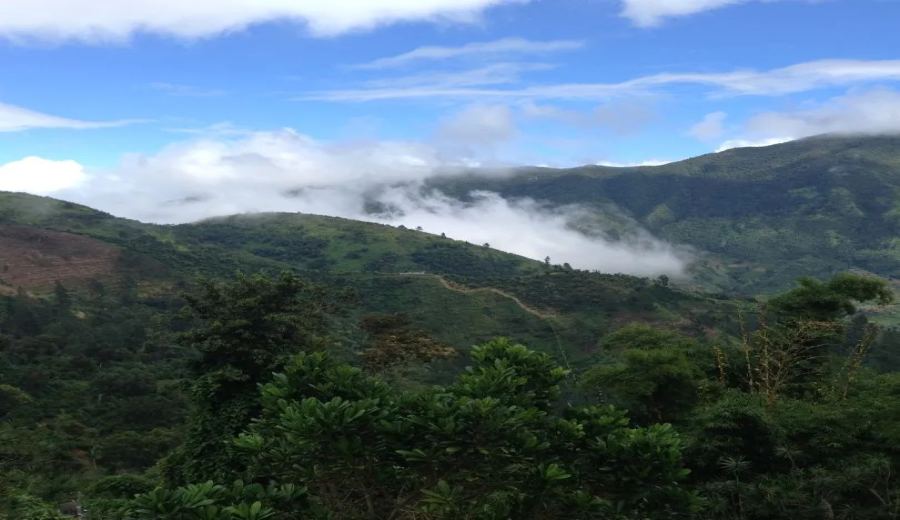
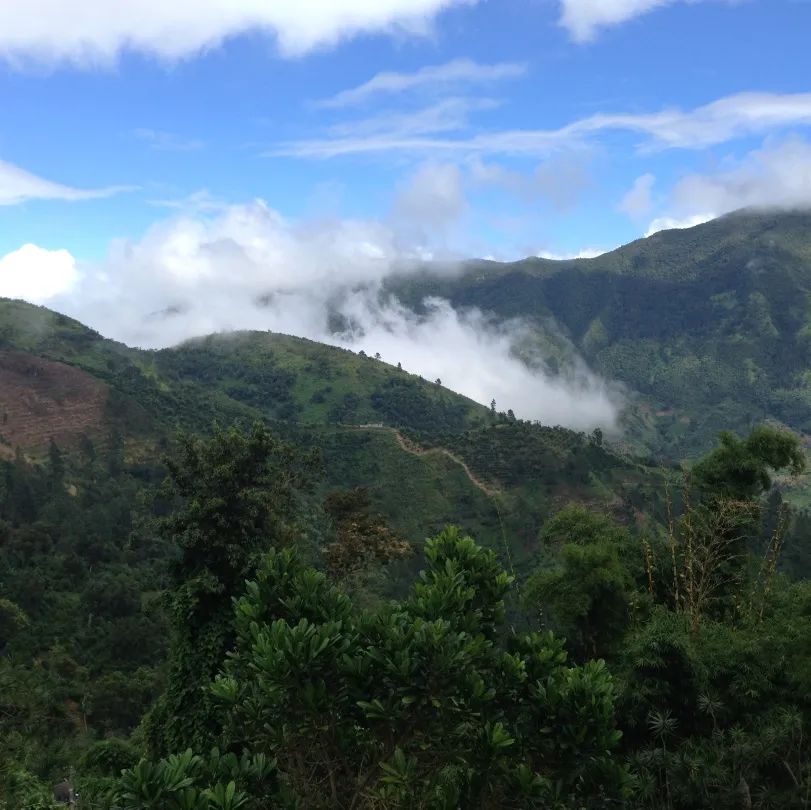
Located in the Blue Mountains of eastern Jamaica, surrounded by the Caribbean Sea, the peaks often reflect a sapphire-like hue when sunlight hits the water, hence the name “Blue Mountain.” This area is home to the highest peaks in the Caribbean, reaching an elevation of 2256 meters, with a cool, foggy climate, an average annual temperature of about 27°C, nearly 1980 mm of rainfall per year, and fertile volcanic soil—all contributing to the unparalleled flavor foundation of Blue Mountain coffee.
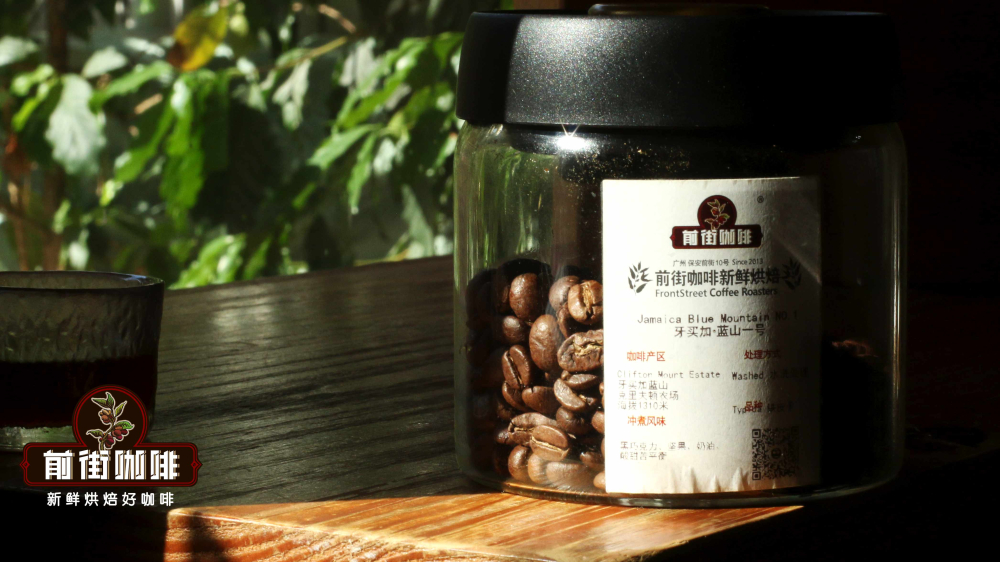
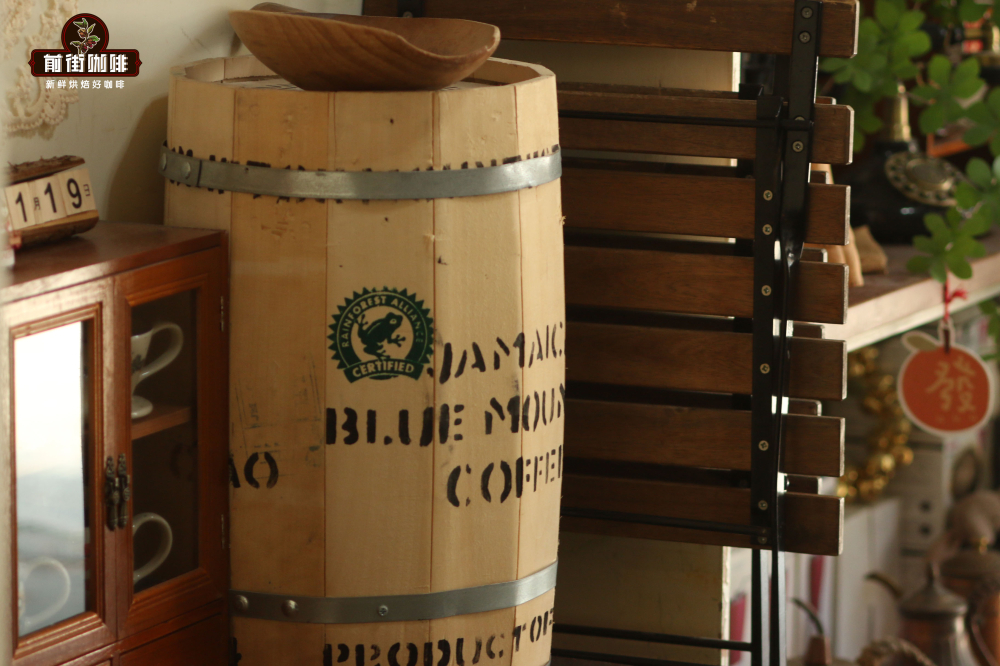
Clifton Mount Estate is one of the oldest coffee-growing sites in the region, currently managed by the Sharp family, and certified by the Rainforest Alliance, making it one of the few coffee farms in Jamaica to hold this designation. The estate is situated on the eastern slopes of Catherine’s Peak in the Newcastle area, planted at an elevation of4300 feet (approximately 1310.64 meters), primarily cultivating 100% Arabica Typica variety, processed via washed method, and known for its balanced sweet-and-acidic profile and delicate aroma.
Growing environment and historical background
The growing area for Blue Mountain coffee is actually quite limited, spanning only around 6000 hectares. Therefore, not all coffee labeled as “Blue Mountain” genuinely originates from this core region. As one of the largest and oldest estates in the area, Clifton Mount Estate’s Blue Mountain No.1 is recognized internationally for its high standards.
As early as the mid-18th century (around 1750), coffee cultivation had already begun in the Clifton Mountain area. The 1810 official Jamaican survey recorded that the estate was owned by Robert Hamilton at the time, with clearly divided coffee-growing and pasture areas. Today, although much of the land is owned by smallholder farmers, Clifton Mount Estate remains a representative origin of Blue Mountain coffee due to its consistent quality and traditional craftsmanship.
In 1953, the Jamaican government established the Coffee Industry Board (CIB), responsible for the quality control and export certification of Blue Mountain coffee. All exported Blue Mountain coffee must pass the CIB’s rigorous inspection to ensure it is 100% sourced from the designated Blue Mountain area, making Blue Mountain one of the few coffees in the world with clear origin protection.
Washed processing: Meticulous craftsmanship for pure flavors
Blue Mountain coffee is always processed using the washed method, which preserves the coffee’s purity and bright acidity to the greatest extent. In this process, the outer skin and pulp of the coffee cherry are first removed, followed by 12 to 18 hours of fermentation, then rinsed with clean water and friction to remove the mucilage layer. Afterward, the beans, still enclosed in their parchment, are sun-dried until their moisture content drops to 12%–14%, and finally undergo sorting and storage.
The washed process not only requires a stable water source but also demands precise control of fermentation duration and cleaning procedures—any slight mishap can affect the final flavor. Clifton Mount Estate’s washed system has been refined over the years, resulting in a Blue Mountain No.1 that not only embodies the signature richness and smoothness of Blue Mountain but also offers a unique floral nuance, which is one of the reasons its flavor is so beloved.
Green bean grading and variety characteristics
Jamaican Blue Mountain coffee is classified into four grades based on bean size, defect rate, and processing condition: No.1, No.2, No.3, and PB (peaberry). Among these, No.1 is the highest grade, requiring plump beans,17+ screen size, a defect rate below 3%, and a moisture content of around 13%. Blue Mountain No.1 is produced only in the core Blue Mountain region at elevations above 666 meters, ensuring the most consistent and outstanding flavor performance.
The variety cultivated at Clifton Mount Estate is 100% Typica, the earliest Arabica heirloom variety introduced from Yemen, renowned for its elegant acidity and delicate mouthfeel. However, it is also more susceptible to climate and pests, necessitating meticulous management.
Roasting curve and flavor profile
To fully unlock the potential of Blue Mountain No.1, roasters typically adopt a “transparent roast” strategy—allowing heat to evenly penetrate the bean core and develop it moderately to bring out a balanced sweet-and-acidic profile and layered aromas. A commonly recommended roast curve is: start at 170°C, gradually raise the temperature through the yellowing stage before first crack, and drop the beans at 201.3°C to preserve maximum floral-fruity notes and refined sweetness.
In cupping, Blue Mountain No.1 often displays bright citrus acidity, delicate floral notes, and a chocolatey aftertaste, with a smooth, velvety mouthfeel, almost no harsh bitterness, and a gentle fruity finish. Overall, it presents a very balanced and layered cup.
Pour-over and brewing suggestions
When brewing Blue Mountain No.1, it’s recommended to use medium-fine grind, with water temperature controlled between 88°C and 90°C to highlight its balanced sweet-and-acidic character and delicate aroma. Recommended brew devices include V60, Kalita Wave, or KONO; for KONO, suggested parameters are 15g coffee, 89°C water temperature, grind size 4, water-to-coffee ratio 1:15, with total extraction time around 2 minutes.
Additionally, you may also use a French press (grind size 3.5–4, 90°C water), siphon pot (grind size 4, 89°C water), or AeroPress (grind size 2.5, 88°C water), adjusting extraction parameters based on personal taste preferences.
Key points for identifying real vs. fake Blue Mountain beans
Due to the prestigious reputation of Blue Mountain coffee, counterfeit products are common in the market. Genuine Blue Mountain green beans appear bluish-green, uniform in size, and become plump and full after roasting; hand-grinding them yields a crisp, smooth texture with rich, solid aroma; upon tasting, the flavors are balanced and layered, without any single note being overly dominant or missing. If the price seems too low or the appearance is obviously off, it’s very likely a blend or imitation. When purchasing, be especially attentive to origin certification and sourcing information.
The above content is compiled by CoffeeHunters, a coffee news website.


