







Introduction:Yirgacheffe is one of Ethiopia’s most representative coffee-growing regions, where washed and natural processing methods yield distinctly different flavor profiles. This article delves into the craft characteristics, aromatic expressions, and taste differences of the two processing methods, and provides practical pour over brewing recommendations to help coffee enthusiasts select the Yirgacheffe beans that best suit their preferences.
As the birthplace of coffee, Ethiopia—boasting high altitudes, significant diurnal temperature variations, and diverse microclimates—nurtures numerous coffee-growing regions with unique flavors. Among them, Yirgacheffe is renowned for its pronounced floral and fruity notes. Whether washed or naturally processed, it showcases the soul of Ethiopian coffee. This article explores the unique charm of both washed and natural Yirgacheffe from the perspectives of terroir and processing techniques, and analyzes how pour over parameters influence flavor.
Ethiopia possesses the world’s richest coffee gene pool. Its highland terrain and unique ecology endow local coffees with both complexity and regional distinctiveness. Most areas within the country sit at elevations exceeding 1,800 meters, with notable diurnal temperature ranges that help coffee cherries ripen slowly, accumulating richer sugars and flavor compounds. As a star region in Ethiopia, Yirgacheffe’s coffee often exhibits bright notes of lemon, blueberry, and jasmine, making it a popular entry point for many newcomers to specialty coffee.
In terms of processing methods, washed and natural are key factors influencing the flavor direction of Yirgacheffe. Washed processing enhances clarity and bright acidity by removing the pulp and mucilage; whereas natural processing allows the coffee beans to ferment inside the fruit, resulting in richer sweetness and fruitiness. The differences between these two methods create the diverse flavor expressions of Yirgacheffe.
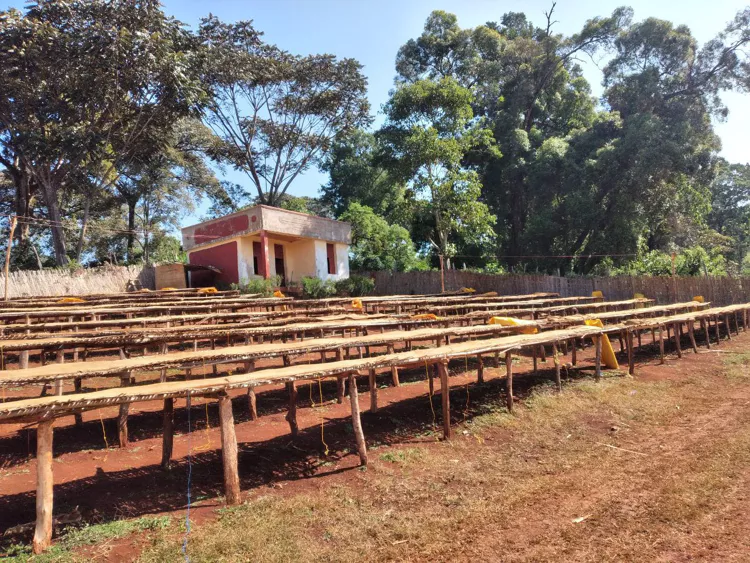
Take washed Yirgacheffe as an example: its production involves strict sorting and multiple washes to remove unripe and defective beans. Afterward, a fermentation tank is used to remove the sticky mucilage layer adhering to the seeds, which are then placed on raised beds to dry slowly. This process requires precise control of temperature and ventilation to ensure the moisture content steadily drops to 11%-12%. Washed Yirgacheffe typically showcases bright citrus acidity, elegant white floral notes, and a tea-like green tea sweetness in the aftertaste, making it ideal for those who prefer a clean and refreshing cup.
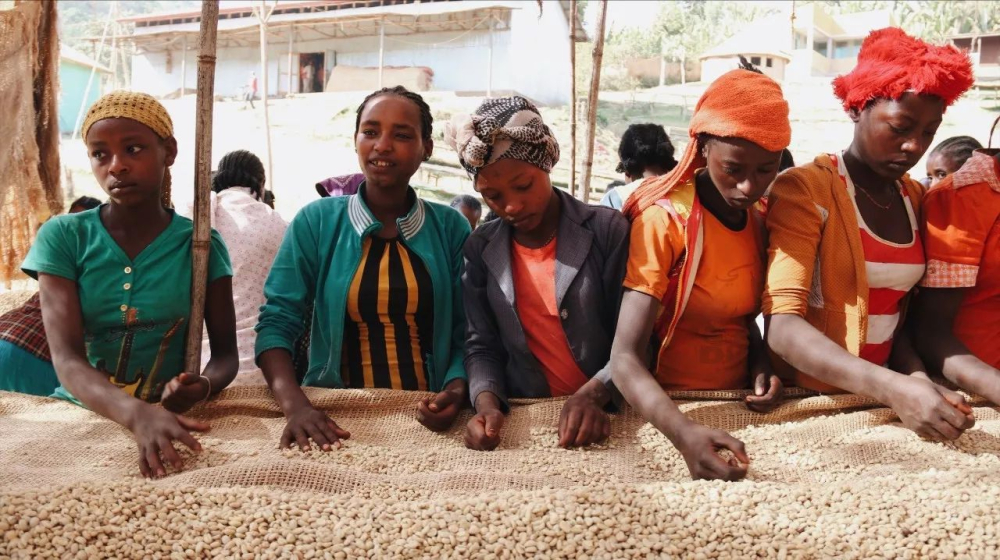
In contrast, natural Yirgacheffe is dried with the whole coffee cherry intact, allowing the sugars and aromas from the pulp to gradually penetrate the seed. This method relies on ample sunlight and stable temperatures, usually taking 10–14 days, during which the beans are frequently turned to ensure even drying. Natural processing imparts more intense berry and tropical fruit notes, accompanied by noticeable honey-like sweetness and a fuller body, catering to coffee lovers who enjoy bold flavors.
A certain coffee brand cupped multiple Yirgacheffe samples and found that washed samples emitted the bright acidic aromas of passionfruit and citrus in the dry stage. After brewing, they delivered a clean cup with vibrant and layered acidity, and a honey-like sweetness in the finish. In contrast, natural samples were dominated by berry and wine-like fermentation aromas, offering a smooth mouthfeel, pronounced sweetness, and were well-suited for milk-based drinks like lattes or enjoyed as black coffee.
For pour over parameters, it is recommended to use a V60 filter, with water temperature controlled at 92–93°C and a coffee-to-water ratio of 1:15. The grind size should be around 78% extraction through a #20 sieve (similar to the coarseness of fine sugar). A three-stage pouring method can effectively improve extraction uniformity: the first pour adds twice the coffee’s weight in water (about 30g) for a 30-second bloom; the second pour uses a slow stream to circle from the inner ring outward, reaching 125g, and once the water level drops to half the filter, the third pour continues to 225g to complete extraction, with a total brew time of about 2 minutes. These parameters are suitable for most medium-to-light roasted Yirgacheffe beans and highlight their floral and fruity characteristics.
It is worth noting that an overly fine grind may lead to over-extraction and produce bitterness; too high a water temperature might amplify sharp acidity. Adjust parameters based on actual flavor feedback—for instance, lowering the temperature to 91°C can enhance brighter acidity, while extending the brew time to 2 minutes and 15 seconds can achieve a fuller body. Additionally, using freshly roasted coffee beans (within 7–21 days post-roast) ensures optimal flavor expression.
Whether you choose washed or natural Yirgacheffe, their unique regional flavors reflect the essence of Ethiopian coffee. By understanding the differences in processing methods and mastering key pour over parameters, you’ll be able to explore your own personalized coffee flavor map with greater precision.
The above content is compiled by CoffeeHunters, a coffee news website.


