







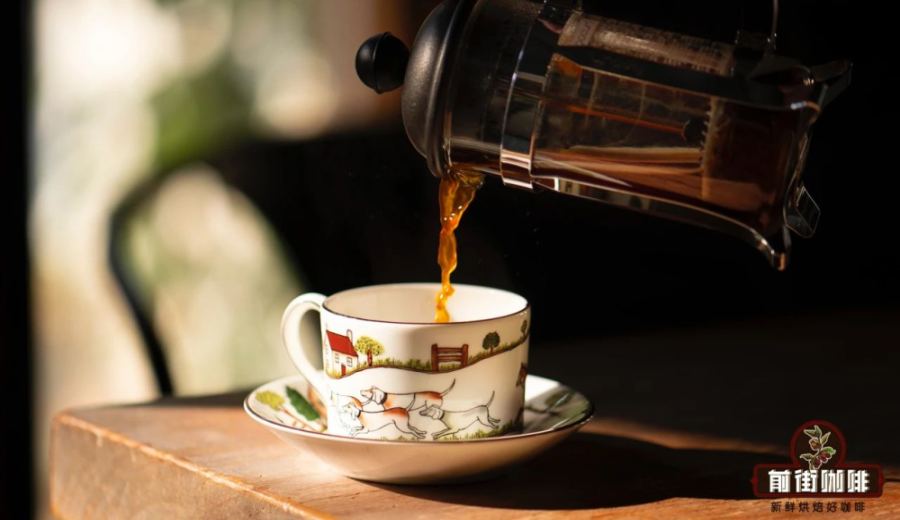
Introduction:The French press is the starting point for many coffee beginners entering the world of pour over brewing. With its simple operation and stable extraction performance, it allows anyone to easily enjoy a cup of rich and full-bodied coffee. This article provides a detailed analysis of the French press’s structure and principles, the suitable roast levels and grind sizes, as well as practical recommendations for coffee-to-water ratio, water temperature, and steeping time. It also suggests several coffee beans with different flavor profiles to help you find your perfect match. Additionally, it shares a hidden function of the French press—latte art foam-making techniques—to add more variety to your daily coffee experience.
The French press, also known as a cafetière or coffee plunger, is a coffee brewing device with a simple yet highly practical design. It mainly consists of a heat-resistant glass carafe and an internal stainless steel metal filter, paired with a plunger that moves up and down. Originally designed for brewing tea, it has since been widely adopted for coffee preparation, especially favored by those who prefer a bold and full-bodied taste.
The most distinctive feature of this brewing method is its ability to fully extract the oils and flavor compounds from coffee while retaining an appropriate amount of sediment, resulting in a rich and full-bodied coffee experience. Compared to pour over or other filtration methods, using a French press is more intuitive and very beginner-friendly.
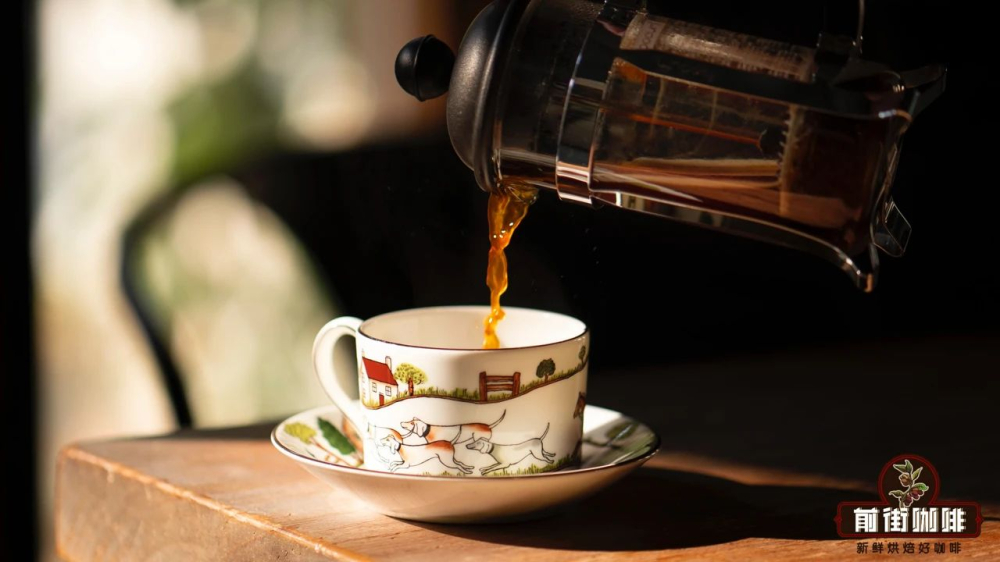
When selecting coffee beans, it is recommended to prioritize medium to dark roasts. These beans undergo longer roasting times, allowing for more thorough caramelization, which brings out richer sweetness and aroma—perfectly complementing the extraction characteristics of the French press. While light roast beans offer brighter flavors, they tend to release too much acidity in a French press, resulting in a sharp and muddled taste, and are therefore not recommended as a first choice.
If you prefer a bold coffee with notes of spices, dark chocolate, and nuts, opt for beans with a medium to dark roast. These typically showcase a rich mouthfeel and moderate oiliness, offering a smooth yet not overly heavy drinking experience. For those who enjoy a balanced profile with some roasted aromas, consider beans with creamy peanut and chocolate tones—these can present a soft and well-balanced taste when brewed in a French press. There are also many fruit-forward beans suitable for those who prefer a lighter, less bitter cup.
Regarding grind size, it is recommended to use particles similar in size to coarse sugar—that is the ideal coarseness for a French press. Too fine a grind can lead to over-extraction, resulting in bitterness, astringency, and more sediment; too coarse may cause under-extraction and a flat flavor. Before brewing, you can preheat the carafe with a small amount of hot water to help maintain a stable brewing temperature and enhance overall flavor performance.
For actual brewing, the recommended coffee-to-water ratio is 1:15, meaning 1 gram of coffee grounds for every 15 milliliters of water. For example, with 16 grams of coffee, the total water volume would be about 240 milliliters. The water temperature should be controlled between 90 to 95 degrees Celsius. This range effectively highlights the aroma of medium to dark roast beans without causing over-extraction due to excessive heat. First, add the measured coffee grounds into the carafe, then slowly pour in the hot water. It is advisable to immediately place the lid on after pouring to help retain heat.
The recommended steeping time is 4 minutes. During this period, you can gently stir the coffee grounds to ensure all particles are fully saturated. Once the time is up, slowly press the plunger downward. This motion should be steady and even—if you prefer a thicker layer of crema, you can apply slightly more pressure, but be careful not to press too hard to avoid coffee grounds passing through the filter and affecting the taste. After pressing to the bottom, you can pour and enjoy your coffee.
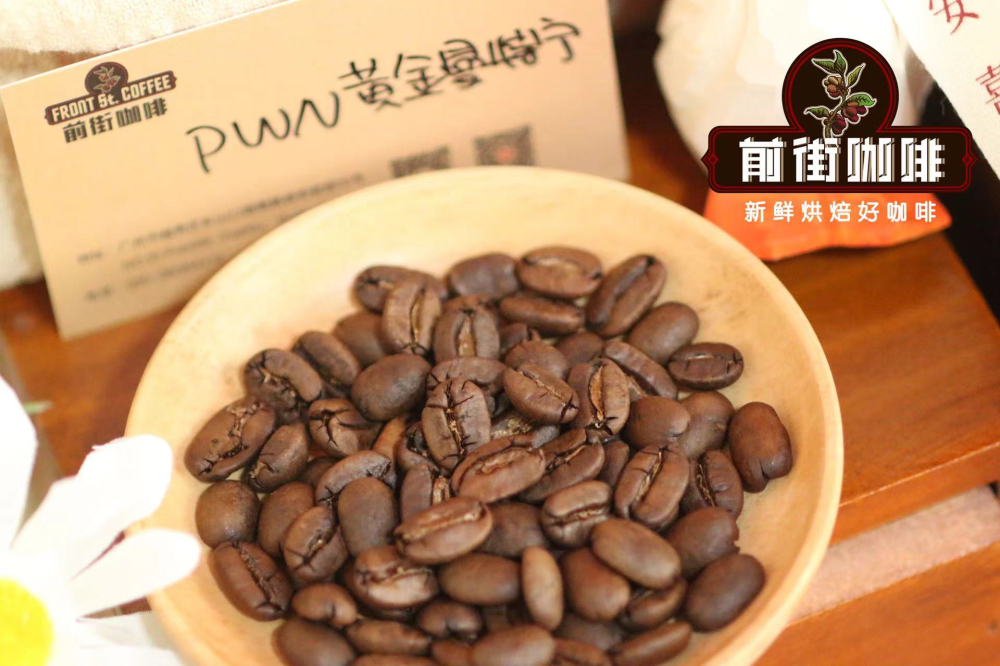
In summary, the key elements to brewing a great cup of coffee with a French press include: choosing medium to dark roast beans, using a coarse sugar-like grind size, maintaining a 1:15 coffee-to-water ratio, controlling the water temperature between 90 to 95°C, steeping for about 4 minutes, and pressing steadily. These parameters can be fine-tuned based on personal preference—for instance, those who prefer a stronger taste can slightly extend the steeping time or choose a darker roast.
It’s worth mentioning that besides brewing coffee, the French press also has a practical additional function—making milk foam. By pouring appropriately heated milk into the press and rapidly moving the plunger up and down, you can produce fine milk foam, perfect for pairing with coffee and adding more variety and enjoyment to your daily drinks.
The above content is compiled by CoffeeHunters, a coffee news website.


