







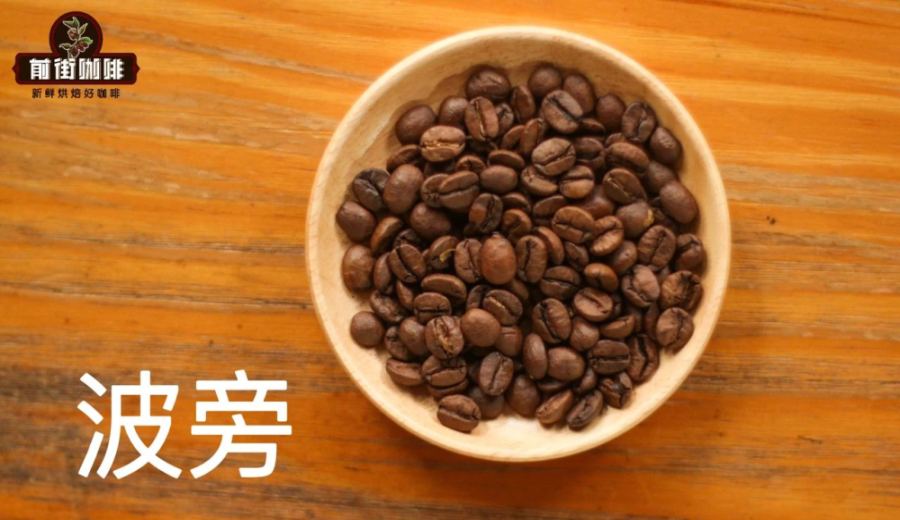
Introduction:As a classic variety within the Arabica family, Bourbon coffee originated on the island of Réunion and later evolved into diverse color variants under varying microclimates around the world, including red, yellow, orange, pink, and even striped Bourbons. This article will delve into the historical origins of the Bourbon series, the background of its varietal differentiation, analyze the cultivation characteristics and flavor profiles of different color series, and guide you through their actual performance after brewing. Whether you're a beginner or a coffee enthusiast, you'll gain a comprehensive variety guide and tasting reference.
Bourbon, one of the most representative and ancient varieties in Arabica coffee, dates back to the 18th century on the Bourbon Island in the Indian Ocean (now Réunion). This variety mutated from Typica and, alongside Typica, is one of the two oldest existing Arabica varieties, both belonging to the Bourbon–Typica group. As it spread from its place of origin, Bourbon gradually evolved into diverse strains under different altitudes and climatic environments. Among the most well-known are the color-named variants—red, yellow, orange, pink, and striped—distinguished by the color of their cherries when ripe.
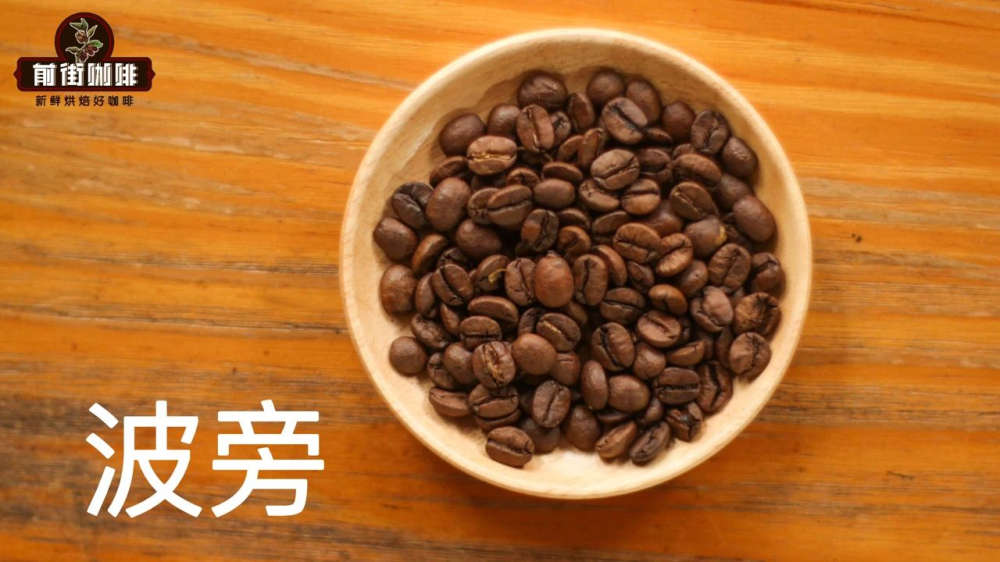
When it comes to Bourbon, the first thing that often catches the eye is its richly varied fruit colors—from the most common red Bourbon to the relatively rare yellow, orange, and even the scarce pink and striped Bourbons. Each color carries unique genetic mutations and stories of regional adaptation.
The origin of Bourbon is closely tied to French colonial history. Its name derives from the French colony in the Indian Ocean—Bourbon Island (now Réunion), which is about 680 kilometers from Madagascar. Starting in 1663, the French began settling there and introduced coffee seedlings from Yemen in the early 18th century. Under the local environment, these coffees gradually diverged from the original Typica variety, eventually forming what we now know as the Bourbon variety. Initially, French missionaries named it "French Mission Bourbon" and used this name to promote its cultivation in Africa and the Americas.
Between 1708 and 1718, the French made multiple attempts to introduce Yemeni coffee to Bourbon Island until it successfully took root. It wasn’t until the mid-19th century that the Bourbon variety was brought from the island to Africa and South America, particularly to the Campinas region of Brazil, where it gradually became one of the major varieties in Central and South America. Over time, although Bourbon has been replaced by descendant varieties such as Caturra, Catuai, and Mundo Novo in many regions, it can still be found in countries like El Salvador, Guatemala, Costa Rica, and Peru.
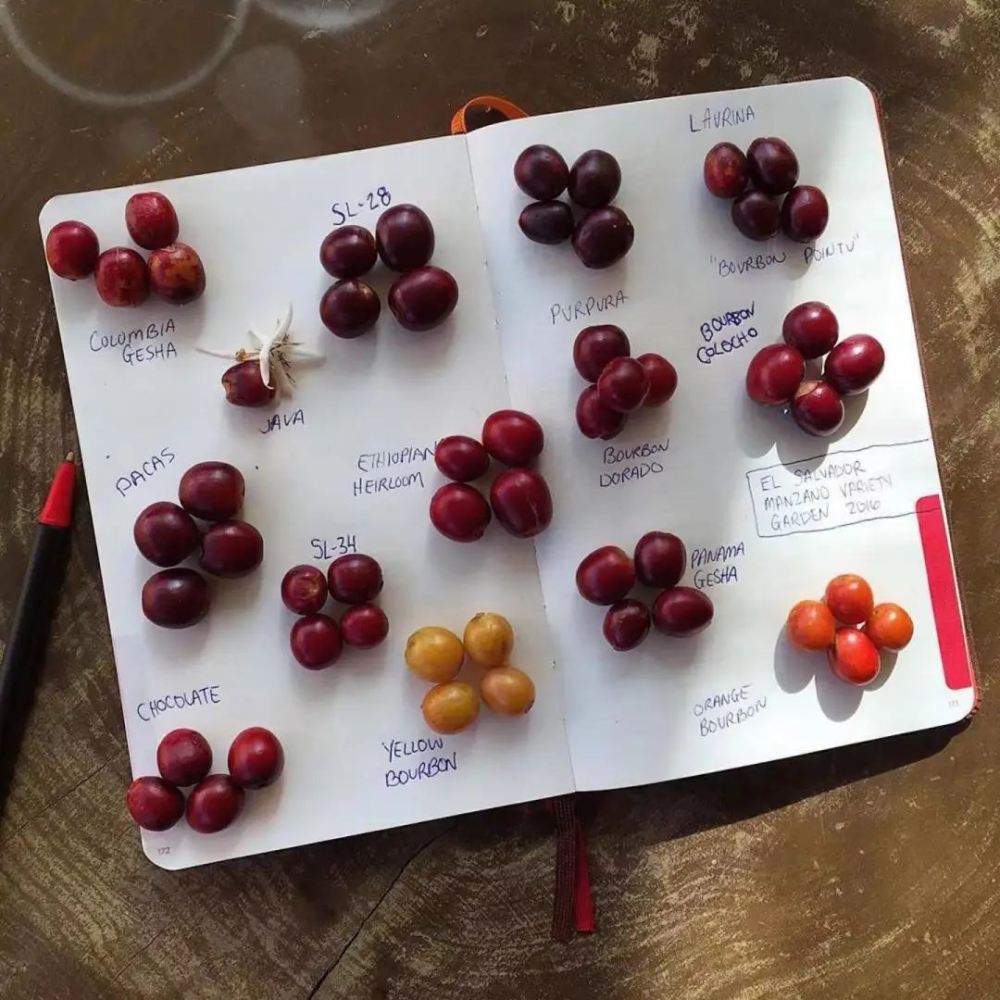
In Brazil, the introduction of the Bourbon variety occurred around 1860. At that time, to address the issues of low yield and weak disease resistance in the Typica variety, Bourbon—known for its higher productivity and good adaptability—became the primary replacement. Most of the Bourbon introduced from Réunion was the red fruit variant, which is what we now refer to as "red Bourbon." The cherries of red Bourbon turn from green to yellow, then orange, and finally deep red as they ripen. When grown at high altitudes, red Bourbon often exhibits superior aroma performance, bright acidity, and complex layers reminiscent of red wine.
Yellow Bourbon is a rather special member of the Bourbon family. It was first discovered in the 1930s on a red Bourbon farm in the state of São Paulo, Brazil. It is believed to have resulted from natural crossbreeding between red Bourbon and another variety (possibly Botucatu). The defining characteristic of yellow Bourbon is that its cherries do not turn red when ripe but instead display an attractive orange-yellow hue, hence the name. Due to its relatively low yield, weaker disease resistance, and shorter ripening period, it was not widely cultivated. However, in high-altitude environments, it can exhibit excellent sweetness and citrus notes. Its flavor profile is clear, with soft acidity and a lingering aftertaste of tropical fruits and honey. A well-known roaster’s Brazilian Queen coffee is one representation of yellow Bourbon, offering a balanced profile with notable sweetness, suitable for those who enjoy a combination of fruity and full-bodied flavors.
Orange Bourbon is another naturally mutated variant of the Bourbon family, with cherries that ripen to a warm orange color. This variety was first discovered in El Salvador and has become a choice for some specialty coffee farms due to its unique fruit color and relatively soft acidity. Orange Bourbon often features bright citrus and floral notes, making it suitable for those who prefer light acidity and complex aromas.
Pink Bourbon is an even rarer variety. Its cherries ripen to a cherry-like pink or peach color, hence the name. This variety is believed to be a hybrid of red and yellow Bourbons, but due to recessive color genes that are easily affected, consistently achieving a pure pink color is not easy—sometimes the cherries may even appear more orange. Pink Bourbon is currently grown in small quantities in Colombia and Guatemala. Its flavor profile typically includes delicate floral, citrus, and tomato-like notes. Even as the temperature drops, it maintains soft acidity, with a caramel-like sweetness in the aftertaste.
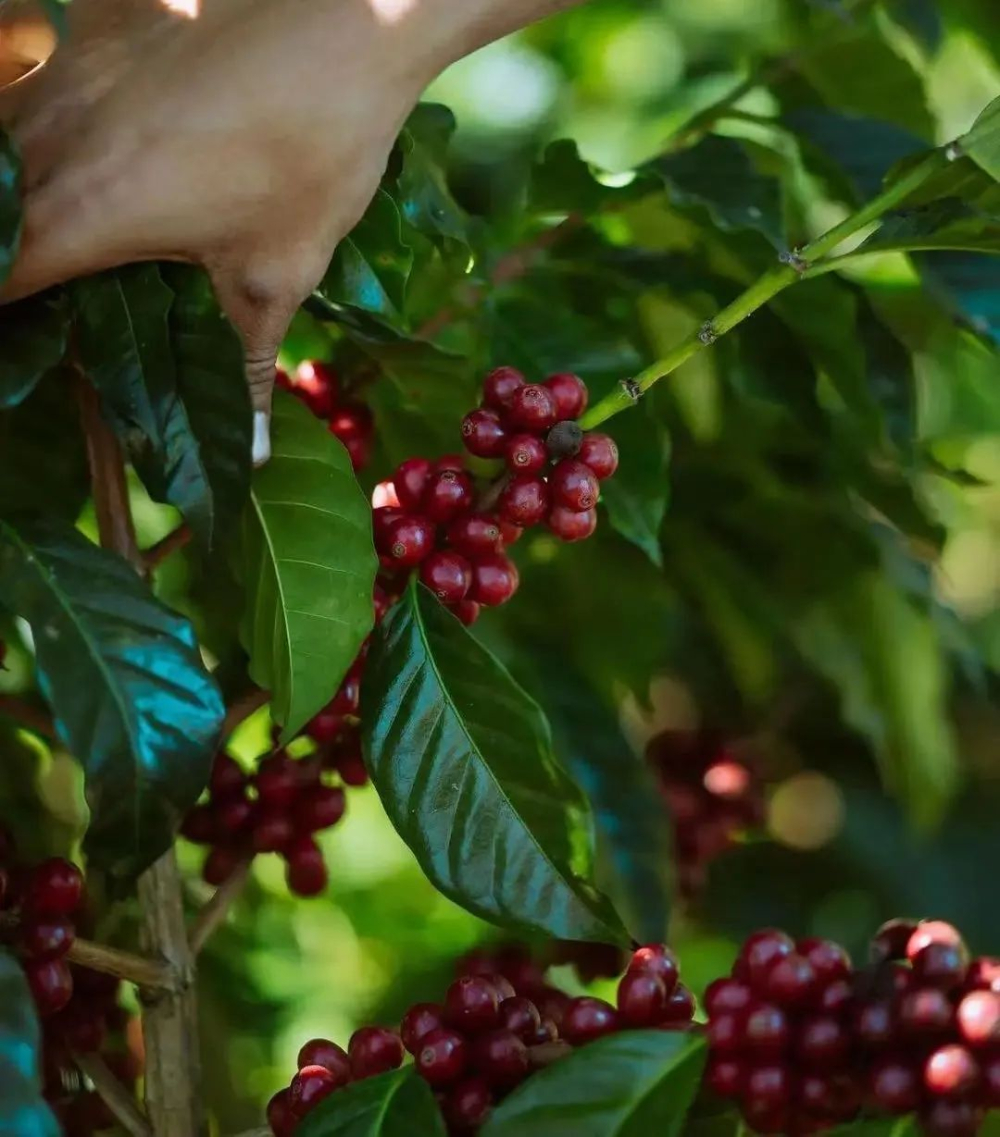
In addition to these color-renowned variants, the Bourbon family also includes some with unique morphological or pigment traits, such as Striped Bourbon. This variety was first discovered in the Huila region of Colombia and visually resembles a typical red Bourbon, but when the cherries ripen, they develop distinct yellow stripes on the skin, hence the name. Striped Bourbon is believed to be a natural mutation of Bourbon and was first identified in Colombia by Australia’s Project Origin team. It is not high-yielding, with relatively slender trees and sparse branches, but its flavor performance is highly distinctive—especially under light roasting, often exhibiting enticing aromas of berries and brown sugar.
Overall, Bourbon coffee is known for its complex yet balanced acidity, good sweetness, and diverse aromatic layers. Depending on the origin, its performance varies: for example, Bourbon from El Salvador may carry creamy and toffee-like sweetness, orange Bourbon shows brighter citrus and floral notes, yellow Bourbon is dominated by dried fruit and nut flavors, while African Bourbons often exhibit a vivid fruit flesh sensation and vibrancy.
Taking actual brewing performance as an example, red Bourbon often presents caramel texture, bright lemon acidity, and nutty and dark chocolate notes in the aftertaste, with an overall rounded and approachable flavor; yellow Bourbon showcases sugarcane-like sweetness, black tea notes, and soft fruit acidity, resulting in a fresh and delicate mouthfeel; pink Bourbon excels in floral and citrus tones, maintaining soft acidity despite temperature changes, with a warm caramel aftertaste. Whether you’re just starting out or a seasoned coffee connoisseur, the Bourbon series offers a rich and distinctly recognizable taste experience.
The above content is compiled by CoffeeHunters, a coffee news website.


