







Introduction:Panama Geisha and Jamaican Blue Mountain are both ultimate representatives in the world of coffee—expensive yet each with its own distinctive charm. Which one is more worth trying? This article delves into the growing conditions, grading systems, tasting profiles, and correct brewing methods of these two top-tier coffee beans, while also preserving classic recommendations for brewing Blue Mountain. It helps you find your own premium coffee experience with clarity.
In the hall of specialty coffee, Panama Geisha and Jamaican Blue Mountain are often seen as two peaks—one captivating a new generation of coffee drinkers with its bright fruity notes and unique floral aromas, the other winning the hearts of seasoned enthusiasts with its rich smoothness and lingering finish. Although both belong to the top tier of coffees, they differ greatly in origin, flavor profile, and market positioning, and their prices are equally steep. If you’re considering trying these two legendary coffees, it’s worth understanding their essential differences and optimal ways to enjoy them.
If you ask younger coffee drinkers about their idea of a top-tier coffee, most will unhesitatingly recommend Panama Geisha; whereas for many veteran coffee aficionados, Jamaican Blue Mountain is the eternal classic. What exactly sets these two types of beans apart? Since both are hailed as the “King of Coffee,” just how astonishing are their actual retail prices? Not only are the prices vastly different, but their growing conditions, evaluation standards, and brewing techniques also vary significantly—details that will directly affect your final tasting experience.
Jamaican Blue Mountain: Ultimate Purity Under High Altitude and Strict Grading
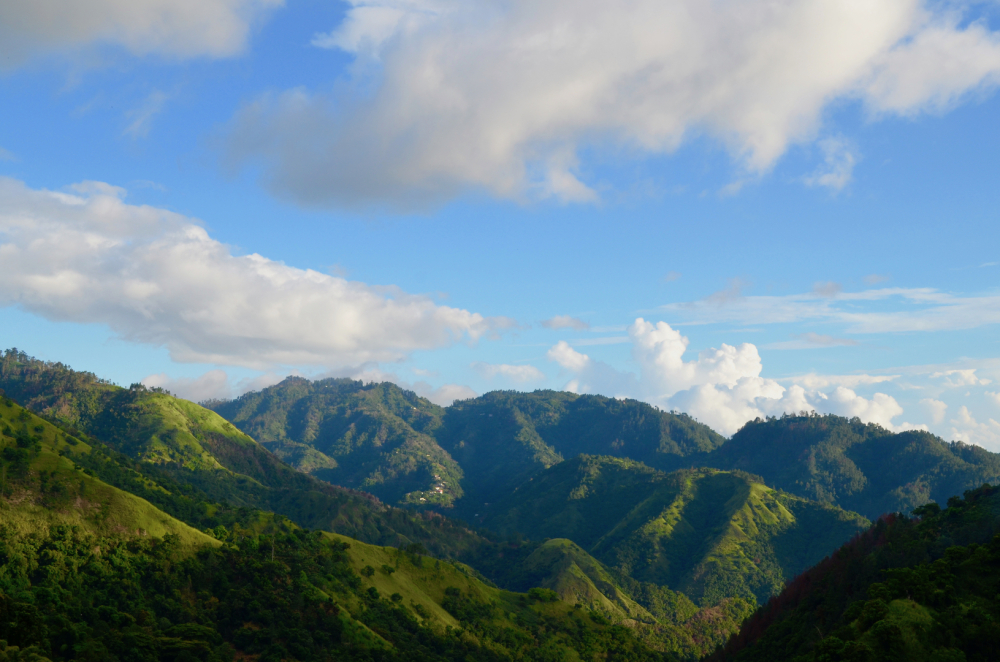
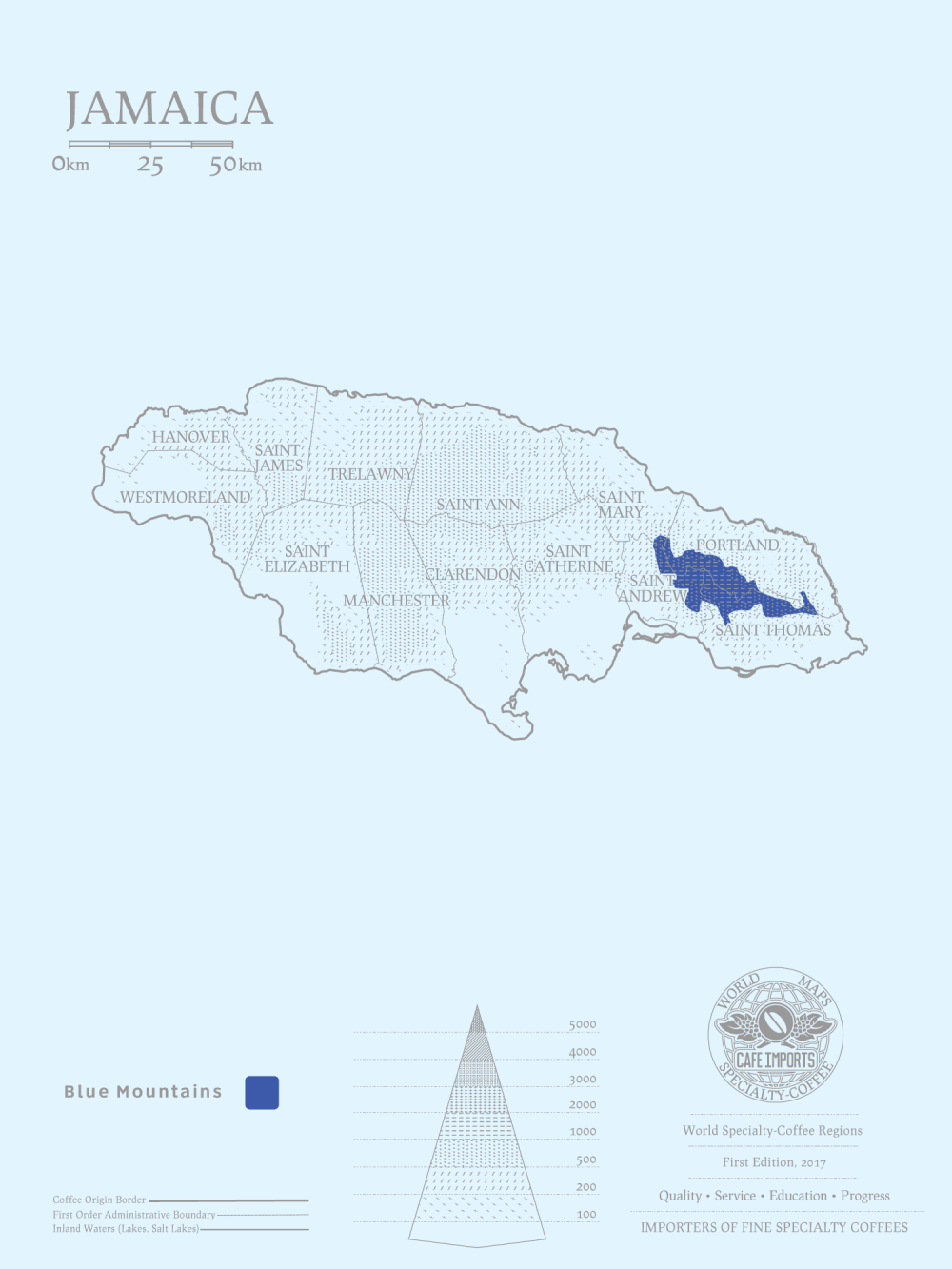
When it comes to Blue Mountain coffee, many people’s first impression is “noble” and “expensive.” This coffee is grown only in the regions surrounding the Blue Mountains in eastern Jamaica, an area named for the blue haze that the sun casts over the mountain ridges. The altitude in the Blue Mountain region generally exceeds 1,000 meters, with the most suitable coffee-growing areas primarily between 1,000 and 1,700 meters. Due to the Jamaican government’s protective policies, no cultivation is permitted above 1,700 meters, and the highland climate—cool, misty, and with abundant rainfall—creates a truly unique coffee flavor.
Not all coffee from the region can be labeled as Blue Mountain. It must meet strict geographical and altitude criteria. Officially, local coffee is divided into three main categories: Jamaican Blue Mountain coffee, Jamaican High Mountain coffee, and Jamaican Prime coffee. Among these, only beans grown at altitudes above 1,000 meters in the Blue Mountain region can be labeled as “Jamaican Blue Mountain coffee,” and are further subdivided into Blue Mountain No. 1, No. 2, No. 3, and Peaberry based on bean size and defect rate. Among them,Blue Mountain No. 1 green beans must have a size of 17/18 mesh and a defect rate below 3%, making it the crème de la crème, produced in limited quantities, and naturally commanding a high price.
It’s worth noting that many products on the market that claim to have a “Blue Mountain flavor” or are “Blue Mountain blends” often do not use beans actually from the Blue Mountain region. Some merchants, in pursuit of a similar taste profile, may use beans from other regions and apply dark roasting—but such products are far from authentic Blue Mountain. Genuine Blue Mountain No. 1 beans are exported with certificates of origin and barrel markings, such as the Rainforest Alliance-certified green frog label. Consumers should ask merchants for relevant documentation to verify authenticity when purchasing.
Recommended by a well-known coffee brand: Medium-dark roast and pour over method
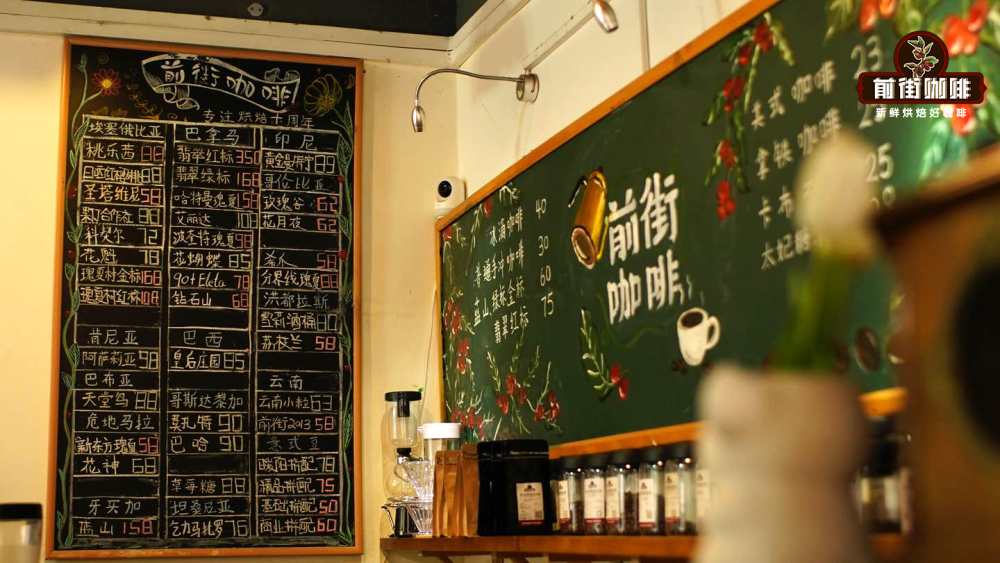
The Blue Mountain No. 1 beans supplied by a well-known coffee brand come from the Clifton Estate, located near Catherine’s Peak, boasting a rich environment of pristine forests and adhering to chemical fertilizer- and pesticide-free practices, certified by the Rainforest Alliance to ensure eco-friendly cultivation. For roasting, to restore the classic rich yet sweet-and-acid-balanced flavor of Blue Mountain coffee, the brand opts for a medium-dark roast and recommends using a hot pour over method for extraction. This not only highlights its delicate layers but also allows you to experience the charm of this classic coffee at a reasonable price (about 60 yuan per cup).
Panama Geisha: The Rare Variety and the King of the Auction Market
If Blue Mountain is a symbol of classic coffee, then Geisha is the dazzling rising star of modern specialty coffee. Since its meteoric rise to fame at the Best of Panama (BOP) competition in Panama in 2004, Geisha has quickly become the dream coffee for enthusiasts. But its rarity is not solely due to its flavor—it’s also tied to its dramatic history and rare genetic background. The Geisha variety can be traced back to 1931, when it was collected by a British botanist near the Gesha Mountain in Ethiopia’s Kaffa Forest region. After being cultivated and circulated in multiple locations, it was rediscovered in 2004 at Panama’s Hacienda La Esmeralda, where it revealed astonishing potential.
Geisha’s high price is not only driven by the auction market, which often pushes its cost to 6–10 times that of regular coffee, but also by its unique flavor profile: a blend of citrus, tea-like notes, floral aromas, and honey-like sweetness, with bright acidity that’s not overly sharp and a long-lasting finish. All of this stems from its special genetics and high-altitude growing environment, resulting in an extraordinary sensory experience.
The Value of Geisha and the Correct Way to Enjoy It
Geisha’s high price is not just due to market hype—it’s also a result of its scarce variety, limited production, and the price inflation caused by the auction system. For the average consumer looking to try Geisha, a common approach is to choose regular (non-auction) batches. While still pricey, this allows you to enjoy its unique flavors at a relatively more reasonable budget. It’s recommended to present its floral and fruity characteristics through a medium-light roast, paired with pour over or filter brewing methods, which can fully unlock its refreshing layers.
In summary, Blue Mountain coffee is known for its historical status, strict grading, and rich yet balanced flavor, making it ideal for those who prefer traditional, steady profiles; whereas Geisha attracts trend-seeking and adventurous drinkers with its rarity, fruity-floral aromas, and auction-driven prestige. No matter which one you choose, understanding its origin, proper grading, and brewing recommendations are essential steps to savoring a top-tier coffee.
The above content is compiled by CoffeeHunters, a coffee news website.


