








Introduction:Want to learn how to make a rich and smooth cold drip coffee without bitterness at home? This article delves into the extraction principles of cold drip coffee, introduces the structure and usage tips of the cold drip brewer, and shares key parameters such as coffee-to-water ratio, grind size, and flow rate settings. It also recommends types of coffee beans suitable for cold drip based on different flavor profiles, helping you create your own personalized cold drip coffee experience according to your preferences and equipment.
Cold drip coffee is a brewing method where ice water drips slowly and steadily onto coffee grounds, extracting flavors at low temperatures over an extended period. Due to the lower temperature, it effectively suppresses the release of bitter compounds in coffee while fully extracting its sweetness and complex aromas. Compared to hot water extraction, cold drip coffee offers a smoother, more refreshing taste with a subtle wine-like note, making it especially enjoyable in the hot summer months.

So-called cold drip coffee is actually produced by dripping ice water drop by drop in a normal-pressure environment to extract the essence of coffee. The low-temperature environment preserves more flavor compounds, and the slow drip rate actually improves overall extraction efficiency, resulting in a rich yet non-bitter final coffee liquid. If you choose coffee beans with special fermentation or fruity notes, their layers can be further highlighted, and adding ice enhances the refreshing sensation even more.
Cold drip coffee falls under the broad category of Dutch Coffee, evolving from traditional cold brew methods. Another common low-temperature extraction method—cold brew coffee—involves steeping coffee grounds with ice water for 12 to 24 hours, then filtering out the grounds. Although the extraction methods differ slightly, both emphasize low-temperature and long-duration extraction characteristics and are categorized under Dutch Coffee.
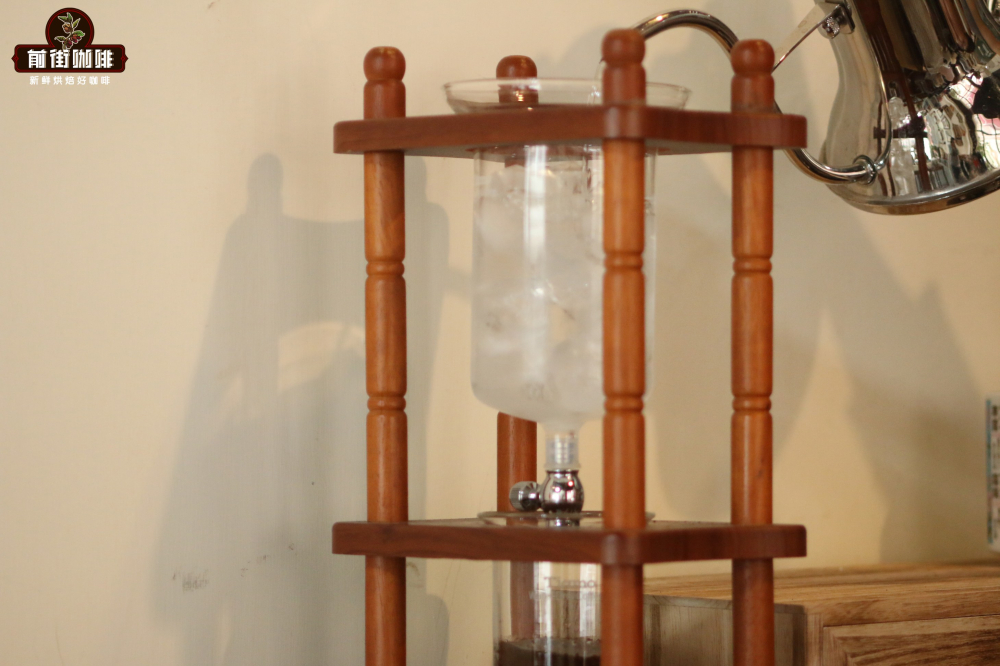
The structure of a cold drip brewer can generally be divided into four main parts: the upper chamber, valve, coffee grounds chamber, and lower chamber. Though appearances vary, the basic principle remains the same. The upper chamber holds the ice water mixture, with an adjustable valve at the bottom that controls the frequency of water droplets. The middle coffee grounds chamber contains the ground coffee, with holes at the bottom allowing the extracted coffee liquid to drip into the lower chamber, which is dedicated to collecting the final coffee liquid.
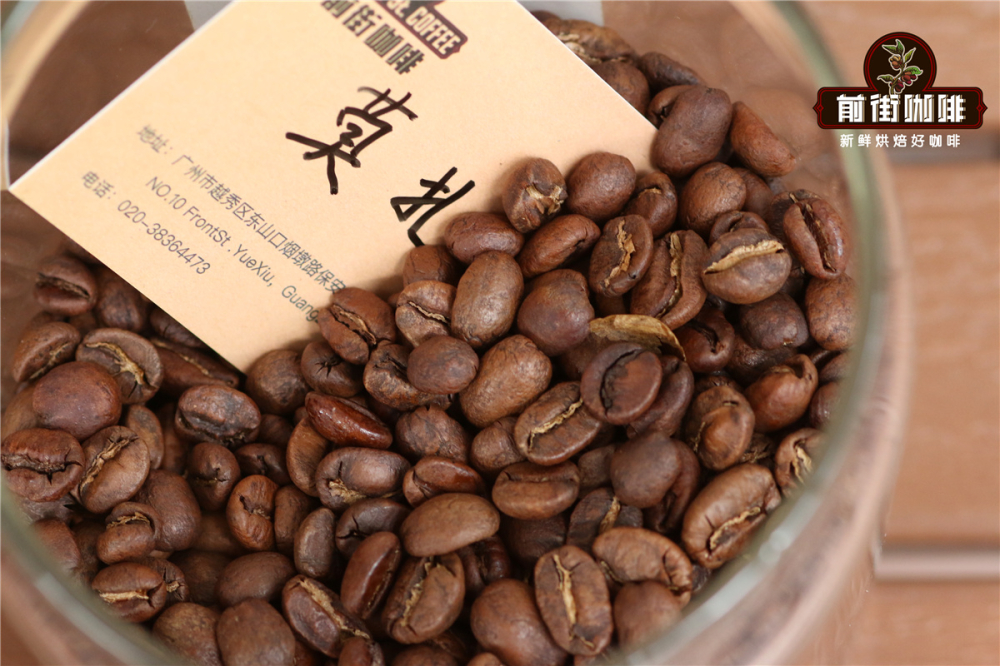
Taking the Costa Rica Mozart coffee as an example, this bean uses a raisin anaerobic honey process and has intense raisin, osmanthus, and fruit fermentation aromas, making it highly suitable for showcasing the flavor transformation during the cold drip process. In practice, it is recommended to use a grind size with an 85% passing rate through a Chinese No. 20 sieve—or roughly equivalent to a 9-setting fineness on an ek-43s grinder—to balance extraction efficiency in a low-temperature environment.
The generally recommended coffee-to-water ratio is 1:10, meaning 60 grams of coffee grounds are used to extract 600 grams of coffee liquid, with a 1:1 ratio of ice to water for preparation. For flow rate control, adjust the valve so that 7 drops fall every 10 seconds, with the total extraction time typically ranging between 6 to 8 hours. The ratio can also be fine-tuned to 1:12 based on personal taste. When operating, start by placing a round filter paper at the bottom of the coffee grounds chamber, evenly add the ground coffee, then cover with another layer of filter paper to prevent the water flow from dispersing the coffee bed. Pre-wetting the coffee bed with cold water helps initiate even extraction. Next, secure the coffee grounds chamber onto the stand, pour in the ice water mixture (recommend a 1:1 ice-to-water ratio), adjust the flow rate to 7 drops per 10 seconds, and ensure the drip point aligns with the coffee liquid outlet. After extraction is complete, pour the coffee liquid from the lower chamber into a sealed container, refrigerate for at least 12 hours for a more concentrated flavor.
There is great flexibility in choosing coffee beans for cold drip. If you prefer intense fermentation and fruity notes, you can opt for anaerobically processed beans like Mozart, which showcase deep berry, osmanthus, and wine-like flavors—especially suitable for those who enjoy a bold taste profile.
If you like a clean and bright acidity, washed-process beans such as Kenya Little Tomato, Ethiopia Guji Dungi, or Panama Geisha can deliver a juice-like, refreshing sweet-tart flavor, perfect for summer drinking. Additionally, dark-roasted beans like Indonesia Golden Mandheling or Brazil Queen Estate, when extracted via cold drip, can actually highlight rich chocolate and nutty sweetness—not bitter at all, but with a smooth, buttery mouthfeel.
For readers who enjoy complex flavors, you can also try blending two or more complementary beans. For example, combining Mozart with Red Cherry, Sidamo with Kenya, or Big Belly Button with Geisha can all create layered and balanced taste profiles.
It’s important to note that no matter which type of coffee bean you choose, freshness is key to flavor performance. It’s recommended to use beans roasted within five days for optimal extraction and flavor expression.
The above content is compiled by CoffeeHunters, a coffee news website.


