







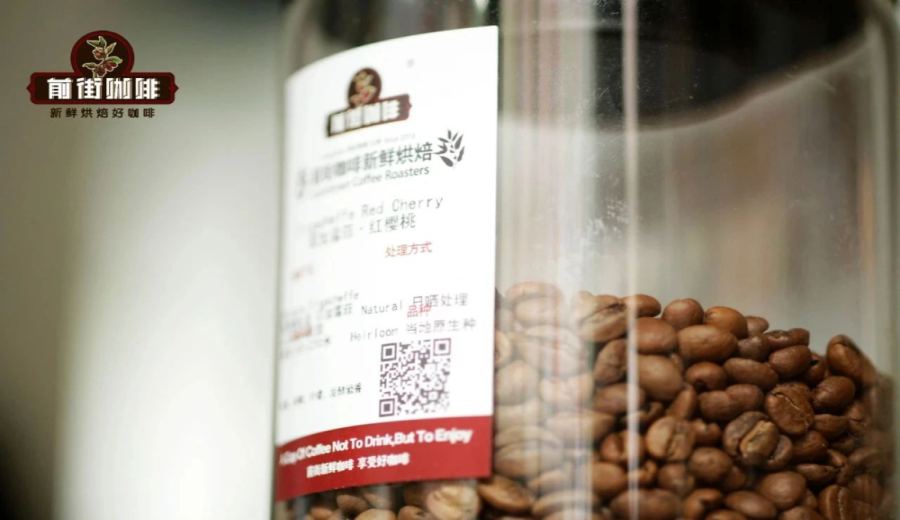
Introduction:Have you ever felt puzzled when seeing the labels "Heirloom" or "Landrace" on Ethiopian coffee bean packaging? Though these two terms may seem similar, they actually represent different cultivation backgrounds and variety characteristics. This article will delve into Ethiopia’s traditional coffee farming system, clarify the differences between Heirloom and Landrace, and show you how JARC identifies local varieties—and why more and more consumers are gravitating toward coffees with regional character.
When selecting Ethiopian coffee beans, you’ve likely noticed the label "Heirloom" on many bags. This term is often translated as "heirloom" or "native variety," and generally refers to a blend of multiple coffee varieties. However, in recent years, another term—“Landrace”—has started appearing on more coffee packaging. What’s the difference between it and Heirloom? Is it just another way of referring to the same type of coffee, or does it denote a clearly distinct variety? This article will begin with Ethiopia’s traditional farming model, explore the mixed-harvest nature of Heirloom, then introduce how JARC (Jimma Agricultural Research Center) identifies and classifies landrace varieties, and explain why the international market is increasingly valuing these regionally distinctive coffees.
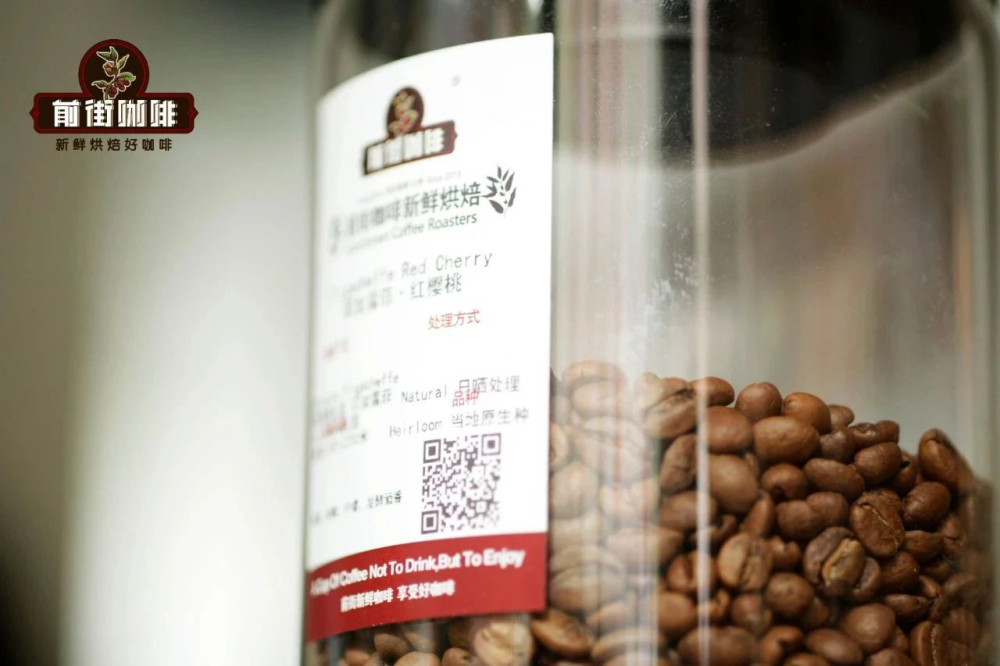
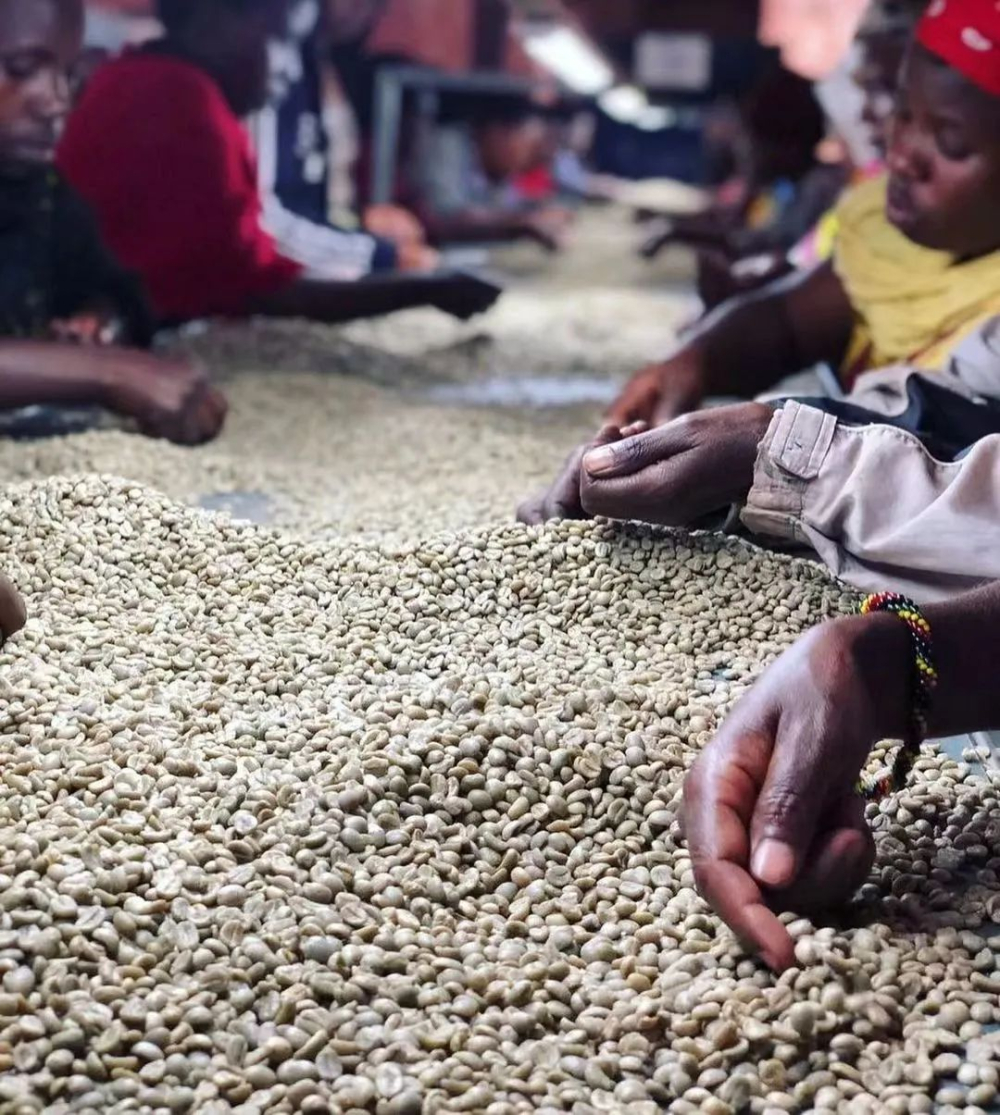
When you see Ethiopian coffee labeled as “Heirloom” online or in cafes, it usually means that the batch consists of beans harvested around the same time by multiple smallholder farmers from the same region. These beans may come from different varieties—even the farmers themselves might not be able to distinguish them precisely—because they are often unnamed, locally grown varieties that have never been systematically categorized. These plants may come from seed exchanges among neighbors, old trees left by previous generations of farmers, or varieties introduced from other regions, which have grown locally over time and adapted to the environment.
Because Heirloom isn’t a single variety but rather a mix of various coffee trees, each batch can differ in bean size, shape, and flavor profile. This kind of “blended batch” is extremely common in Ethiopia, especially for washed or natural processed beans from major regions such as Yirgacheffe, Sidamo, and Kaffa. Popular offerings like Gedeb Cooperative, Red Cherry, Worka, Kaffa Forest, Konga, and Kochere almost always list their variety as “Heirloom.”
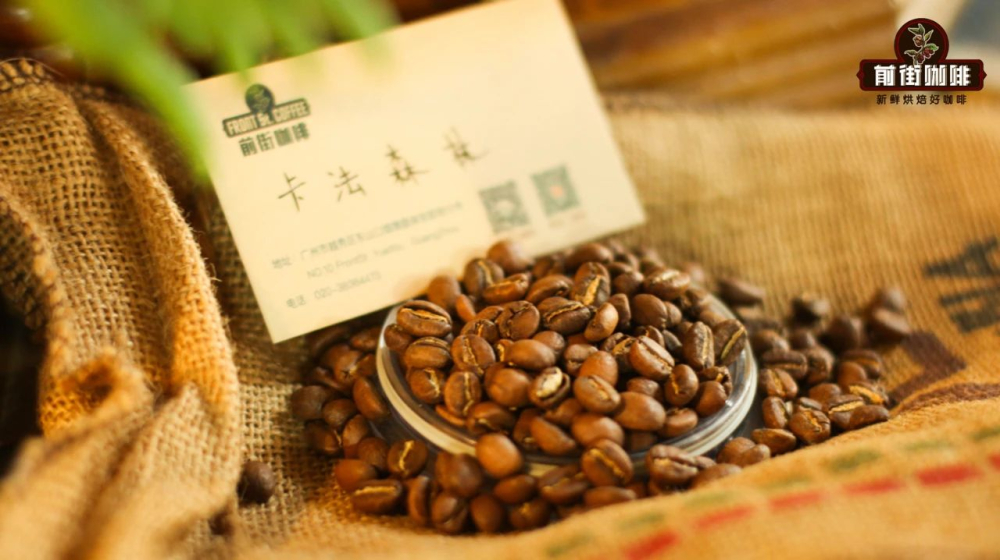
Take Kaffa Forest as an example. This region is located in Ethiopia’s cloud forest zone and is globally recognized as one of the coffee gene banks. Not only is Kaffa Forest considered one of the legendary birthplaces of coffee, but its biosphere reserve also boasts rich plant biodiversity. Some commercial coffees even refer to beans produced here as “Kaffa Forest Geisha,” though they are completely different from Panama’s famous Geisha variety (T2772). Panamanian Geisha is known for its slender beans, floral and fruity aromas, and bright acidity, whereas Kaffa Forest coffee tends to showcase the delicate floral and fruity notes nurtured by its high-altitude environment, making it ideal for light roasting to highlight its fresh characteristics.
It’s worth noting that many coffee trees that perform well in the field—due to their adaptability to the local climate, strong disease resistance, and stable flavor profiles—are gradually selected and propagated by farmers. Over years of natural hybridization and manual selection, these coffee varieties have developed into groups with distinct regional traits, which we now call “Landrace (local varieties).” These types usually possess clear adaptability and agronomic characteristics, representing coffees that are truly rooted in their local terroir.
However, from a botanical classification standpoint, Landrace is not a strictly defined variety name. It more represents a group of coffee plants within a specific area that have gradually stabilized through both natural and human selection. Though these local varieties share some common traits, the lack of unified genetic identification and naming systems has led to them being broadly categorized as Heirloom in the past. In fact, JARC (Jimma Agricultural Research Center) has successfully identified several coffee types belonging to local varieties in recent years, such as Kurume, Wolishao, and Dega in the south, as well as Choche, Sardo Buna, and Bedessa in the west and southwest.
In the past, due to the absence of official classification and records, many local varieties were often mixed into large Heirloom batches after harvest and processed and exported together. But as the specialty coffee market places greater emphasis on “regional character” and “unique flavor profiles,” more and more international green coffee buyers are focusing on these representative local varieties, attempting to cultivate and harvest them either as single varieties or in small plots to preserve their unique flavor fingerprints. For consumers, this not only gives us the chance to enjoy purer regional flavors but also enables coffee producers to achieve better economic returns by distinguishing varieties—further encouraging the conservation and cultivation of local varieties.
The above content is compiled by CoffeeHunters, a coffee news website.


