








Introduction:Brazil is the world’s largest coffee-producing country, renowned for its low acidity, rich nutty, and chocolatey flavor profiles, making it especially popular among those who prefer less acidic coffee. This article delves into the flavor characteristics of Brazil’s major coffee-growing regions, introducing two classic single-origin beans — the Yellow Bourbon from Fazenda Rainha in Mogiana and the Red Bourbon from Cerrado — providing a comprehensive guide to their origins, varieties, processing methods, pour over parameters, and flavor profiles to help with both selection and brewing.
As the world’s top coffee producer, Brazil not only supplies a large volume of commercial beans but also produces many high-quality specialty coffees. Its beans generally feature low acidity, a full body, and pronounced nutty and chocolatey notes, making them ideal for coffee lovers who dislike sour or astringent flavors and prefer richer taste profiles. This article will begin with the geographical background and historical roots of Brazilian coffee, guiding you through its growing environments and variety characteristics, while focusing on analyzing two specialty beans from different regions — the Yellow Bourbon from Fazenda Rainha and the Red Bourbon from Cerrado — offering detailed brewing recommendations and flavor comparisons to help you better appreciate the unique charm of Brazilian coffee.

Located in eastern South America and spanning multiple latitudinal zones from 5°N to 35°S, Brazil is bordered by the Atlantic Ocean to the east and Colombia to the northwest. Its terrain can be divided into two main areas: the Brazilian Highlands and the Amazon Plain. The highland regions are mostly above 500 meters in elevation, with a relatively cool climate that is well-suited for coffee cultivation, whereas the plains are dominated by tropical rainforests and feature lower elevations. Overall, most of Brazil has a tropical climate with an average annual temperature between 16°C and 28°C, providing an excellent environment for coffee tree growth.
When discussing the history of Brazilian coffee, one cannot overlook an interesting origin story. It is said that in 1727, Portuguese Captain Francisco de Mello Palheta was sent to French Guiana to mediate a dispute and was gifted coffee seedlings (or seeds). Upon returning to Brazil, he planted them in the state of Pará, marking the beginning of Brazil’s coffee cultivation history. Subsequently, coffee cultivation gradually expanded to densely populated and climatically suitable regions such as São Paulo and Minas Gerais. By 1845, Brazil’s coffee production accounted for 45% of the global market, solidifying its status as the coffee kingdom of the world.
Coffee in Brazil is generally grown at altitudes ranging from 400 to 1600 meters. Compared to high-altitude regions in Central America, Brazil’s overall altitude is lower, and its terrain is relatively flat, lacking distinct microclimates. In addition, most coffee farms use sun-grown cultivation methods, allowing coffee cherries to ripen quickly under abundant sunlight, which results in Brazilian coffee beans that tend to be softer in texture and lower in density. The flavor profile typically showcases low acidity, rich nuttiness, and sweet chocolate notes, along with a full body, occasionally accompanied by subtle woody or earthy tones, but with less pronounced floral or citrus aromas. This is also why Brazilian beans are often recommended to those who do not enjoy acidic coffee.
In terms of varieties, Brazil cultivates various Arabica types, primarily Red Bourbon, Yellow Bourbon, Mundo Novo, and Catuai, along with other varieties such as Caturra, Acaia, and Bourbon Pointu. These varieties have adapted well to Brazil’s environment, and thanks to the country’s mature cultivation and processing techniques, Brazil is able to produce not only large quantities of commercial beans but also many specialty coffees with unique flavor profiles. It is worth mentioning that Brazil was also one of the first countries in the world to develop a semi-washed processing method suited to its local conditions.
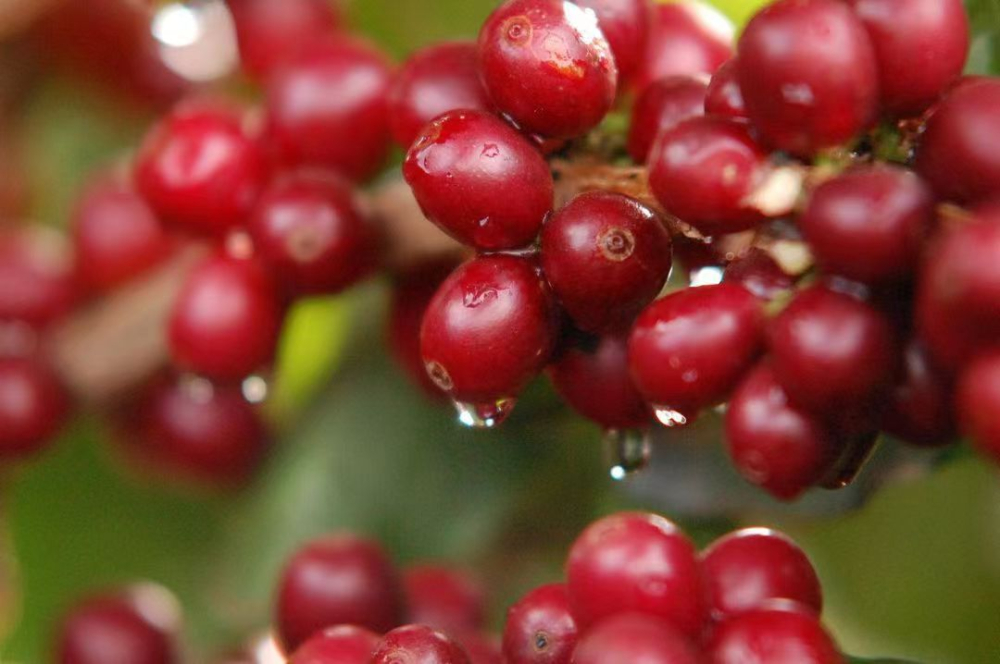
Traditionally, Brazilian coffee processing mainly used the natural (sun-dried) method, but to improve quality and consistency, the semi-washed process was gradually developed after the 1990s. This method involves first using water tanks to remove floaters and defective beans, then removing the skin, pulp, and part of the mucilage, followed by a short fermentation period in water (about 1 hour), and finally drying the beans with some mucilage still attached. Compared to traditional washed processing, the semi-washed method significantly reduces water usage while also lowering the risks of over-fermentation and mold, shortening drying time, and preserving more sweetness and body. It is well-suited to Brazil’s low-altitude, high-temperature environment.
Brazil has 21 states, 17 of which grow coffee, but the top seven producing regions account for 98% of the country’s total output. These major regions include Mogiana and Centro-Oeste in the state of São Paulo, Cerrado Mineiro in Minas Gerais, Cerrado and Planalto in Bahia, Montanhas in Espírito Santo, as well as Rondônia and Rio de Janeiro. Each region exhibits distinct flavor characteristics due to differences in terrain, altitude, and climate.
First up is the Yellow Bourbon from Fazenda Rainha in the Mogiana region of São Paulo. This region is situated on a plateau, with altitudes ranging from 1400 to 1950 meters, characterized by a landscape of rolling hills and vegetation, where coffee trees are often planted among shrubs and grasslands. The area is home to both traditional large-scale farms and modern smallholder estates, blending modern technology with traditional farming culture to produce coffee beans of outstanding quality and rich flavor complexity. The Yellow Bourbon grown at Fazenda Rainha is processed using the natural method, fully showcasing the richness and sweetness typical of Brazil’s high-altitude regions.
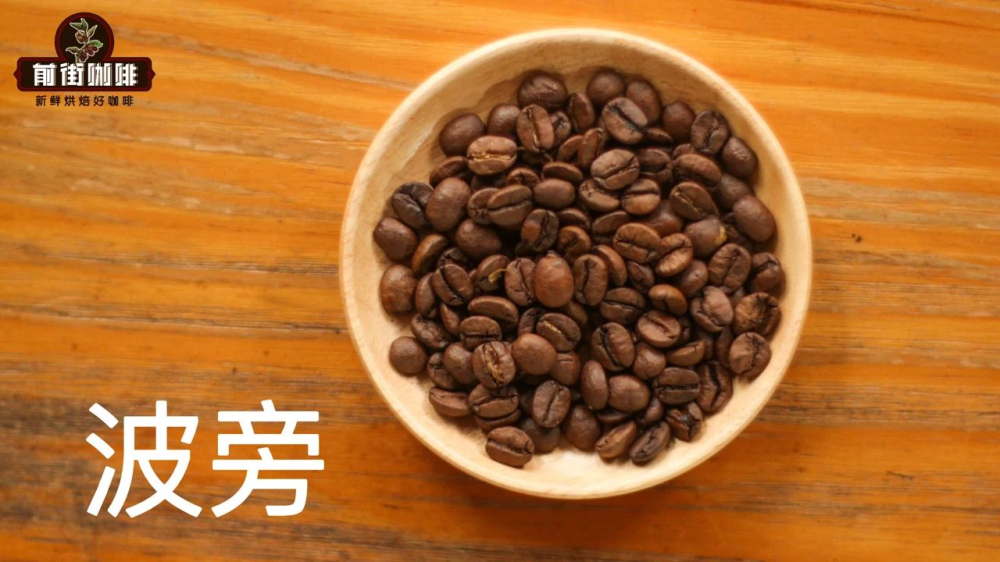
The other specialty bean is the Red Bourbon from the Cerrado region in Minas Gerais. Also known as Cerrado Mineiro, this is one of Brazil’s important specialty coffee regions, celebrated for its plateau climate and stable weather, with almost no rainfall during harvest season — ideal conditions for the ripening and picking of coffee cherries. This area is dominated by large, modern farms that employ high-tech equipment and management techniques, using the semi-washed processing method to preserve rich chocolate notes and a consistently full body, making it suitable for coffee lovers who enjoy intense yet balanced flavors.
For brewing recommendations, a medium-fine grind (such as 80% extraction through a 20-mesh sieve by Chinese standards) is advised, paired with a Kono filter. Use a 1:15 coffee-to-water ratio, control the water temperature at 88°C, and use about 15 grams of coffee. The Kono filter, with its unique rib design and low permeability, effectively prolongs the contact time between water and coffee grounds, extracting more body and richness — particularly suitable for Brazilian beans with darker roasts aiming for a fuller mouthfeel. When brewing, start with a 30-second bloom using 30 grams of water, then pour in small circles until reaching 125 grams for the first pour. After the water level drops, continue pouring to 225 grams, with a total brew time of about 2 minutes. This method balances sweetness, body, and clarity of flavor, making it ideal for both Fazenda Rainha and Cerrado beans.
In terms of overall flavor profile, the Yellow Bourbon from Fazenda Rainha offers a cleaner taste with distinct layers, leaning towards caramel sweetness with noticeable nutty and subtle chocolate notes. On the other hand, the Red Bourbon from Cerrado delivers a rounder, more velvety profile, with stable and enduring chocolate tones, a full body, and smooth mouthfeel — perfect for those who prefer intense yet well-balanced flavors. Both beans fully represent the classic characteristics of Brazilian coffee and are excellent choices for both beginners and enthusiasts looking to explore the flavors of Brazil’s coffee regions.
The above content is compiled by CoffeeHunters, a coffee news website.


