







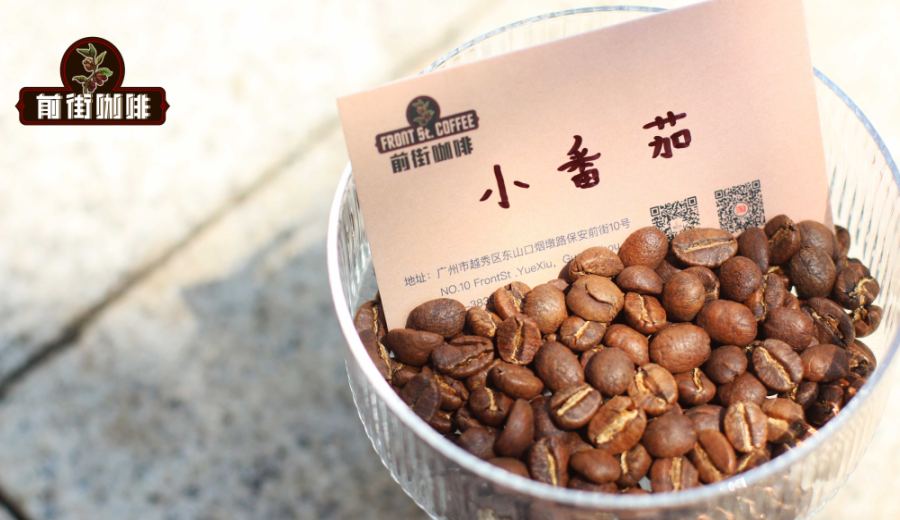
Introduction:Kenyan coffee is globally renowned in the specialty coffee scene for its bright acidity and complex layers. Even Japanese consumers, who typically prefer bold and rich flavors, praise its dark roast versions. This article will delve into the origins of Kenyan coffee’s acidity, from its cultivation background and the characteristics of the K72 washed processing method, to how precise parameters in pour over brewing can preserve a balance between vibrant acidity and body — guiding you step-by-step to master the key points of brewing.
When it comes to specialty coffee, Kenyan coffee is often regarded as a benchmark due to its unique acidity. This acidity is vivid and structured, even winning favor among the Japanese market, which tends to favor heavier profiles, especially in its dark roast form. But why can Kenyan coffee exhibit such distinctive and recognizable acidity? The answer lies in its cultivation history, soil conditions, grading system, and most notably, its iconic K72 washed processing method.
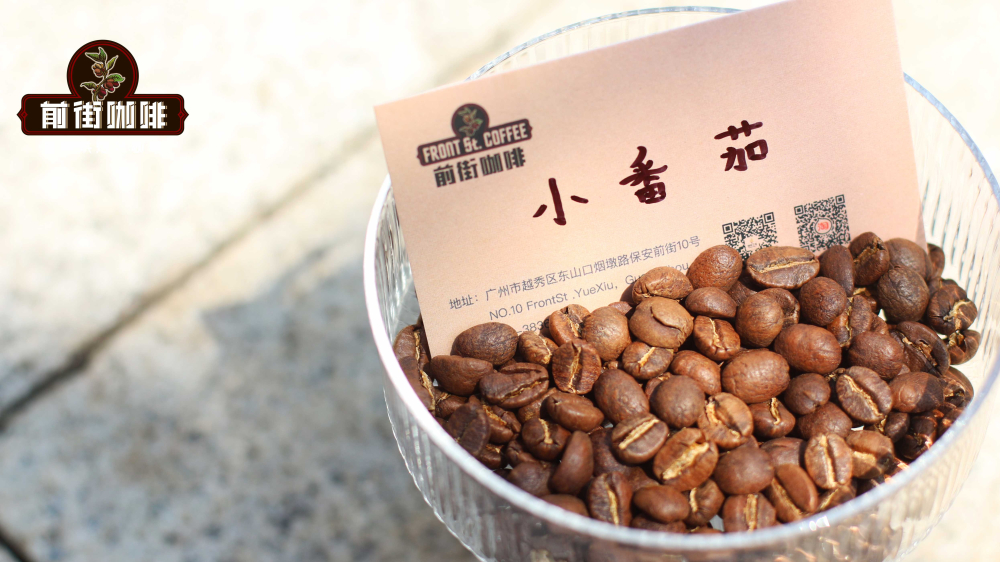
The history of coffee cultivation in Kenya spans only about a century, originating during the British colonial period. At that time, led by the Scott Laboratories, various coffee varieties from across the country and neighboring regions were collected and systematically screened. Eventually, two varieties — SL28 and SL34 — were selected for nationwide promotion. These two varieties not only adapted well to Kenya’s high-altitude environment but also possessed the potential to produce bright acidity and complex flavors, laying a crucial foundation for the flavor profile of Kenyan coffee.
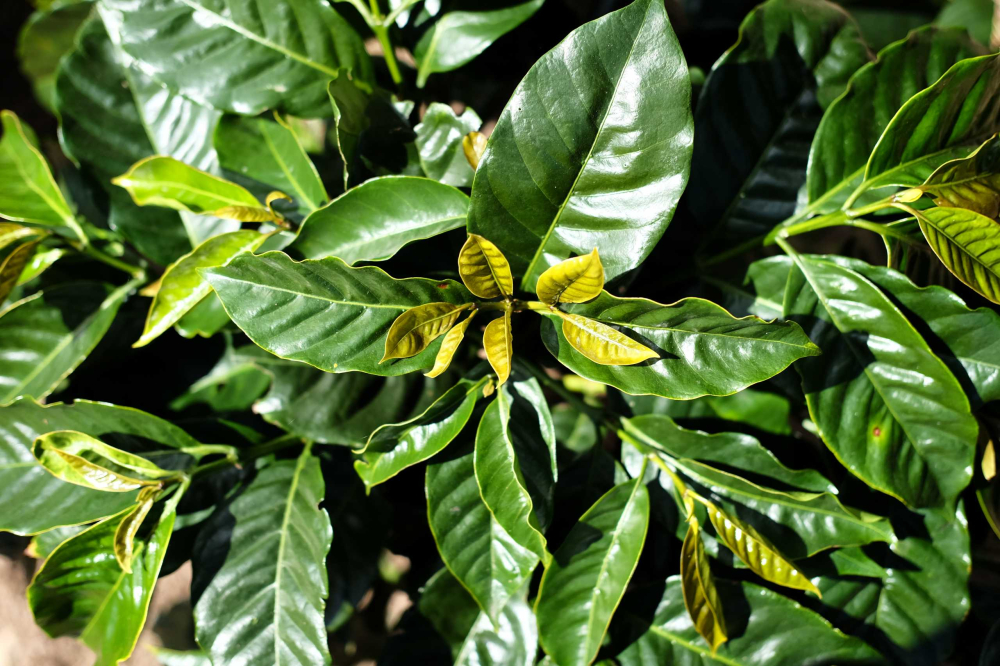
In addition, Kenya’s red soil, rich in iron and minerals, provides ideal growing conditions for coffee trees, aiding in nutrient absorption and the accumulation of flavor compounds. However, with the end of the colonial era, Kenya transitioned from a state-run plantation model to one dominated by smallholder farmers. Although the scale is smaller, through rigorous quality control and a grading system, it has maintained a high standard of green bean quality.
Kenyan coffee grading is primarily based on bean size, with common grades including AA, AB, and PB. Among them, Grade AA consists of the largest beans (17–18 mesh), typically offering the richest flavors and acidity; Grade AB (15–16 mesh) is the most widely traded grade in the market; PB refers to peaberry beans, which are rare and occasionally exhibit more concentrated aromatic profiles. This scientific grading system helps ensure that different grades of coffee can be accurately evaluated and traded in the market.

As for the unforgettable acidity of Kenyan coffee, one of the keys lies in its unique washed processing method — the K72 washed process. Compared to typical washed processing that involves soaking for only 12 to 48 hours, Kenya’s K72 method allows the coffee cherries to ferment in tanks for up to 72 hours. This extended fermentation process helps to more thoroughly remove the mucilage layer while bringing out sharper and more layered acidity, yet without sacrificing sweetness or the balance of fruit notes.
This processing method gives rise to the common acidity profiles found in Kenyan coffee, such as the fresh acidity reminiscent of tomatoes, the deep fruit acidity akin to black plums or cherry tomatoes, and even the bright citrus-like tones occasionally present in certain microlots. However, to fully express these flavor characteristics, attention is required not only during processing but also during roasting and brewing.
In terms of roast level, many producers opt for very light roasts to emphasize “bright acidity.” While this highlights initial flavor notes, it often sacrifices body and complexity. The ideal approach is to strike a balance between acidity and mouthfeel — for example, preserving the lively acidity similar to tomatoes while maintaining a certain level of sweetness and tartaric acid structure, resulting in a rounder and fuller overall taste.
As for pour over brewing, the following parameter settings are recommended to fully showcase the characteristics of Kenyan coffee:
- Coffee dose:15 grams
- Brew ratio:1:16
- Grind size:Approximately 80% passing through a standard 20-mesh sieve (medium-fine grind, similar to the texture of fine sugar)
- Water temperature:92°C
- Filter dripper:V60
It is recommended to use a three-stage pouring method: the first stage involves pouring a small amount of hot water to bloom and awaken the coffee grounds; during the second stage, slightly raise the height of the dripper to avoid channeling that may cause coffee grounds to accumulate and block, which could lead to unwanted almond or woody bitterness; the third stage continues with steady pouring until the target total water volume is reached. The overall extraction time is advised to be around 1 minute and 50 seconds to achieve the best balance.
By mastering these key points, you will be able to approach Kenyan coffee beans with greater confidence — whether in selection, roasting, or pour over brewing — and more precisely bring out their unique acidic charm, enjoying a cup of specialty coffee that combines vibrant acidity with rich complexity.
The above content is compiled by CoffeeHunters, a coffee news website.


