







Introduction:Dive deep into Indonesia's coffee grading system, particularly the differences between Grade G1 and G2, as well as the unique processing methods and flavor profiles of the Mandheling region. This article takes you from understanding coffee bean grades and regional environments to optimal brewing recommendations, offering a comprehensive grasp of the essence of Indonesian specialty coffee.
As a globally renowned coffee-producing country, Indonesia is not only famous for its "kopi luwak" but also boasts "Mandheling" as its most representative coffee variety. Known for its rich aroma, full-bodied taste, moderate acidity, distinct bitterness, and bold body, Mandheling is a must-try for those who prefer intense-flavored coffee.
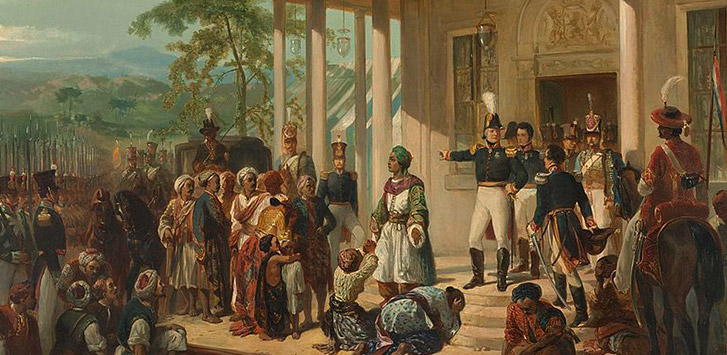
Indonesia is not only a major coffee producer in Asia but also holds a significant position globally. Although it has the largest coffee-growing area in the world, its lower production efficiency places it third in total output, following Brazil and Vietnam. As early as 1699, the Dutch East India Company introduced Arabica coffee to Indonesia in an attempt to break the Arab monopoly on the coffee trade. Starting around Batavia (now Jakarta), it gradually expanded to islands such as Java, Sumatra, and Sulawesi, making Indonesia one of the first regions in the world to engage in large-scale coffee cultivation during the 18th century.
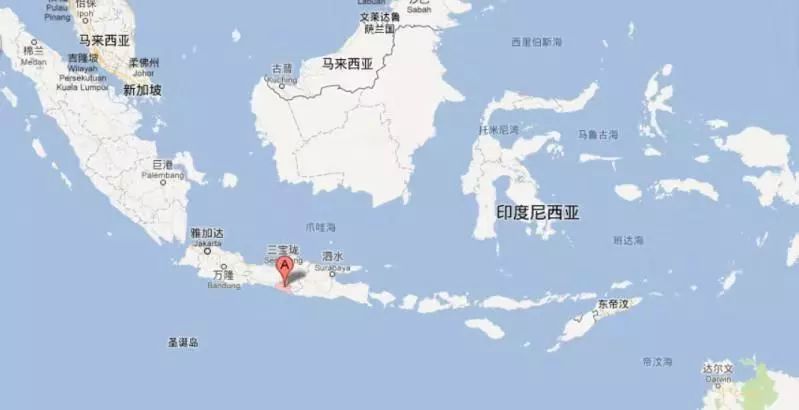
Comprising numerous islands, Indonesia features a diverse geography with mostly rugged mountains and hills. Its climate is typically tropical rainforest, characterized by high temperatures and humidity year-round, with average temperatures ranging between 25–27°C and annual rainfall of approximately 1600–2200 mm. These conditions, along with high-altitude terrain and fertile volcanic soil, create ideal natural conditions for growing Arabica coffee.
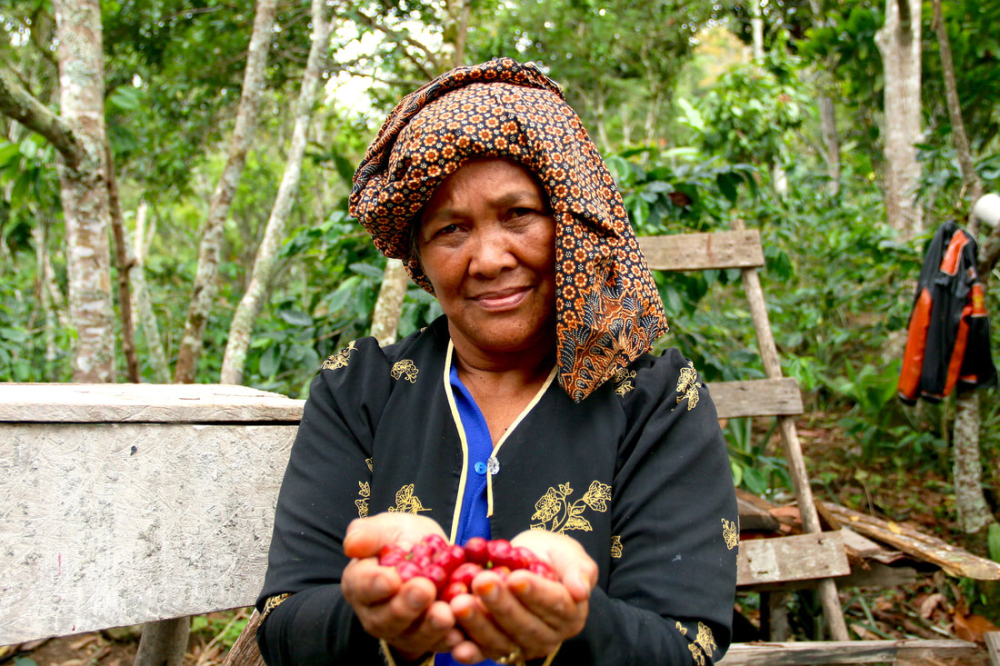
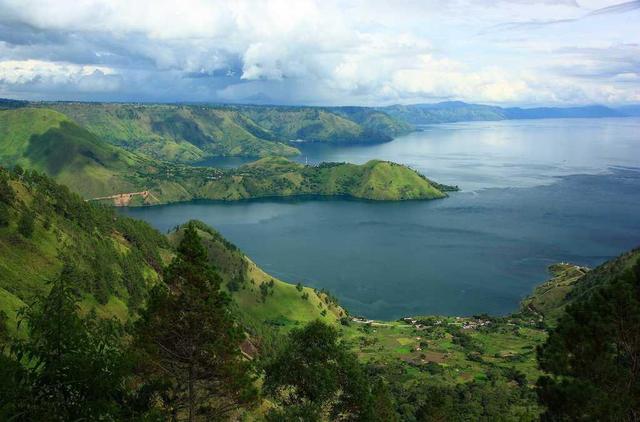
Mandheling is primarily produced in Sumatra, especially in the regions of Lintong, Lake Toba, Lake Tawar, and the Gayo highlands. Among these, the Gayo highlands are renowned for their high altitude (1500–2500 meters), organic cultivation practices, and meticulous management by local ethnic communities. The coffee produced here is often referred to as "green coffee" or "Gayo organic coffee," making it a popular choice in the specialty coffee market.
The grading of Indonesian coffee beans is mainly based on the number of defective beans and bean size, with defect rate being the most critical indicator. Using 300 grams of coffee beans as the inspection unit, Indonesian coffee is divided into six grades based on the number of defective beans: G1 to G6. Generally, commercial-grade export beans must meet at least Grade G4, while specialty coffee usually adheres to Grades G1 and G2. Among them,Grade G1 has the fewest defective beans, typically fewer than 11 (per 300 grams), with uniformly sized beans and intact appearance, making it the most recognized grade in the market.
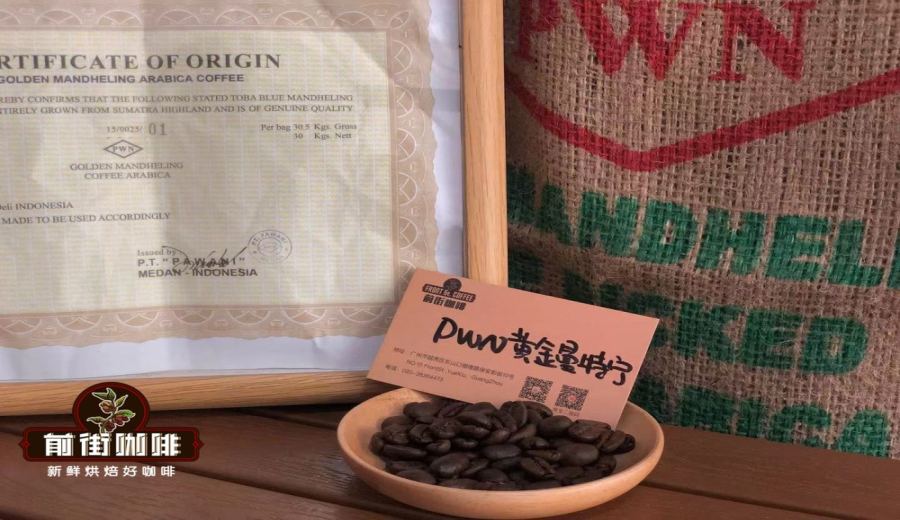
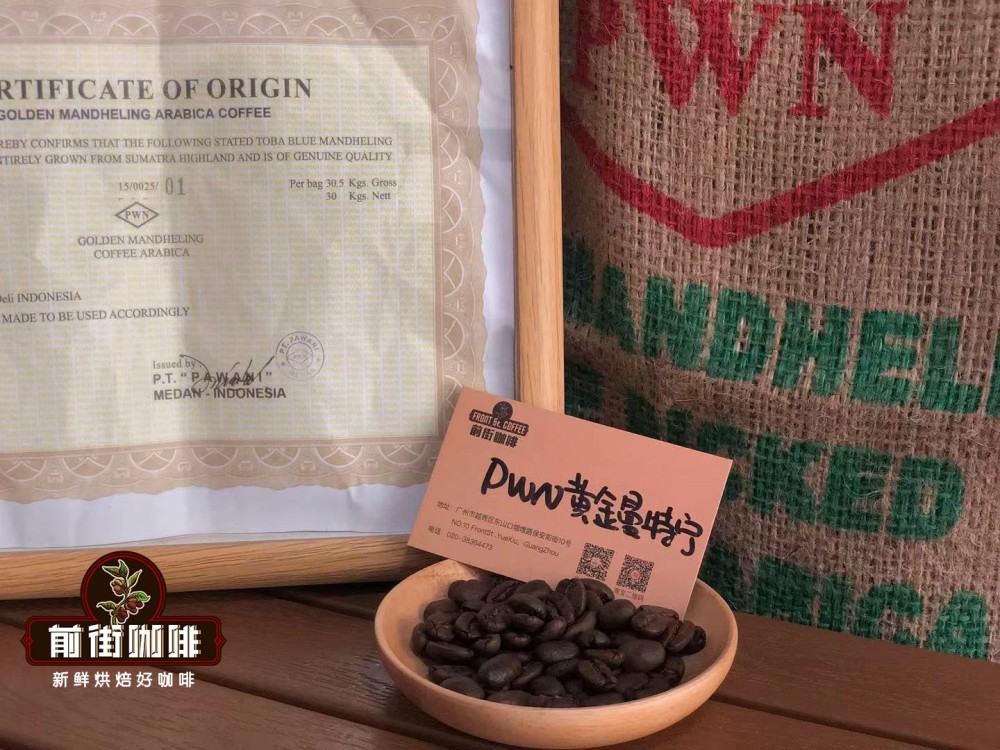
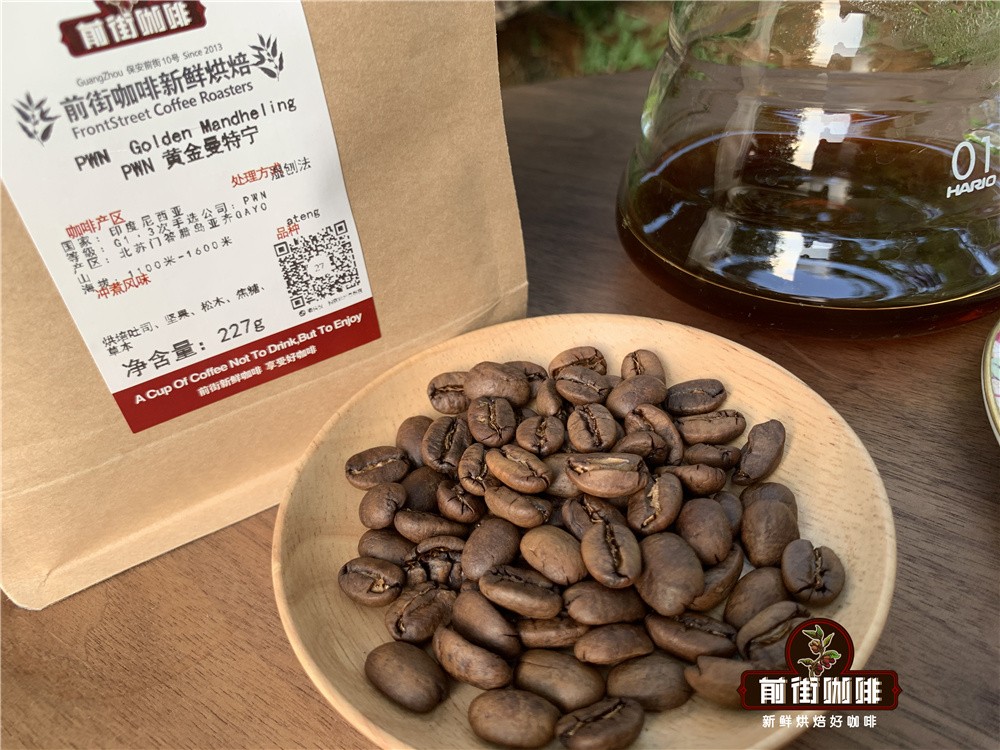
Many well-known brands of Mandheling coffee are based on Grade G1 and further undergo three rounds of manual hand-picking and one round of mechanical screening to ensure that each bean meets high standards. These beans are not only consistent in appearance and dark green in color, but also have an extremely low defect rate, resulting in purer, brighter flavors, with more pronounced sweetness and aroma. It’s worth noting that this premium-grade Mandheling often clearly indicates markings such as “Grade 1,” “Triple Picked,” or “PWN” on the jute sacks for easy identification by buyers.
Sumatra is the main producing region of Mandheling coffee, where the most common processing method is “wet hulling” (known in Indonesian as Giling Basah). Due to Sumatra’s rainy, humid weather and lack of sufficient sunlight, traditional sun-drying and washed processing methods are not easily implemented, leading to the development of this unique approach.
The hallmark of wet hulling is that coffee beans are hulled—i.e., the outer parchment layer is removed—while they are still not fully dry (with a moisture content of about 30%–50%), and then immediately sun-dried. While this method significantly shortens the drying time, because the beans are in a semi-dry state, mechanical removal of the husk can easily compress the bean, causing indentations at both ends and creating the so-called “elephant ear” or “papaya seed” shape. This appearance is a common phenomenon of wet hulling and not a defect, so consumers need not worry.
Additionally, because the processing method is prone to producing pressure marks and defects, Indonesian-exported coffee beans usually undergo strict manual sorting to reduce defect rates and ensure quality. This also explains why Grade G1 Indonesian beans are relatively more expensive, but offer superior flavor consistency and quality.
In addition to Sumatra, Bali is also an important producing region for specialty coffee in Indonesia. The Kintamani highlands in Bali, nestled between the Batukaru and Agung volcanoes, feature a cool climate and fertile soil. The coffee produced here often exhibits unique fruity aromas and gentle acidity, forming a striking contrast to the bold style of Sumatran coffee.
When brewing Mandheling, it is recommended to use beans roasted to medium-dark to dark levels, paired with filter cones that effectively preserve a full-bodied taste, such as the KONO filter cone. Its unique structure reduces excessive degassing, allowing for a smoother coffee extraction. Recommended parameters are as follows: water temperature around 88°C, coffee-to-water ratio of 1:15, grind size with a 20-mesh sieve passing rate of 75% (medium-coarse to slightly fine), using a three-stage pouring method—first blooming with twice the coffee dose (about 30 grams) of water for 30 seconds, then pouring in small streams up to 125 grams for the first pour, followed by pouring up to 225 grams to finish, with a total extraction time of about 2 minutes.
In actual tasting, Lintong Mandheling often presents balanced flavors of herbs, chocolate, and caramel; whereas Grade G1 Golden Mandheling exhibits more pronounced layers of nuts, spices, licorice, and dark chocolate, with high sweetness and a long aftertaste. If you wish to brew professional-grade Mandheling at home, remember to choose freshly roasted beans (ideally used within 5 days post-roast) and allow the beans to reach their optimal flavor window 4–7 days after opening.
If purchasing pre-ground coffee, it is advised to brew it immediately to avoid rapid aroma loss due to air exposure. In summary, from understanding grading and regional characteristics to mastering the correct brewing techniques, every step helps you better appreciate the unique charm of Indonesian Mandheling.
The above content is compiled by CoffeeHunters, a coffee news website.


