







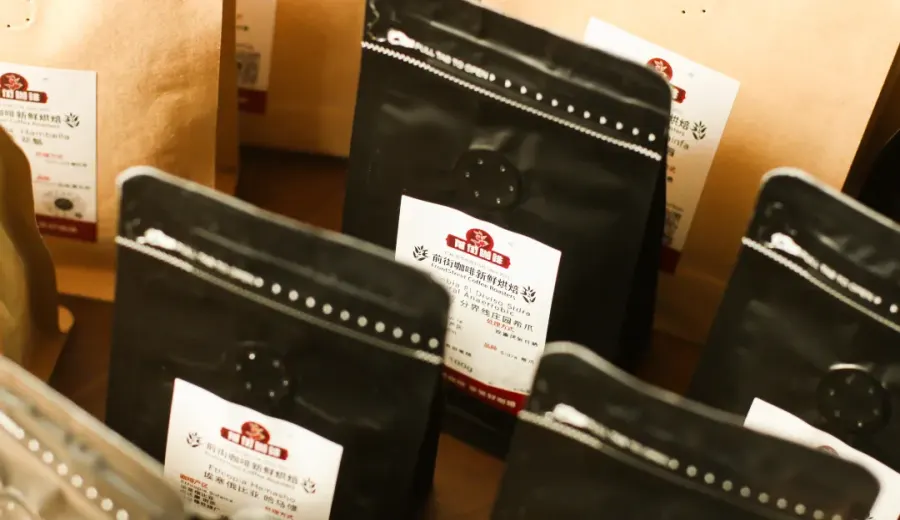
Introduction:Yirgacheffe is one of Ethiopia’s most iconic specialty coffee regions, renowned for its bright citrus and floral notes. This article delves into the region’s geographical background, native variety characteristics, and provides a detailed comparison of the flavor differences between washed and natural processing methods. It also offers practical pour over parameters and cupping insights to help both beginners and advanced enthusiasts select beans and brew effectively.
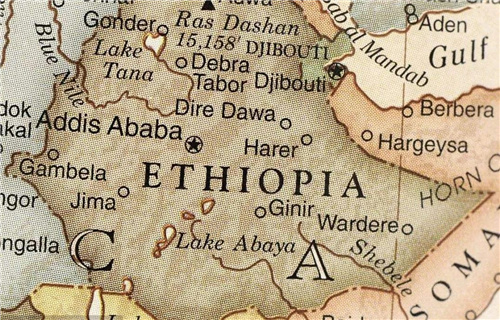
Located in southern Ethiopia, Yirgacheffe is one of the world’s premier specialty coffee regions, celebrated for its unique floral, citrus, and tea-like qualities. The area not only boasts high-altitude growing conditions but is also home to many native coffee varieties. The “native variety” label often seen on Ethiopian coffee packaging actually refers to these locally grown, non-commercially named cultivars.
Originally part of the Sidamo region, Yirgacheffe was later designated as its own distinct region due to its exceptional flavor profile. Most of the coffee here is cultivated by smallholder farmers and processed at nearby washing stations, which is why many coffee bags list the name of the processing station or cooperative—such as the well-known Guji Dingding and Red Cherry.
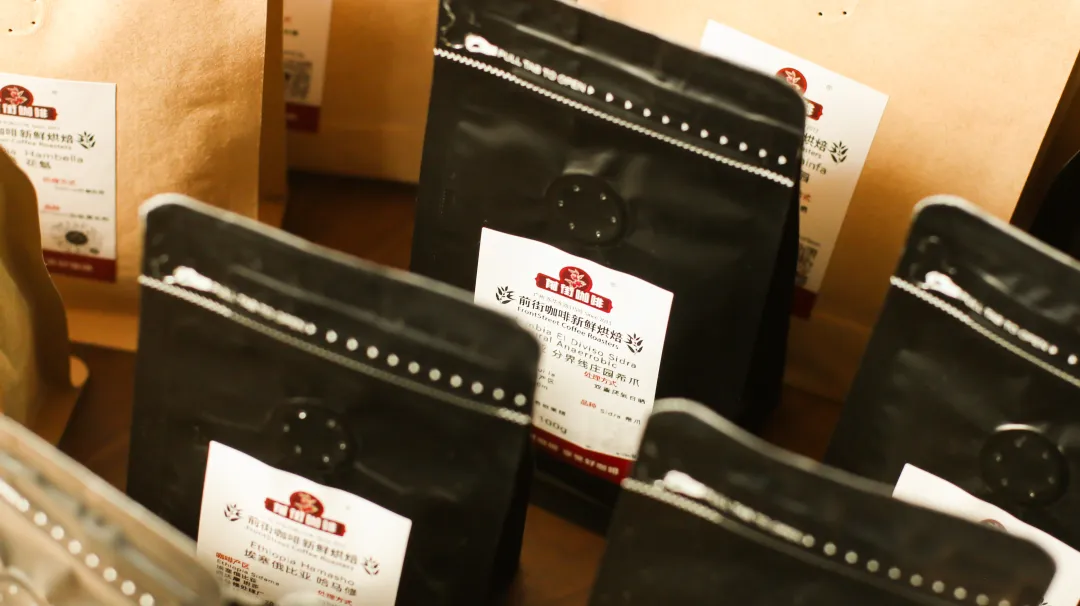
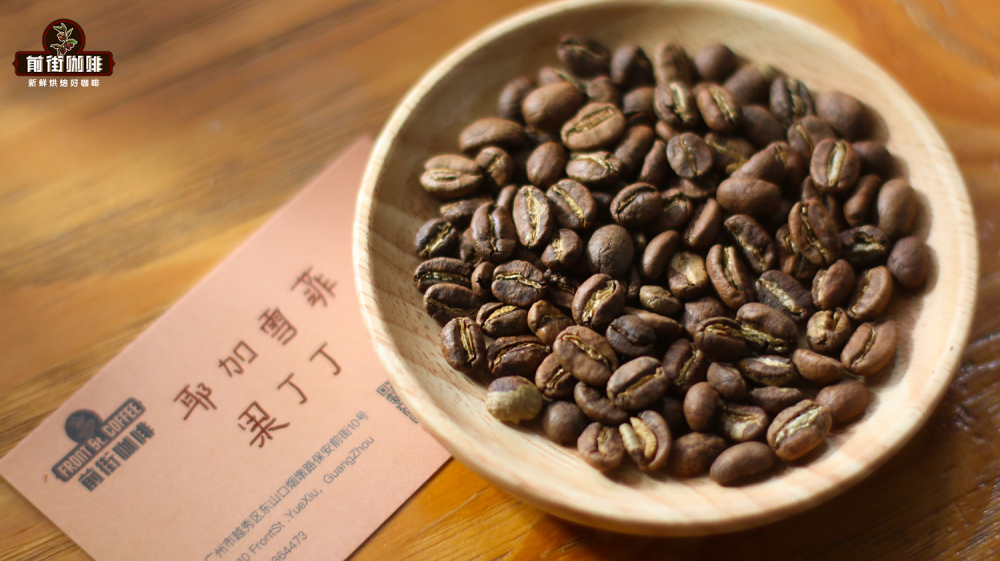
Take the washed Yirgacheffe from Guji Dingding as an example. These beans from the Guji Dingding Cooperative showcase the region’s classic delicate floral aromas, paired with refreshing citrus and berry acidity, resulting in a clean and layered cup. During cupping, using a standard 200ml cupping bowl, a 20-mesh sieve passing rate of 70%–75%, 11.3g of coffee, a water temperature of 94°C, one can clearly perceive its fermented aromas and berry-forward profile, along with a berry-sweet finish.
For pour over brewing, it’s recommended to use a V60 filter to enhance clarity. Use 15g of coffee, a 1:15 brew ratio (225g water), a water temperature of 91–93°C, and medium-fine grind (approximately 80% through a 0.85mm sieve, equivalent to around EK43s setting 10). Begin with a 30g bloom for 30 seconds, then pour up to 125g, wait for the water level to drop, and continue pouring to 225g, with a total brew time of about 2 minutes. Under these parameters, the flavor is dominated by citrus, with a smooth mouthfeel, delicate floral notes, and a tea-like finish—perfect for newcomers to experience the region’s character.
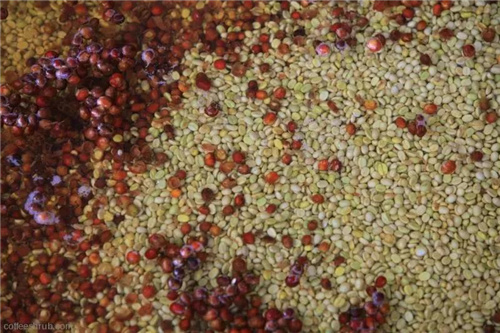
If you prefer a sweeter and more complex cup, try the natural-processed Yirgacheffe Red Cherry. These beans come from the “Red Cherry Project,” a collaboration between local cooperatives and Dutch green coffee importers, focusing solely on harvesting fully red ripe cherries to reduce defects and improve flavor consistency. In cupping, its dry aroma presents a sweet fruity profile, while the wet aroma carries a fresh berry note. The cup highlights strawberry flavors with balanced acidity and sweetness, plus a long-lasting finish that retains pronounced fruitiness even as it cools.
Compared to the washed method, natural processing does not remove the coffee cherry skin and pulp immediately. Instead, the fruit is allowed to dry naturally to a moisture content of 11%–13% before hulling. This process allows the pulp flavors to penetrate the bean core, imparting a richer fruitiness and lower acidity. However, natural processing demands stricter environmental control to prevent mold and over-fermentation, which can result in off-flavors.
When comparing processing methods, washed Yirgacheffe excels in bright acidity and clean profiles, making it ideal for those who enjoy vibrant citrus and tea-like notes. The natural version, on the other hand, showcases a more diverse fruit profile and sweetness, with more pronounced strawberry and tropical fruit tones, suiting those who prefer sweeter cups. Though both hail from the Yirgacheffe region, they present vastly different flavor spectrums, demonstrating how processing techniques profoundly influence taste.
For beginners, Yirgacheffe coffee is an excellent region for practicing pour over due to its vivid and well-defined flavors. Whether choosing washed or natural, mastering basic grind size, water temperature, and brew time will yield delicious, representative cups. We suggest starting with the washed Guji Dingding to familiarize yourself with its citrus and floral foundation, then exploring the natural Red Cherry to experience the flavor shift brought by different processing methods.
In summary, Yirgacheffe is not only the essence of Ethiopia’s specialty coffee but also the best entry point for understanding the relationship between native varieties, processing methods, and flavor. With the cupping parameters and pour over recommendations provided in this article, readers can delve deeper into the multifaceted profile of this classic coffee and choose the beans and brewing methods that best suit their personal taste preferences.

The above content is compiled by CoffeeHunters, a coffee news website.


