







Introduction:Yirgacheffe in Ethiopia is renowned worldwide for its unique flavors, with washed and natural processing methods creating distinctly different coffee profiles. This article delves into the differences between the two techniques, covering everything from regional background and processing procedures to actual cupping flavors, helping you grasp the bright clarity of washed coffees and the rich fermentation notes of naturals. It also provides practical pour over parameters and tips to help you find your favorite Yirgacheffe flavor.
Among the many specialty coffee regions, Yirgacheffe in Ethiopia is undoubtedly one of the most iconic names. The coffees produced here, thanks to the two main processing methods—washed and natural—display an exceptionally diverse range of flavor layers, allowing coffee enthusiasts to explore everything from bright citrus to intense berry notes based on personal preference. This article will break down the characteristics of the two processing methods in detail, from regional environment and processing techniques to flavor profiles, and extend to pour over recommendations, helping you fully understand the unique charm of Yirgacheffe.
Ethiopia is hailed as the birthplace of coffee, boasting unparalleled geographical conditions and a rich genetic pool of coffee. The region is widely covered by highland terrain, with significant day-night temperature variations, coupled with high altitudes and ample sunlight, providing nearly perfect growing conditions for coffee trees. As a result, the coffee here not only has stable yields but also consistently high quality, deeply integrated into local culture and daily life. From family-run farms to professional cooperatives, coffee has long been an essential part of Ethiopian life.
As one of the country’s most representative regions, Yirgacheffe is often associated with descriptors like “fruit-forward” and “bursting with floral notes.” Whether processed via washed or natural methods, the coffee beans from this area consistently exhibit remarkable clarity and distinctive regional character. Especially for those new to specialty coffee, Yirgacheffe’s medium-to-light roasted beans—such as the classic washed Gedeo Tinti Cooperative or the natural Red Cherry Konga—are excellent entry points, helping you develop a keen sense of coffee flavor discernment.
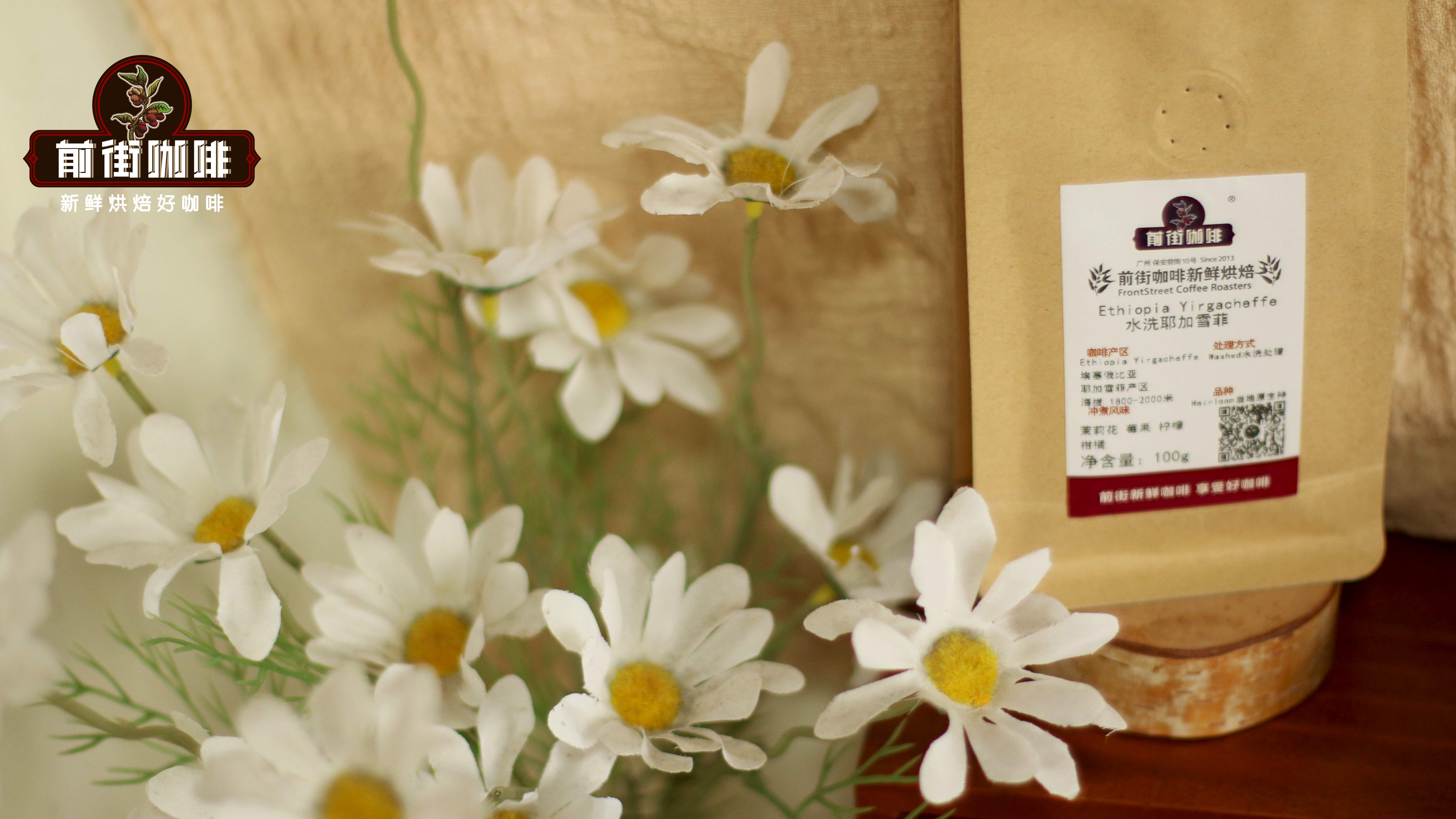
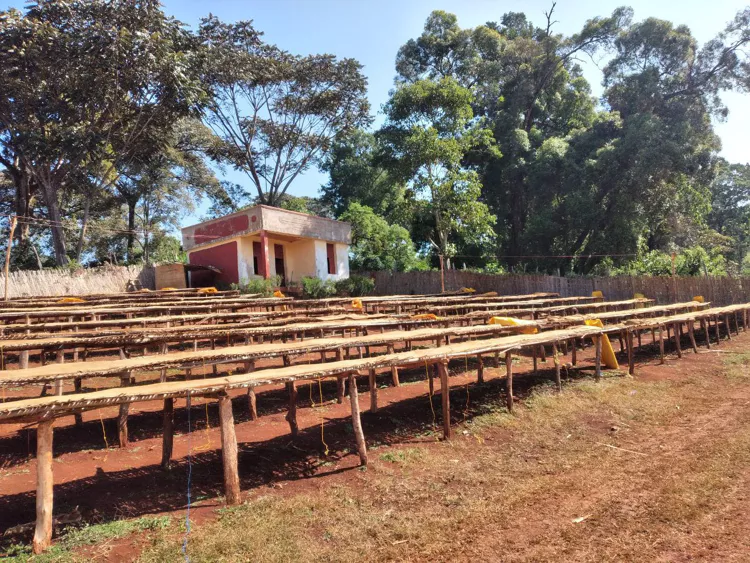
The washed processing method can be considered one of the cornerstones of Yirgacheffe’s flavor profile. Take the Gedeo Tinti Cooperative as an example: located in a small village in the Gedeo region, it was originally part of the Yirgacheffe Union but later stood out due to its exceptional washed processing techniques and has operated independently since 2012. In the washed process, harvested coffee cherries undergo rigorous selection, depulping, mucilage removal, fermentation, and drying on raised beds—all steps that require precise control to ensure the final beans’ purity and consistency. This method effectively reduces the risks of impurities and unwanted fermentation, resulting in a cleaner, brighter cup profile.
The most impressive aspect of washed Yirgacheffe is its refreshing, elegant citrus character, complemented by white floral notes and a tea-like finish. After medium-to-light roasting, these beans often present delicate acidity, honey-like sweetness, and refined citrus flavors, while maintaining moderate body and a clean mouthfeel. Whether brewed via pour over, cold brew, or French press, they showcase their multifaceted layers, making them an ultimate treat for those who prefer a bright, refreshing flavor.
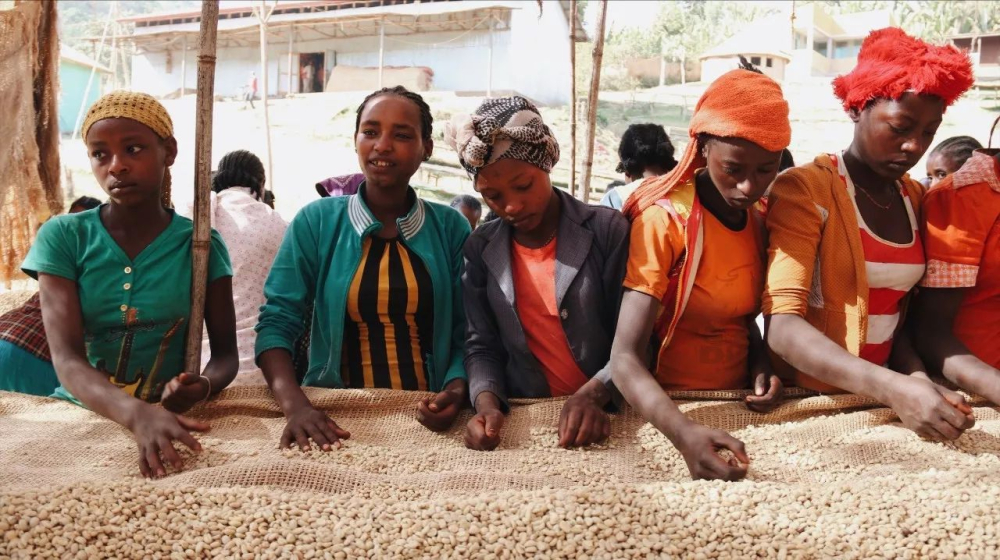
In contrast, the natural processing method gives Yirgacheffe a distinctly different personality. Natural processing typically selects fully ripe red coffee cherries, which undergo a prolonged natural drying process, allowing the sugars and aromas from the fruit pulp to gradually penetrate the seeds inside. This technique enhances the coffee’s sweetness and fermentation characteristics, yielding intense tropical fruit and berry notes. Red Cherry Konga is one of the representatives of natural processing, employing a strict harvesting strategy that selects 100% ripe fruits and utilizes more refined processing techniques to elevate flavor concentration and overall quality.
When cupped, natural Yirgacheffe often reveals rich berry and fruity aromas, accompanied by gentle sweet-tart notes and pronounced honey-like sweetness. As the temperature changes, one can further perceive the fermentation depth of ripe fruits and an black tea-like finish, with a smooth overall mouthfeel and layered complexity. For those who enjoy intense, sweet, and complexly fermented flavors, natural-processed Yirgacheffe is often the top choice.
Whether washed or natural, Yirgacheffe coffees exhibit exceptionally high fruit acidity and floral aromas, which is why they’re dubbed “fruit bombs.” To fully showcase these traits, a medium-to-light roast is recommended—not only preserving the clear fruit notes but also achieving the optimal balance between floral tones and acidity. For extraction, pour over is the brewing method that best highlights Yirgacheffe’s nuances, provided you use freshly roasted beans. It’s advised to choose beans roasted within 4 to 45 days to achieve the most vibrant aroma and flavor expression.
If you plan to try pour over Yirgacheffe at home, here are some practical parameter suggestions: use a V60 dripper, set the water temperature at 92-93°C, use 15 grams of coffee, and aim for a 1:15 coffee-to-water ratio. The grind size should be roughly that of fine sugar (you can sieve to about 78% through a #20 mesh). Use the three-pour method: start with a bloom using twice the coffee’s weight in water (about 30 grams) for 30 seconds, then pour in a small stream in circular motions from the center outward until you reach 125 grams for the first pour. Wait for the bed to settle, then pour up to 225 grams to complete the extraction, with the total time around 2 minutes. These parameters effectively bring out Yirgacheffe’s citrus, berry, and tea flavors, while preserving its bright acidity and honey sweetness.
In summary, the washed and natural processing methods of Yirgacheffe each have their own distinct characteristics—the former excels in bright, delicate profiles, while the latter showcases rich sweetness and deep fermentation. Whether you prefer the lively acidity of citrus notes or the intense fruitiness of fermentation layers, you can find your ideal flavor expression in this classic region. By understanding the differences in processing methods and the actual cupping features, you’ll be able to confidently choose the cup of Yirgacheffe that best suits your taste.
The above content is compiled by CoffeeHunters, a coffee news website.


