








Introduction:An in-depth analysis of the flavor profiles of Ethiopia’s Yirgacheffe washed and natural processed coffees, from citrus notes to tropical fruit aromas, helping you grasp the key differences. We also share expert French press brewing parameters for a well-known coffee brand’s Red Cherry Natural beans, including coffee-to-water ratio, water temperature, grind size, and steeping time—so you can brew a complex Yirgacheffe at home.
The Yirgacheffe region in Ethiopia has long been a holy grail for specialty coffee enthusiasts. Coffees from this area are divided into two main processing methods: washed and natural, each delivering markedly different flavor profiles. Washed Yirgacheffe is characterized by bright citrus tones and clean jasmine floral notes, with a crisp and layered mouthfeel. In contrast, natural Yirgacheffe retains the fruit’s pulp sugars, resulting in intense berry and tropical fruit aromas with a bolder, sweeter profile.

When it comes to the natural processing method, it is one of the oldest and most traditional techniques in coffee production. In the early days, due to technical limitations, the natural process was highly susceptible to weather, environmental factors, and handling, often leading to unstable flavors or even undesirable off-notes. As a result, it was once considered a more rudimentary method. However, with advancements in processing techniques, modern natural methods can now produce high-quality coffee with clean, bright, and fruit-forward profiles through strict quality control.
In comparison, the washed processing method was introduced to Ethiopia from Central and South America around 1972 and quickly gained popularity in the Yirgacheffe region. This method removes the coffee cherry’s skin and pulp through washing and fermentation, effectively highlighting the bean’s inherent acidity and floral qualities. This has made Yirgacheffe globally renowned for its refreshing citrus and jasmine notes. Washed beans, known for their stability and clarity, have long been a top choice for many coffee beginners and are suitable for various brewing methods such as pour over, French press, and cold brew.
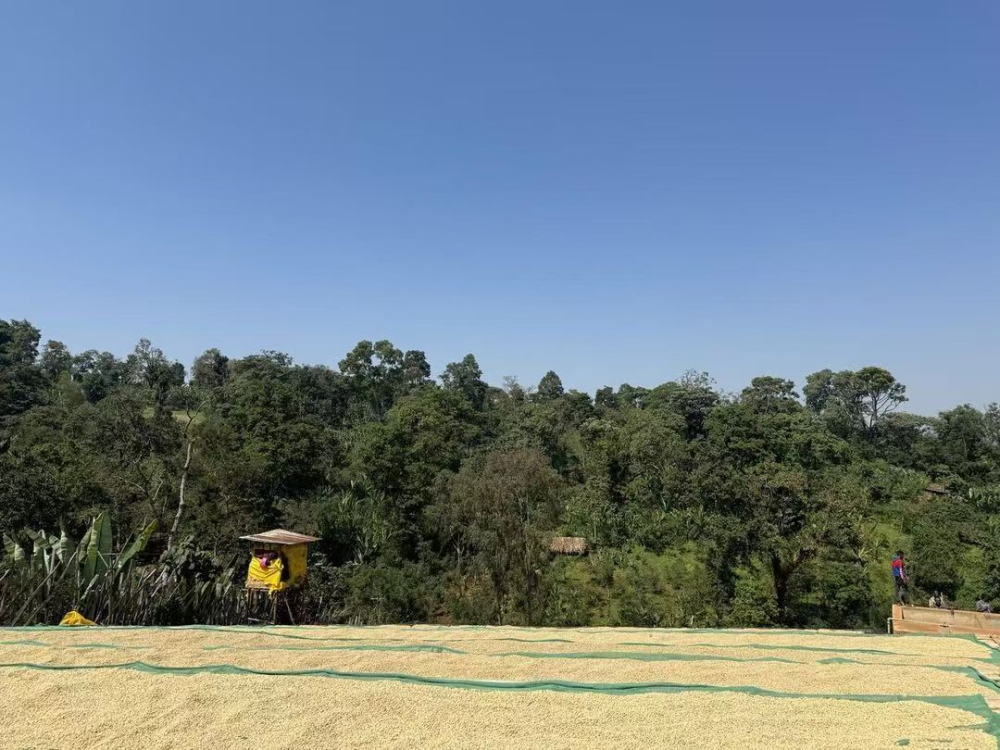
The transformation of modern natural processing lies in the refinement of the workflow. Take premium processing facilities like Bagoshi as an example: before the coffee cherries enter the drying field, they undergo rigorous manual sorting to remove unripe green cherries and obvious defective beans. Over the next two weeks of sun-drying, the cherries are frequently turned and undergo secondary sorting to eliminate any moldy or damaged ones. Only when the moisture content of the green beans drops to around 12%, with the sugars in the pulp fully transformed and absorbed into the bean, is the hulling and subsequent quality inspection carried out. Finally, a manual check is performed again to ensure every natural bean meets high standards.
This meticulous processing procedure enables modern natural Yirgacheffe to achieve a level of cleanliness and complex fruitiness that was previously hard to attain. Once underrated, it has now become a favorite among many coffee aficionados.
The common washed (Washed) process involves first removing the outer skin and part of the pulp of the coffee cherry, then fermenting the mucilage-covered beans in water tanks. After fermentation, the remaining pulp is removed through friction with water flow and agitation between beans, followed by rinsing until the surface is smooth. At this stage, the beans are still enclosed in their inner parchment, with a moisture content of about 50%, and require 1 to 3 weeks of natural sun drying until the moisture level drops to 12% before they can be stored or exported. Although time-consuming, this method effectively preserves the coffee’s acidity and aroma, resulting in a more balanced flavor profile.
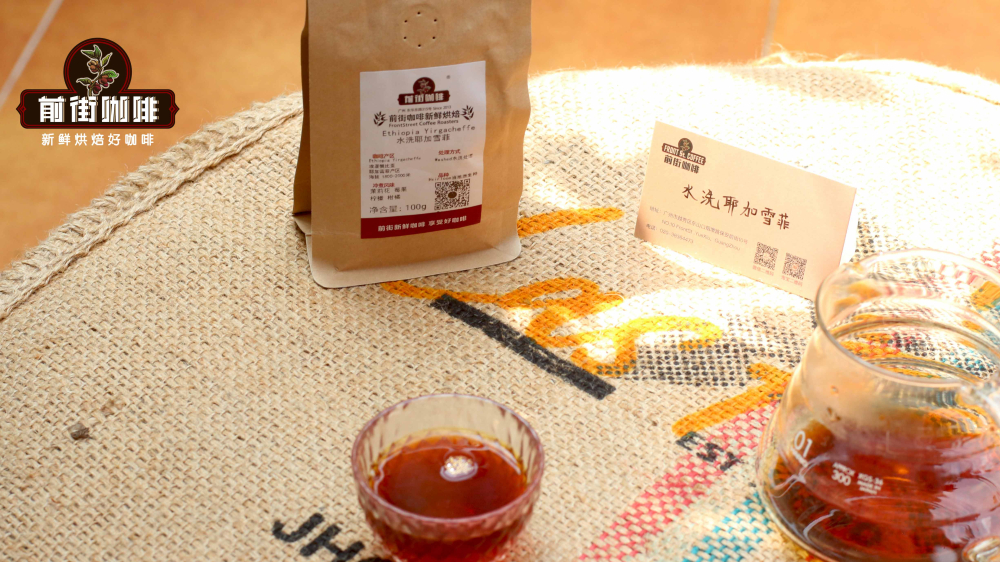
Regardless of which processing method you prefer, knowing how to brew it correctly is key to enjoying the full flavor of Yirgacheffe. Below are expert French press brewing recommendations for a well-known coffee brand’s Red Cherry Natural beans:
Coffee Bean Information:
Country: Ethiopia
Region: Yirgacheffe
Altitude: 1800-2000 meters
Variety: Local heirloom
Processing Method: Natural
French Press Brewing Parameters:
• Coffee-to-water ratio: 1:15
• Water temperature: Around 92°C (avoid going too high to prevent bitterness)
• Grind size: EK43s approximately 10.5 on the grind dial (coarse, similar to coarse sugar texture recommended)
• Steeping time: 4 minutes
During brewing, use water at sufficient heat (but not exceeding 93°C), evenly saturate the coffee grounds, and then start timing. Due to the longer steeping time in a French press, grinding too finely can lead to over-extraction, resulting in unnecessary bitterness or unwanted sediment. After pouring water, let it steep for 4 minutes, then slowly press down the filter, and pour out the brewed coffee to complete the process.
In terms of flavor, this natural Yirgacheffe often showcases layers of red berries, citrus, strawberries, and tropical fruits, with notable sweetness and a long-lasting aftertaste—making it ideal for coffee lovers who enjoy a fruit-forward profile.
The above content is compiled by CoffeeHunters, a coffee news website.


