







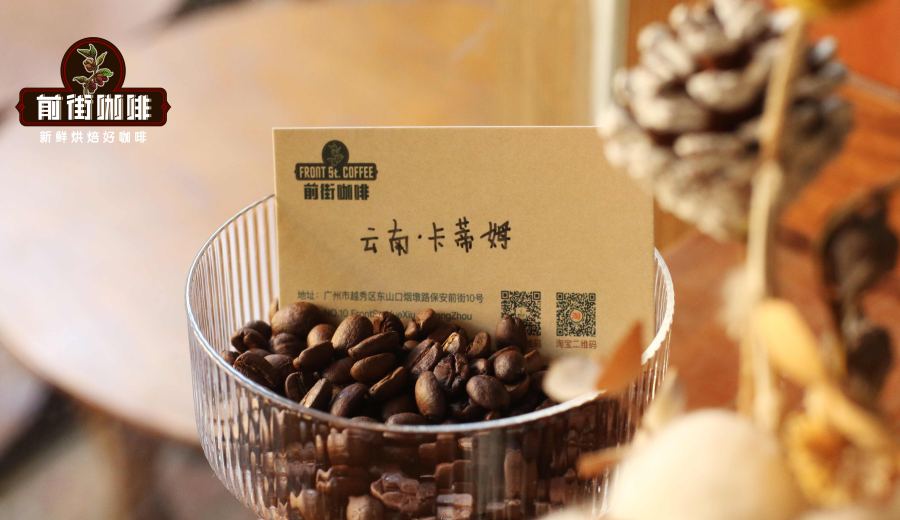
Introduction:An in-depth analysis of the characteristics differentiating Yunnan’s two major coffee varieties — the traditional Typica and the mainstream Catimor — exploring their differences from the perspectives of geographic conditions across four key regions including Baoshan and Pu’er. The impact of washed and natural processing methods on flavor is also compared. Professional-grade pour over recommendations are provided, including tested parameters using a V60 filter with 88°C water temperature, helping coffee enthusiasts grasp the nutty profile and unique sweet-sour balance of Yunnan beans.
As the core base of China’s coffee industry, Yunnan has gained recognition in recent years for its stable production capacity and diverse varieties. Most commercially available Yunnan beans belong to the Catimor variety, while the historically significant Typica, though reduced in cultivation area, still appeals to niche markets due to its distinctive flavor. This article presents a direct comparison between a washed Yunnan small-bean (Catimor) and a natural Typica, analyzing their comprehensive differences from variety genetics, regional environments, to brewing performance, and shares immediately applicable pour over techniques.
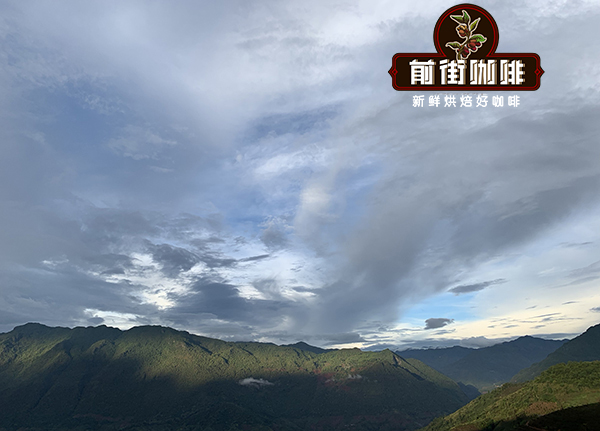
Yunnan is located between 21°N and 29°N latitude, within a typical highland monsoon climate zone.With altitudes ranging from 1,000 to 2,000 metersand an annual average diurnal temperature variation of 16-21°C, it creates a microclimate ideal for growing Arabica varieties.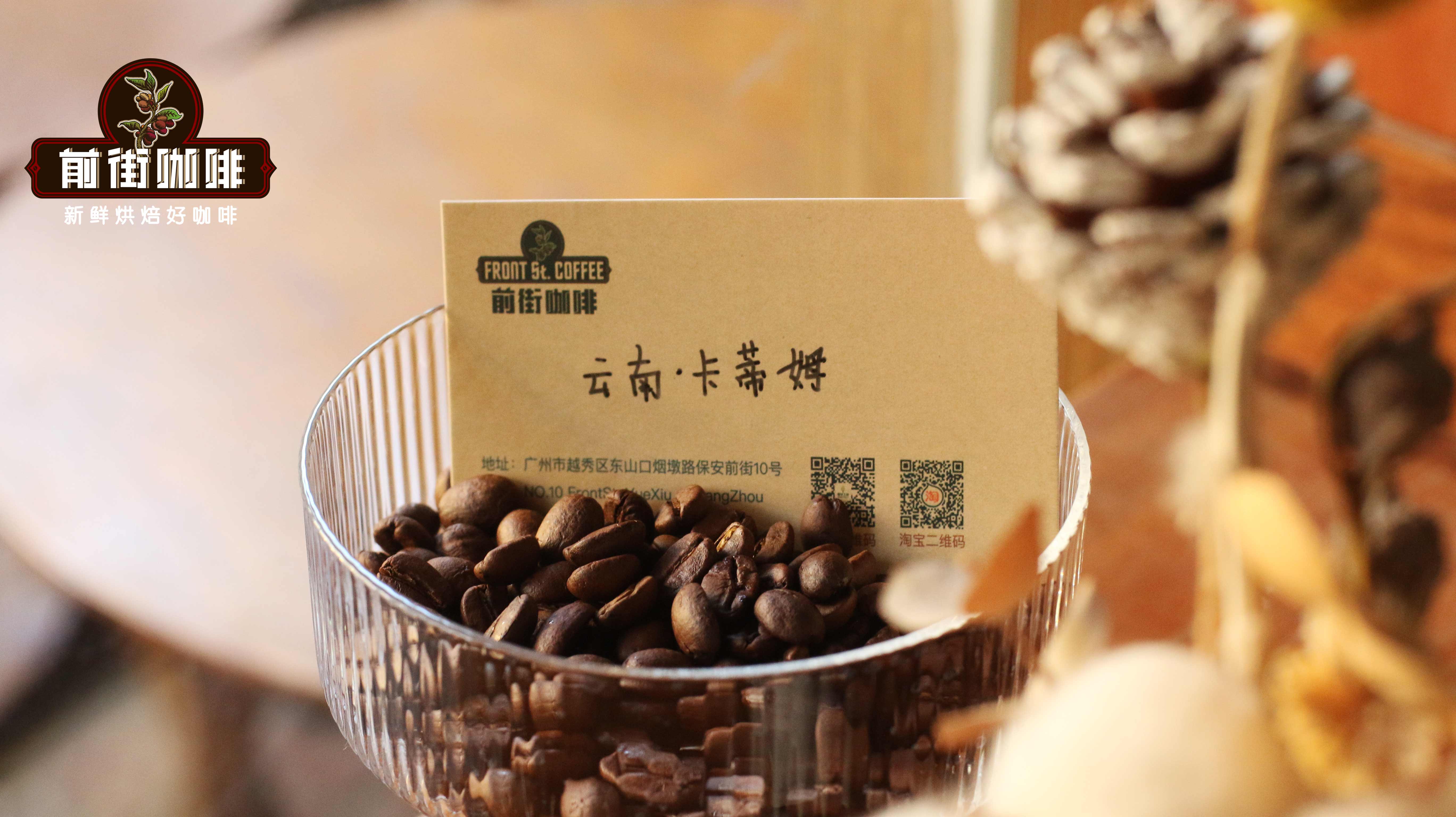 The region enjoys abundant annual rainfall and strong sunshine, and especially in areas like Pu’er and Baoshan, volcanic soils provide optimal conditions for accumulating flavor compounds in the coffee beans.
In terms of varietal evolution, Typica — the earliest introduced ancient branch of Arabica in Yunnan — is known for itssmall-bean characteristicand bright acidity, but its relatively weak resistance to viruses has limited its economic viability. Later, the Catimor variety, developed by Portuguese agronomists through hybridization of Brazil’s Caturra and the leaf rust-resistant Timor variety, not only significantly increased yield per unit but also enhanced resistance to local pests and diseases. It should be noted that although Catimor offers commercial advantages, its flavor profile is generally less complex than that of Typica.
 Yunnan’s main coffee-growing regions are concentrated in the southwest. Among them, Baoshan is renowned for its high-quality small-bean varieties cultivated in the late 1950s; in 1980, it was honored as the “National Coffee Champion” and received geographical indication certification. Pu’er, with over 40,000 hectares of planted area, serves as a key production and sales hub, accounting for more than 60% of the province’s annual exports. Dehong, with a high proportion of organic cultivation methods, produces a uniquely fresh fruity profile. Lincang, benefitting from the humid microclimate of the Lancang River basin, has successfully revived ancient Typica old-tree varieties.
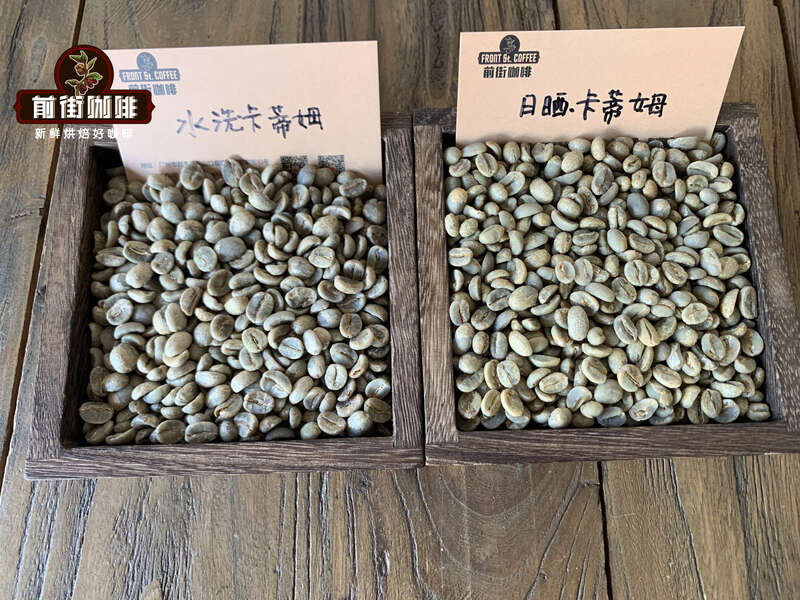
The choice of processing method directly impacts the final flavor profile. Considering Yunnan’s six-month-long rainy season and highly variable climate,washed processing has become the dominant technique— by fermenting the depulped beans, it effectively controls impurities and highlights a clean, balanced sweet-sour taste. In contrast, natural processing relies on at least 27 consecutive days of clear weather, which, while riskier, can impart a richer molasses aroma and fuller body to the coffee.
For actual brewing, it is recommended to use a V60 filter with water at 88°C, as this combination helps balance the neutral character of Yunnan beans.A recommended powder-to-water ratio is set at 1:15with a grind size adjusted to medium-coarse, achieving 75% passing rate through a #20 sieve. Special attention should be paid to maintaining a stable pouring speed during brewing to avoid overly sharp acidity or bitter aftertaste due to over-extraction. For natural-processed Typica, the water temperature may be moderately increased to 90°C to enhance the brown sugar and berry notes; for the washed version, it is advised to extend the blooming time to 45 seconds to fully activate the nutty base.
Comprehensive cupping results show that washed Yunnan small-bean beans exhibit distinct herbal and caramel aromas, with a tea-like astringency in the aftertaste. Natural Typica, on the other hand, demonstrates a richer layered profile — transitioning from the boldness of black tea upon entry, to berry acidity in the mid-palate, and finally leaving a mellow brown sugar finish. Both processing methods have their own unique features, allowing consumers to make flexible choices based on drinking occasions and personal preferences.
The above content is compiled by CoffeeHunters, a coffee news website.


