







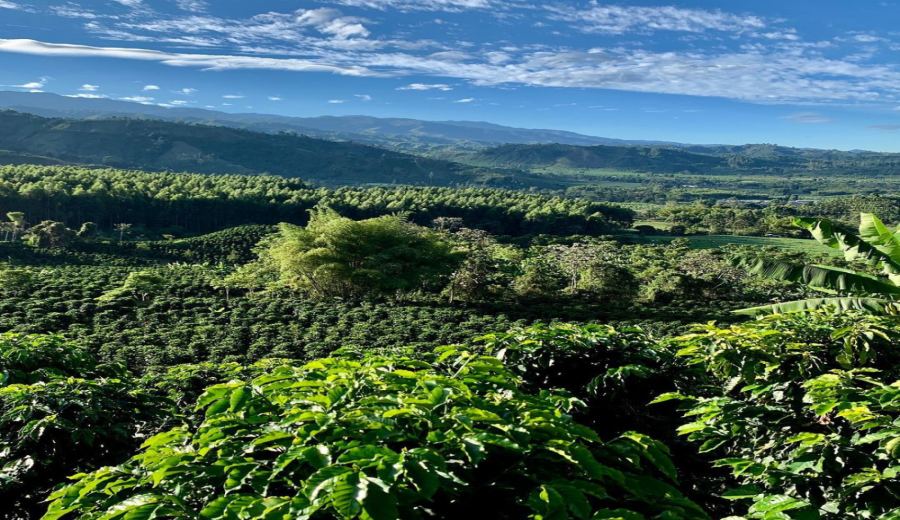
Introduction:Colombia is one of the world’s premier sources of high-quality Arabica coffee. Thanks to its diverse microclimates and high-altitude environments, it produces beans with delicate flavors and rich complexity. This article delves into the flavor profiles, variety compositions, and processing techniques of Colombia’s major coffee-growing regions, offering a detailed look at various methods—from washed to anaerobic—as well as expert extraction recommendations and flavor characteristics to help you master the key knowledge for selecting and brewing Colombian coffee.
As the world’s third-largest coffee producer, Colombia benefits from exceptional geographical conditions, especially the high altitudes and diverse microclimates of the Andes mountain region. The Arabica coffee grown here is renowned for its mild fruity acidity, pronounced sweetness, and excellent balance. From the northern cities of Medellín, Armenia, and Manizales to the southern regions of Huila, Cauca, and Nariño, each area exhibits distinctly unique coffee personalities due to differences in altitude, temperature, and soil.
In addition to its distinct fruity and nutty notes, Colombian coffee is widely loved, and the rise of the specialty coffee market has made it an ideal testing ground for unique processing methods. Whether it’s traditional washed processing or the increasingly popular anaerobic fermentation, double anaerobic, or even rum barrel fermentation, Colombia’s diverse micro-regions demonstrate high adaptability and potential. However, for beginners, starting with representative regions and processing methods offers a more approachable entry point.
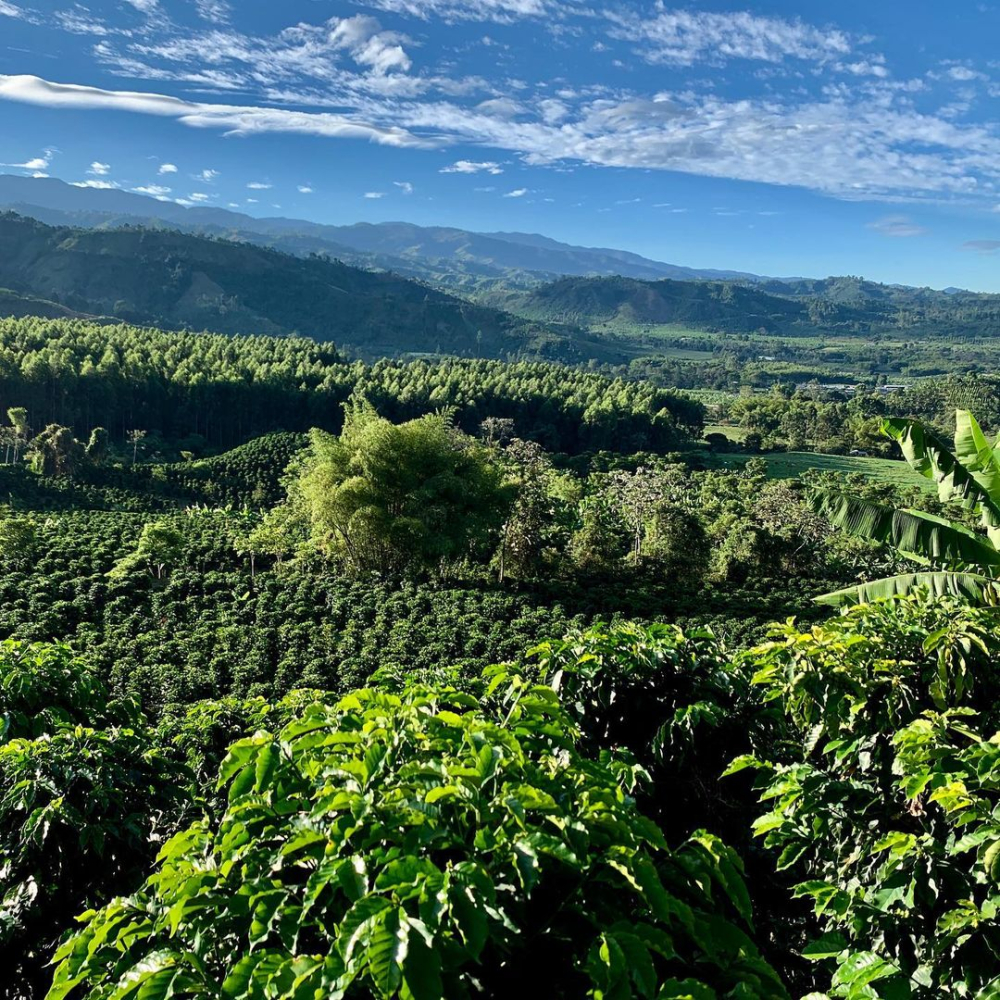
The history of coffee cultivation in Colombia dates back to the 1830s, and by the 20th century, it had become the country’s most important export agricultural product. The mountainous terrain and tropical microclimates create up to 86 different types of microclimates, providing an exceptionally suitable environment for coffee trees. About three-quarters of the country’s coffee production is exported overseas, making it a vital source of foreign exchange. Climatically, due to its tropical location and varied topography, Colombia’s eastern plains and southern coasts feature a tropical rainforest climate, the central highlands are mostly subtropical, while the northwest leans toward a tropical savanna climate. Average annual temperatures across producing regions generally range between 18–22.5°C, with annual rainfall between 1,000–2,500 mm, though some areas occasionally face dry season challenges.
In terms of regional distribution, the earliest renowned origins are the “MAM” trio located in central Colombia: Medellín, Armenia, and Manizales. The coffee from these three regions has always been known for its stable balance. Specialty coffee, on the other hand, mostly comes from the high-altitude southern areas—such as Huila, Cauca, Nariño, and Tolima provinces, all above 1,500 meters in elevation. Coffee from these regions typically features bright berry-like acidity and caramel sweetness, making them a high cost-performance favorite among many coffee enthusiasts.
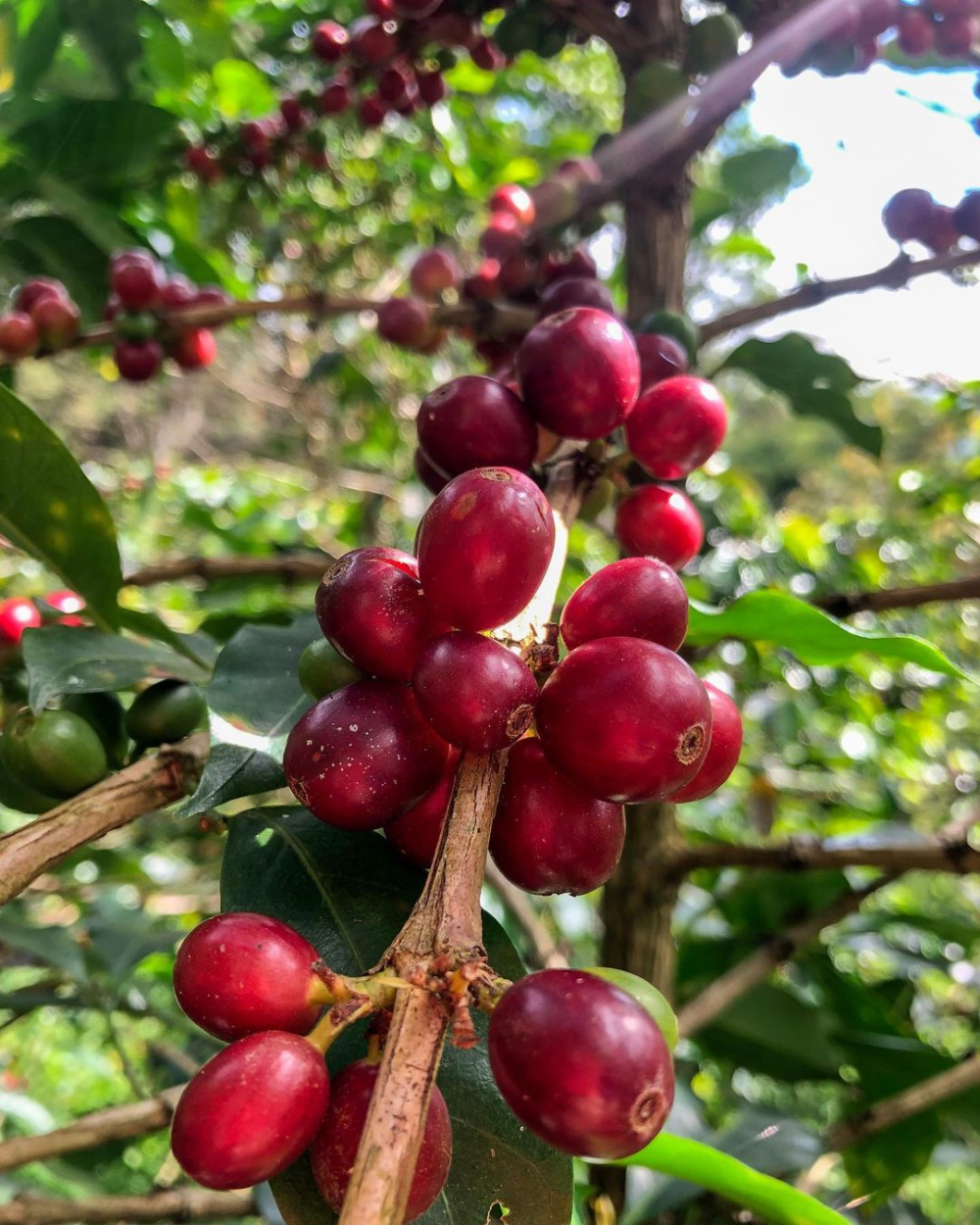
Located in northern Colombia and its northern areas, Santander and its vicinity are cultivated at elevations of about 1,400–1,600 meters. Coffee from this region often carries intense herbal aromas and a strong lingering sweetness, with an overall bold and distinctive flavor profile. In southern Huila Province, especially around the town of San Agustín, elevations reach 1,750–1,950 meters, and the coffee is generally processed using the washed method, predominantly with Caturra and Catuaí varieties. The resulting cups are delicate, layered, and represent a classic example of Central and South American flavor profiles.
Cauca Province is not only one of Colombia’s officially certified coffee origin regions, but also features an average elevation of 1,758 meters and a mountainous terrain, with volcanoes such as Sotara and Petacas within its borders. The volcanic soils and distinct rainy season result in highly concentrated coffee flowering and harvesting periods, creating a stable and distinctive seasonal cycle. Coffee from this area often exhibits unique fruitiness and pronounced sweetness, supported by good acidity.
Nariño Province is an important producing region in southwestern Colombia. Located at the intersection of the central and western Andes, it benefits from fertile volcanic soils and favorable rainfall conditions. Coffee is mainly grown between 1,750–2,100 meters, with about 90% cultivated under shade. The harvest season is divided into spring and autumn. Coffee from this region is often noted for its delicate aromas and good body.
Tolima Province neighbors Huila and Cauca, with mountain ranges running through it and the Magdalena River flowing within its boundaries. Farms here are slightly larger in scale, and many operate as cooperatives to process coffee. Some farmers choose to process their own small batches of fresh cherries using small-scale equipment. Caldas is part of the famous “Coffee Triangle,” together with Risaralda and Quindío, forming one of Colombia’s most iconic coffee cultural zones and also part of the UNESCO-designated “Coffee Cultural Landscape” World Heritage site. Due to year-round mist cover, coffee trees here avoid excessive sun exposure, and the mountainous sloped planting results in coffee that often features soft acidity and delicate aromas.
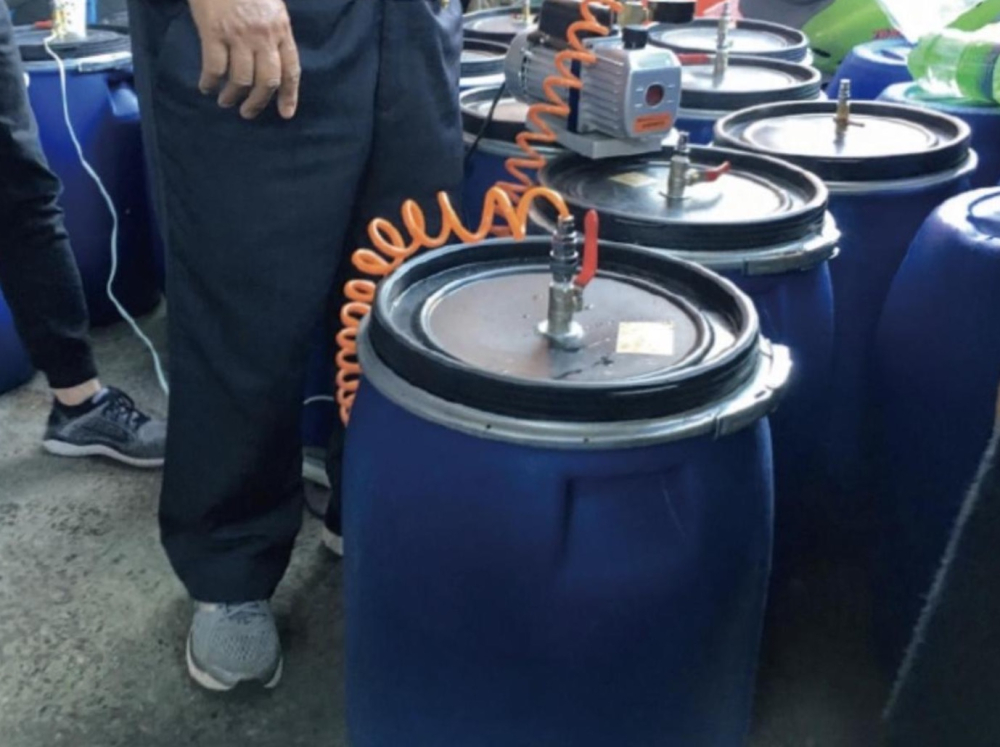
In terms of processing methods, Colombia’s diverse climates and meticulous management by smallholder farmers allow both traditional and innovative methods to achieve high standards. The commonly used washed process involves mechanically removing the pulp, then fermenting the parchment beans in water tanks to remove residual mucilage. This method highlights clean, bright acidity and rich layers while effectively reducing off-flavors. Anaerobic natural involves initial fermentation in an oxygen-free environment followed by sun drying, leading to more stable fermentation, enhanced sweetness, and greater flavor consistency. Anaerobic enzyme washed combines anaerobic conditions with enzyme control to further delay sugar breakdown, resulting in a more balanced cup. Double anaerobic fermentation undergoes two rounds of oxygen-free processing, usually yielding richer sweetness and complexity. Additionally, innovative processes such as rum barrel fermentation involve resting the beans in barrels previously used for rum aging for several months post-washed process, imparting the coffee with unique wine-like aromatic aftertastes.
The main coffee varieties in Colombia include Caturra, Catuaí, and Castillo. Caturra is a natural mutation of Bourbon, with shorter plants but high yields. It is less resistant to disease but widely planted across Central and South America. Catuaí is a hybrid of Caturra and Mundo Novo, exhibiting stronger resistance to wind and rain with firm fruit, though fruit hardness needs attention during processing. Castillo is one of the most widely planted varieties in Colombia and, due to its high resistance to coffee leaf rust, rapidly became mainstream after its introduction in 2005, especially being heavily promoted following the major leaf rust outbreak in 2008.
Grading of Colombian coffee beans is primarily based on bean size, usually determined by screen size. Generally, the larger and more uniform the beans, the higher the grade. However, in recent years, an increasing number of micro-regions and smallholder lots have begun selling via micro-lot methods, selecting the most representative smallholder coffees through cupping to allow consumers to experience premium coffee with more distinct regional characteristics.
For brewing recommendations, using a V60 dripper is a favorite among many coffee enthusiasts. Its wide opening and spiral ridges facilitate air release, improving extraction efficiency. A recommended brewing temperature is around 90°C, with grind size close to that of fine sugar (e.g., EK43s setting 10), a 1:15 coffee-to-water ratio, and employing a pulse pouring technique to control the extraction rhythm. This approach fully highlights the fruity acidity, sweetness, and full-bodied layers of Colombian coffee.
The above content is compiled by CoffeeHunters, a coffee news website.


