







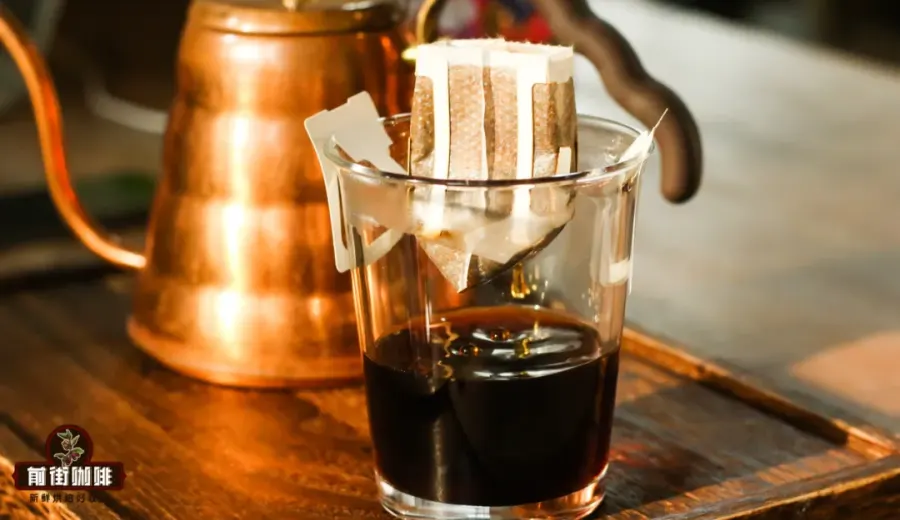
Introduction:Drip bags are a great pour over alternative for busy lifestyles—you can enjoy a good cup of coffee without any professional equipment. But many people complain that their brewed coffee is either too sour or overly bitter. In fact, by mastering just three key factors—water temperature, water volume, and brewing time—you can consistently extract flavors that rival those of a professional pour over. This article will explain in detail how to adjust water temperature based on roast level, how to achieve a 1:15 coffee-to-water ratio without a scale, as well as practical techniques for segmented pouring, helping you easily brew a balanced and full-bodied drip bag coffee.
Thanks to their convenience, drip bags have become the go-to choice for many office workers, students, and travelers. Without the need for a grinder or expensive brewing equipment, all you need is a filter cup and hot water to enjoy freshly extracted coffee. However, many first-timers often encounter issues such as weak flavor, excessive acidity, or even noticeable bitterness. In reality, by controlling just three key elements—water temperature, water amount, and time—even pre-ground drip bags can yield a taste and flavor profile close to that of a hand pour.
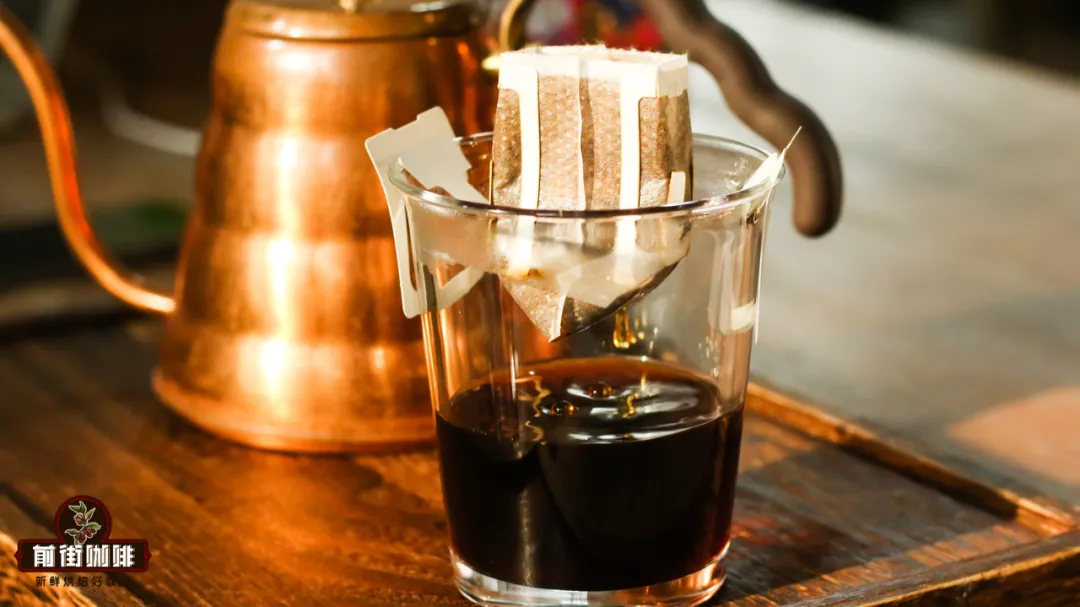
The biggest advantage of drip bags lies in their convenience. There’s no need to buy a grinder or professional pour over tools; just prepare a cup and a manual pouring kettle, and you can enjoy freshly brewed coffee anytime, anywhere. However, since the coffee grounds are pre-ground, the preservation of aroma is not as complete as with freshly ground coffee, which is its main limitation. Even so, for those who are often on the go, working, or traveling, drip bags remain the best choice that combines quality with convenience.
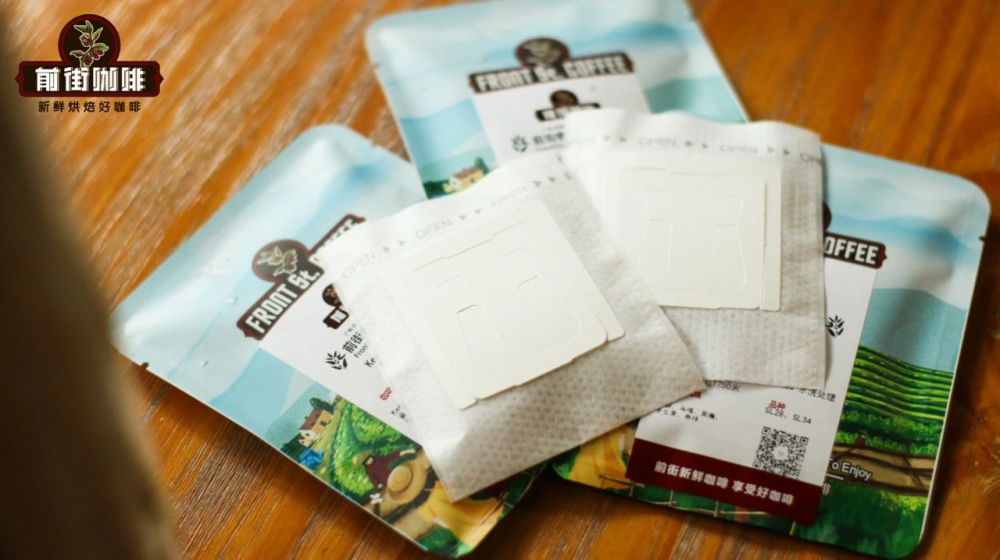
If you want to explore coffee flavors from around the world, try the classic five-region drip bag set launched by a certain brand. This series covers well-known producing regions such as Ethiopia, Kenya, Brazil, Panama, and Indonesia, including everything from light to dark roasts, and processing methods ranging from washed to natural. Each coffee has its own unique regional characteristics and flavor profiles, making it perfect for beginners to train their palates and build an understanding of the coffee flavor wheel.
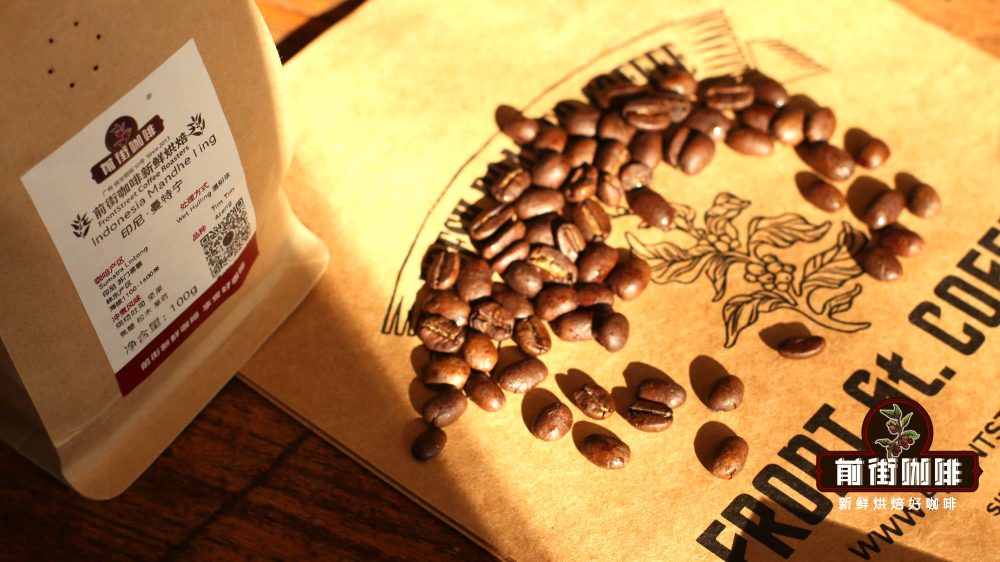
When tasting this set of five drip bags, it is recommended to drink them in order from darkest to lightest roast. Start with the medium-dark roasted Indonesian Mandheling, which features distinct herbal and nutty notes; next is the Honduran washed Caturra, showcasing smooth and sweet flavors of cream and chocolate; third is the Panamanian Geisha, known for its citrus aroma and honey-like sweetness; then the Ethiopian Yirgacheffe Red Cherry, full of lively citrus and fruit wine notes; and finally the Kenyan AA, which excels with bright berry and cherry tomato flavors.
Many readers have reported that when brewing drip bags at home or in the office, they often encounter problems such as “not strong enough,” “tastes watery,” or “overly acidic and bitter.” In fact, these issues mostly stem from improper combinations of water temperature, pouring technique, and brewing time. By mastering the correct parameters, you can consistently brew a balanced and layered drip bag coffee, even without professional equipment.
To understand the brewing principles of drip bags, you first need to know that they share the same core extraction elements as pour over coffee, all influenced by grind size, water temperature, brewing time, and coffee-to-water ratio. Since drip bags use pre-ground coffee, users cannot alter the grind size, so you only need to focus on controlling water temperature, total water volume, and brewing time.
Water temperature is one of the key factors affecting the release of coffee flavors. The higher the temperature, the more quickly acidic compounds and aromatic molecules can be extracted; if the temperature is too low, under-extraction may occur, resulting in a flat or even cardboard-like taste. For office water dispensers, the water temperature usually hovers around 80°C, which is slightly low for most drip bag coffees and can lead to incomplete extraction.
It is generally recommended that if you’re brewing a light to medium roast drip bag with prominent fruity and floral notes (such as Yirgacheffe or Huakui), the water temperature should be controlled between90°C and 93°Cto help fully release the delicate aromas and acidity. For medium-dark to dark roast coffees, such as Mandheling or Blue Mountain, it is recommended to use86°C to 89°Cto avoid over-extracting bitter impurities and to preserve the rich caramel and nutty tones.
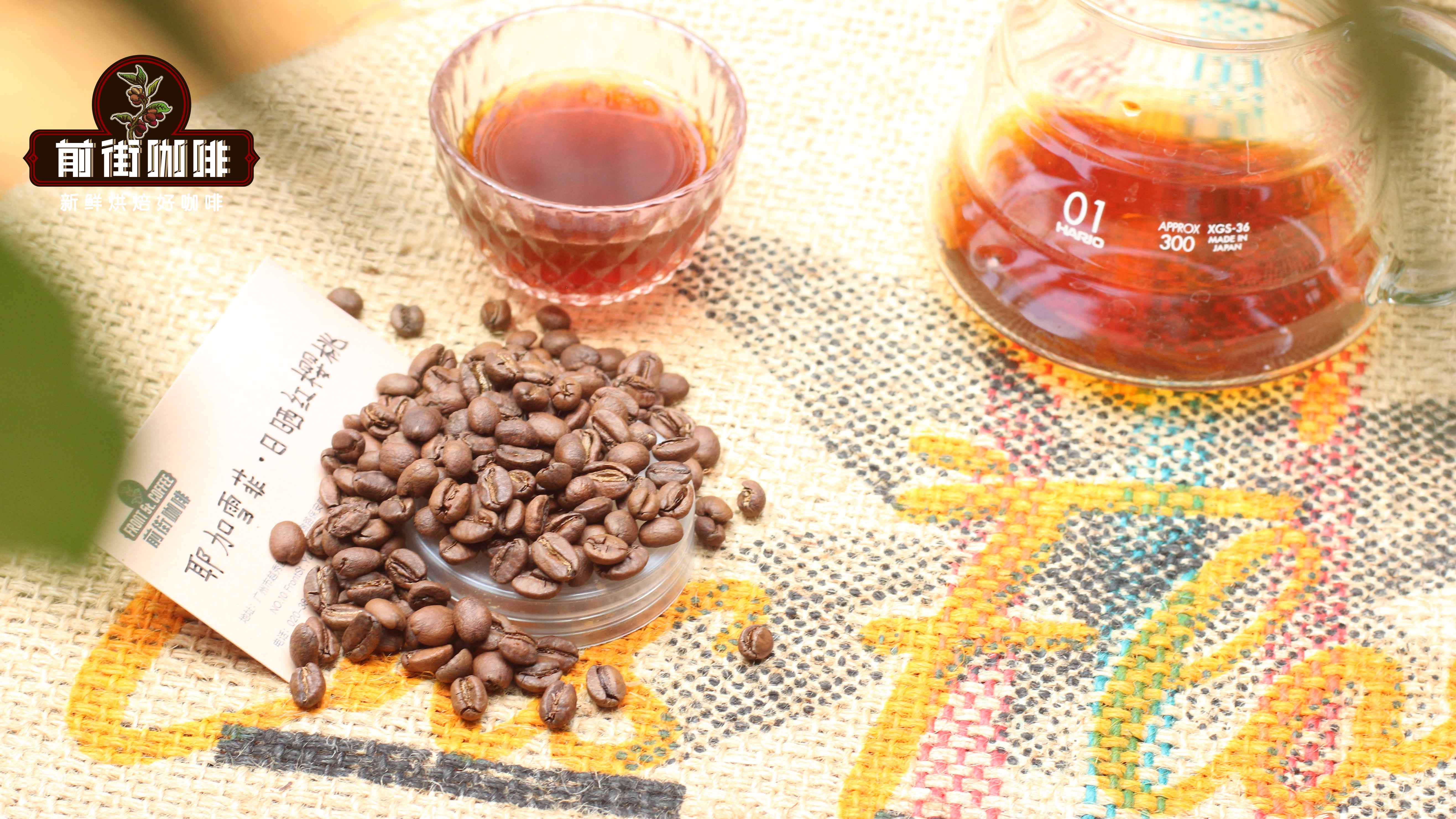
In addition to water temperature, controlling water volume also directly affects the strength and overall mouthfeel of the coffee. Generally speaking, the coffee-to-water ratio for drip bags is similar to that of pour over, with a common standard being 1:15—that is, 10 grams of coffee grounds to 150 milliliters of hot water. This ratio yields a coffee with moderate strength and distinct flavor layers, suitable for most people's tastes.
If you prefer a stronger taste, you can use a 1:14 ratio with about 140 milliliters of hot water; for a lighter taste, you can use 1:16 or 1:17, increasing the total water volume to 160–170 milliliters. If you don’t have an electronic scale, you can also estimate by observing the water level during pouring or using the volume markers on regular cups. For example, when pouring water into a 10-gram drip bag until it reaches halfway, the water volume is approximately 30–40 milliliters; when filled to nine-tenths, it is about 70–80 milliliters. Through such visual estimation, you can roughly calculate the total water volume and adjust according to your personal preference.
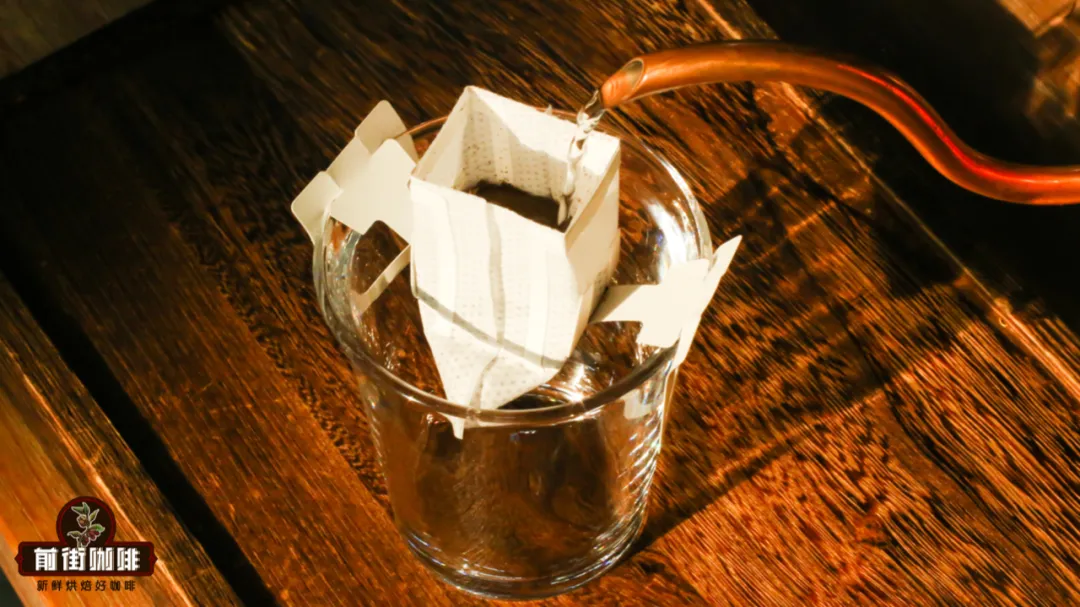
Brewing time is another key parameter that determines whether the coffee’s flavors are balanced. Under normal circumstances, the ideal brewing time for drip bags isabout 2 minutes. This duration ensures that the flavor compounds in the coffee grounds are fully extracted without over-steeping, which could lead to the release of unwanted impurities. If the time is too short, the coffee may taste overly acidic, have noticeable bitterness, and lack complexity; if too long, it may become over-extracted, resulting in dull or even bitter flavors.
To effectively control brewing time, it is recommended to use3 to 4 segments of pouring, and to include a 30-second bloom during the first pour to allow the coffee grounds to fully expand and degas. Between each pouring segment, wait until the coffee liquid in the filter bag has completely dripped through before continuing, which can effectively extend the contact time between water and coffee grounds, improving overall extraction efficiency and flavor integrity.
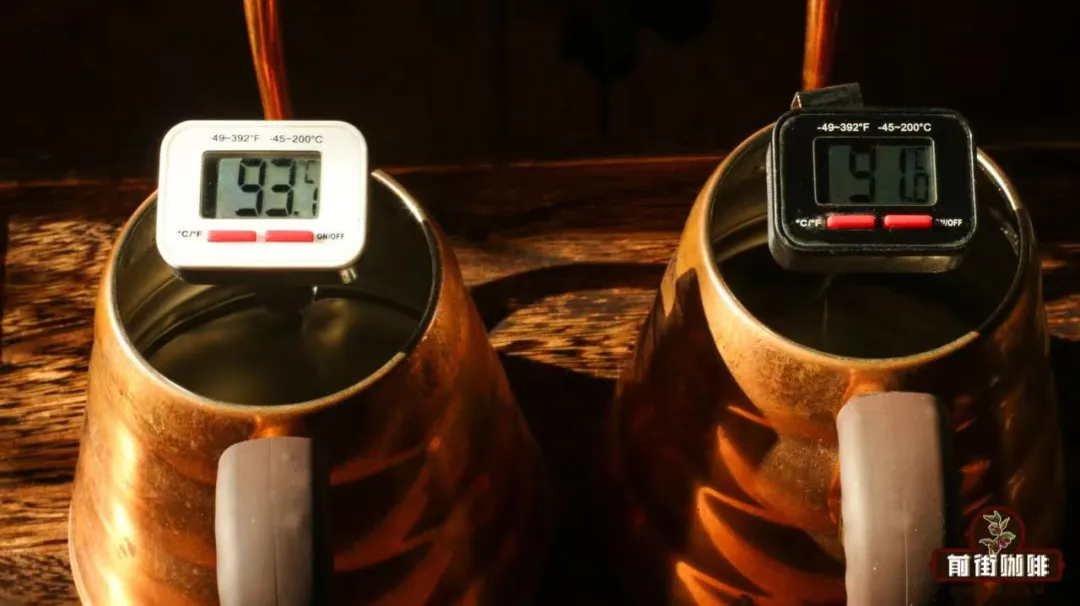
In summary, if you’re brewing a light to medium roast drip bag coffee, it is recommended to usea water temperature of 90°C to 93°C,a total water volume of 140 to 170 milliliters, and to employ3 to 4 segmented poursto complete the extractionin about 2 minutes. If you choose a medium-dark or dark roast drip bag, it is recommended to adjust the water temperature to86°C to 89°C, while keeping the other parameters the same, in order to extract a richer and more balanced coffee flavor.
The above content is compiled by CoffeeHunters, a coffee news website.


