








Introduction:Espresso is not only a national beverage of Italy but also an important symbol of global coffee culture. This article delves into its evolution from its birth in the late 19th century to the present day, analyzing how it has transformed from a simple quick extraction method into the foundation for various classic coffee drinks such as lattes, cappuccinos, and Americanos. It also introduces four blends specifically designed for espresso extraction, detailing their flavor profiles and suitable scenarios to help you better appreciate the charm of this rich beverage.
Espresso has long become a common language among coffee lovers worldwide, but how much do you know about its history and evolution? From the first steam-powered coffee machines in Milan, Italy, to today’s diverse and flavorful coffee drinks, this concentrated essence carries over a century of technological innovation and cultural fusion. This article will start with its background of creation, then introduce key technological advancements, the development of various classic coffee drinks, and recommend several blends suitable for espresso extraction, enabling you to not only understand what you’re drinking but also to appreciate the subtle differences within.
This type of concentrated coffee was first created in Italy in the early 20th century. At that time, Milan inventor Luigi Bezzera, aiming to speed up coffee preparation, developed an extraction system driven by steam pressure. Since the brewing process was extremely fast, Italians named it "Espresso," meaning "fast" or "made to order." However, due to the limited quality of coffee beans and immature technology at the time, the extracted coffee often had a pronounced burnt bitterness and smoky taste, making it far from pleasant in flavor.
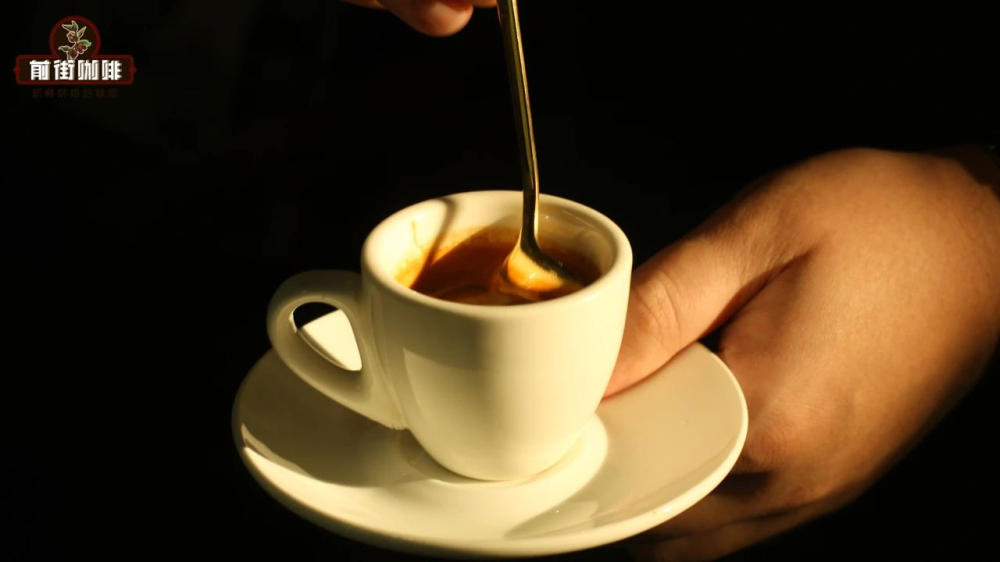
It wasn’t until the 1940s that Gaggia brought a major technological breakthrough. They replaced the steam method with a manual lever system to generate higher and more stable pressure, allowing precise control over water temperature and pressure conditions. This technique resulted in coffee with a beautifully golden crema, along with a smoother flavor and distinct aromatic layers, completely eliminating the previous burnt issues. From then on, espresso truly rose as the representative of Italian coffee culture and gradually influenced the world.
As espresso became popular around the globe, different regions developed various derivative drinks based on local eating habits and taste preferences. For example, adding a large amount of hot water to espresso created the relatively lighter-tasting Americano; combining it with steamed milk gave rise to the widely loved latte; and using less milk with thick foam resulted in the classic cappuccino. Additionally, some variations include adding chocolate or milk foam decorations, evolving into drinks like mochas that combine sweetness with coffee flavors.
It is worth mentioning that modern espresso-making techniques have advanced far beyond those of the original machines. Not only is the extraction pressure and water temperature more precisely controlled, but there are also higher standards for the selection and roasting level of coffee beans. However, many coffee shops still commonly serve espressos with a single bitter note and lack of complexity. In fact, a high-quality espresso should have a rich yet clean taste, a noticeable bitterness that is not burnt, and a sweet, distinct aftertaste.
Since espresso extraction emphasizes stable output and consistent flavor, many cafés opt to use blends to make it. A certain coffee brand, responding to market demand, has launched four espresso-specific blend recipes, each with its unique flavor profile and usage scenario, suitable for different consumer tastes.
The first is "Brand X Premium Blend Coffee Beans," which uses Arabica beans from Brazil and Colombia. This blend emphasizes the aroma and aftertaste of dark cocoa, roasted nuts, and caramel, offering a rich texture and a sweet finish, making it suitable for drinkers who enjoy strong flavors with a touch of sweetness. Next is "Brand X Commercial Blend Coffee Beans," which combines beans from Brazil, Colombia, and Vietnamese Robusta, delivering a bold cocoa and nut profile, ideal for daily consumption by those who prefer a full-bodied taste.
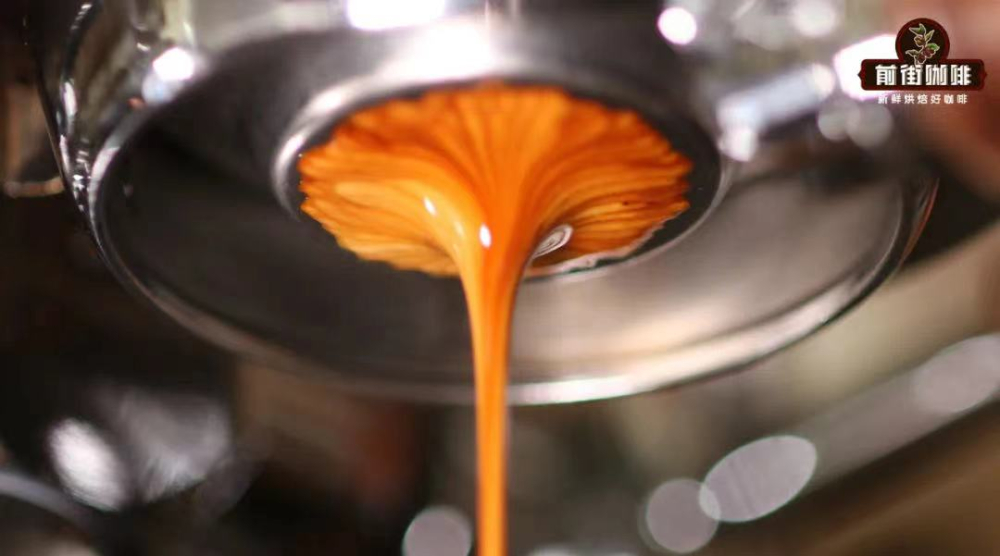
Another option is "Brand X Dark Cocoa Blend Coffee Beans," a moka pot-recommended recipe favored by many baristas. It uses Arabica beans from Yunnan and Brazil, featuring mild fruity acidity, dark chocolate, and nutty aromas. Its flavor is rich yet carries a hint of refreshing acidity, suiting drinkers who enjoy layered complexity. Lastly, there’s "Brand X Strawberry Sugar Espresso Blend Coffee Beans," based on Ethiopian sun-dried Yirgacheffe, paired with honey-processed beans from Colombia and Costa Rica. It presents prominent floral and berry notes, along with a creamy, grape, and blueberry dry aftertaste — a uniquely flavorful and smooth blend.
These blends are not only suitable for making traditional espresso but also serve as the base for many classic coffee drinks. For instance, a latte typically uses a double shot of espresso (about 40g extracted) as the base, then adds about 240ml of hot or cold milk, blended with smooth milk foam to create a balanced and rich taste. A cappuccino emphasizes thick foam, with a recommended foam thickness of about 3cm, paired with a double shot of espresso and 150ml of hot milk, resulting in the classic appearance and mouthfeel reminiscent of a monk’s cowl.
A mocha consists of a double shot of espresso mixed with 20–30g of chocolate syrup or cocoa powder, then combined with about 200ml of fresh milk steamed to 50–60°C. It can be topped with latte art and is a classic drink that merges coffee aroma with the sweetness of chocolate. As for an Americano, it’s made by mixing a double shot of espresso with hot water — the common ratio is 1:6, such as 40g of espresso with 180g of 80°C hot water. For those who prefer cold drinks, ice cubes and room-temperature water can be used instead to create a refreshing yet authentic iced americano.

The above content is compiled by CoffeeHunters, a coffee news website.


