







Introduction:Honey processing is a specialty coffee processing method originating in Costa Rica and popular throughout Central America. By retaining varying degrees of the fruit’s mucilage layer and adjusting sun-drying intensity, it gives rise to three distinct flavor profiles: yellow honey, red honey, and black honey. This article delves into the production processes, drying conditions, flavor profiles, and price differences of each level of honey processing, and helps you understand which brewing methods suit different grades—assisting you in selecting the honey-processed coffee beans that best match your taste.
Honey processing (Honey Processing) is a coffee bean processing method that combines characteristics of both washed and sun-dried methods. It was first improved upon by coffee farmers in Costa Rica based on traditional semi-washed techniques, and is now widely used in Central American producing regions such as Costa Rica and El Salvador. Compared to switching coffee varieties or relocating farms, improving processing methods is a more practical choice for enhancing coffee flavor and economic returns, making it favored by smallholder farmers and cooperatives.
The key to this processing method lies in the “retention of the mucilage layer”—the sticky, sugar-rich substance that coats the seed after the coffee fruit’s outer skin is removed. The mucilage not only affects the drying speed but is also the source of flavor and sweetness. Depending on the proportion of mucilage retained and the intensity of sunlight during drying, honey processing can be divided into three main categories: yellow honey, red honey, and black honey, each with its own unique aromatic profile and market positioning.
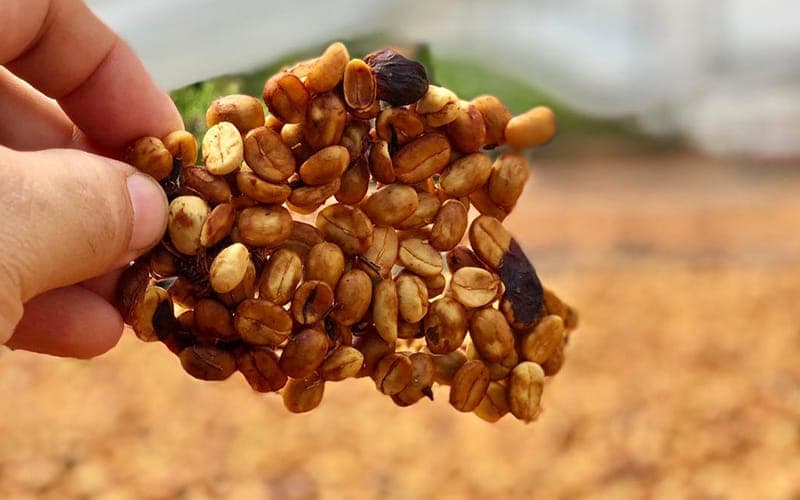
The basic process of honey processing begins with carefully selecting freshly harvested ripe coffee cherries, removing unripe or defective beans through floatation or hand sorting. Next, a pulper is used to remove the outer skin and pulp, leaving only the mucilage layer attached to the seed surface—a step that is crucial in determining the subsequent flavor direction.Generally speaking, yellow honey retains about 60% of the mucilage, red honey retains about 75%, and black honey retains nearly all of the mucilage, close to 100%.The more mucilage retained, the richer the sugars and aromatic compounds released during fermentation, resulting in a more intense final flavor and a more pronounced sweetness.
After pulping, the mucilage-covered coffee beans enter a long period of sun-drying, with the goal of steadily reducing the moisture content to around 11%. Depending on weather conditions and processing experience, this process usually takes between 18 to 25 days. Compared to washed processing, honey processing increases fermentation complexity due to the retained mucilage and places higher demands on temperature and humidity control. Once dried, the beans are finally husked of their parchment layer, bagged, and stored for export.
The flavor profile of honey-processed coffee often falls between the clarity of washed coffee and the intensity of sun-dried coffee—offering softer acidity, prominent sweetness, and noticeable fruity aromas with a rich mouthfeel. As the sugars from the mucilage gradually seep into the seed during drying, these coffees often exhibit layers of caramel, honey, berries, or tropical fruits, making them especially appealing to consumers who enjoy balanced flavors and a rich aftertaste.
In the market, honey-processed beans are commonly graded by color, mainly divided into yellow honey, red honey, and black honey. The differences primarily come from the intensity and duration of light exposure during the drying process. These grades not only influence the flavor profile but also directly relate to green bean pricing and market positioning.
Yellow honey beans are dried under the longest periods of sunlight, typically for about a week,with high light intensity and temperatures, leading to faster drying. These beans have a yellowish surface, a relatively bright flavor, more noticeable acidity, and a mild sweetness, making them suitable for consumers who prefer a fresh and clean taste profile. Due to the easier control of drying conditions, yellow honey also has relatively lower production costs, making it the preferred entry point for many first-time honey-processed coffee drinkers.
Red honey serves as a compromise, with a drying time of about 2 to 3 weeks, typically achieved by using shading or choosing cooler areas to extend the drying period and reduce daily sunlight intensity.These beans have a reddish-brown surface, offer good flavor balance, with moderate acidity and rich sweetness, often featuring aromas of red fruits, honey, or caramel. They suit the taste preferences of most consumers and are also a staple selection in many specialty coffee shops.
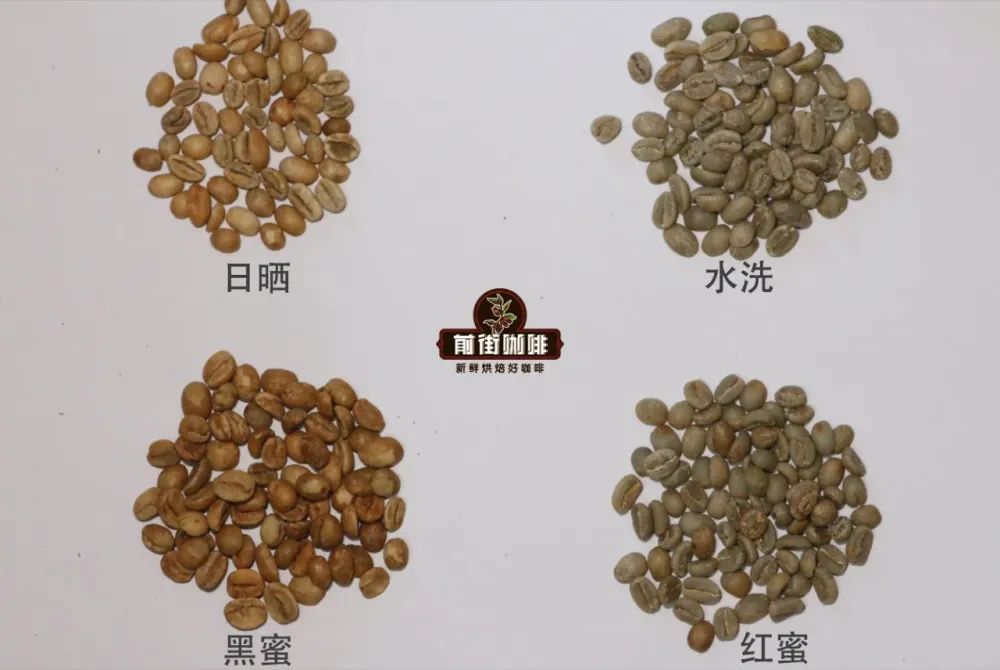
Black honey processing is the most intense grade, involving the longest drying time—requiring at least 2 weeks or more—and is carried out entirely in shaded, low-temperature environments with minimal light exposure for slow drying.Black honey retains nearly all of the mucilage and the inner parchment (up to 100%), allowing for more thorough fermentation, and resulting in extremely rich aroma and sweetness. It often features complex layers of blueberry, blackberry, dark chocolate, or even smoky notes, with a round and full mouthfeel. However, due to the long drying time and management complexity, black honey requires more shading equipment, labor input, and stricter climate conditions, which is why it is usually the most expensive.
From an on-the-ground production perspective, yellow and red honey require relatively lower drying bed capacity and labor allocation, making them suitable for farms aiming for efficiency and stable output. In contrast, black honey processing demands more precise control and is typically undertaken by small-scale producers or specialty coffee associations focused on high-end markets. Take Costa Rica’s renowned “Blackberry” as an example—an medium-light roasted black honey-processed bean that exhibits exceptional sweetness and berry aromas when brewed via pour over, highlights bright and sweet acidity in cold brew, and releases rich chocolate and caramel notes through espresso extraction—it is a classic representation of the black honey flavor profile.
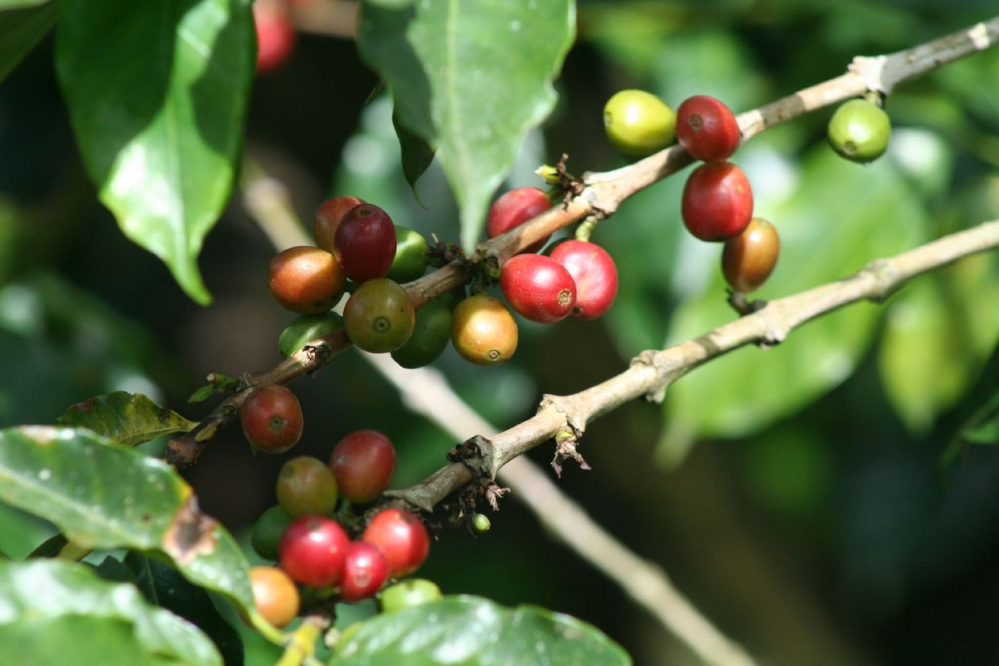
In summary, the charm of honey-processed coffee lies in its ability to create products with diverse flavor layers by controlling the ratio of mucilage retention and the intensity of sun exposure. Whether you prefer the fresh, easy-drinking character of yellow honey or the bold, sweet, and fruity richness of black honey, consumers can find the honey-processed grade that best suits their taste preferences and budget. Understanding these processing details not only helps guide your purchasing decisions but also enables you to better bring out the potential of various honey-processed beans during brewing.
The above content is compiled by CoffeeHunters, a coffee news website.


