







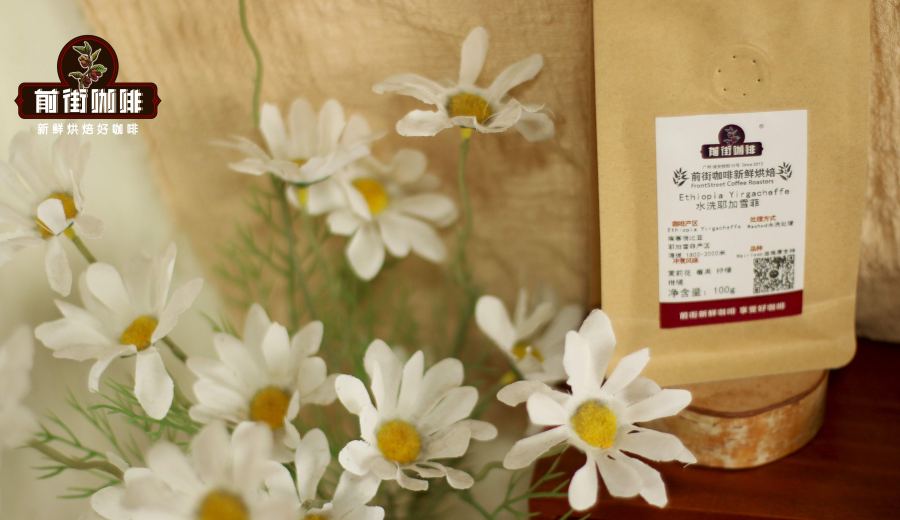
Introduction:Beginners to specialty coffee often feel overwhelmed by the wide variety of coffee bean varieties. In fact, starting with two classic beans—Indonesia’s Mandheling and Ethiopia’s Yirgacheffe—can help you grasp the fundamental differences in acidity, sweetness, and body. This article delves into the regional backgrounds, processing method characteristics, typical flavor profiles of both, and provides practical pour over parameters to help you understand how different brewing methods can bring out each bean’s unique personality.
Many who are new to specialty coffee often don’t know how to choose among the wide array of coffee beans available. For these beginners, experienced baristas typically recommend two highly representative beans—the wet-hulled Mandheling from Indonesia and the washed Yirgacheffe from Ethiopia. The former is known for its deep, rich body with woody and spicy notes, while the latter showcases bright acidity and delicate floral and fruity aromas. Together, one acidic and one mellow, one light and one heavy, they help coffee enthusiasts build a foundational understanding of regional flavor profiles.
This article will guide you through a comprehensive understanding of these two vastly different coffees—from origin environments and processing techniques to flavor characteristics and practical pour over recommendations—step by step immersing you in a world of coffee rich in regional character.
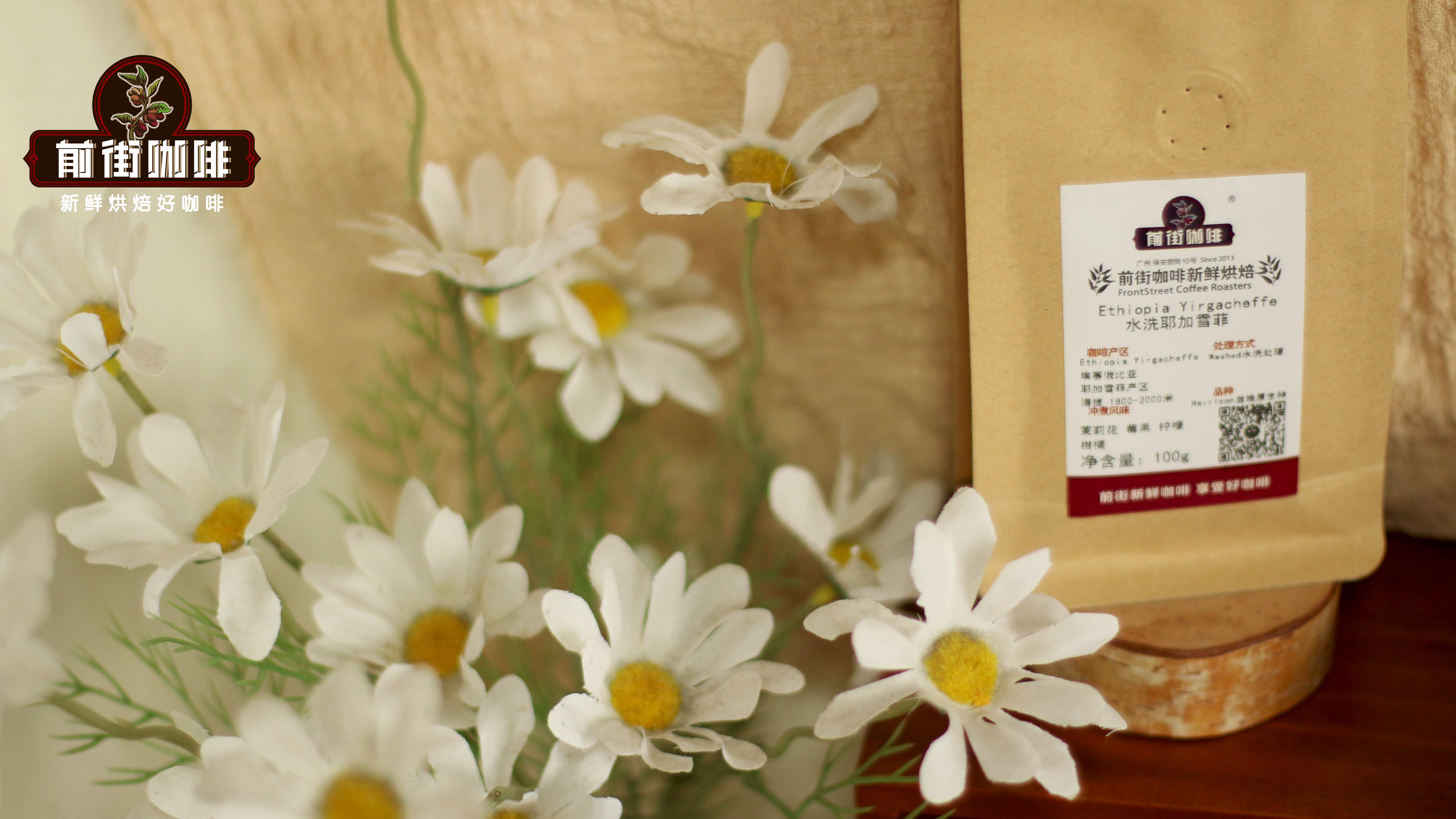
Yirgacheffe was originally a small town in Ethiopia’s Sidamo Province, located in a highland area at an altitude of about 1,700 to 2,100 meters. The name originates from ancient language, where “Yirga” means “to settle down” and “Cheffe” means “wetland,” vividly depicting the foggy and humid environment of the area. Due to the cool climate, large diurnal temperature variations, and the growth advantages provided by high altitude, this place has become one of the highest-altitude specialty coffee regions in the world and is also synonymous with high-quality Ethiopian coffee.
Strictly speaking, Yirgacheffe is a sub-region under Sidamo Province, located in the northwest of the province, adjacent to lakes and mountainous areas, and is one of the coffee-growing areas with the highest average altitude in the country. Because of its unique flavor profile, it eventually became independent from Sidamo and formed its own renowned specialty coffee region. When people talk about the “Yirgacheffe taste,” they usually refer to its pronounced jasmine, lemon or green lime acidity, paired with sweet notes of peach and almond, as well as a soft tea-like finish. The overall flavor is layered, refreshing on the palate with a sweet aftertaste, as if “a hundred flowers were blooming in your mouth,” with a body as delicate as silk gliding across your tongue.
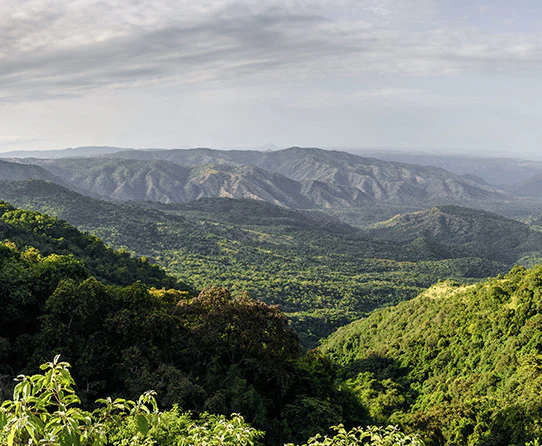
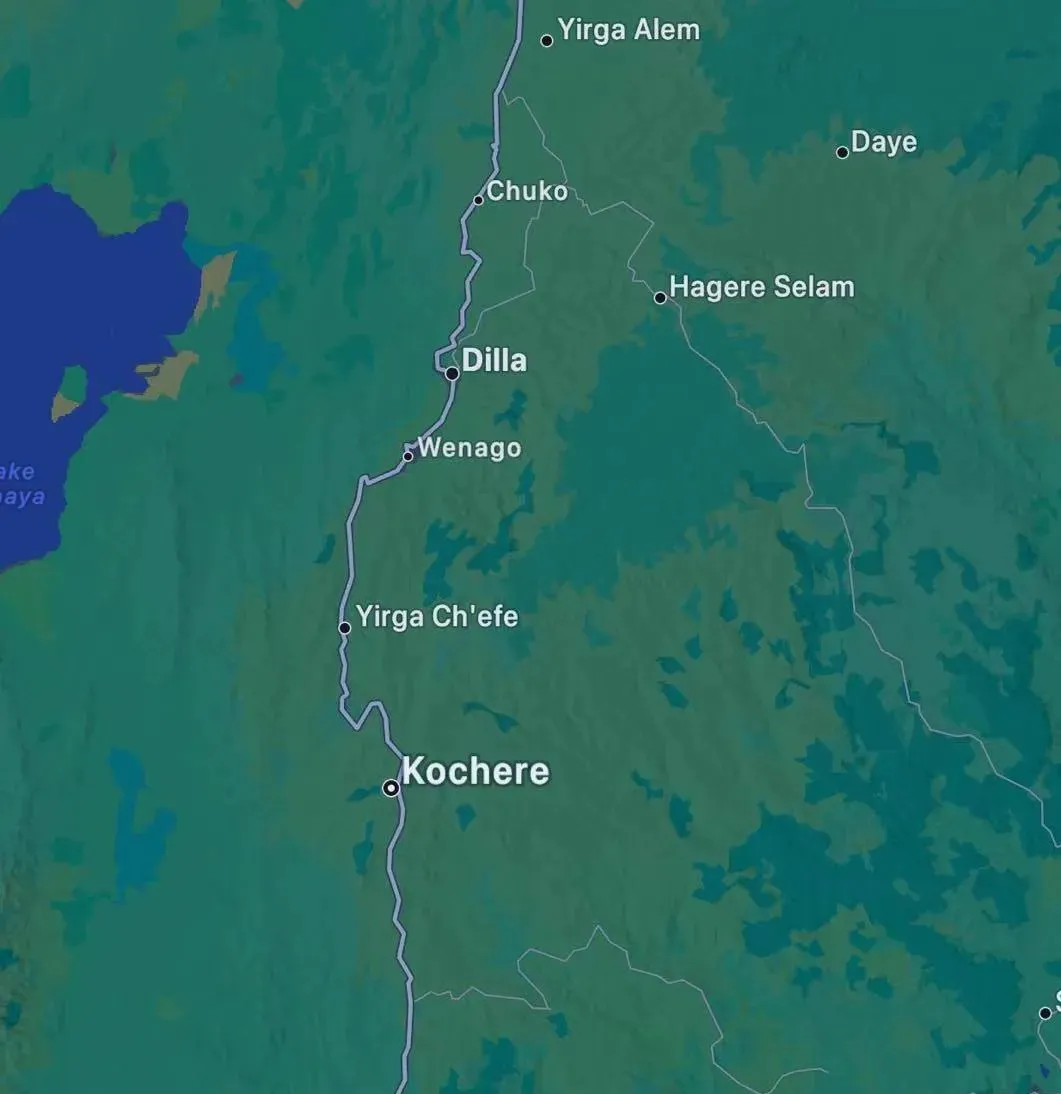
When mentioning Yirgacheffe, one cannot overlook its premium micro-region—Gedeb. This township, located below the town of Kochere and about 60 kilometers from Yirgacheffe, sits at an even higher altitude, ranging from 1,900 to 2,200 meters, with even more favorable climatic conditions. Although Gedeb is categorized under the Kochere region in the Ethiopian Commodity Exchange (ECX) auction system, it actually shares the same administrative level, and in the specialty coffee market, it is gradually being regarded as an independent sub-region on par with Kochere. Well-known villages such as Worka Sakaro, Halo Bariti, Banko Gotiti, and Banko Dahato are all famed for producing high-quality coffee and are sources of many well-known brand offerings.
Next, let’s turn our attention to Southeast Asia’s Sumatra Island in Indonesia to learn about another classic coffee—Mandheling. Interestingly, “Mandheling” is not a region or variety name, but a transliteration of the name of the indigenous ethnic group “Mandailing” on Sumatra Island. The origin of this name has deep ties to the Japanese market. When Indonesian coffee first entered Japan, its calm and rich flavor profile particularly resonated with Japanese consumers. To make it easier to remember and promote, the name of this coffee was borrowed from the local ethnic pronunciation rather than using the lengthy translated place name. Over time, “Mandheling” not only became a bestseller in the Japanese market but also came to represent the high-quality Arabica beans of the entire Sumatra region.
So, what makes Mandheling beans so unique? The key lies in its special “wet-hulled” processing method. Since Dutch colonists introduced coffee to Indonesia in 1699, the island’s humid, rainy climate and high air moisture have made it difficult for coffee beans to dry quickly using traditional sun-drying or washed methods, leading to issues like mold and spoilage. To solve this problem, Indonesia developed the unique wet-hulling process: first, the coffee fruit is depulped, then undergoes a 3-hour water fermentation to remove the mucilage. Next, the parchment-covered green beans are dried only briefly for 2 to 3 days until the moisture content drops to 20% to 24%, and the beans become semi-soft. At that point, a hulling machine is used to remove the outer parchment layer, and the beans are further dried to 13% moisture content before packaging.
Although this processing method improves efficiency, the friction during hulling can easily damage the bean surface, especially forming so-called “elephant ear” notches at both ends of the bean. It also makes the green beans more susceptible to moisture and microbial impact during subsequent drying, thereby imparting the unique woody, spicy, and herbal flavors we are familiar with as the “Mandheling taste”—deep, low-toned, and complex with soil and spicy undertones.
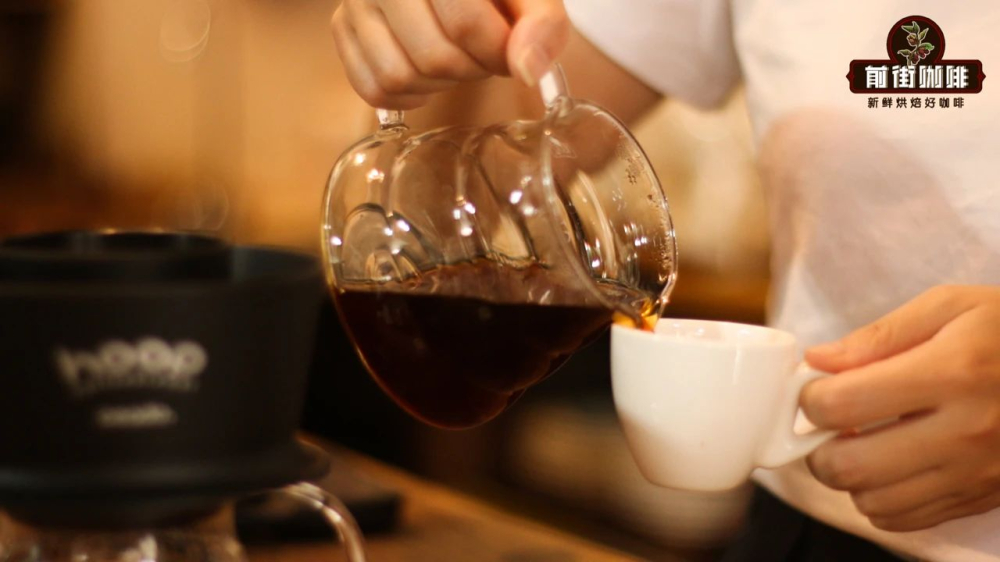
For pour over enthusiasts, how can you extract the unique characteristics of Yirgacheffe and Mandheling? Take Yirgacheffe as an example. Since its flavor profile emphasizes floral, fruity acidity, and tea-like qualities, roasters usually opt for a light roast to preserve more delicate aromas and acidity. Therefore, for pour over parameters, it is recommended to use a higher water temperature and finer grind size to fully highlight its bright citrus and floral notes.
Recommended pour over tools include the Hario V60, with water temperature controlled at around 92°C, coffee dose 15 grams, coffee-to-water ratio 1:15, and a grind size suggested to be medium-fine (about 20-mesh Chinese standard sieve passing rate of 80%). The specific operation can follow a three-stage extraction: first, 30 grams of water for a 30-second bloom, then pour in a small circular motion until 120 grams for the first pour, wait for the water level to drop, then continue pouring to 225 grams before stopping, with a total extraction time of about 1 minute and 50 seconds. This extraction yields a Yirgacheffe that enters the palate with fresh floral notes, subtle fruit acidity, and a slightly astringent yet refreshing green-tea-like finish.
As for Mandheling, since its main flavor axis is deep, low-toned woody and spicy notes, roasters typically roast it to a medium-dark level, loosening the bean structure to facilitate the release of more substances and rich aromas. Therefore, it is recommended to use a medium-coarse grind size (20-mesh sieve passing rate of about 70%), and lower the water temperature to 88°C, to avoid over-extraction and bitterness.
Recommended pour over parameters: coffee dose remains 15 grams, coffee-to-water ratio 1:15, total water volume 225 grams. Use a three-stage pour: start with 30 grams of water for a 30-second bloom, then pour to 125 gramsbefore pausing briefly, wait for the water level to drop halfway, then pour the final stage to 225 grams, with a total extraction time of about 2 minutes. This brew results in a Mandheling with a full and solid mouthfeel, and a caramel-like sweetness and long-lasting aftertaste upon swallowing.
The above content is compiled by CoffeeHunters, a coffee news website.


