








Introduction:To brew a smooth and well-layered Americano using a common home drip coffee maker, the key lies in selecting and blending the right coffee beans. This article will delve into the two main types of coffee blends—pre-roast (生拼) and post-roast (熟拼)—exploring the core goals of stable flavor and balanced taste, while also detailing three practical espresso blend recipes, including the classic combination of Colombian and Brazilian beans. Additionally, it will share key points for making Americano, as well as the differences among popular specialty drinks such as latte, cappuccino, and flat white.
To use a standard drip coffee maker to brew an Americano with balanced flavor and a smooth mouthfeel, the choice of blend is absolutely crucial. This article not only introduces the basic concepts of coffee blends but also explores in depth the differences between pre-roast and post-roast blends, and how to achieve stable flavors and harmonious textures by combining beans from different regions.
In simple terms, a coffee blend is the mixture of two or more single-origin coffee beans in specific proportions, aiming to compensate for the shortcomings of individual beans and enhance or balance overall flavor. For example, if one bean has prominent aroma but a thin body, it can be paired with another that is rich and full-bodied but less aromatic. Through clever combinations, a more complex and enjoyable drinking experience can be created.
Blending methods can be divided into two types: “pre-roast” and “post-roast.”Pre-roast (生拼)refers to mixing green beans from different origins before roasting them together;Post-roast (熟拼)means roasting each type separately before blending them in proportion. Both have their advantages, but post-roast blending allows for individual adjustment of the roast level for each bean, enabling each flavor to be fully expressed.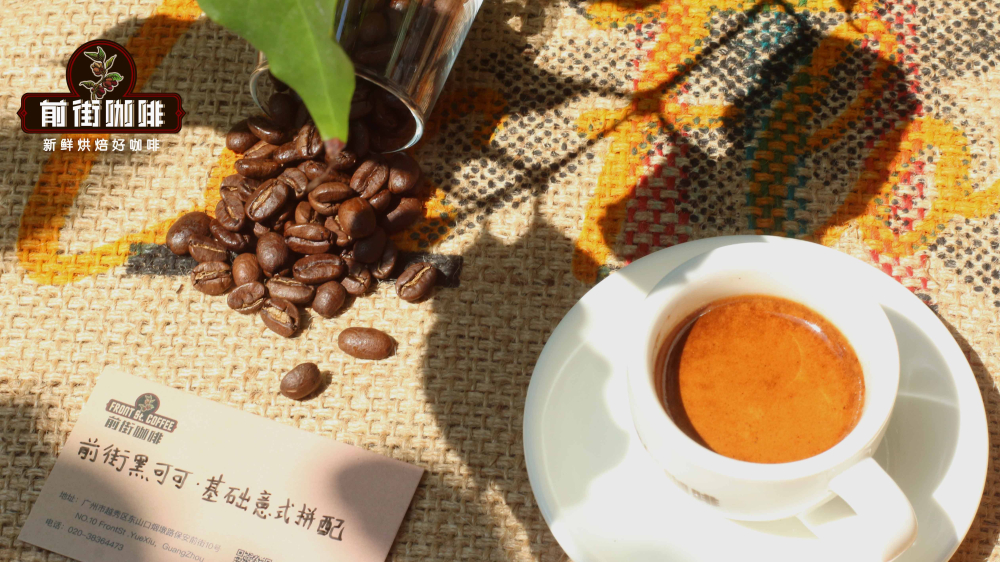
Before blending, it’s essential to understand the characteristics of coffee beans from different regions. Factors such as origin, variety, and processing method greatly influence the final flavor. For instance, Colombian beans often feature aromas of nuts, chocolate, and caramel, while Brazilian beans are known for their body, low acidity, and balance—making them ideal as a base for blends. The primary goals of blending include:Maintaining flavor stability,Balancing taste layersandEnsuring consistent flavor year after year.
Flavor variations in coffee are not only influenced by origin, but processing methods also play a key role. Washed processing often yields clean, bright acidity, while natural or honey processing can add sweetness and fruity notes. Since coffee beans are agricultural products, annual climate and processing conditions may alter flavor profiles. Therefore, blending multiple types of beans can effectively mitigate this variability.
Next, let’s look at three practical espresso blend recipes used in real-world applications. These blends are commonly used to make espresso bases and are also well-suited for brewing with a drip coffee maker.
The first is a “Premium Blend” launched by a certain brand, consisting ofColombian Huila regionandBrazil Cerrado regionbeans. Colombian Huila is renowned for its high altitude and washed processing, delivering flavors of nuts, chocolate, and moderate acidity with a solid body. Brazilian Cerrado, processed with honey method, offers a sweet, smooth profile with subtle grassy notes and a rich mouthfeel, making it an ideal base bean for blending. After medium-dark roasting, this blend is suitable for espresso extraction and can also produce an Americano with soft mild acidity and nutty sweetness.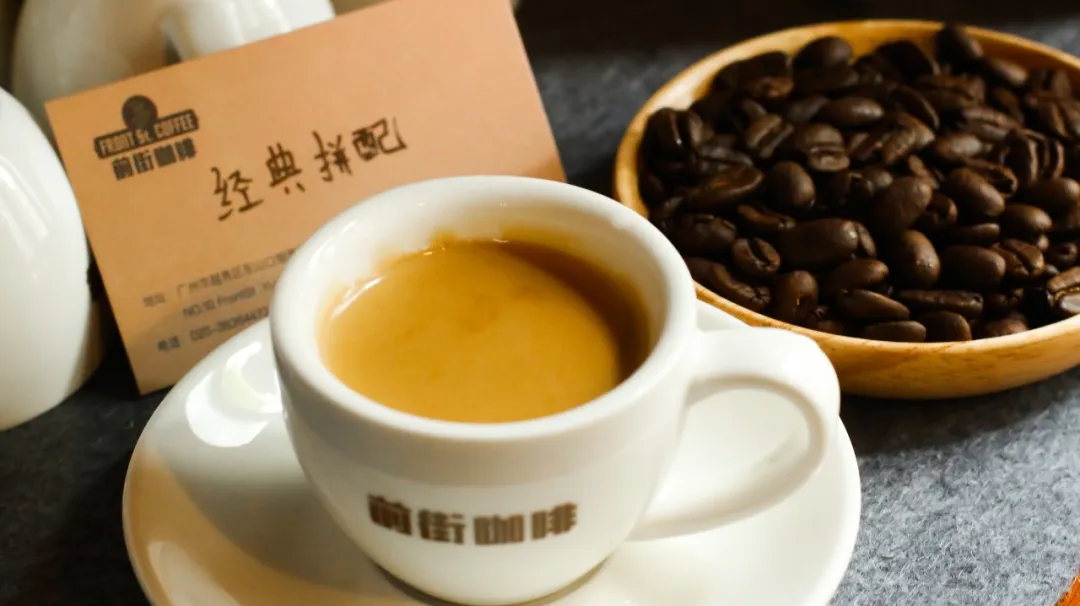
The second is a “Commercial Blend,” made from a mix of Colombian, Brazilian, and a small amount of Robusta beans. Although Robusta lacks the delicate flavors of Arabica, it offers high caffeine content and intense bitterness, which can enhance the richness and crema of the blend—making it suitable for large-scale commercial production. The espresso from this blend typically showcases caramel sweetness, nutty tones, and a lingering black chocolate finish, with balanced acidity and sweetness and a long-lasting aftertaste.
Finally, there’s the “Dark Cocoa Blend,” recommended by many baristas, composed of Yunnan AA and Brazilian beans. The Catimor variety from Yunnan, grown in high-altitude regions with significant day-night temperature variation, delivers a rich, chocolatey, and fruity flavor with a delicate texture. When combined with Brazilian beans, the overall profile features soft fruit acidity, bold caramel sweetness, and dark chocolate notes, with a smooth mouthfeel that suits consumers who prefer low-acidity coffee.
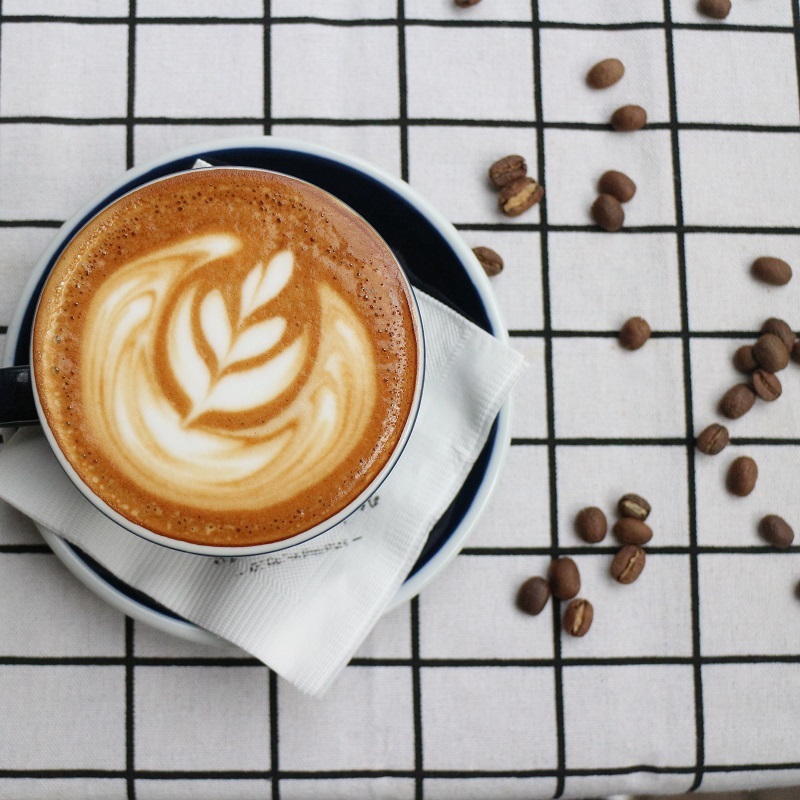
When designing a blend, it’s important to consider the “role” of each bean—whether it contributes acidity, sweetness, or body. Only through a well-balanced proportion can the final flavor surpass that of a single-origin bean. In addition, the choice of roast level is key: dark roasts help bring out caramel and sweet-bitter flavors, while medium-dark roasts balance acidity, sweetness, and body.
Besides blending techniques, understanding the differences among various specialty coffee drinks is also important. For example, a latte consists of a shot of espresso and steamed milk, resulting in a creamy texture and strong milk aroma; a cappuccino contains thicker foam and is lighter in texture; a flat white uses two shots of espresso with a small amount of fine microfoam, highlighting the coffee flavor more strongly. As for affogato, it’s a unique dessert coffee where a shot of espresso is “poured over” a ball of ice cream.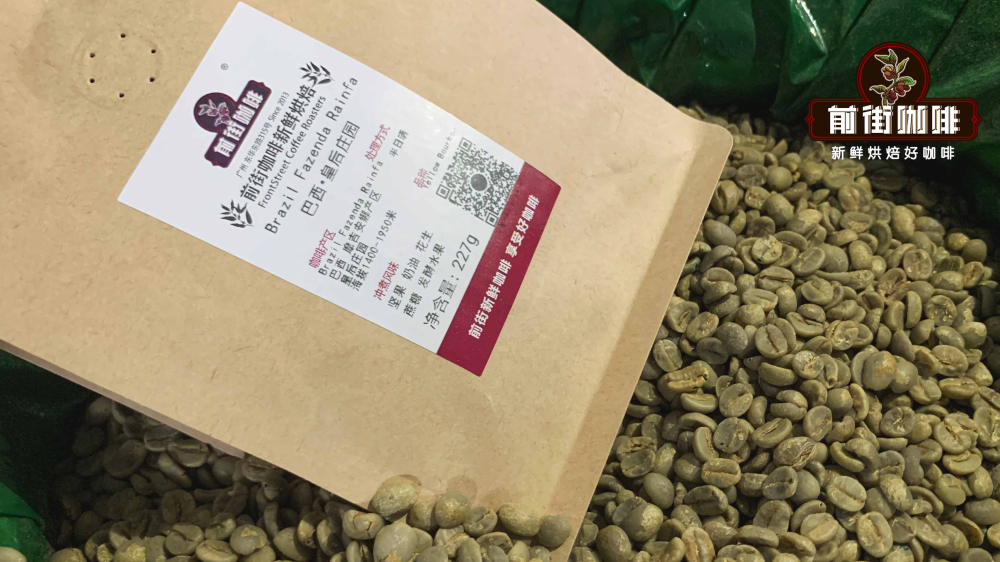
If you only have access to a drip coffee maker, don’t worry. By choosing suitable espresso blends—such as those from Colombia, Brazil, or even a mix with Robusta—you can still brew a flavorful Americano. It’s recommended to use medium-dark roasted blends to balance acidity and bitterness while achieving a rich body. Mixing espresso with hot water in a 1:2 to 1:3 ratio allows you to easily enjoy a smooth and delicious Americano.
The above content is compiled by CoffeeHunters, a coffee news website.


