







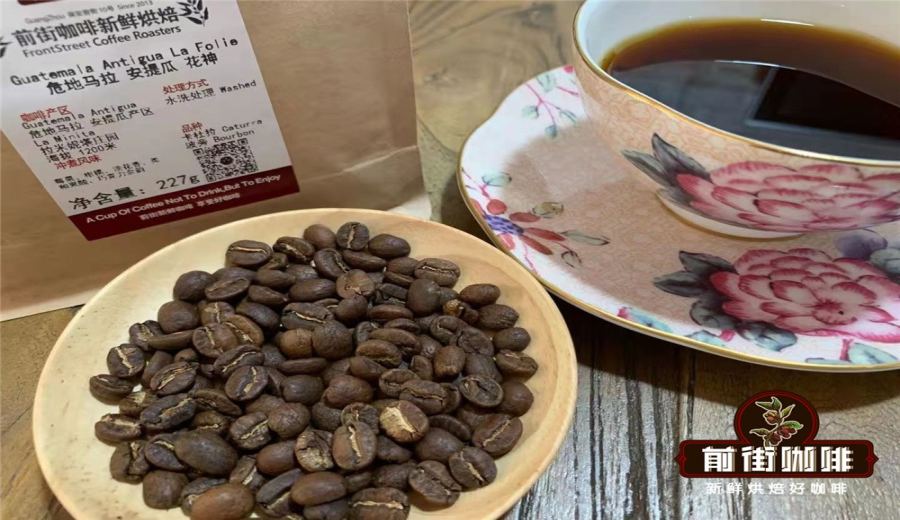
Introduction:Want to understand why Guatemala Antigua’s Fleur de Café beans often have a smoky character? This uniquely flavored Central American coffee, shaped by volcanic soil and high-altitude climate, showcases delicate berry acidity and citrus notes. This article will delve into the growing environment, estate processing methods, and complete pour over parameters to help you brew a balanced and smooth cup.
The Fleur de Café beans produced in Guatemala’s Antigua region often spark discussions among coffee enthusiasts about the origin of their distinctive smokiness. In fact, this unique flavor stems from the region’s mineral-rich volcanic soil combined with the interaction of its high-altitude microclimate, resulting in a coffee with layered aromas and tastes.
Antigua is nestled between three active volcanoes. Not only does the volcanic ash provide the soil with abundant organic matter and potassium, but the mountainous climate with significant day-night temperature variations also helps the coffee cherries ripen slowly, accumulating richer flavor compounds. The coffee here typically features bright acidity and soft sweetness, with drying floral and tea-like notes that are especially noticeable when grinding.
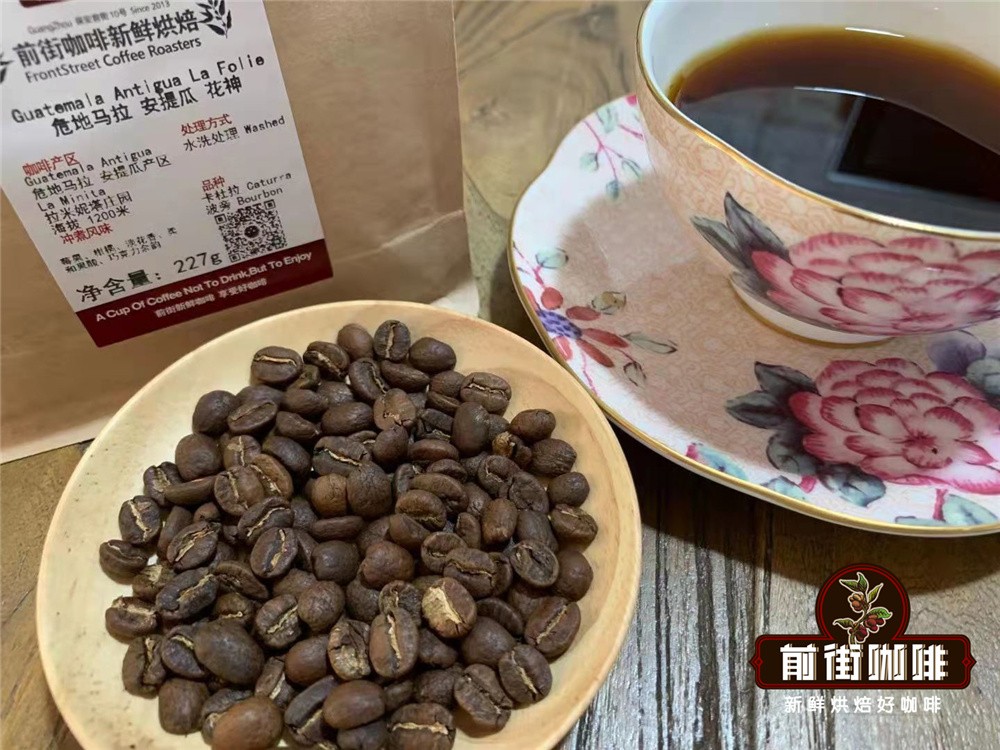
The Fleur de Café beans mainly come from La Minita Estate, a renowned plantation within the well-known Antigua region, celebrated for its rigorous quality control and outstanding processing techniques. The green beans are processed by the local large-scale washed processing facility Las Pastores. Through meticulous washed processing, the final coffee retains a clean and bright profile. Named “Fleur de Café,” these beans emit a dry aroma that blends rich floral notes with subtle tea undertones. When brewed, they present a fresh lime acidity, berry flavors, and a honey-like sweet finish.
In terms of variety, Fleur de Café is primarily composed of Bourbon, Caturra, and Catuai. The Bourbon variety is known for its soft acidity and balanced taste, Caturra offers distinct citrus notes and relatively high sweetness, while Catuai combines stable yield with good disease resistance. The combination of these three gives this coffee a complex yet harmonious flavor profile.
Washed processing is the core technique of this coffee. After harvest, the coffee cherries are first floated in water to remove unripe ones, then the pulp and flesh are mechanically removed, followed by fermentation to break down the mucilage layer. The cleaned beans are thoroughly dried until their moisture content drops to around 11%, facilitating subsequent storage and roasting. Washed processing not only enhances flavor clarity but also intensifies acidity, resulting in a cleaner and purer overall taste profile.
It is recommended to roast this coffee bean to a medium roast level, as this degree of roasting helps preserve the inherent floral and fruity aromas while bringing out a soft sweetness and balanced acidity. For pour over enthusiasts, a medium-fine grind (close to the coarseness of granulated sugar, with approximately 80% passing through a #20 sieve) is ideal, paired with water at around 91°C to fully highlight the layered flavors.
It is recommended to use a V60 dripper for brewing, with a 1:15 coffee-to-water ratio and a total brewing water volume of 225 grams (based on 15 grams of coffee). The specific steps are as follows: First, perform a 30-second bloom with 30 grams of water to help release CO₂ from the coffee grounds and establish a stable foundation for subsequent extraction; then pour water in small circular motions until reaching 125 grams for the first pour, followed by continued pouring up to 225 grams before stopping; once dripping through the dripper is complete, the total extraction time should be controlled to around 2 minutes to complete the brew.
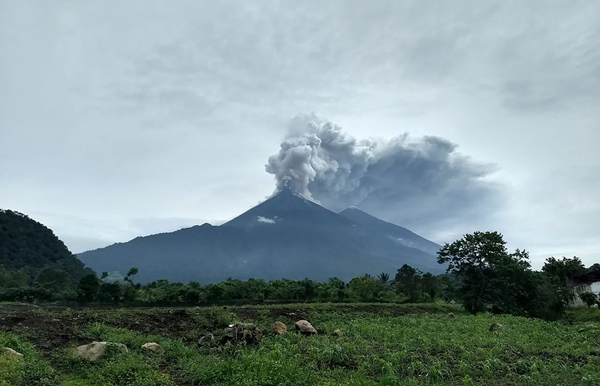
The flavor profile of this coffee is distinctly layered. Upon the first sip, you can perceive a clear berry acidity, followed by distinct citrus notes, with a hint of chocolate in the mid-palate, all contributing to a smooth mouthfeel and long-lasting aftertaste. Some first-time tasters may notice a subtle smoky note, which is actually a hallmark of Antigua’s volcanic soil rather than a defect.
Regarding the storage and aging of the beans, it is recommended to let them rest for 4 to 7 days after receipt to allow the post-roast degassing period to stabilize the flavors. If choosing to purchase pre-ground coffee, although it can be brewed immediately, it is important to note that ground coffee oxidizes more quickly upon exposure to air, leading to faster flavor loss. Therefore, it is best to grind and brew immediately for the optimal tasting experience.
In summary, Guatemala Antigua’s Fleur de Café coffee beans, with their unique regional conditions, rigorous processing, and balanced flavor profile, are an excellent choice for exploring Central American coffee flavors. Mastering the correct brewing parameters and proper bean care will allow you to more fully appreciate the multi-layered charm of this coffee.
The above content is compiled by CoffeeHunters, a coffee news website.


