








Introduction:To brew a cup of pour over coffee with balanced flavors, every detail from coffee dosage, brew ratio to pouring technique holds key nuances. This article is based on the Golden Cup extraction theory, analyzing the golden ratio of 15 grams of coffee grounds and 225 milliliters of water for a single serving. It will guide you through the impact of water temperature and grind size on flavor, and break down in detail the timing of blooming for degassing and three-stage pouring. We’ll also compare different techniques such as stirred blooming and Japanese drip-style brewing, helping you find your own ideal brewing method.
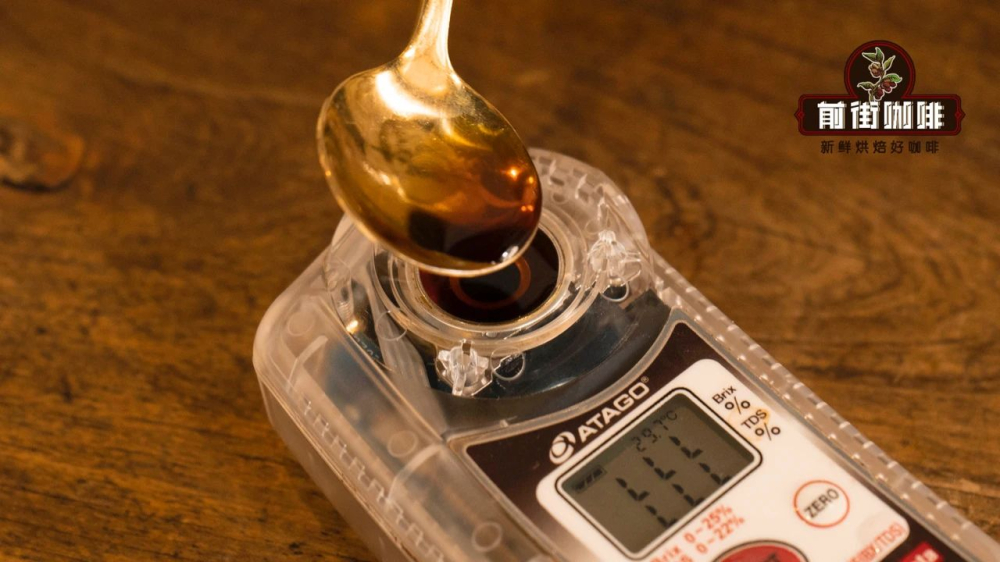
When brewing pour over coffee at home, one of the first challenges many people face is: how much coffee grounds should be used? This question is actually tied to the “Golden Cup” principle in coffee science. According to the Specialty Coffee Association of America (SCAA), a well-brewed cup of pour over coffee should have an extraction yield of soluble solids between 18% and 22%, while the total dissolved solids (TDS) concentration in the brewed coffee should remain between 1.2% and 1.45%. In simple terms, this means that most of what we’re drinking is still water, and the key lies in precisely extracting the “essence” from the 30% of soluble substances found in coffee beans.
In practical terms, to achieve a coffee liquid concentration within this ideal range, the brew ratio is generally recommended to be kept between 1:12 and 1:15. Many coffee enthusiasts eventually settle on the 1:15 ratio — for example, using 15 grams of coffee grounds with 225 grams (approximately 225 milliliters) of water, which is just right for a single serving. For a double serving, simply increase the coffee grounds by 10 grams (totaling 25 grams of grounds and 375 milliliters of water), but note that a thicker coffee bed may slow down water flow and increase the risk of over-extraction. Beginners are advised to start with a single serving.
With so many variables affecting the flavor of pour over coffee, why is the “brew ratio” so important? Because it is the foundation that determines extraction efficiency. When the brew ratio is too large (for example, 1:18 or above), the coffee may taste weak and lack complexity; conversely, if the ratio is too small (such as 1:10 or below), it can easily lead to over-extraction, resulting in bitter and off flavors. Some coffee industry teams have found in practical testing that the 1:15 ratio can strike a balance between flavor clarity and smooth mouthfeel, making it a good starting reference point for most coffee beans — of course, if you prefer a stronger or lighter taste, you can still adjust slightly according to personal preference.
Next, let’s focus on the specific parameters for a single serving brew. Taking commonly used light roasted coffee beans as an example, it is recommended to use 15 grams of coffee grounds with 90°C hot water, and set the grind size to medium-fine (similar to the size of fine sugar crystals, about 80% passing rate through a Chinese standard No. 20 sieve). This grind size allows the water to fully contact the coffee grounds without being so fine as to clog the water flow. As for water temperature, 90°C is a balanced point: too low (e.g., below 83°C) may not sufficiently extract the aroma and sweetness of the coffee, while too high (above 94°C) can easily bring out excessive bitter substances. Japanese baristas often prefer lower temperatures (around 85–88°C), as their immersion-style brewing method better suits the characteristics of light roasted beans.
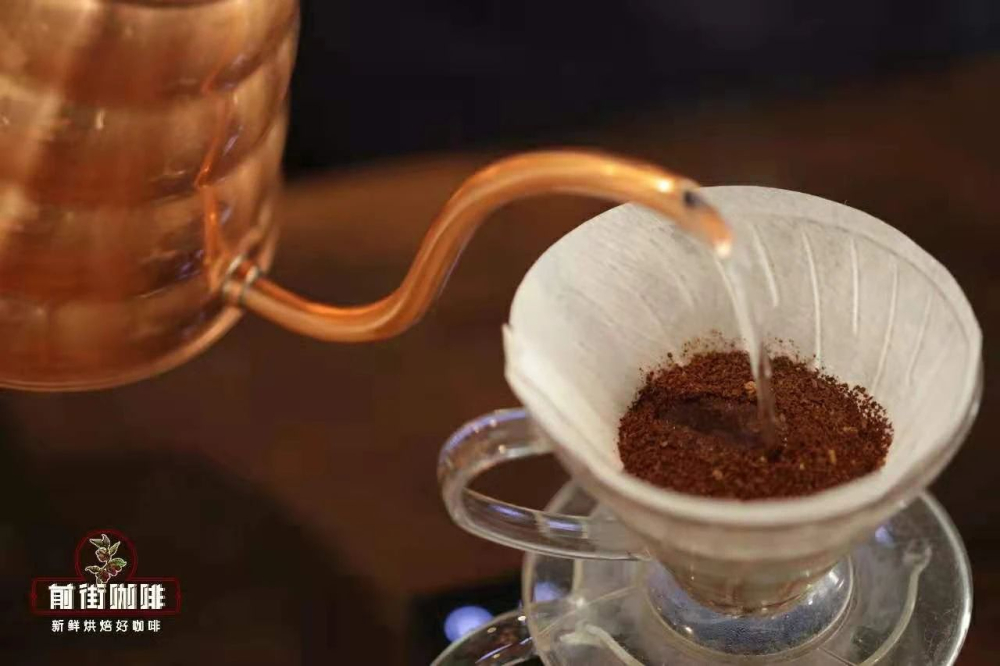
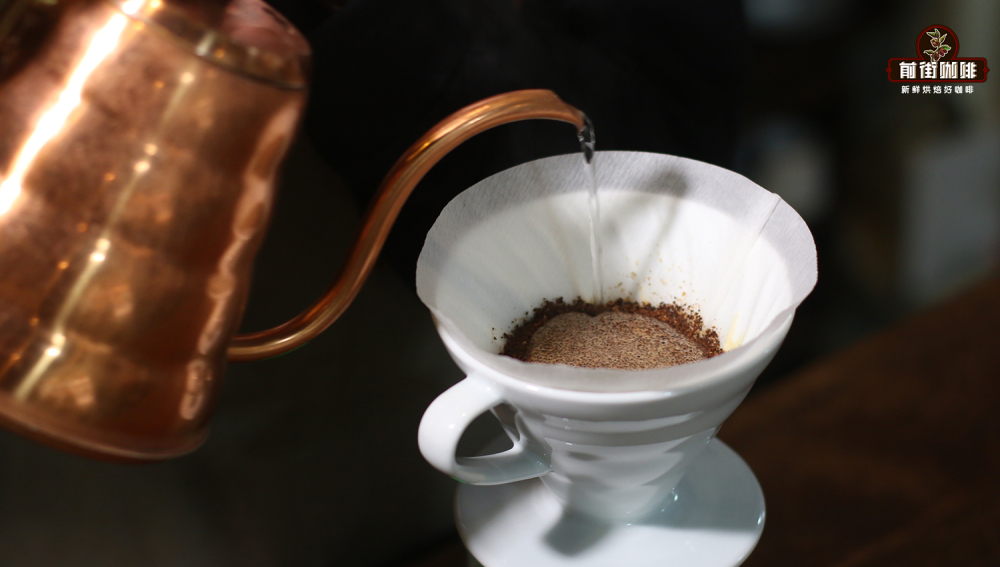 Speaking of the brewing process, the most common “multi-stage extraction” can be divided into three stages, and the first step is the crucial “bloom.” The purpose of blooming is to allow the coffee grounds to release carbon dioxide trapped during the roasting process — if these gases are not released, they can impede water penetration and lead to uneven extraction. Freshly roasted coffee beans (especially light roasted ones) usually produce more bubbles, while dark roasted beans may have larger but fewer blooming bubbles. When blooming, first gently flatten the coffee grounds, then pour a small, circular stream of water, using about twice the weight of the coffee grounds (for example, 30 grams of water for 15 grams of grounds), keeping the time around 30 seconds. Pay attention to the expansion and contraction of the coffee bed: when the surface has finished expanding and begins to wrinkle, that’s the sign that blooming is complete. If the blooming time is too long (over 40 seconds), it may introduce unnecessary bitterness; if too short (less than 20 seconds), it may lead to insufficient extraction later.
After blooming, move on to the second stage of pouring: start with a small stream of water, beginning at the center and slowly circling outward to roughly the size of a one-yuan coin, avoiding directly hitting the edge of the filter paper. At this stage, control the water volume to ensure the water level does not exceed the height of the coffee bed. Stop pouring as the water stream approaches the filter paper. The focus here is on maintaining a “stable water flow,” allowing the water to uniformly penetrate the coffee bed, avoiding over- or under-extraction in localized areas.
The third stage of pouring begins when the coffee bed at the edge of the filter paper thins out due to absorption and the water level drops to about half. Again, start pouring in a circle from the center, observe the speed at which the water level drops, and continue pouring until the total water volume reaches 225 grams (completing the 1:15 brew ratio). At this point, pay attention to the density of the foam — if there is too much foam on the surface, you can slightly enlarge the pouring circle to promote the rolling of coffee particles, helping the soluble substances dissolve more evenly. But remember to avoid frequent pauses in pouring, as prolonged soaking of the coffee grounds may lead to astringency in the final sip.
To summarize the full brewing process for this coffee: use 30 grams of water for a 30-second bloom, then pour in a small stream in circles until reaching 125 grams and pause, then continue pouring once the water level drops close to exposing the coffee bed until reaching 225 grams, and finally remove the filter cup when the water level nears the coffee bed again. The total brew time is about 2 minutes. This rhythm clearly brings out the bright acidity of light roasted coffee in the early stage, the sweetness in the middle, and the aftertaste at the end.
Besides the three-stage pouring method, there are other common techniques worth knowing. For example, the “stirred bloom method” is suitable for those seeking high aroma from light roasted beans — gently stirring in a cross pattern with a stirring tool during the bloom stage can accelerate the release of aromatic compounds, but be mindful not to grind too finely (to avoid over-extraction), and it requires higher quality coffee beans. The Japanese “drip-style infusion method” uses an extremely fine stream of water that drips slowly, minimizing disturbance to the coffee bed, suitable for medium to dark roasted beans. It extracts a rich sweetness and smooth mouthfeel, typically requiring a wide-spout gooseneck kettle and a conical filter cone (like Kono), with a total brew time that may reach 4–5 minutes.
The “one-pour (一刀流)” method involves pouring all the water continuously after blooming without any interruption, suitable for those with good water control skills. It maintains balanced flavors but requires avoiding water seeping from the edges which could introduce off-flavors. The “volcano pour (火山衝)” originates from Japan and is designed for dark roasted beans. It involves pouring water in a fixed spot at the center of the coffee bed to agitate the carbon dioxide, followed by even replenishment to prevent localized over-extraction. It is often paired with a cloth filter or V60 filter cone. After brewing, the coffee liquid needs to be stirred to ensure uniformity, but be cautious as high temperatures may affect the serving temperature.
No matter which method you choose, the key lies in understanding the core logic of the “Golden Cup” extraction: by adjusting the brew ratio, water temperature, grind size, and pouring rhythm, you can achieve the best balance of coffee flavor compounds. Beginners are advised to start with the three-stage pouring method, gradually getting familiar with how the coffee grounds react, then try other advanced techniques to find the brewing method that best suits your personal taste.
The above content is compiled by CoffeeHunters, a coffee news website.


