








Introduction:As one of the oldest varieties of Arabica, Typica has been renowned for its delicate acidity and rich fruity notes since its introduction to Yunnan in 1904. This article will take you on an in-depth journey through the historical roots of Typica, the terroir characteristics of Yunnan’s Baoshan and Lincang regions, and the flavor differences brought by washed and natural processing methods. Additionally, it offers practical brewing parameters for both pour over and espresso, helping you fully experience the unique charm of this classic variety.
Typica (Typica) is one of the most representative and ancient varieties of Arabica coffee. Its elegant flavors and refined mouthfeel have secured it a place in the global specialty coffee scene. In Yunnan, this variety was first introduced to Zhukula Village by French missionaries in 1904, where it gradually took root and became a foundational element of early Yunnan small-bean coffee. Even though the market today is dominated by high-yield, disease-resistant Catimor, there are still growers dedicated to quality who choose to cultivate Typica, striving to showcase its purest flavor potential.
Tracing Typica’s history in Yunnan, the first coffee trees were planted by French missionaries in Zhukula, western Yunnan, in 1904. Before the 1980s, small-bean varieties including Typica and Bourbon were widely cultivated. The so-called small-bean varieties refer to Arabica types with relatively small fruits, distinctly different from the medium-bean Robusta grown in places like Hainan. Typica is known for its refined floral and fruity aromas, soft acidity, and rich aftertaste. Renowned varieties such as Blue Mountain and Hawaiian Kona belong to this family. However, due to its tall tree structure, weak disease resistance—especially to leaf rust and nematodes—and low yield, many farmers have shifted to more profitable alternatives.
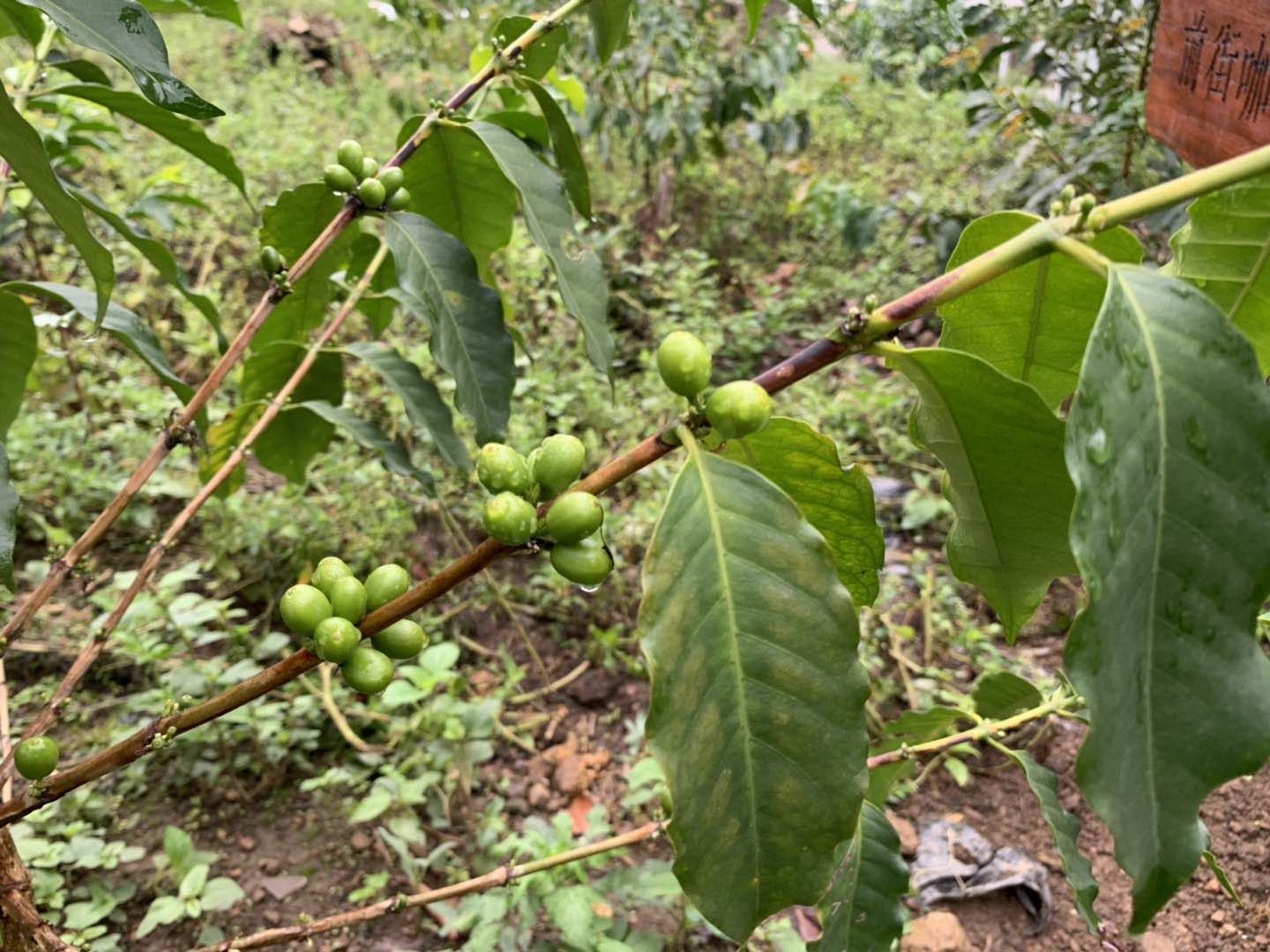
Although Yunnan now primarily cultivates Catimor, there are still farmers and brands enamored with the flavors of Typica. A brand’s "2013" series, for example, is a carefully cultivated product derived from the Typica variety. This article will focus on Yunnan’s Baoshan and Lincang regions, analyzing how Typica expresses itself under different terroirs through washed and natural processing methods, and providing reference brewing parameters for both pour over and espresso, offering a deeper understanding of this classic variety’s diverse profiles.
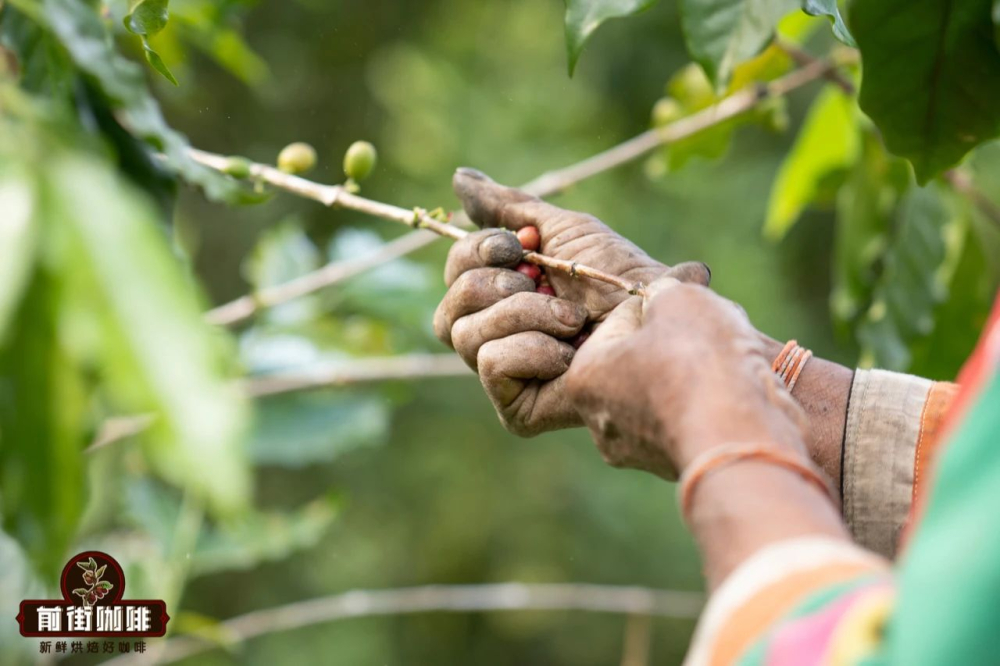
As one of the cradles of coffee development in Yunnan, Baoshan’s Luguangba area boasts the largest coffee plantation base in the country, with Xinzhai Village being honored as the “Number One Coffee Village in China.” The region enjoys a mild climate, frost-free year-round, fertile soil, and abundant water resources, providing an ideal growing environment for coffee trees. The main harvest season runs from November to March of the following year, during which farmers carefully select ripe red cherries from the slopes for subsequent processing.
In terms of processing methods, the Baoshan area predominantly uses the washed method, not only because of the relatively abundant local water supply but also to effectively manage occasional rainfall during the harvest season. A brand’s Baoshan Huaguoshan Typica is processed using the washed method, where the fruit is removed through pulping and fermentation, followed by proper drying. This method highlights Typica’s fresh floral and fruity tones, resulting in clean and bright flavors, often with pronounced citrus and berry notes, along with a smooth and rounded mouthfeel—ideal for coffee lovers who prefer a refreshing flavor profile.
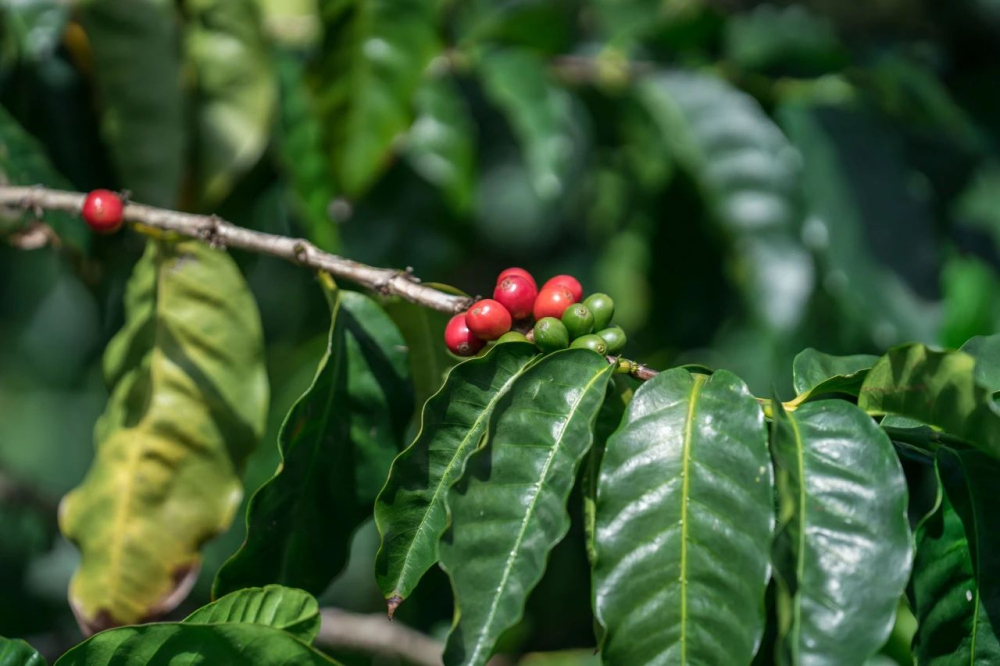
Compared to Baoshan, the Lincang region presents a different climate profile. Influenced by the warm, humid air currents of the Indian Ocean and the southwest monsoon, Lincang experiences less distinct seasons but clear wet and dry periods, with long sunshine hours, ample rainfall, and frost-free conditions in some areas throughout the year. It features a typical three-dimensional climate, making it highly suitable for the growth of Arabica varieties. A brand began its coffee cultivation project in Lincang in 2013, personally overseeing site selection, seedling cultivation, harvesting, and processing, and after years of nurturing, harvested its first Typica fruits in 2020.
Due to Typica’s inherently weak disease resistance and low yield, its cultivation requires greater care and management expertise. The brand ultimately chose to process these Typica beans using the natural sun-dried method. After rigorous flotation, the coffee cherries were spread out under the sun to dry slowly, with regular turning to ensure even fermentation. Once the cherries turned from red to dark purple and reached the desired moisture content, they were hulled and roasted. This processing method imparts a richer fermented aroma to the coffee, often presenting complex layers of caramel, berries, and black tea, with notable sweetness and a long-lasting aftertaste.
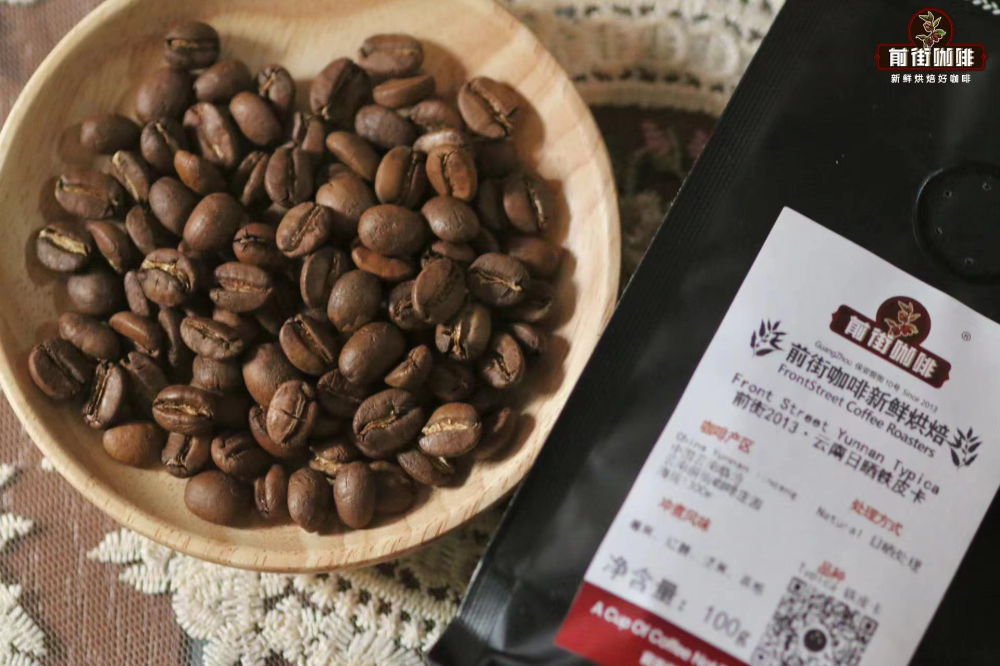
In terms of roasting and brewing, a brand recommends a medium roast for Yunnan Typica to balance its acidity and body, highlighting its distinctive fruity and sweet characteristics. For pour over, it is suggested to use a V60 filter, with medium-fine grind size (between fine sugar and white sugar) and water temperature between 90°C and 93°C, using a steady medium stream to extract a balanced flavor profile. This brewing method fully showcases Typica’s delicate floral notes and fruity acidity, making it ideal for pour over enthusiasts who enjoy a crisp taste.
Is Typica suitable for espresso? The answer is yes. With a moderate roast level, Yunnan Typica can also display a rich array of textures. A brand’s in-store SOE (Single Origin Espresso) uses sun-dried Typica, medium-roasted to deliver aromas of brown sugar, chocolate, and nuts, with balanced acidity and bitterness—suitable for both espresso and milk-based drinks. Using a commercial Lelit Bianca coffee machine as an example, with a double basket (approximately 18–20 grams of coffee), a brew ratio of 1:2 is recommended—that is, 20 grams of coffee grounds yielding 40 grams of espresso—in a time range of 28 to 30 seconds to achieve the best balance of flavors.
For those who wish to further enjoy this espresso, it can be diluted with hot water to make an Americano, with a recommended ratio of 1:4—that is, 40 grams of espresso mixed with 160 milliliters of hot water. This enhances the lingering notes of plum, dried apricot, nuts, and subtle black tea, resulting in a smoother and more layered overall flavor, perfect for daily drinking or as an excellent choice for beginners.
The above content is compiled by CoffeeHunters, a coffee news website.


