







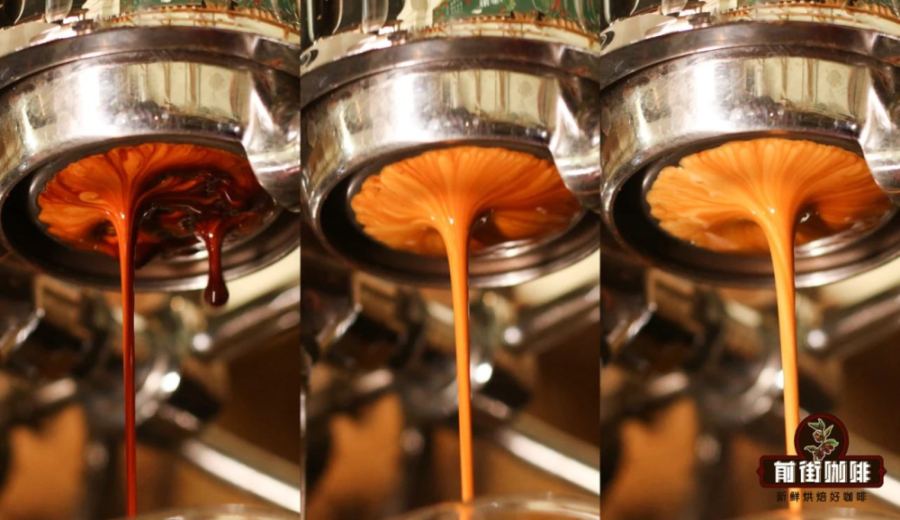
Introduction:Delve into the roasting philosophy and market evolution behind Italian-style blends, starting with the techniques of pre-blending and post-blending, as well as the rise of SOE (Single Origin Espresso). We’ll walk you through the origin profiles, roasting strategies, and practical applications of four classic Italian blends, along with standard ingredient ratios for espresso, latte, cappuccino, and other specialty drinks. Whether you're a coffee enthusiast or industry professional, you'll find useful blending knowledge and inspiration here.
The evolution of Italian-style coffee blends has shifted from early practices that favored dark roasts and mixed Robusta for bold flavors, gradually progressing toward a more refined balance of specialty quality and diverse flavor profiles. Through systematic organization, this guide explores the core concepts of blending—not only clarifying why blending is necessary, but also analyzing in depth the pros and cons of pre-blending vs. post-blending, the rationale and limitations behind the SOE trend, and detailed introductions to four representative Italian blend recipes.
These blends not only incorporate selected beans from renowned origins such as Huila (Colombia), Cerrado (Brazil), Yunnan AA (China), and Mandheling (Indonesia), but also showcase a spectrum of layered flavors—from nuts and cocoa to berries and cream—through scientific roasting and clever blending. Additionally, the article includes golden ratio recommendations for common Italian-style drinks like espresso, latte, cappuccino, and flat white, serving as a practical guide for both coffee professionals and advanced enthusiasts.
Blended coffee, also known as mixed coffee, centers on combining single-origin beans from different regions, varieties, and processing methods to complement each other’s strengths, achieving a more stable and layered overall profile. For example, when a bean excels in aroma but lacks body, blending it with a richer-textured variety can enhance the overall cup. Compared to single-origin coffee, blends emphasize harmony and balance in overall flavor, making them especially suitable for classic Italian coffee preparations like espresso, americano, and latte.
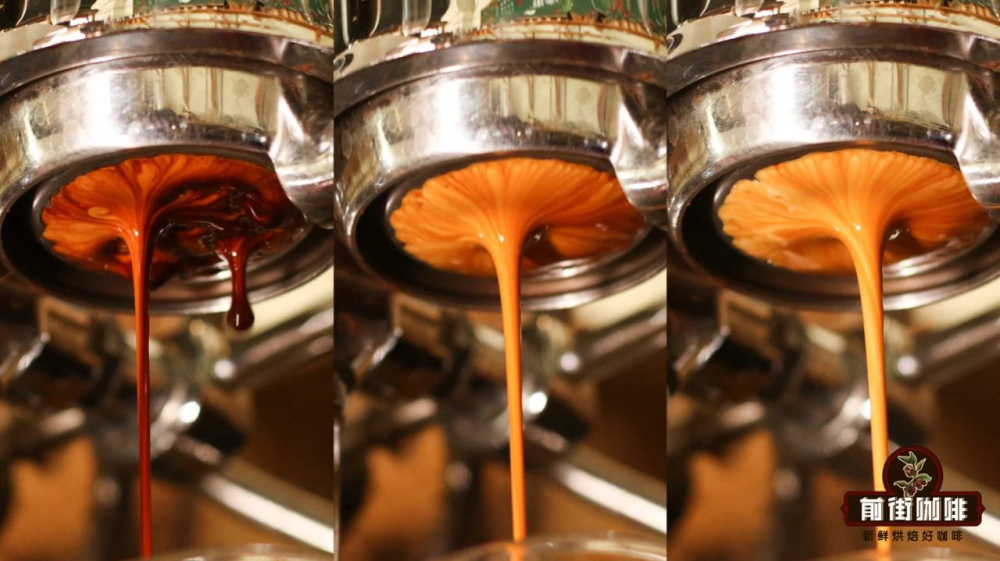
In terms of blending methods, there are two mainstream approaches: “pre-blending” and “post-blending.” The former involves mixing green beans from different origins before roasting them together, while the latter means roasting each origin’s beans separately and then blending them according to need. Pre-blending helps maintain consistent roast levels across the blend, ensuring stable flavor and simplified quality control, as it only requires managing the resting period for a single batch. However, this method works best only when the beans have similar densities; forcing light and dark roast beans to roast together may lead to flavor imbalance. Additionally, inconsistent roast dates among beans can also cause flavor fluctuations.
In contrast, post-blending requires tracking multiple batches of roasting and resting schedules, but allows for individual adjustment of roast levels based on each bean’s characteristics, fully unlocking their unique flavors. For instance, a classic blend employs a post-blending strategy, treating Brazilian Red Bourbon, Indonesian Mandheling, and Robusta separately, precisely controlling heat application time and temperature to amplify aromas of dark chocolate, roasted chestnuts, and cocoa, while also enhancing crema performance.
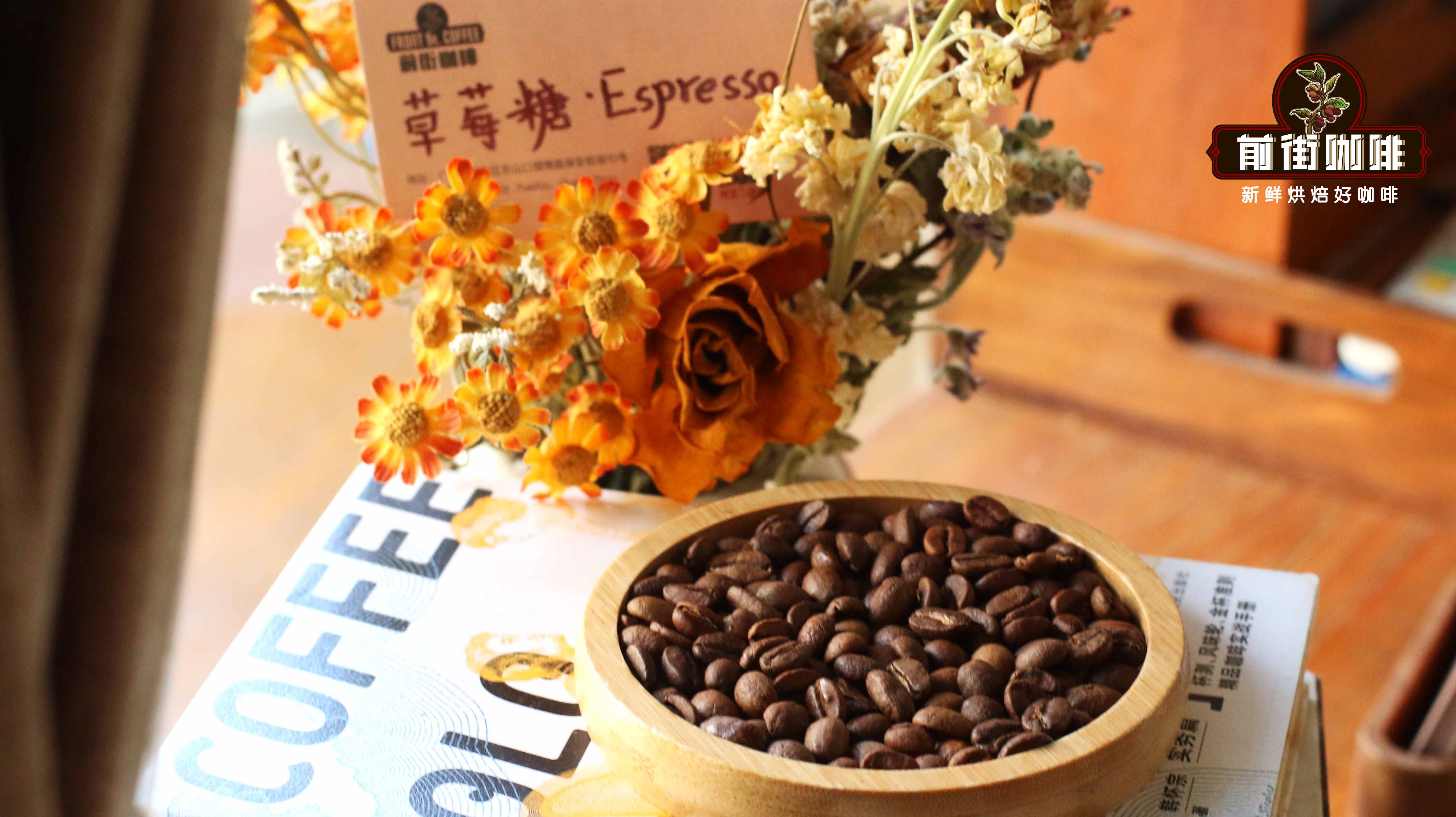
When planning a blend recipe, the first step is to thoroughly analyze the flavor profiles of beans from each origin—including acidity, sweetness, body, aroma, and bitterness—with the goal of achieving balance through scientific proportioning. For example, coffee from Colombia’s Huila region, grown at elevations of 1500–1800 meters and typically processed using washed methods with Bourbón and Caturra varieties, offers notes of nuts, chocolate, and caramel, with moderate acidity and a solid mouthfeel, making it an ideal base component in blends.
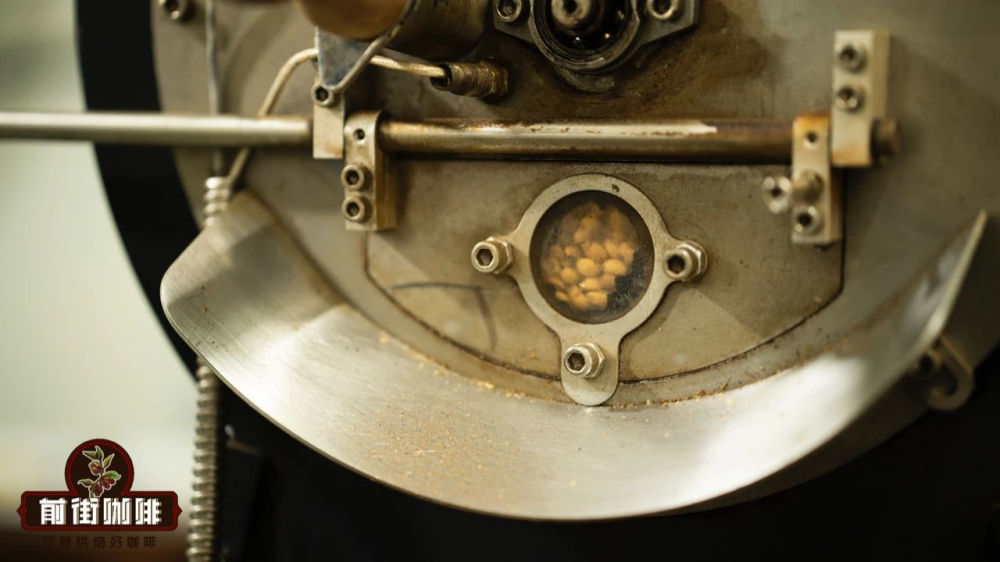
Brazilian Cerrado coffee, grown at lower altitudes (around 1000–1300 meters) with softer beans and processed via semi-pulped natural methods, requires medium heat control during roasting to avoid excessive high temperatures that could lead to burnt bitterness. Roasters fine-tune the heat during the drying and first crack phases, allowing this bean to express a smooth and mellow character with subtle grassy notes, ultimately providing a stable, rich base and creamy texture in the blend.
Italian commercial blends further incorporate Robusta beans, leveraging their high caffeine content and intense bitter richness to create a classic flavor profile with abundant crema and pronounced notes of caramel and dark chocolate. These blends achieve a balanced sweet-and-acidic taste with a long-lasting finish, and due to their cost-effectiveness and consistent performance, they are widely used in coffee shops and beverage outlets of all sizes.

Another barista-recommended blend, the Dark Cocoa mix, primarily uses Yunnan AA and Brazilian beans, aiming to deliver a low-cost yet flavorful nutty-cocoa profile. Yunnan AA, a Typica variety, though less resistant to disease, thrives in high-altitude environments with large diurnal temperature variations, showcasing a mellow acidity and rich fruity notes. When paired with Brazilian beans and adjusted through proper roasting and grinding, this blend delivers soft fruit acidity, caramel sweetness, and a dark chocolate aftertaste—making it particularly suitable for small coffee shops, bakeries, or daily drink outlets.
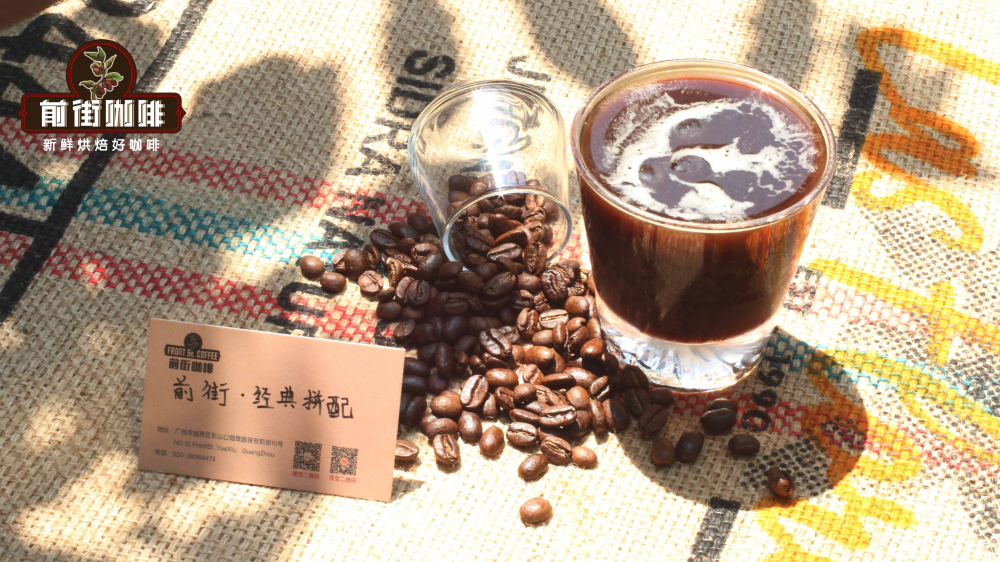
In practical application, the success of a blend hinges on clearly defining the roles of primary and secondary beans, and refining the flavor combination through repeated cupping and roasting adjustments. Whether the goal is stable flavor, balanced mouthfeel, or crafting complex aromas that single-origin coffees can’t achieve alone, blending remains an indispensable skill and art for baristas.
Finally, to help readers fully grasp the application of Italian coffee, we also briefly explain the differences and basic ratios of common specialty drinks like espresso, macchiato, latte, cappuccino, and flat white—giving you a comprehensive understanding of the charm and practical value of Italian blends, from roasting to brewing.
The above content is compiled by CoffeeHunters, a coffee news website.


