







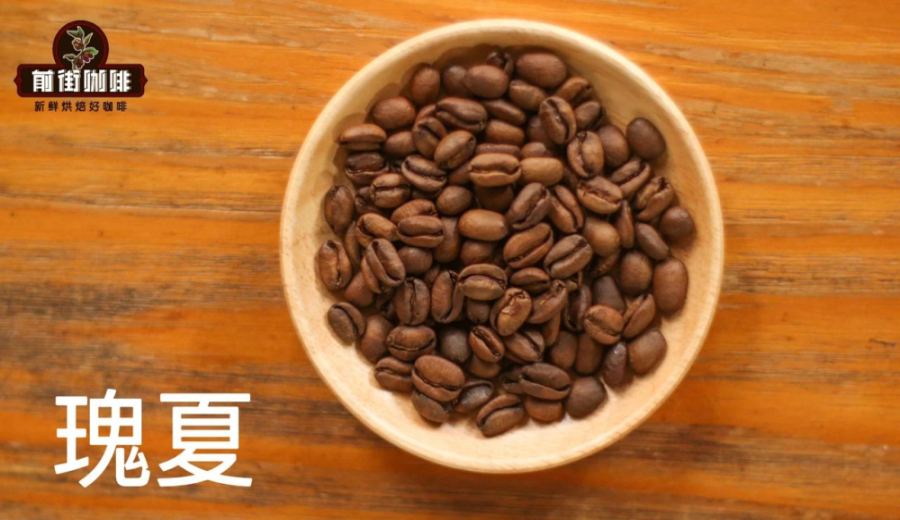
Introduction:Geisha coffee has consistently ranked among the most expensive coffees in the world. What key factors lie behind its elegant floral and fruity aroma and high price? This article delves into the grading system, regional characteristics, and market positioning of Panama's Hacienda La Esmeralda Red and Green Label beans, while also providing expert pour-over recommendations and parameter settings to help coffee enthusiasts better understand the unique charm and brewing techniques of this top-tier bean variety.
When it comes to specialty coffee, Geisha is almost synonymous with high prices and exceptional flavor. Whether or not you've brewed it yourself, this variety is often equated with "expensive" and has repeatedly claimed the title of the world’s most expensive coffee. So what makes Geisha stand out, and why does it command such a high price? The answer lies in its genetic makeup, growing environment, processing methods, and scarcity.
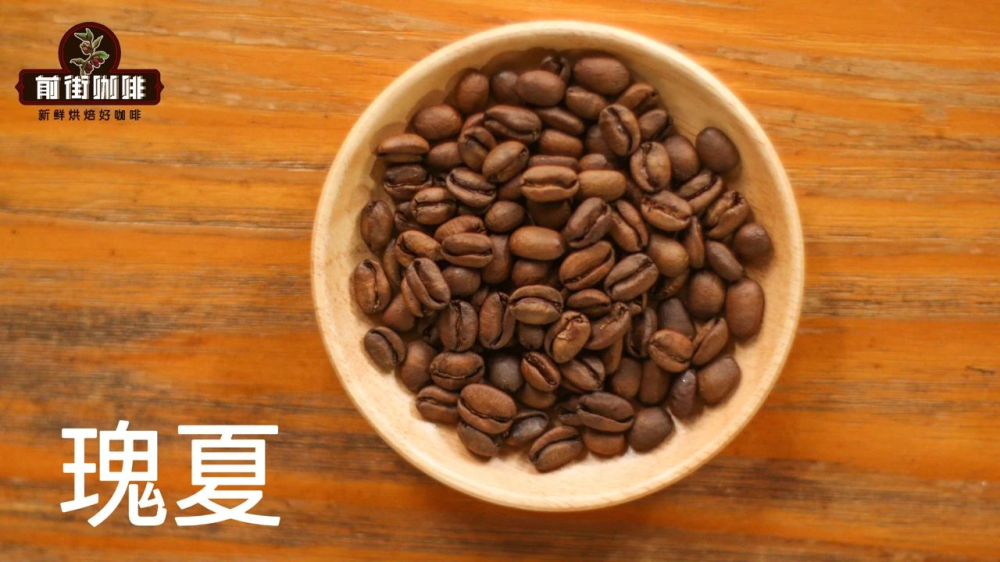
Some joke that specialty coffee beans can be divided into two categories: Geisha and all other Arabica varieties. Though said in jest, it reflects the lofty status Geisha holds in the industry. This ancient variety from Ethiopia gained global acclaim after being rediscovered at Panama's Hacienda Esmeralda, dazzling the world with its delicate floral notes, bright acidity of citrus and stone fruits, creamy mouthfeel, and a finish reminiscent of oolong tea or honey sweetness—creating a sensory experience akin to sipping fine tea.
Coffee is fundamentally an agricultural product, and its flavor profile is deeply influenced by variety, altitude, climate, soil, and cultivation practices. Post-harvest processing and roasting then play crucial roles in highlighting and amplifying these traits. The exquisite expression of Geisha is the result of a perfect synergy of all these elements.
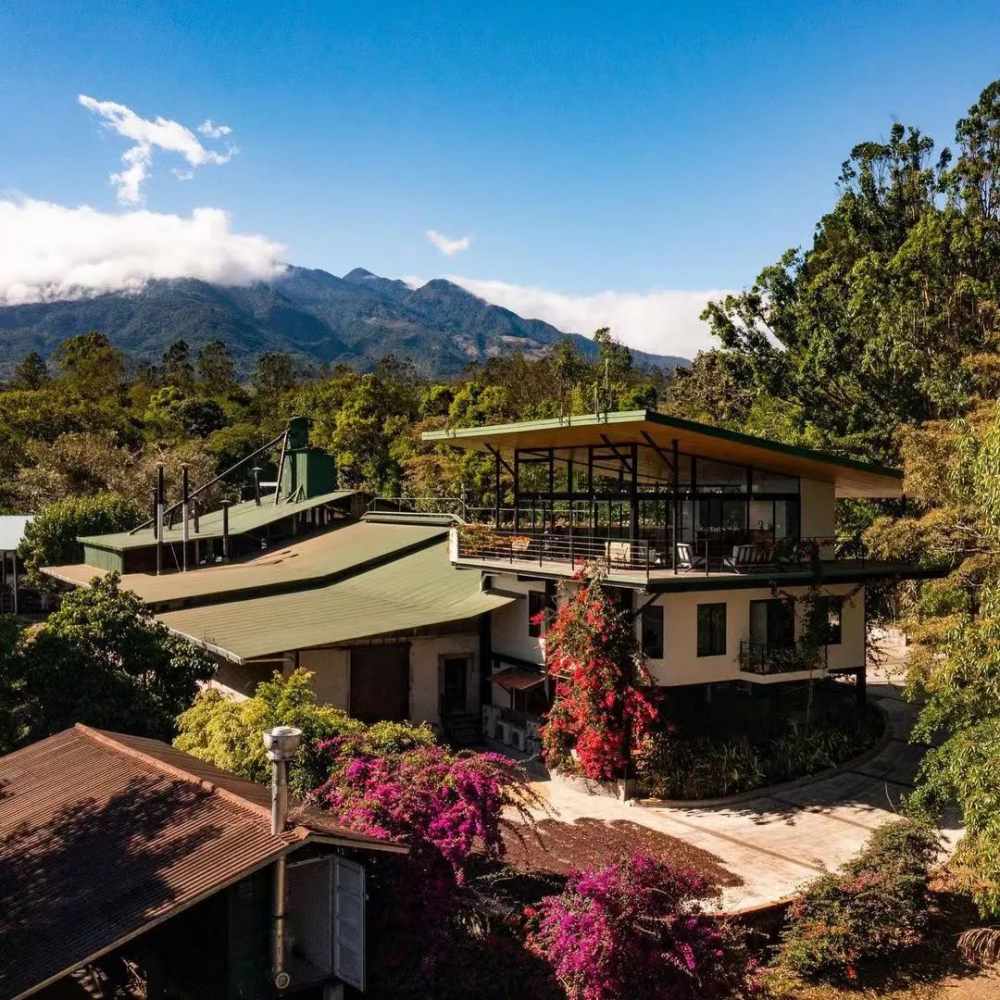
Beyond its outstanding flavor, Geisha is prized for its extremely limited production. Panama’s annual national coffee output is around 10,000 metric tons, yet the renowned Hacienda Esmeralda produces only about 150 bags of green beans annually—equivalent to roughly 9,000 kilograms. If we estimate that Geisha accounts for just 3% of that, its yearly output amounts to no more than about 270 kilograms. Coupled with longstanding media attention and strong consumer demand, its scarcity naturally drives prices to remain sky-high.
Additionally, Geisha not only yields poorly per plant but also has extremely demanding growing requirements. It thrives at high altitudes in fertile, well-drained soils and needs protection from cloud cover or shade trees, as it cannot withstand intense direct sunlight. Its leaves are thinner, resulting in lower photosynthesis efficiency, and its root system is relatively fragile, absorbing water and nutrients at a slower rate—all of which limit yield. Moreover, fruit ripening is slower at high altitudes, and the output of a single Geisha tree is only half that of the Catuaí variety, further enhancing its rarity and value.
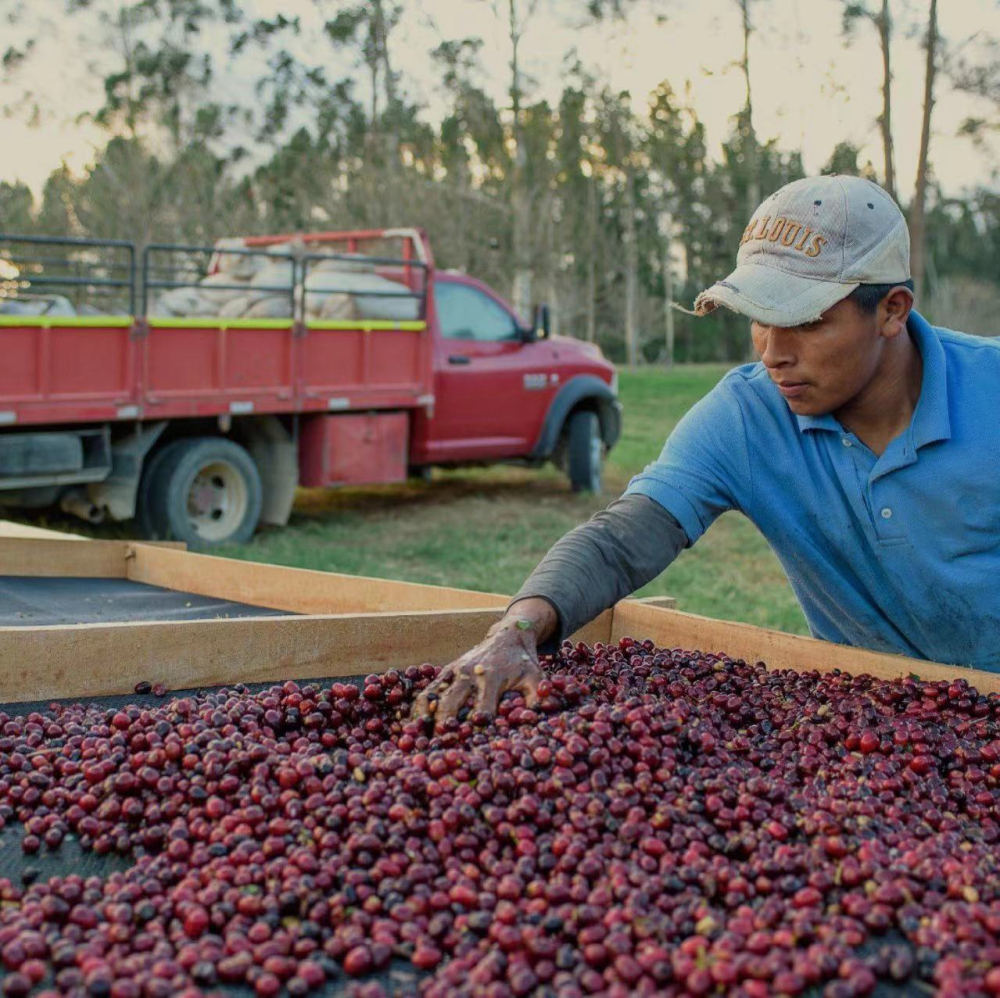
According to the Hacienda Esmeralda owner, cultivating Geisha requires extensive shading trees to filter sunlight, and traditional pruning techniques must be used in the early stages; otherwise, the plants may die. As altitude increases, the fruit ripening cycle lengthens, and the flavor complexity deepens. However, this also raises the bar for harvesting timing—it must be done manually at peak ripeness and processed immediately. Any misjudgment or labor shortage can lead to flavor loss or even crop damage, making Geisha production exceptionally challenging.
Geisha’s international reputation is inseparable from Panama’s Best of Panama (BOP) competition. As recalled by Daniel Peterson, the third-generation owner of Hacienda Esmeralda, during the 2003 competition, he unexpectedly discovered that Geisha exhibited unique flavors such as jasmine, citrus, peach, blueberry, bergamot, and sugarcane—distinct from the mainstream preferences of the time. Even so, he decided to enter Geisha into the competition, which ultimately won first prize and launched the variety’s legendary journey.
In 2005, Hacienda Esmeralda submitted Geisha to the Specialty Coffee Association of America (SCAA) competition, where it defeated numerous popular varieties to claim a world-class specialty coffee honor. It went on to win the championship again in 2006 and 2007, solidifying its top-tier status. Although many regions—including Yunnan—have since cultivated Geisha, the industry generally agrees that Hacienda Esmeralda not only maintains the strictest quality control but also uses natural processing methods that best showcase the classic "Geisha flavor."
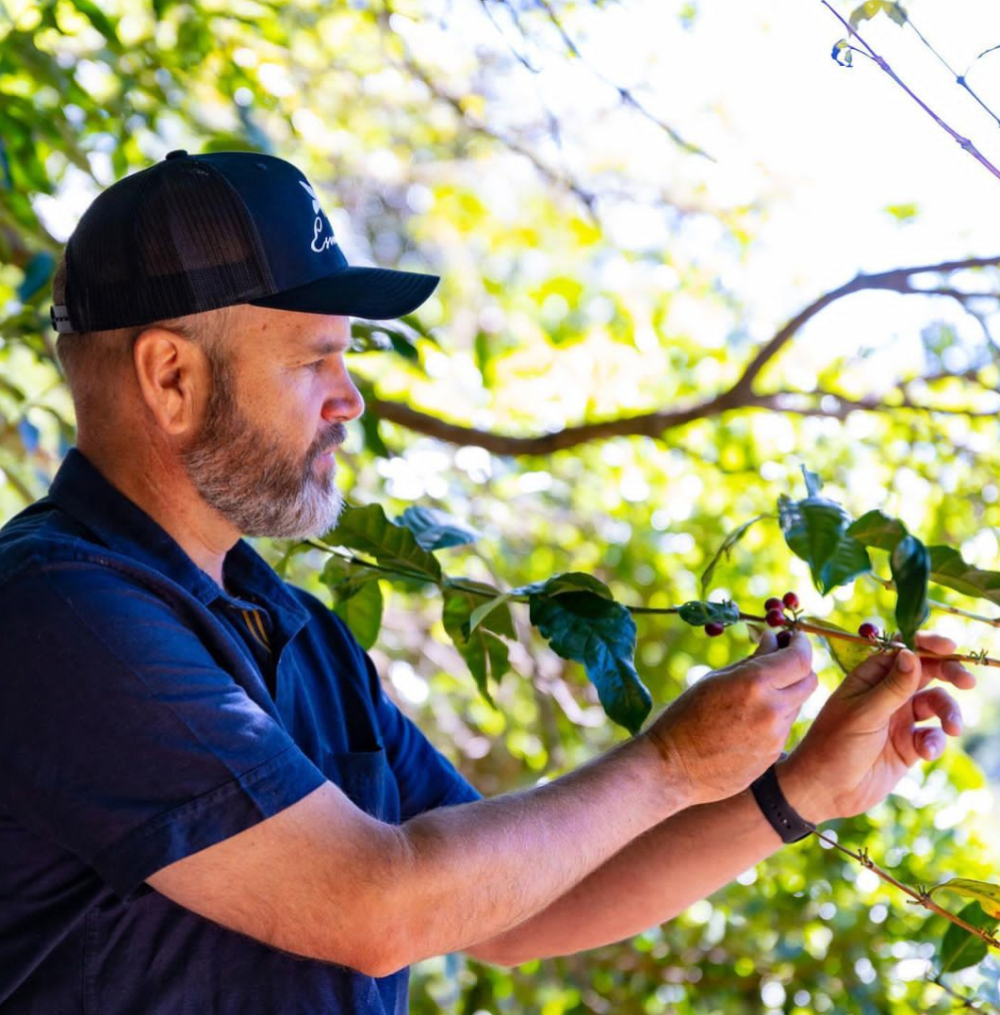
Within Hacienda Esmeralda’s product line, Geisha is divided into two main categories based on grade: Red Label and Green Label. For example, the common Hacienda Red Label Natural typically sells for about 75 yuan per cup when brewed via pour-over, while the washed Green Label is around 60 yuan. The Red Label is officially known as "Hacienda Esmeralda Special ESMERALDA SPECIAL," or the auction lot, with a bright red label background. The Green Label is commonly referred to as "Private Collection," named for its green-labeled design.
Red Label Geisha is sourced from high-altitude regions between 1,600 and 1,800 meters, primarily from the Jaramillo and Cañas Verdes farms, with cupping scores frequently exceeding 90. While high altitude increases planting and harvesting difficulty, it also results in richer floral and fruity notes. The estate holds an annual independent auction, with specific plots entered as auction lots—each with a unique number corresponding to the full harvest of a single plot. One of the most famous examples is the Mario plot at Jaramillo farm, where the supplier’s Red Label Natural Geisha originates, processed using the natural method.
The Green Label consists of non-auctioned but still high-quality Geisha blends, harvested from different plots across the two main estates at altitudes of around 1,600–1,800 meters. Cupping profiles often feature bright notes of lemon, berries, pomelo, and Tieguanyin tea. Starting in 2022, Hacienda Esmeralda began labeling Green Label batches with specific sub-farm information, allowing consumers to discern subtle flavor variations based on terroir differences.
The supplier recommends that for experiencing the classic "Geisha flavor," light roasting is key to preserving the maximum floral and acidic qualities. Roasting curves are adjusted according to processing methods and flavor profiles to highlight each batch’s unique characteristics.
For pour-over enthusiasts, the supplier offers expert-level recommendations for brewing Hacienda Red Label Geisha. Lightly roasted beans, due to their dense internal structure, require higher water temperatures and finer grind sizes to fully release their flavors. The recommended parameters are 92–93°C water, with a grind size passing through a #20 standard sieve at 80%—equivalent to the size of fine sugar granules.
It’s worth noting that grind consistency can vary between grinders—even the same setting might produce uneven particle sizes. It’s advisable to have a #20 Chinese standard sieve on hand, not only to check the grind size but also to help calibrate grinder settings for consistent extraction.
Moreover, coffee bean freshness is crucial to flavor performance. The supplier insists on shipping beans roasted within five days to ensure customers receive them at peak freshness. If beans are stored for over a month, aroma and flavor often degrade significantly, making it difficult to realize their full brewing potential.
Regarding filter choice, the supplier recommends using a resin V60 dripper. Its design features flow ribs connecting the top, bottom, and center, paired with a large central hole and spiral-shaped venting grooves, which extend brew time, regulate water flow paths, and ensure a more uniform and layered extraction.
Below are the actual pour-over parameters and steps used in-store for Hacienda Red Label Natural Geisha, provided for reference and adjustment:
Brew settings: Dripper—V60; Water temperature—91–92°C; Coffee dose—15g; Coffee-to-water ratio—1:16; Grind size—20 sieve 80% (fine sugar size)
Three-stage extraction process:
1. Place 15g of coffee grounds in the dripper, then pour 30g of water for a 30-second bloom, starting the timer. Pour in small streams from the center outward in circles to ensure even saturation.
2. In the second stage, use slightly more water to pour 120g, aiming to lift the coffee bed. The stream should be vertical and even. By approximately 55 seconds, the total water poured should reach 150g.
3. When the liquid level drops to about halfway, begin the third stage: pour 90g of water in small circles with a slow stream until the total reaches 240g. The overall brew time should be around 2 minutes and 10 seconds. Finally, remove the dripper, gently swirl the server, and enjoy.
The brewed Hacienda Red Label Natural Geisha offers a layered flavor profile: the sip reveals elegant notes of rose, citrus, strawberry, and tropical fruits, with a finish of black tea aroma that lingers smoothly and warmly. As the temperature cools, flavor notes evolve, delivering a silky mouthfeel and long-lasting aftertaste.
The above content is compiled by CoffeeHunters, a coffee news website.


