







Introduction:Want to explore the allure of Ethiopia’s Yirgacheffe coffee? This article delves into the history, altitude conditions, and processing evolution of this renowned coffee-growing region, highlighting the distinct flavor differences brought by washed and natural processing methods. It also provides practical pour-over brewing tips for lightly roasted Yirgacheffe, including grind size, water temperature, coffee-to-water ratio, and three-stage pouring techniques—offering valuable guidance for both beginners and coffee enthusiasts.
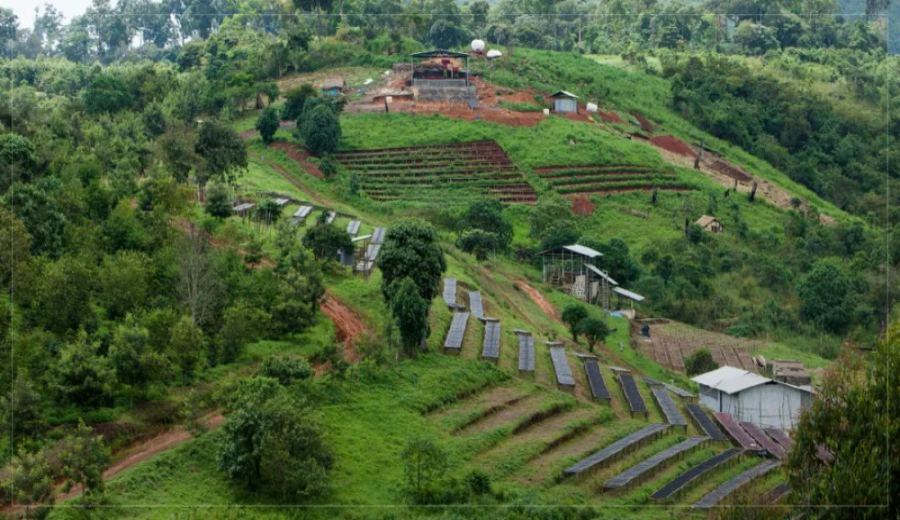
Yirgacheffe (Yirgacheffe) is an exceptionally representative specialty coffee region in southern Ethiopia, known for its bright floral notes and vibrant citrus tones. The beans produced in this region have long held a significant position in the global specialty coffee market, especially beloved by those new to single-origin coffee.
The Meaning and Positioning of Yirgacheffe
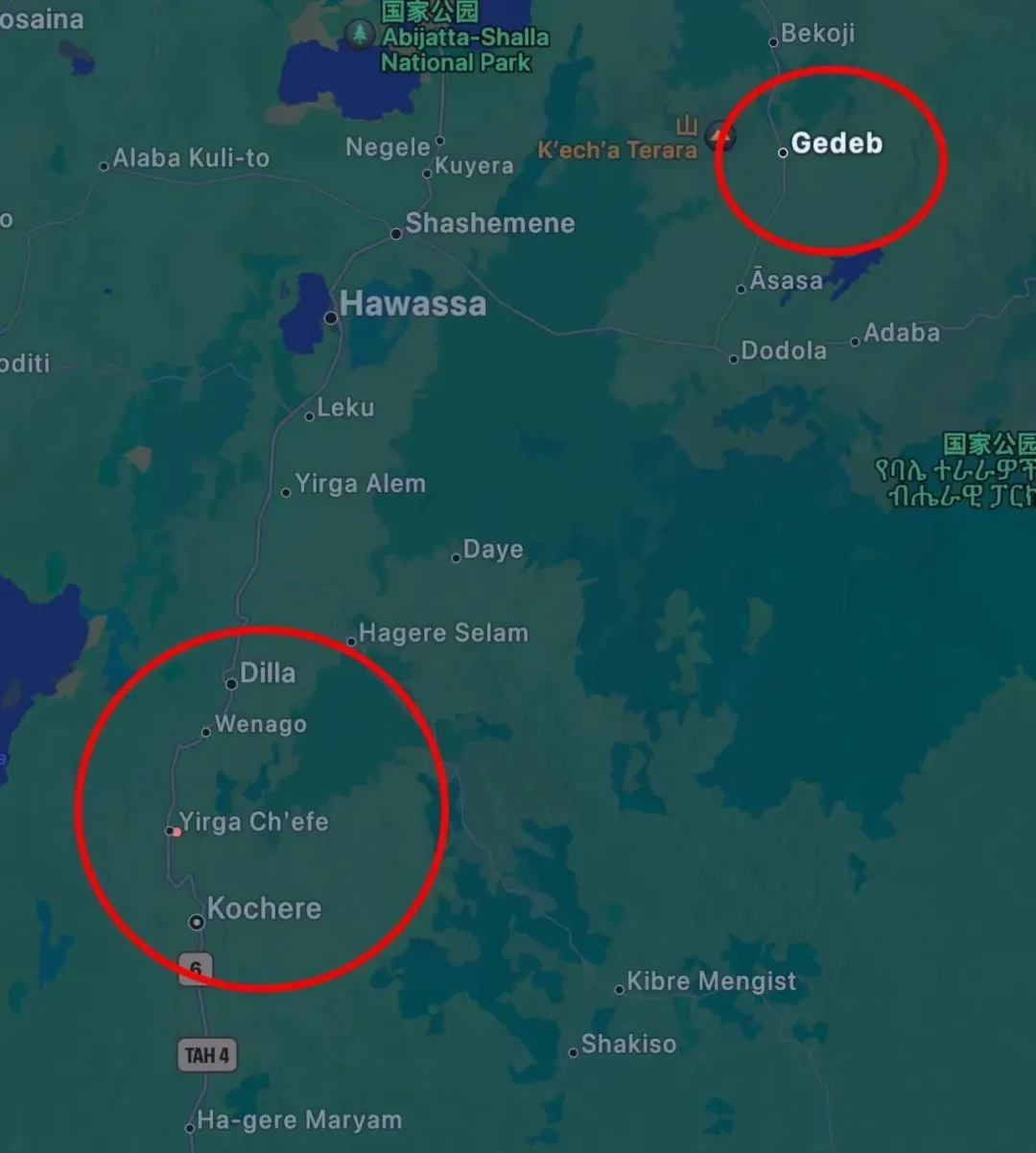
The name “Yirga Cheffe” holds special meaning in the local language: “Yirga” means “peace” or “settlement,” while “Cheffe” refers to “wetland.” Together, it can be interpreted as “let us settle in this wetland.” Yirgacheffe is located within the Sidamo zone and was originally part of the Sidamo region. However, its distinctive white floral characteristics became so prominent that other regions began imitating the name, eventually leading to Yirgacheffe becoming its own independent region.
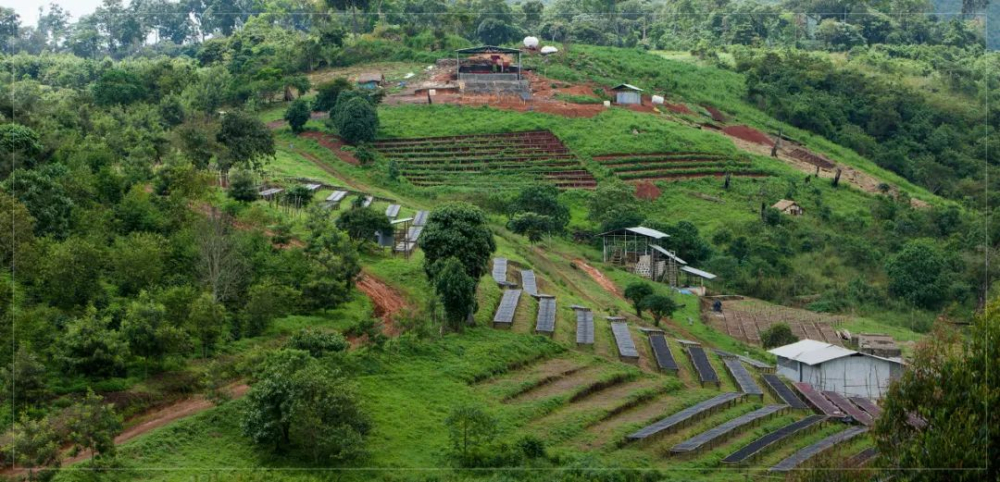
The coffee-growing altitude in Yirgacheffe mostly ranges between1700 and 2200 meters, making it one of the highest-altitude regions in southern Ethiopia. This also often classifies it as Strictly High Grown (SHG) or Strictly Hard Bean (SHB) grade. The high-altitude environment helps slow down fruit ripening, allowing the coffee beans to accumulate richer flavor compounds while also suppressing pests and diseases. This results in a coffee with a balanced acidity and sweetness, and a delicate, layered flavor profile.
The Evolution of Washed and Natural Processing Methods
In the 1970s, to improve coffee quality and processing efficiency, washed processing techniques from Central and South America were introduced locally. This method precisely highlights the region’s native flavors, particularly the intense floral aromas and clear citrus acidity that Yirgacheffe is famous for, making washed Yirgacheffe one of the representatives of specialty coffee.
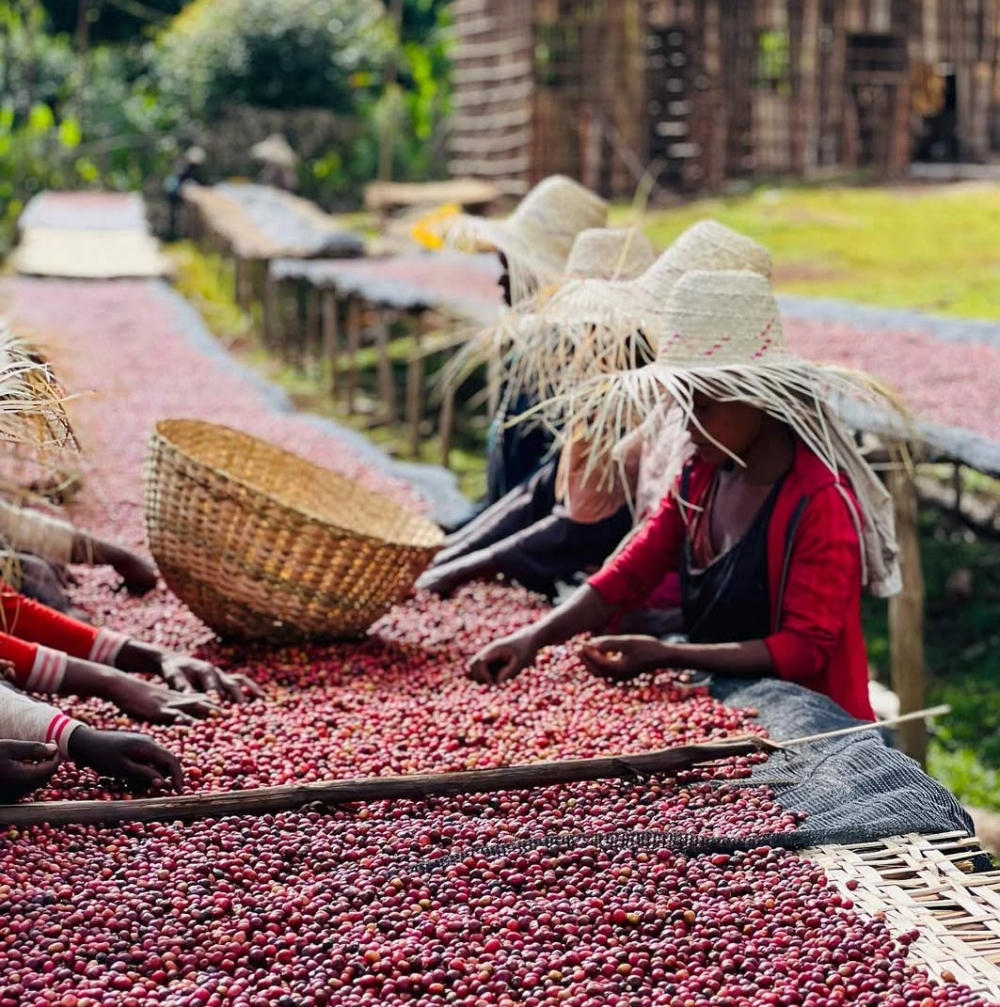
In recent years, the ancient natural (sun-dried) processing method has also regained attention. Starting in 2007, many producers began returning to tradition, using natural processing to showcase another side of Yirgacheffe—its rich fruity flavors and full-bodied mouthfeel.
Practical Examples of Washed and Natural Yirgacheffe
Take lightly roasted Yirgacheffe as an example—its roast level helps preserve bright acidity and delicate floral notes. Below are two representative flavor profiles of Yirgacheffe:
Washed Yirgacheffe: With a light roast, it typically exhibitsjasmine, berries, lemon, and citrusnotes, offering a clean and refreshing taste with balanced acidity and sweetness. It’s a classic choice for those new to single-origin coffee.
Natural Yirgacheffe (e.g., Red Cherry): Produced by the Konga Cooperative, natural processing gives the coffeelemon, honey, creamy texture, and juiciness, while still retaining subtle jasmine floral notes. Its flavor is richer and rounder.
Brewing Recommendations and Pour-Over Parameters
Since Yirgacheffe is often lightly roasted, the release of flavor compounds is relatively slow. Therefore, it’s recommended to use higher water temperature and a finer grind to enhance extraction efficiency. In practice, the following parameters are suggested:
- Water temperature:93°C
- Coffee dose:15 grams
- Coffee-to-water ratio:1:15
- Grind size:Approximately 80% passing through a Chinese Standard No. 20 sieve (close to the granularity of fine sugar)
- Filter:A Hario V60 with a faster flow rate is recommended to help control brew time and avoid over-extraction
In practice, it’s recommended to use the three-stage pouring method to enhance flavor layers:
- First pour:30 grams of hot waterto evenly wet the coffee grounds, then bloom for30 seconds.
- Second pour: Use a thin stream in a circular motion until reaching a total of125 gramsof water, maintaining a steady flow rate.
- When the water level is about to uncover the coffee bed, proceed to the third pour, adding water up to225 grams, then let it drain completely. The total brew time is recommended to be around2 minutes.
Flavor Experience Differences
Using the above parameters to pour over washed Yirgacheffe, you’ll immediately notice a fresh white floral aroma. Upon tasting, it delivers bright berry and citrus acidity, with a sweet orange-like gentle finish, presenting a clean and crisp overall profile. Meanwhile, the naturally processed Red Cherry shows intense juiciness at higher temperatures, paired with honey-like sweetness and a creamy smooth mouthfeel, while still retaining a hint of jasmine floral notes—offering a satisfying and layered taste experience.
The above content is compiled by CoffeeHunters, a coffee news website.


