







Introduction:The charm of pour over coffee lies in its ability to bring out the multi-layered flavor profile of coffee beans through precise pouring techniques. This article provides an in-depth analysis of the three-pour method, covering key details such as the bloom phase for degassing, the logic behind water temperature and roast level pairing, and the rhythm control of segmented extraction. Through practical case breakdowns, it helps beginners master standardized procedures, assists advanced users in optimizing flavor balance, and offers practical guidance for both equipment selection and parameter adjustments.
The essence of pour over coffee is to precisely extract aromatic compounds from coffee beans by controlling the pouring rhythm and temperature. As a widely favored foundational technique, the three-pour method achieves distinct layering by dividing the process into stages—highlighting the bright fruit acidity of the early phase, the rich sweetness of the middle phase, and the lingering aftertaste of the final phase. Its operational logic is grounded in the scientific principles of coffee grounds absorbing water, expanding, releasing gases, and dissolving soluble substances.
The three-pour method divides the total water volume into three pours. The first pour focuses on blooming for degassing, while the middle and later pours gradually increase water flow intensity to facilitate the release of flavors from different depths. This method is particularly well-suited for medium-roasted coffee beans—beans roasted between the first and second cracks—which retain vibrant acidity while developing sufficient caramelized compounds, aligning perfectly with the progressive extraction logic of the three-pour method.
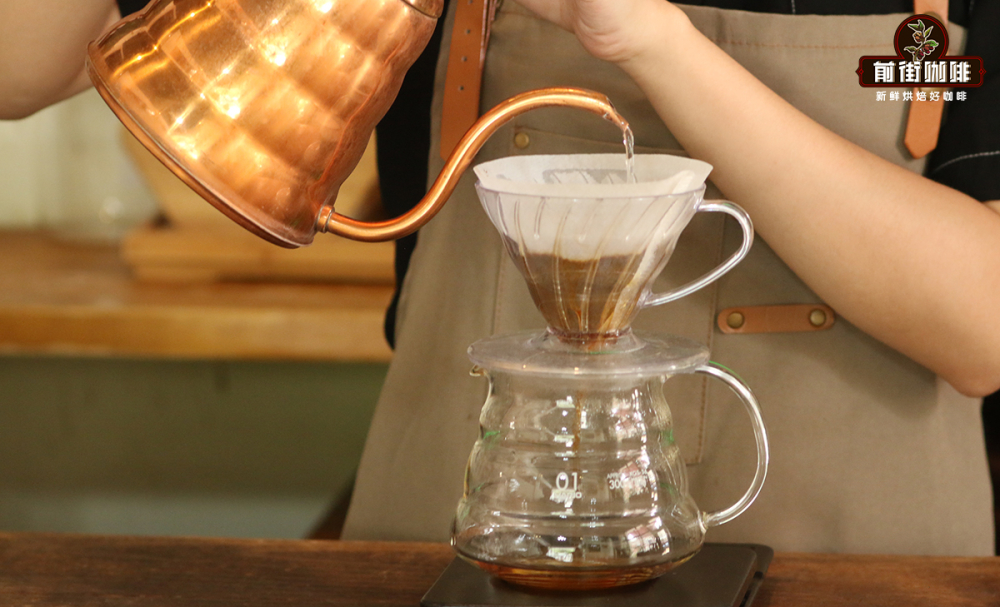
The first pour is calledthe bloom phase, aimed at activating the carbon dioxide trapped within the coffee grounds. Freshly roasted beans (recommended to rest for at least 3 days) will release a significant amount of bubbles during this phase. Lighter roasts typically produce fine, dense bubbles, while darker roasts may exhibit more vigorous bubbling. During this step, gently press the coffee grounds surface flat and evenly moisten all layers with a fine stream of water (approximately double the coffee weight, e.g., 60 ml of water for 30 g of coffee). Keep the water flow vertical to avoid disturbing the coffee bed. Control the bloom time between 30–40 seconds, stopping when the grounds surface transitions from puffed up to slightly wrinkled—if the time is too short, insufficient degassing may lead to under-extraction later; if too long, it may over-dissolve undesirable compounds.
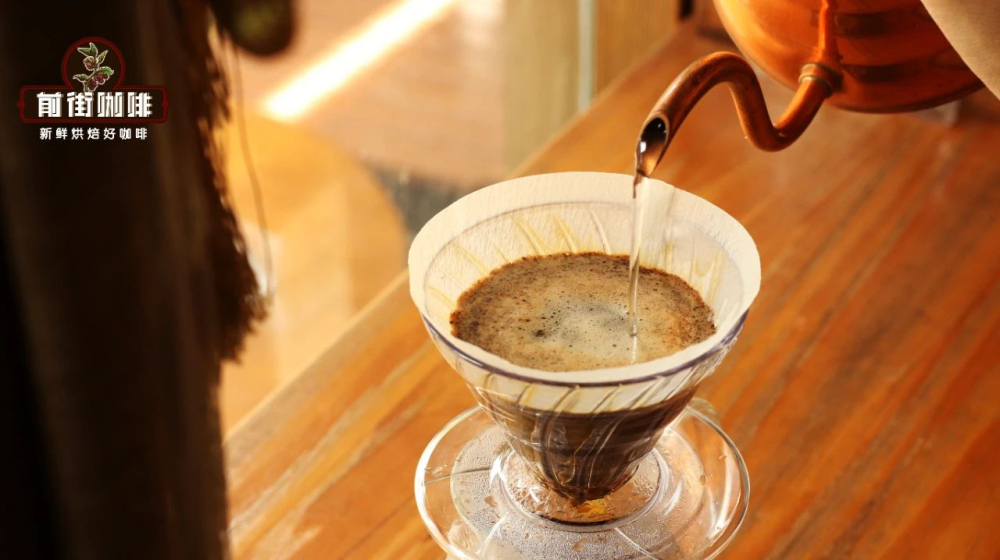
Water temperature should be matched to the roast level:Light roasts (e.g., Ethiopian Yirgacheffe) are recommended at 90–91°C, as higher temperatures accelerate CO₂ release and enhance acidity;Dark roasts (e.g., Sumatran Mandheling) are suited to 86–88°C, as lower temperatures help avoid over-extracting bitter substances. Common bloom failures occur due to overly forceful pouring (creating channels that disrupt the coffee bed) or insufficient water volume (only wetting the surface while leaving inner grounds dry).
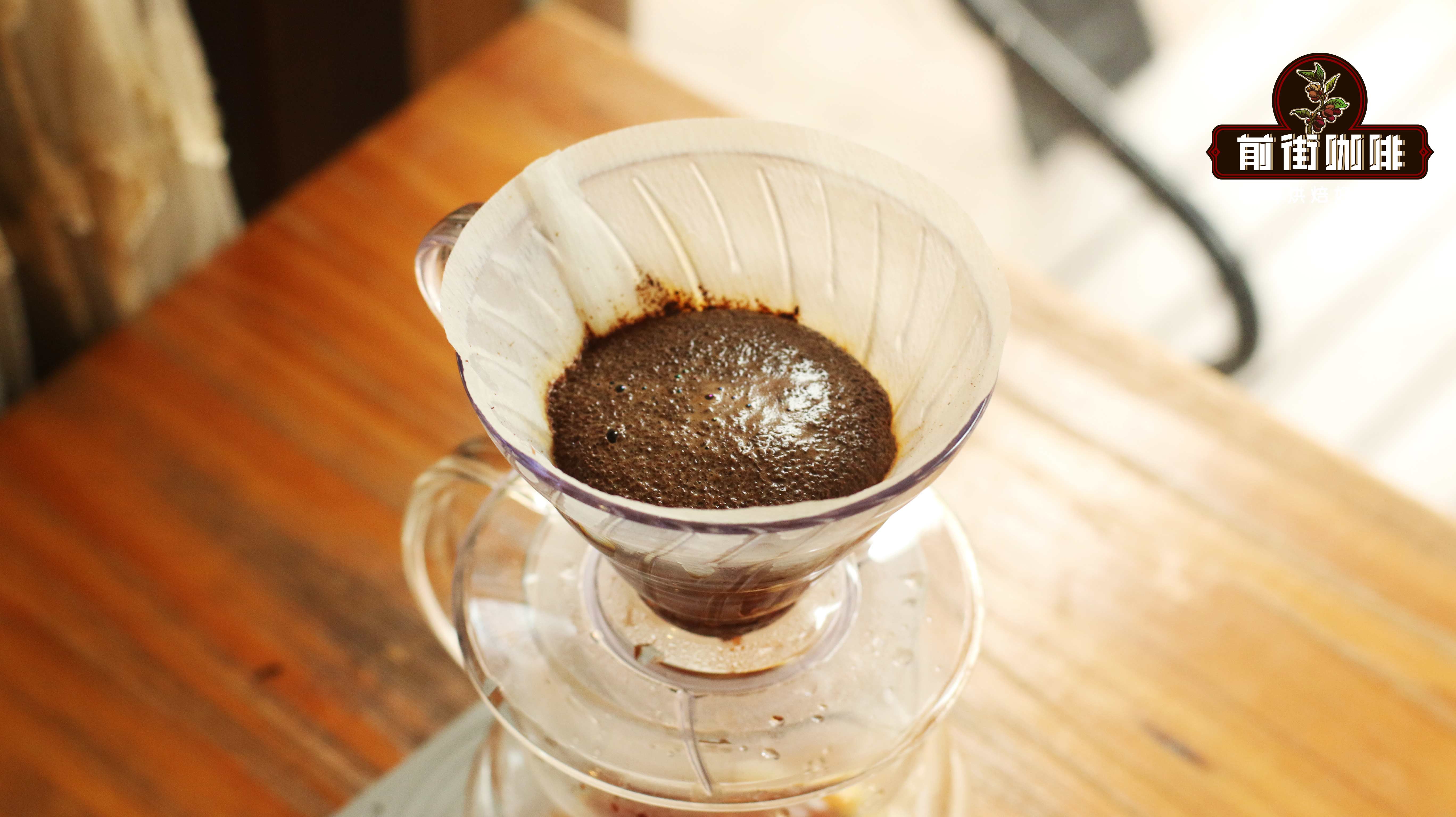
The second pour starts from the center of the coffee bed, using a smaller water stream (about 2 cm in diameter) poured slowly in a circular motion with a range roughly the size of a one-yuan coin. The goal of this stage is to raise the water level to about 1–2 cm below the top of the coffee bed, with the total water volume accounting for approximately 40% of the single pour (e.g., about 90 g of water when the total is 225 g). Be especially careful not to let the water touch the edge of the filter paper, as this can create a channeling effect—where hot water bypasses the under-extracted edges of the coffee bed, leading to localized over-extraction and under-extraction in the center.
The third pour begins when the water level drops to the middle of the coffee bed. At this point, observe the distribution of foam on the coffee bed’s surface. Increase the water flow intensity (while maintaining a steady rate) to re-suspend the settled coffee particles, promoting the release of soluble substances through particle friction. It’s recommended to pour in multiple stages with pauses (e.g., pour 50–70 g, then pause for 5–10 seconds) to ensure a clean, non-astringent finish. Maintain a consistent pouring rhythm throughout to avoid prolonged pauses that could lead to over-soaking of the coffee bed.
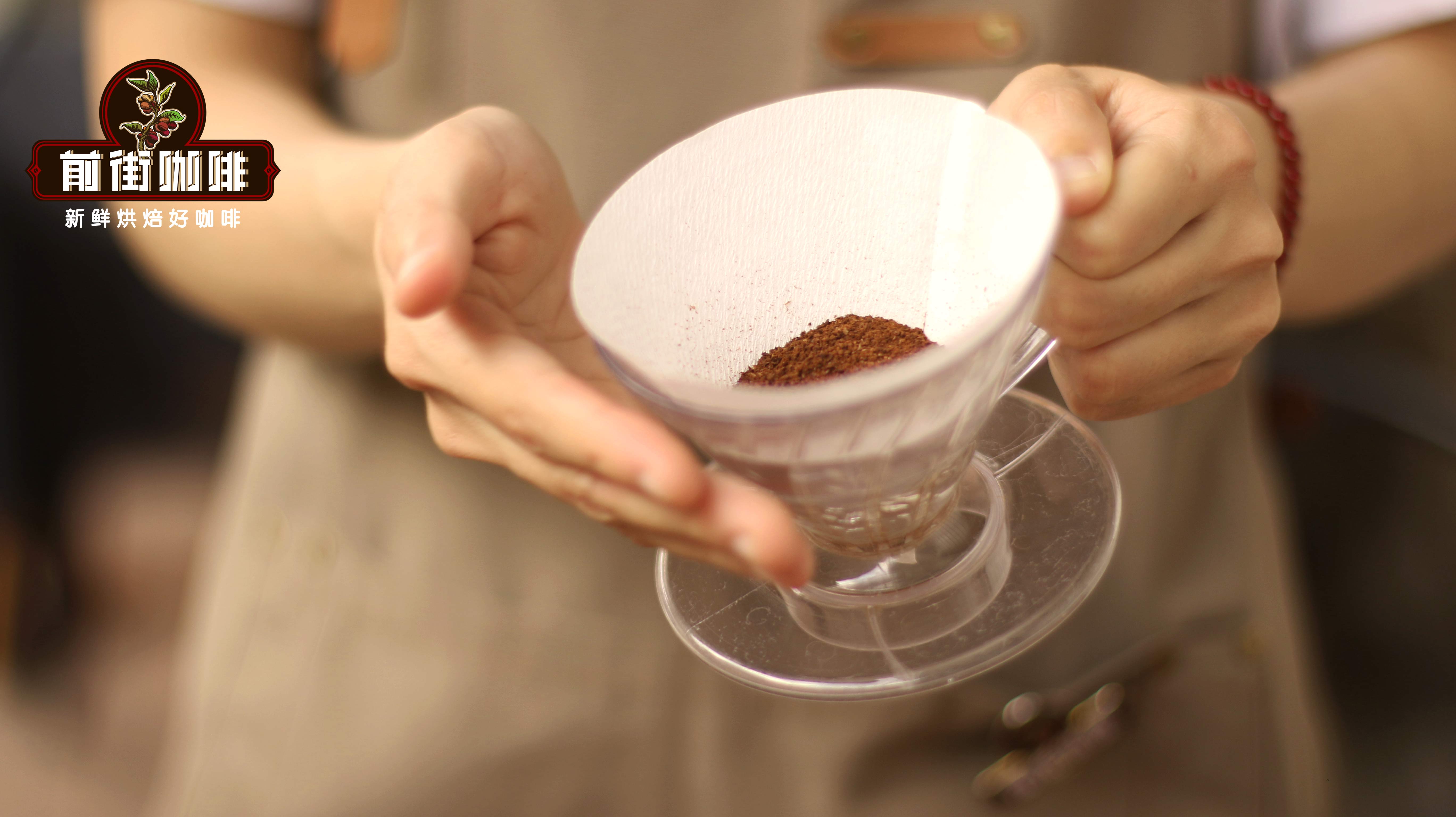
Take Kenya’s Assaliya coffee beans as an example. With their light roast profile (first crack development time of 2 minutes 10 seconds), they emphasize bright citrus notes and berry acidity. When using a Hario V60 dripper, a 1:15 coffee-to-water ratio is recommended (e.g., 15 g of coffee to 225 ml of water), with a grind size equivalent to 80% passing through a Chinese standard No. 20 sieve (close to the coarseness of superfine sugar). For the first bloom phase, pour double the coffee weight in water (e.g., 60 ml for 30 g of coffee) for 30 seconds, then proceed to the second pour until reaching 125 g and pause for 1 minute, finally completing the pour to the total 225 g. The full extraction time is about 2 minutes (including bloom), yielding a balanced flavor profile of tomato blossom, cherry tomato acidity, and black plum finish.
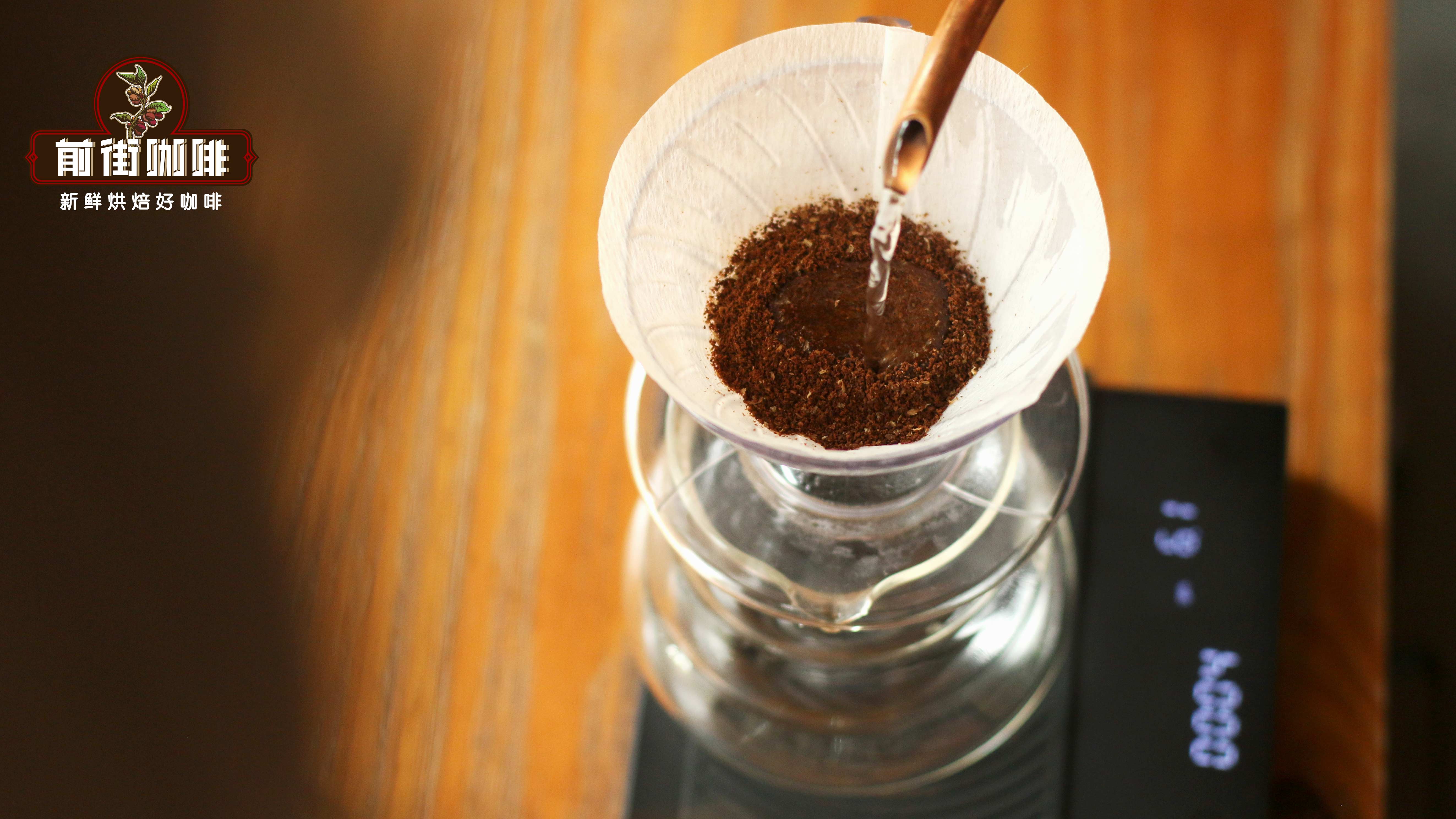
Common mistakes include uneven soaking during the bloom phase due to scattered water flow, channeling caused by overly fast middle-phase pouring, and excessive bitterness in the final sip due to insufficient pauses in the last phase. Advanced techniques include adjusting the water ratio of each phase (e.g., 20% first, 30% middle, 50% final) or alternating pouring directions (clockwise and counterclockwise) to fine-tune flavor intensity. Equipment-wise, the V60 dripper’s spiral ribs are well-suited for the three-pour method, effectively guiding water to uniformly penetrate the coffee bed. If using a Kalita Wave flat-bottom dripper, a gentler water flow is required to avoid localized over-extraction.
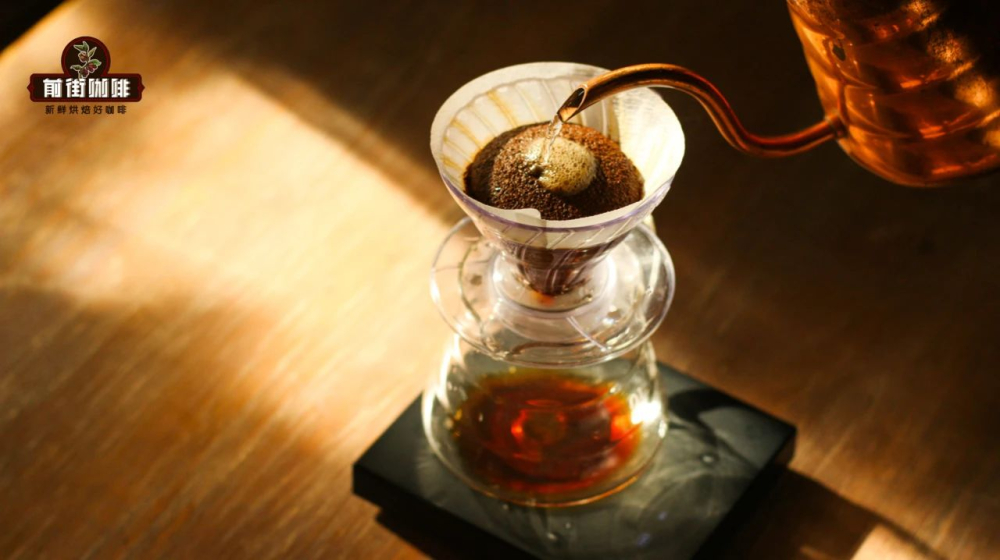
Mastering the three-pour method hinges on developing muscle memory through repeated practice—starting with stable water control and gradually progressing to keen observation of changes in the coffee bed. Recording the parameters of each brew (water temperature, grind size, pouring intervals, etc.) and comparing flavor outcomes will help you identify the optimal extraction approach for specific coffee beans.
The above content is compiled by CoffeeHunters, a coffee news website.


