







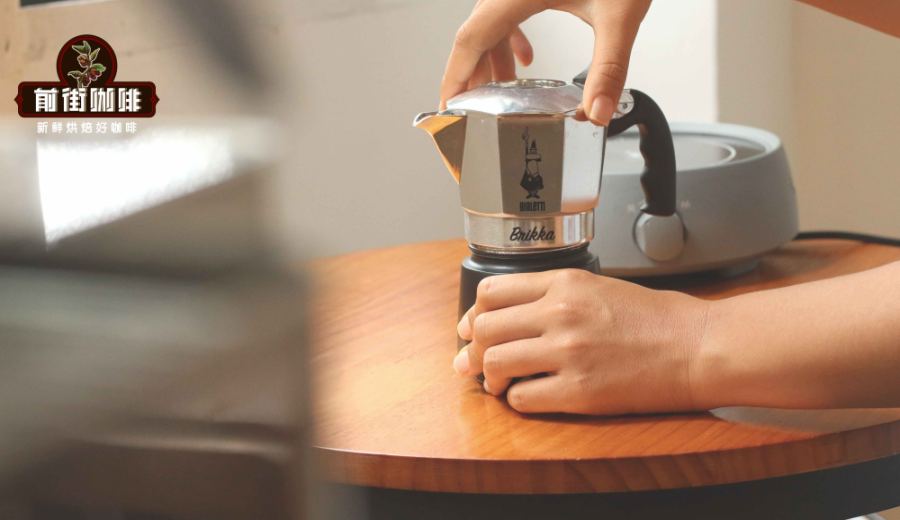
Introduction:The Moka pot is an indispensable tool in the homes of many coffee enthusiasts, combining affordability and convenience while also serving as a microcosm of Italian coffee culture. However, to consistently brew a cup of coffee with balanced flavors and rich aromas using a Moka pot, there are actually quite a few details to master. This article will delve into five core elements—bean selection, roast level, water temperature control, grind size, and cleaning & maintenance—and provide practical advice and reference examples to help you easily elevate the quality of your Moka pot coffee.
The Moka pot is not only compact in size and reasonably priced, but also relatively simple to maintain, making it a common tool for many households and coffee aficionados, especially beloved by Italian families. Even though the operation process is not complicated, if you want to consistently brew coffee with outstanding flavor and smooth mouthfeel, every step—from bean selection to equipment maintenance—holds valuable tips worth noting. This article will approach the topic from five key aspects, including how to choose freshly roasted coffee beans, why medium-dark roasts are better suited for the Moka pot, whether to use hot or cold water, criteria for judging grind size, and daily cleaning and maintenance essentials. Reference bean information will also be provided at appropriate times to help you quickly grasp the usage tips for the Moka pot.
1. Choosing Freshly Roasted Coffee Beans
Like food, freshness is a key factor that affects the flavor of coffee beans. Generally speaking, the 4th to 50th day after roasting is when the coffee beans have the richest aroma. After two months, the carbon dioxide inside the beans gradually dissipates, and the flavor also declines. Not only does it become difficult to showcase layers during brewing, but it’s also harder to form a rich coffee crema. Therefore, it is recommended to purchase coffee beans roasted within 10 days to ensure the optimal tasting period. Fresh coffee beans can offer more vibrant aromas and a complete flavor profile.
2. Medium-Dark Roasts Are Better Suited for the Moka Pot
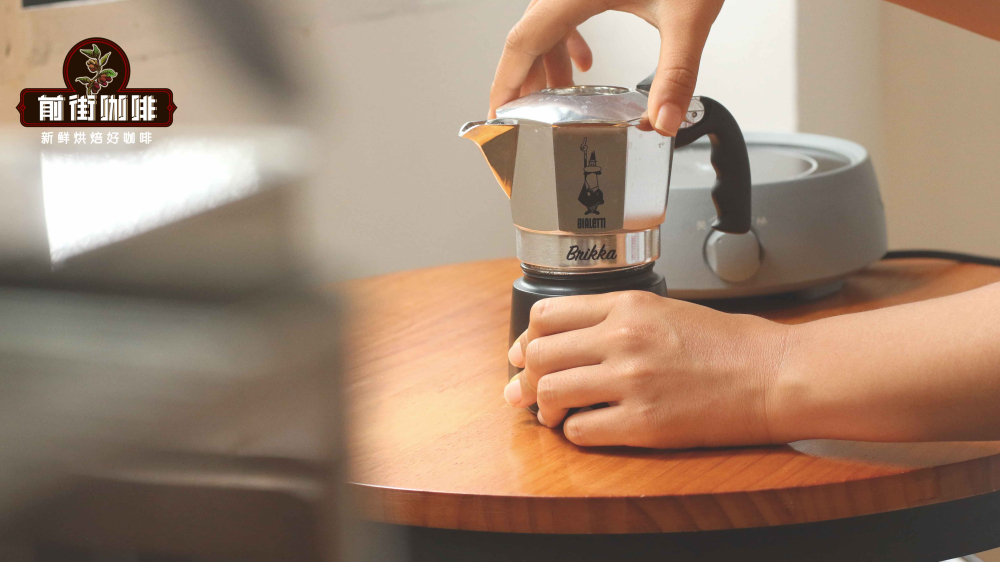
The roast level directly affects the extraction outcome. Light to medium roasted coffee beans, due to their shorter heating time and tighter bean structure, can easily produce overly intense and sharp acidity when extracted with a Moka pot. In contrast, medium-dark or dark roasted beans, having undergone longer heating times, have a looser internal structure, allowing flavor compounds to be released more smoothly. Coupled with the pressurized extraction characteristic of the Moka pot, this helps form an enchanting layer of coffee crema. If you’re using a Moka pot for the first time, it’s recommended to start with a medium-dark roast blend, which offers stable flavor and a high margin for error.

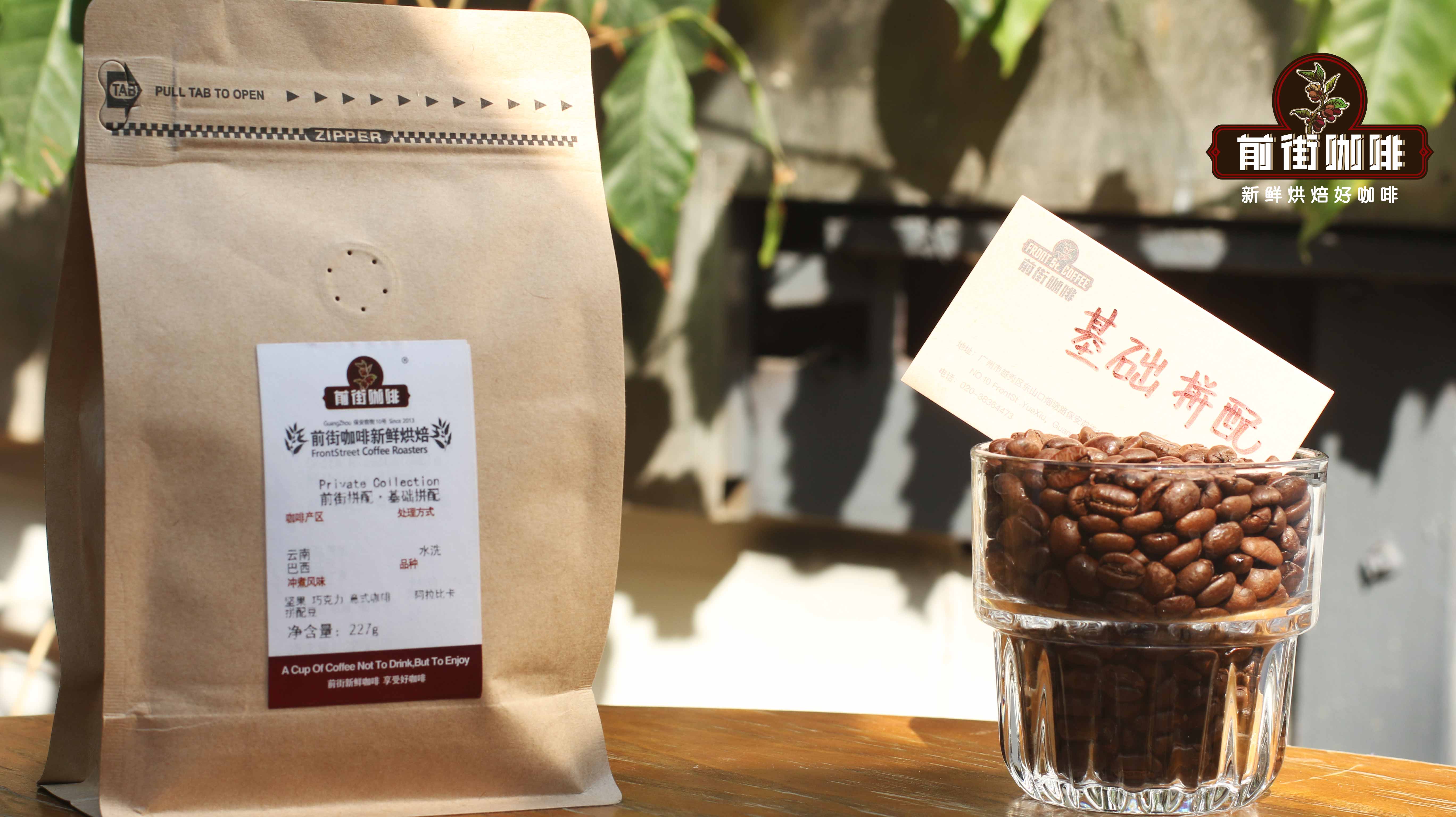
For example, users who prefer a balanced taste and chocolatey notes might consider choosing a medium-dark roast blend. These types of beans often carry layers of nuts, cocoa, and cream, making them not only suitable for black coffee but also pairing well with milk-based drinks like lattes. If you’re fond of strong nutty tones, you can opt for products based on Brazilian beans, which often exhibit characteristics such as roasted peanuts, cocoa, and soft acidity. When extracted with a Moka pot, these beans yield a rich crema and a rounded mouthfeel. For those who enjoy floral and fruity profiles, you might also look for blended beans that combine beans from different growing regions, often featuring complex aromas such as rose and raisin, along with a slight acidity and silky texture reminiscent of strawberry gummies.
3. Use Hot Water or Cold Water?
To shorten the extraction time and reduce the risk of scalding during the process, it is recommended to pre-fill the lower chamber with warm water rather than cold water. Using hot water accelerates the boiling process, reduces the contact time between the coffee grounds and high-temperature water, and avoids over-extraction. Typically, the entire extraction process can be kept within 4 to 5 minutes, which helps maintain balanced flavors.
4. Judging Grind Size
The grind size required for the Moka pot is close to the fineness of flour, with particle size ranging between 0.3 and 0.55 millimeters—slightly coarser than the coffee powder used in standard espresso machines, with a feel similar to fine salt. If you don’t have a professional grinder, it’s advisable to inform the shop that you’ll be using a Moka pot for extraction and try to consume the coffee within a month of purchase to ensure optimal flavor. If you have a grinder, you can adjust the grind size by observing the flow rate: if the coffee liquid sprays out quickly like a fountain, it means the grind is too coarse and needs to be adjusted finer. If you hear a low humming sound but the coffee liquid is slow to rise, you should immediately adjust the grind to be coarser or reduce the amount of coffee, and keep a safe distance to prevent overheating.
5. The Importance of Cleaning and Maintenance
After each use, it’s essential to clean the Moka pot promptly to avoid the residue of coffee grounds causing off-flavors or burnt bitterness. Pay special attention to the filter plate, gasket, and extraction channel. Residual coffee stains not only may affect the purity of subsequent brews but could also cause blockages in the channel, which in turn affects pressure performance and extraction results. Regularly checking the tightness and cleanliness of all components is key to maintaining the performance of the Moka pot and the quality of the coffee.
The above content is compiled by CoffeeHunters, a coffee news website.


