







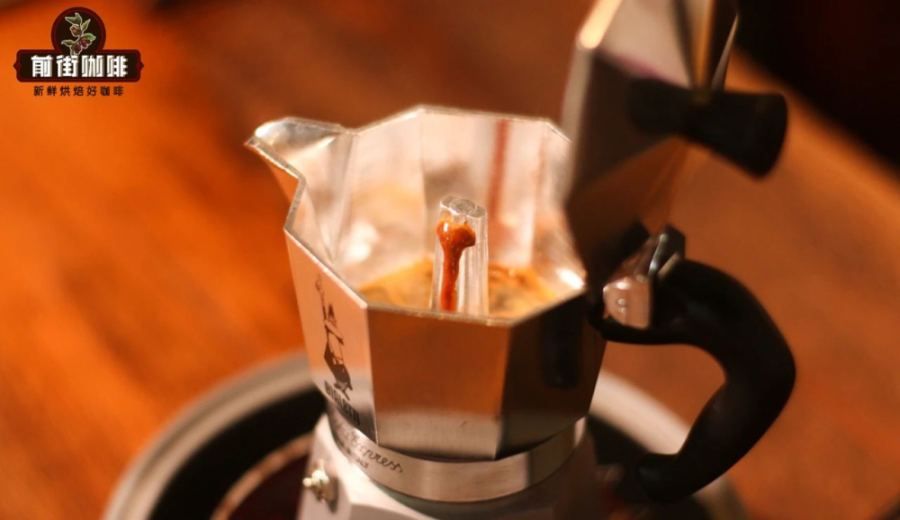
Introduction:The moka pot is a popular stovetop espresso maker used by many households and coffee enthusiasts. It’s simple to operate yet capable of extracting richly flavored coffee. This article delves into the origins of the moka pot, the differences between single-valve and double-valve designs, heating principles, and provides detailed guidance on key techniques such as grind size, water temperature, heat control, and cleaning. It also recommends several coffee beans well-suited for moka pot brewing, helping readers master stable extraction methods and enjoy a coffee experience with rich crema and balanced flavors.
Among the various coffee brewing methods, the moka pot stands out due to its ease of use and intense flavor, making it a common household appliance. Although its structure is simpler compared to professional espresso machines, the high-pressure, high-temperature extraction method still delivers flavor complexity close to that of espresso. This article will start with the basic principles of the moka pot, analyze the differences between single-valve and double-valve models, and offer practical brewing parameters and precautions so you can consistently brew rich, balanced coffee at home.

Many people ask, what’s the difference between a moka pot and pour over coffee? Simply put, they are entirely different brewing systems—not only in design and operation, but also in the resulting coffee flavors. Pour over typically showcases brighter acidity and clearer layers, while moka pot coffee tends to be richer and fuller-bodied. Though it may lack the clarity and detail of pour over, it can deliver a bold mouthfeel similar to espresso.
The moka pot originated in 1933, invented by Italian designer Alfonso Bialetti and originally named “Moka.” Though this classic device has undergone many design variations over time, its fundamental structure and brewing principle remain unchanged. Moka pots mainly come in two types: single-valve and double-valve, which differ in extraction pressure and the resulting crema. The single-valve moka pot allows brewed coffee to flow out through a small hole at the top of the central tube, resulting in relatively low pressure, slightly lighter concentration, and less crema. In contrast, the double-valve design adds a pressure valve at the base of the tube, which opens only when a certain steam pressure is reached—resulting in higher extraction pressure, richer concentration, and more abundant crema.
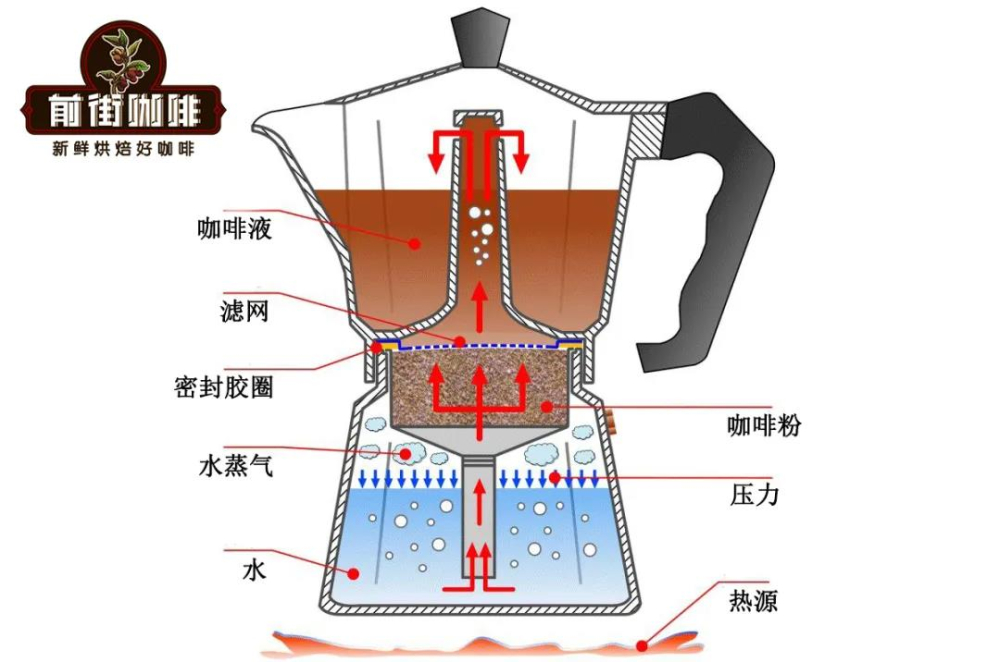
The operating principle of the moka pot is quite straightforward: water is added to the lower chamber, and as it’s heated, the temperature rises. The air inside the lower chamber expands due to heat, pushing the hot water upward through the coffee grounds in the filter. The brewed coffee is then forced into the upper chamber. Since the upper chamber is a closed system, the brewed coffee remains there until the process is complete and is ready to be poured and enjoyed. This high-temperature, pressurized extraction method is similar to that of an espresso machine, effectively extracting flavorful compounds to produce a rich and bold taste. However, the extraction pressure and precision of the moka pot are still inferior to those of a professional espresso machine, so while the coffee is bold, it doesn’t produce the same thick crema as standard espresso and cannot be fully classified as such.
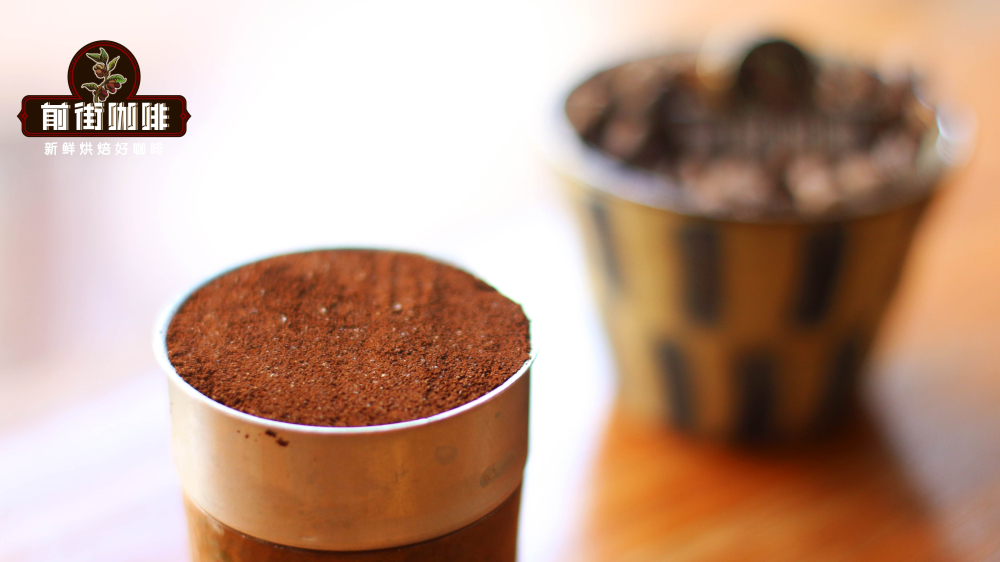
When using a moka pot, there are several key parameters and steps to pay attention to. First is grind size—opt for a medium-fine grind, somewhere between pour over and espresso. Using an overly fine espresso grind can lead to over-extraction and result in noticeable bitterness. When filling the coffee basket, evenly distribute the coffee grounds and gently tap or shake to level the surface. Avoid tamping, as it may cause uneven extraction. The goal is to ensure even density of the coffee grounds to allow uniform heat and extraction, preventing over or under-extraction in any part.
For water temperature, it’s recommended to use hot water in the lower chamber. This not only speeds up the brewing process but also prevents the coffee grounds from overheating, which can produce burnt or metallic notes. During heating, use low to medium heat and keep the upper chamber lid open to monitor the extraction status. When you begin to hear bubbling sounds, it means the coffee is about to flow out—immediately remove the moka pot from the heat source and let it sit for about a minute to allow residual heat to complete the extraction. If you're unsure when to turn off the heat, observe the coffee flow; just be careful not to leave the lid open too long to avoid splattering.
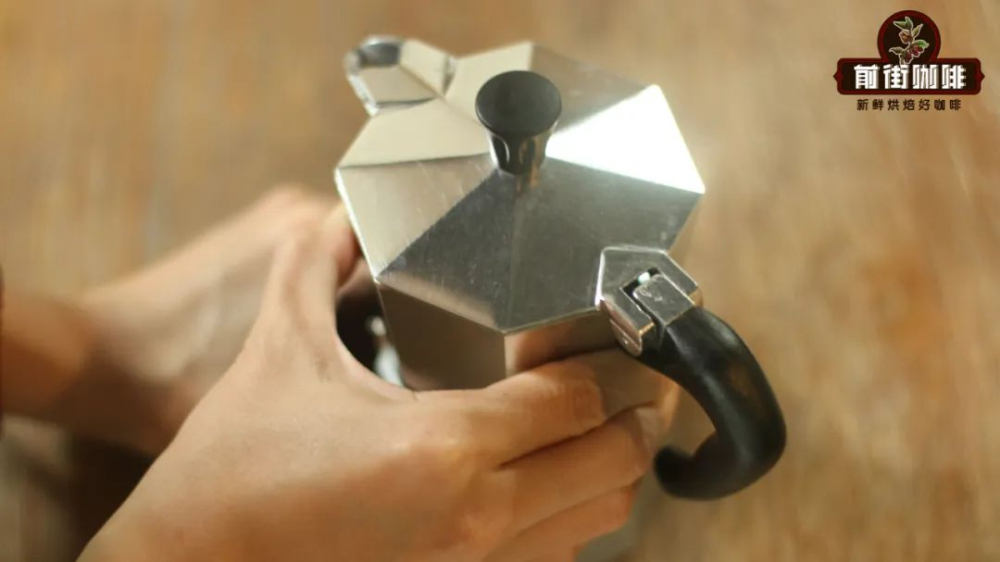
Additionally, since most moka pots are made of metal, the body gets extremely hot during heating. Use a damp cloth to assist in handling to avoid burns. If you hear an unusual whistling sound but no coffee is coming out, it may indicate excessive internal pressure—turn off the heat immediately to prevent safety risks.
As for heat adjustment, it needs to be fine-tuned based on the moka pot’s capacity, coffee grind size, and water amount. Observing the speed of coffee flowing from the valve is the most intuitive way to judge: if the coffee sprays out quickly, the heat is too high, which can lead to under-extraction and a sour taste—reduce the heat in this case. Conversely, if the flow is too slow or intermittent, the heat may be insufficient, causing over-extraction and bitterness—increase the heat appropriately. The ideal scenario is to turn off the heat once the coffee flows steadily, letting residual heat finish the extraction.
Cleaning is equally important. After each use, rinse immediately with water to prevent coffee grounds and residual oils from clogging the filter plate, gasket, and brewing channel, which could affect flavor in future brews. A moka pot that hasn’t been cleaned for a long time can develop burnt flavors and may accumulate residues that cause off-odors or blockages.
Regarding coffee bean selection, the moka pot works best with medium to dark roasted beans, which bring out better crema and richer flavors. If you prefer nutty and chocolatey profiles, try a blend of Yunnan small beans and Brazilian Cerrado, offering notes of nuts, chocolate, and plum—great for various milk coffees. For a bolder taste, choose high-quality deeply roasted beans, featuring pine, dark cocoa, and caramel sweetness with fine crema, perfect for drinking black. Additionally, medium-dark roasted beans with prominent peanut, cocoa, and buttery notes also pair excellently with the moka pot.
In practice, it’s recommended to add a suitable amount of hot water (e.g., 130ml) to the lower chamber, keeping the water level below the safety valve. Screw the upper and lower chambers tightly, then place the moka pot on a gas stove or induction cooker. If using an open flame, ensure the fire doesn’t extend beyond the base of the pot. When you hear a hissing sound, it means the coffee is about to flow—reduce the heat, observe the flow rate, and turn off the heat once the upper chamber reaches your desired coffee volume. Let residual heat finish the extraction, then pour into a cup. You can add hot water or pair with milk according to your preference.
The above content is compiled by CoffeeHunters, a coffee news website.


