








Introduction:Delve into the heart of espresso-based coffee — the espresso shot — and explore its industrial-era Italian origins and global evolution. This article details the preparation methods and flavor profiles of classic drinks such as the Americano, Latte, Cappuccino, and Mocha, while also providing professional extraction tips and taste evaluation pointers. It serves as a practical guide for beginners to espresso coffee.
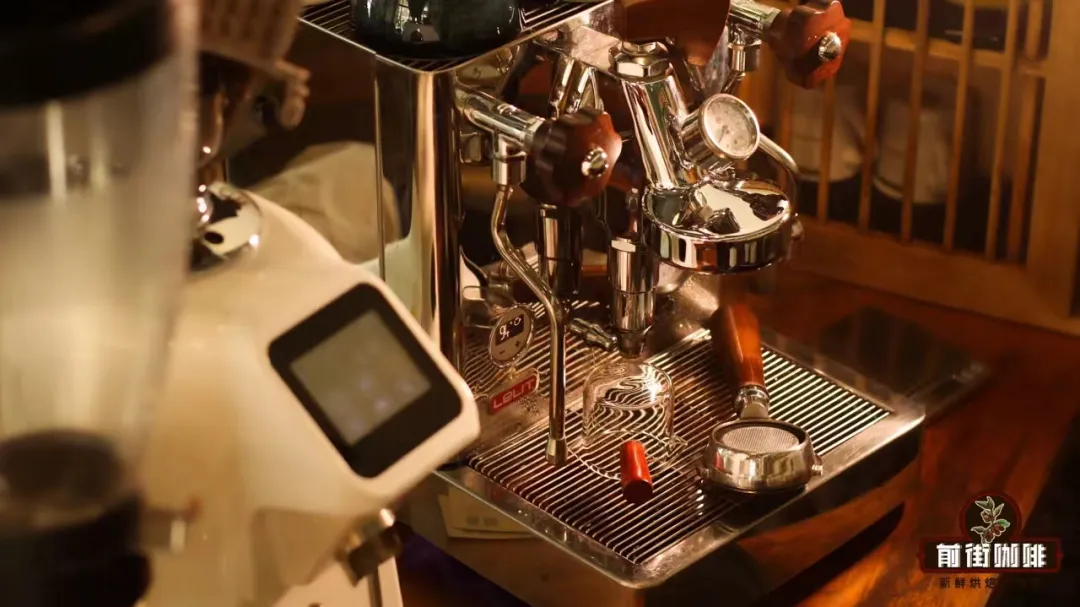
Espresso coffee is a brewing system centered around the espresso shot, originating in Italy in the early 20th century. At that time, Italians were living at a faster pace and desired a quick, energizing beverage during short breaks. As a result, they designed coffee machines that utilized steam pressure to brew coffee rapidly. This small amount of highly concentrated coffee extracted in just seconds is what we now know as espresso.
As espresso spread across the globe, it gradually incorporated elements such as milk, foam, water, or chocolate based on local drinking habits, evolving into various forms including the Americano, Caffe Latte, Cappuccino, and Mocha. Each drink has its own unique ratio and flavor layers, catering to different consumer preferences.
Early Italian espresso had an intense and concentrated flavor, but today, due to advancements in extraction techniques and a wider selection of bean varieties, some espresso servings may end up with only dull bitterness. However, a high-quality espresso should offer a rich yet balanced taste, with a distinct bitterness that isn’t burnt, along with noticeable sweetness and layered complexity that showcases the coffee’s inherent flavors.

In professional coffee shops, to ensure consistent performance in every espresso shot, blends are typically used. Blends combine beans from different regions and processing methods to maintain flavor consistency and highlight a rich, full-bodied base character. Below are four common espresso blend recipes, each offering a distinct flavor profile, suitable for crafting a variety of espresso-based drinks.
The first is the “Premium Blend Coffee Beans,” primarily made up of Brazilian and Colombian Arabica beans. The resulting espresso offers notes of dark cocoa, roasted nuts, and caramel, with a rich body and pronounced sweetness.It emphasizes stable flavor and suits the taste expectations of most consumers.
The second is the “Commercial Blend Coffee Beans,” which combines Brazilian, Colombian, and Vietnamese Robusta beans. Its espresso leans toward the flavor of dark roast cocoa and nuts, with a bold and intense taste, ideal for those who prefer a heavier mouthfeel.
The third, “Dark Cocoa Blend Coffee Beans,” is a favorite among many baristas. It uses a blend of Yunnan and Brazilian Arabica, delivering a light fruit acidity alongside aromas of dark chocolate and nuts. The flavor is sweet and acidic in balance, with a soft, layered aftertaste.
The fourth, “Warm Sun Blend Coffee Beans,” combines Ethiopian sun-dried Yirgacheffe and Honduran Sherry. The resulting espresso exhibits distinct fermented wine notes, berries, vanilla cream, and nutty caramel, all wrapped in a rich, smooth texture with high recognizability, making it perfect for coffee lovers seeking unique flavors.
Due to the intense and concentrated nature of espresso, it often serves as the base for many classic coffee beverages. By simply adjusting the proportions of milk, foam, and water, a wide range of flavors and visual effects can be achieved. Below are four of the most representative espresso-based drinks along with their key preparation points.
First is the Latte (Caffe Latte). In Italian, “Latte” means milk, so ordering just “Latte” might get you a cup of plain milk. The correct order is “Caffe Latte,” which refers to milk coffee with espresso. The typical method involves usinga double espresso (around 40g of extracted coffee)as the base, then adding 200ml of smoothly steamed hot or cold milk, allowing the coffee and milk aromas to meld fully for a mild and smooth taste.
The Cappuccino is characterized by its thicker, denser milk foam. Its name comes from the appearance of the attire worn by Franciscan monks in Italy, with the dark brown coffee topped by a layer of white foam resembling a headscarf. To highlight its features,it is recommended to choose the hot version, using a double espresso (40g) paired with 150ml of hot milk, and about 3cm of finely textured foam. The first sip often delivers a dual sensation of rich coffee crema and soft foam, creating distinct layers.

The Mocha has origins linked to the Yemeni port of Mocha, where exported coffee beans naturally possessed chocolate-like flavors. It later evolved into a classic beverage that adds chocolate elements to milk coffee. To make it, start witha double espresso (40g)mixed with 20–30g of chocolate syrup or cocoa powder. Stir well, then add 200ml of steamed milk foam at about 50–60°C, and finish with latte art. This coffee combines the complex flavors of coffee, chocolate, and milk, and is especially loved by dessert enthusiasts.
Lastly, the Americano has its roots in World War II, when American soldiers stationed in Italy found the intense flavor of espresso too strong. They diluted it with hot water, and Italians jokingly called this style “Americano,” meaning “in the American style.” Today, a common hot Americano ratio is1:6, for example, mixing 40g of double espresso with 180g of 80°C hot water; for an iced version, use 90g of ice cubes with 150g of room temperature water, then pour a double espresso on top to create a refreshing iced Americano.

The above content is compiled by CoffeeHunters, a coffee news website.


