







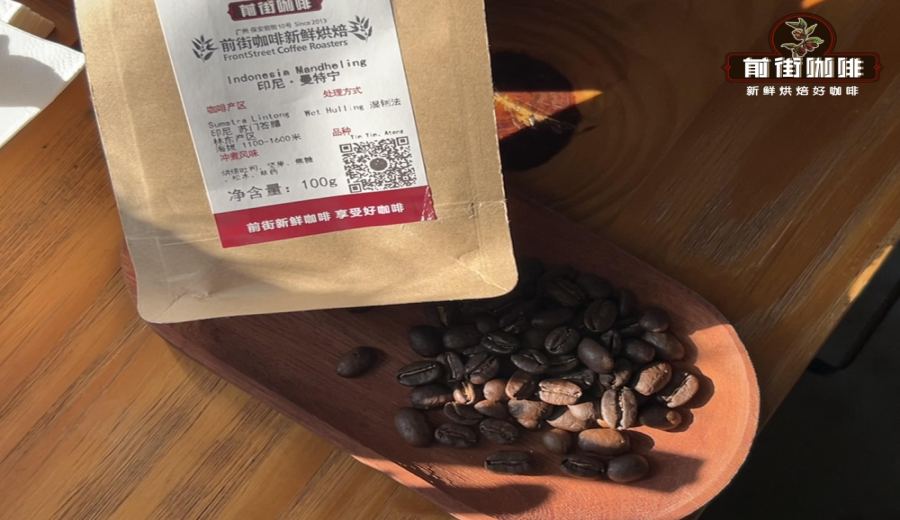
Introduction:Sumatra Mandheling is renowned for its rich, bold body and distinctive herbal aroma, with the Tiger Estate Mandheling being an especially iconic specialty-grade example. This article delves into the origin background of Tiger Estate Mandheling, its unique flavor profile, and explains how Indonesia’s wet hulling process contributes to its heavy mouthfeel and special aromas. From cupping notes to practical pour over parameters, this guide helps you fully appreciate the charm of this classic Indonesian bean.
Sumatra Mandheling coffee has long been a favorite among dark roast enthusiasts, thanks to its bold, full-bodied texture and low acidity, securing its place on the world coffee map. Among them, Tiger Estate Mandheling from Sumatra, Indonesia, stands out with its unique flavor expression and refined processing, becoming a prized choice for many coffee aficionados.
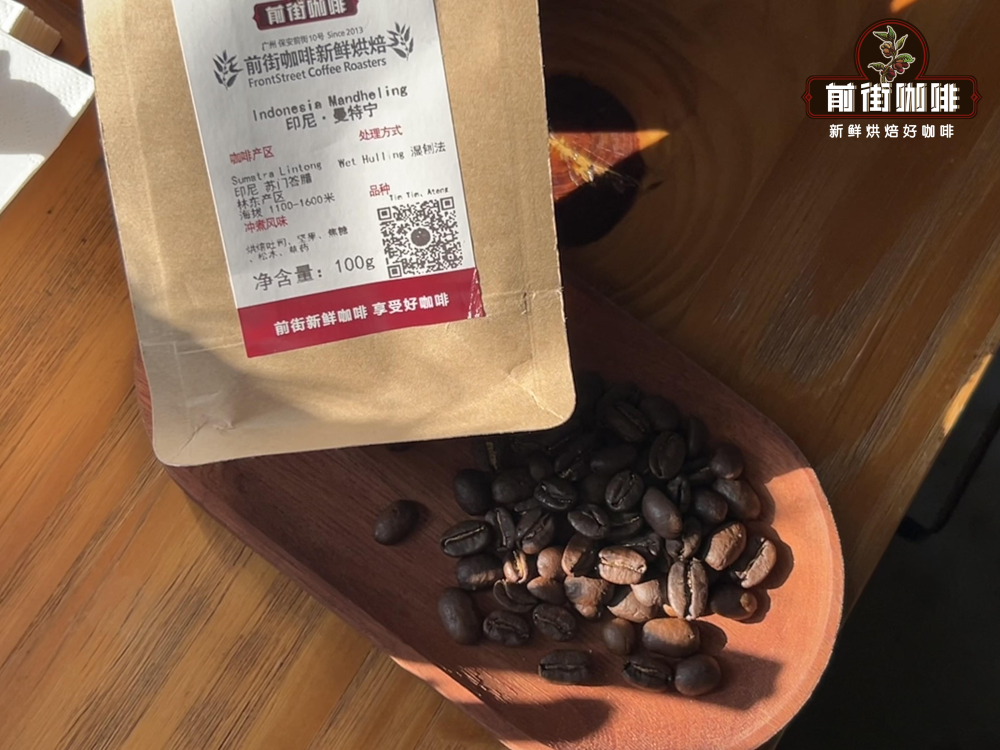
As Indonesia’s primary coffee-growing region, Sumatra encompasses several well-known origins including Aceh and Lintong. Tiger Estate Mandheling mainly comes from the Aceh region, where the climate and high-altitude terrain provide ideal growing conditions for coffee trees. Compared to other regions, Mandheling from Aceh generally exhibits richer aromatic complexity and higher quality consistency.
What makes Tiger Estate Mandheling special is its flavor profile that combines intense herbal notes, deep woody aromas, and subtle herbal and grapefruit undertones. This unique combination is often described as having the aroma of “traditional Chinese herbal medicine,” one of the classic characteristics of the Sumatra region.
In terms of processing, Indonesian coffee farmers commonly use what is known as “wet hulling (Wet Hulling),” a highly regional processing method. The traditional steps of wet hulling include: first removing the skin and pulp of the coffee cherry, followed by a short fermentation period, then placing the beans—still partially covered in mucilage—in a high-temperature environment for initial drying. When the moisture content is still relatively high, a machine is used to remove the parchment and outer layers, further reducing the moisture to about 12%. This method significantly shortens the processing time but also imparts a heavier body and unique earthy, herbal aromas to the beans.
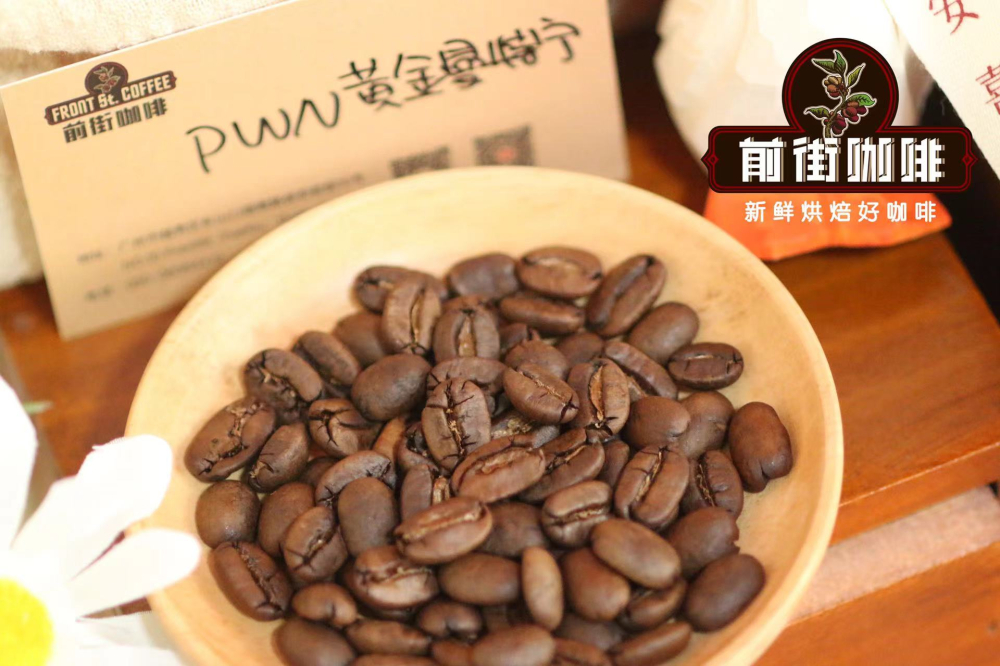
Notably, coffee beans processed with wet hulling often appear dark green with distinct horseshoe-shaped indentations. This is due to mechanical compression under high humidity, which causes uneven pressure on the beans and leaves characteristic marks and cracks. These visual features also serve as important identifiers for wet-hulled Mandheling.
In terms of variety, Tiger Estate Mandheling primarily uses Typica and Caturra. Typica offers a classic clean acidity and balanced flavor profile, while Caturra is praised for its bright fruit acidity, higher sweetness, and good disease resistance. The combination of these two varieties allows Tiger Estate Mandheling to maintain delicate layers and a sweet aftertaste, even on a bold base.
Compared to the more common Golden Mandheling, Tiger Estate Mandheling differs significantly in both variety and processing details. Golden Mandheling mostly uses the Ateng (i.e., Catimor) variety, which is stable and high-yielding but tends to have a simpler flavor profile, often featuring caramel and nutty notes. In contrast, Tiger Estate Mandheling ensures each bean meets high-quality standards through carefully selected varieties and a rigorous triple-hand-picking process. Coupled with its special wet hulling treatment, it achieves its unique character of bold richness and pronounced herbal aroma.

During cupping, Tiger Estate Mandheling often displays intense aromas of dark chocolate, herbs, pine, and cream. On the palate, its full body and notable sweetness are complemented by herbal and caramel notes in the aftertaste, delivering an overall very balanced and layered experience. This flavor combination makes it an excellent choice for fans of dark or medium-dark roasts.
If you’d like to brew this classic Sumatran Tiger Estate Mandheling at home, here are professionally recommended brewing parameters to help fully highlight its rich body and aromatic qualities:
• Filter: Kono Mingmen (with immersion capability, helps enhance body)
• Coffee dose: 15 grams
• Coffee-to-water ratio: 1:15
• Water temperature: 88°C
• Grind size: Medium-coarse (recommended 73% passing through a 0.85mm sieve)
It is recommended to use a pulsed pouring method: start by pouring 30 grams of water for a 30-second bloom, then continue pouring in small circles until reaching 125 grams for the first pour; once the water level drops slightly, continue pouring to 225 grams and stop, aiming for a total brew time of around 2 minutes and 5 seconds. This setup helps fully bring out the nutty, creamy, dark chocolate, and caramel aromas of the coffee, while maintaining clarity of flavor and a pronounced sweetness.
The above content is compiled by CoffeeHunters, a coffee news website.


