







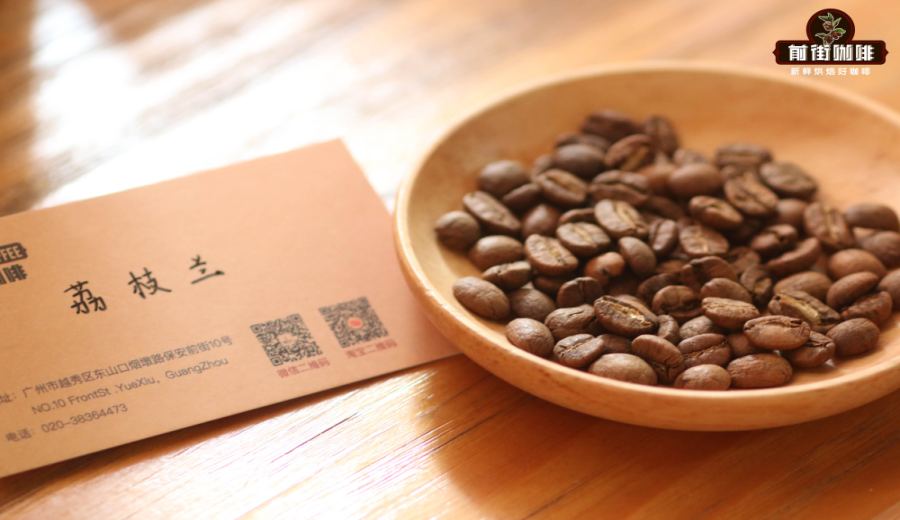
Introduction:This article takes an in-depth look at the unique charm of the Honduras Mocha Estate Litchi Orchid coffee beans. From the high-altitude environment of the Marcala region, the characteristics of the Caturra and Catuai varieties, to the innovative brandy barrel fermentation process, it introduces you to this specialty coffee that combines floral and wine notes. By comparing the pour over performance under two different roast profiles, we provide practical extraction suggestions and flavor analysis to help you master the best brewing method for these beans.
Honduras, with its mild tropical climate and abundant rainfall, has long been recognized as one of the world’s important specialty coffee origins. The municipality of Marcala, located in the Intibucá department of the country, is the hometown of today’s star—the Litchi Orchid coffee beans. These beans from the Mocha Estate are grown in mountainous regions at altitudes of 1500–1700 meters, primarily of the Caturra and Catuai varieties, and are crafted using a refined washed process combined with brandy barrel fermentation, resulting in a unique flavor profile.
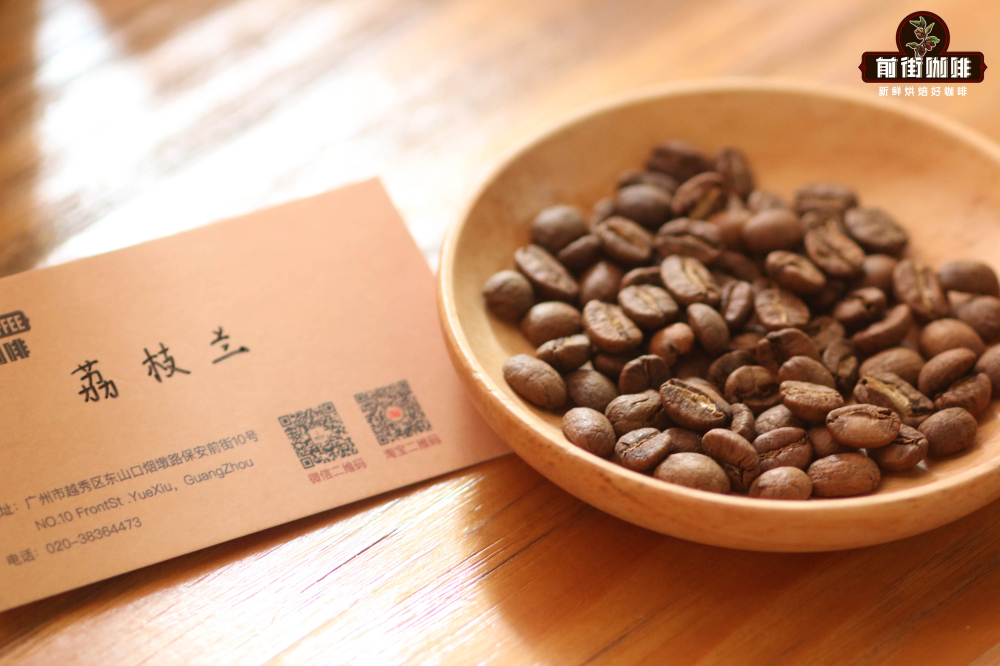
Marcala is situated in the southern part of the Jesús de Otoro valley, surrounded by mountains, and serves as the core area of the local coffee industry. Most of the coffee farms here are managed by smallholder farmers who insist on handpicking only ripe red cherries to ensure the quality of each bean. Notably, local farmers prune the coffee trees to a height of about 150 centimeters to facilitate harvesting and reduce tree damage. Since the coffee fruits ripen at different times, the harvesting process often takes several weeks, and this patience is the foundation of Honduras’ premium coffee quality.
The brandy barrel fermentation technique used for these Litchi Orchid beans draws inspiration from winemaking. During the fermentation process, the green coffee beans are placed in brandy oak barrels and left to rest for 30–40 days in a low-temperature environment of 15–20°C. The slightly breathable nature of the barrels allows a moderate amount of oxygen to enter, promoting fermentation while gradually infusing the beans with the wine aroma and tannins from the barrels. This process gives the coffee a rounded, wine-like body while retaining bright acidity and rich fruitiness.
In terms of variety selection, Caturra, a natural mutation of Bourbon, has a compact tree structure suitable for high-altitude planting, and its coffee usually exhibits bright acidity and red berry notes. Catuai, a hybrid of Caturra and Mundo Novo, offers stronger disease resistance and firmer fruit, making it suitable for mechanical harvesting. The combination of these two varieties lays a complex flavor foundation for the Litchi Orchid coffee.
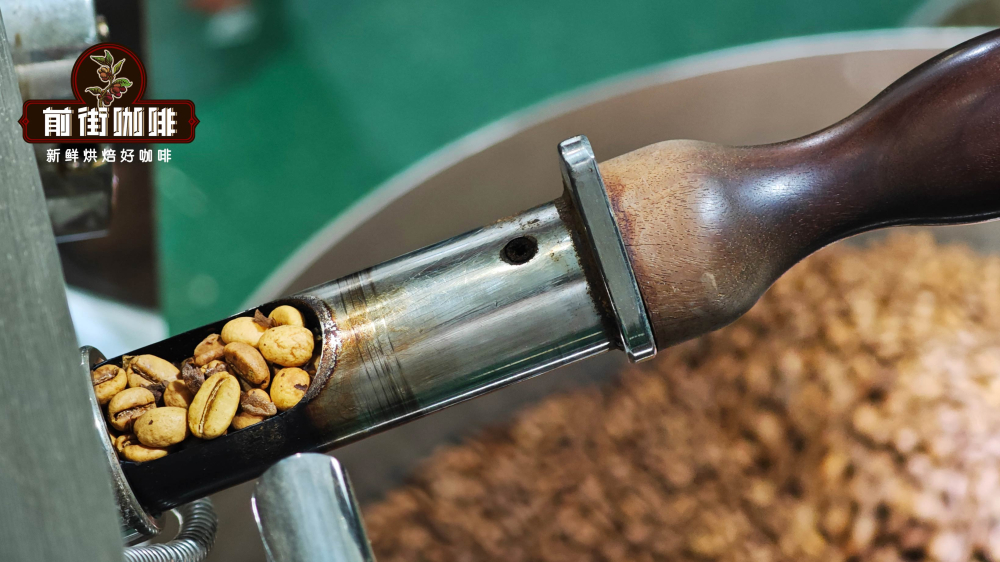
For roasting, we experimented with two different profiles. The first profile uses an inlet bean temperature of 220°C, with yellowing occurring at 6 minutes and 30 seconds (151.6°C), first crack starting at 9 minutes and 53 seconds (183°C), and the final roast temperature reaching 196°C, with a 1 minute and 40 second development time after first crack. The second profile reaches yellowing earlier, at 5 minutes and 50 seconds (152.6°C), with first crack also slightly earlier (9 minutes and 15 seconds), but extends the post-first-crack development time to 2 minutes and 10 seconds, with a final roast temperature of 195°C. These two roasting strategies directly influence the final flavor expression.
Cupping results show that the first profile presents distinct floral, berry, and honey flavors, paired with a moderate litchi sweetness, but the acidity is more pronounced with slight astringency. As the temperature drops, hints of wine aroma can be faintly perceived. The second profile delivers a rounder mouthfeel, with a creamy texture and prominent dark chocolate flavors as the base, complemented by distinct litchi sweetness and layered brandy wine aromas, with the sweetness lingering into the aftertaste. The optimal brewing water temperature for this coffee is 90°C, and it is recommended to use a Hario V60 filter, with a 1:15 powder-to-water ratio (grind size passing 80% through a #20 sieve with fine sugar consistency). Use a step-brewing method.
During actual pour over brewing, start with a 30-second bloom using 30 grams of water, then pour in small streams to reach 125 grams in the first pour, and continue pouring to 225 grams after the water level drops. Total extraction time should be controlled around 2 minutes. It is worth noting that the second roast profile, with its extended development time, shows a significant improvement in flavor balance—the combination of wine aroma and dark chocolate becomes more harmonious—making it suitable for those who prefer a fuller-bodied taste. In comparison, the first profile, while offering vibrant fruity acidity, shows slightly less overall cleanliness and aftertaste, indicating that this bean is not suitable for being roasted too lightly.
The above content is compiled by CoffeeHunters, a coffee news website.


