







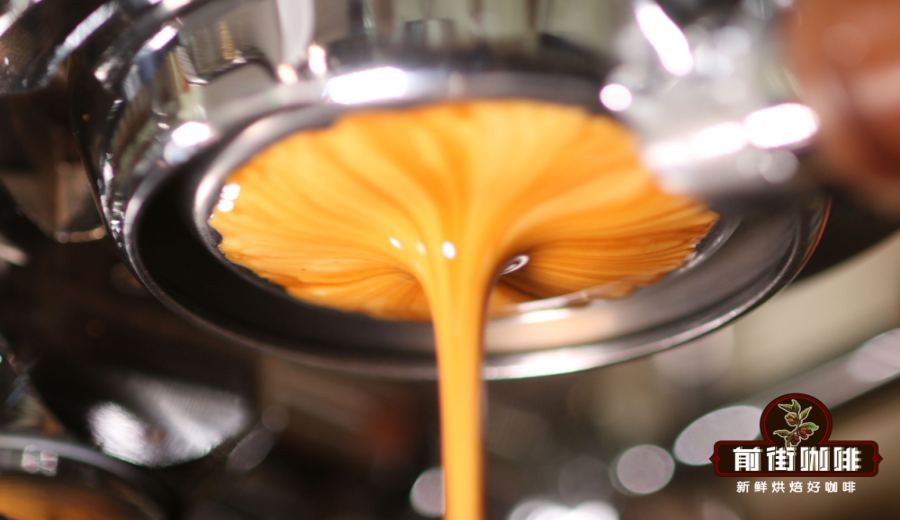
Introduction:The crema of an espresso not only affects its appearance and taste but is also key to successful latte art. This article delves into the principles behind crema formation, explores the five major factors influencing its richness, and recommends blend options ideal for latte art and milk-based coffee. From coffee bean variety and roast level to extraction pressure, we provide practical advice to help you master the essence of espresso.
The charm of espresso often lies in that layer of golden, delicate coffee crema.This layer of crema is formed during high-pressure extraction as carbon dioxide is released, resulting in a fine, foamy layer of coffee oils that steadily covers the surface of the espresso.High-quality crema should occupy about one-third of the cup’s height, with a uniform color ranging from golden to amber and a smooth surface free of large bubbles.
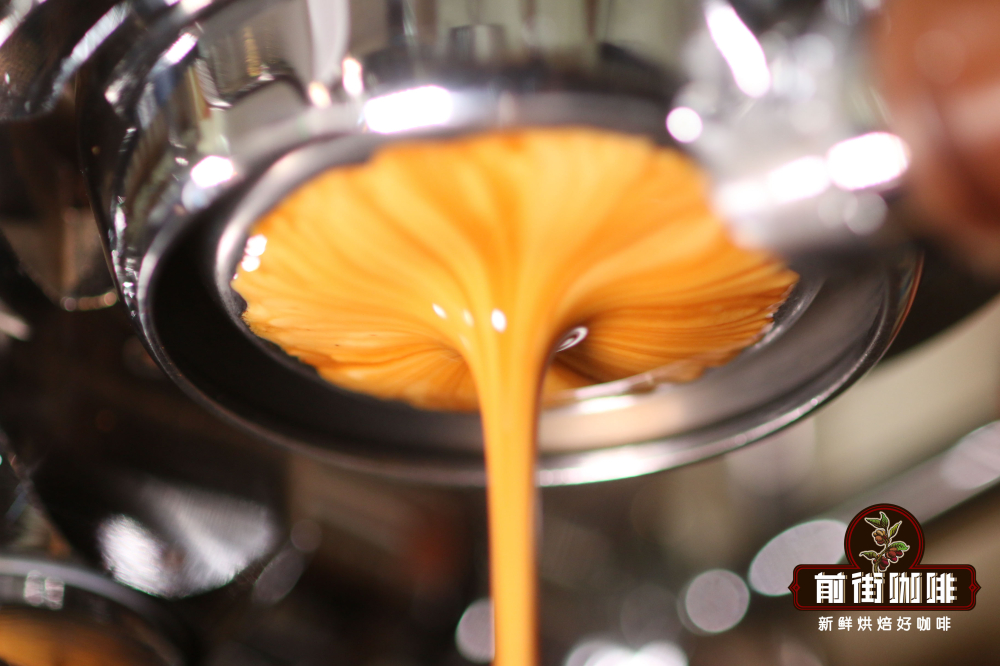
Drinkers who prefer a bold flavor often pay more attention to the texture and thickness of the crema.So, what factors influence the formation and appearance of crema?From the freshness of the beans and the degree of roast, to variety and extraction conditions, each step can affect the performance of the crema. Understanding these elements not only improves coffee quality but also enhances stability and aesthetics during latte art.
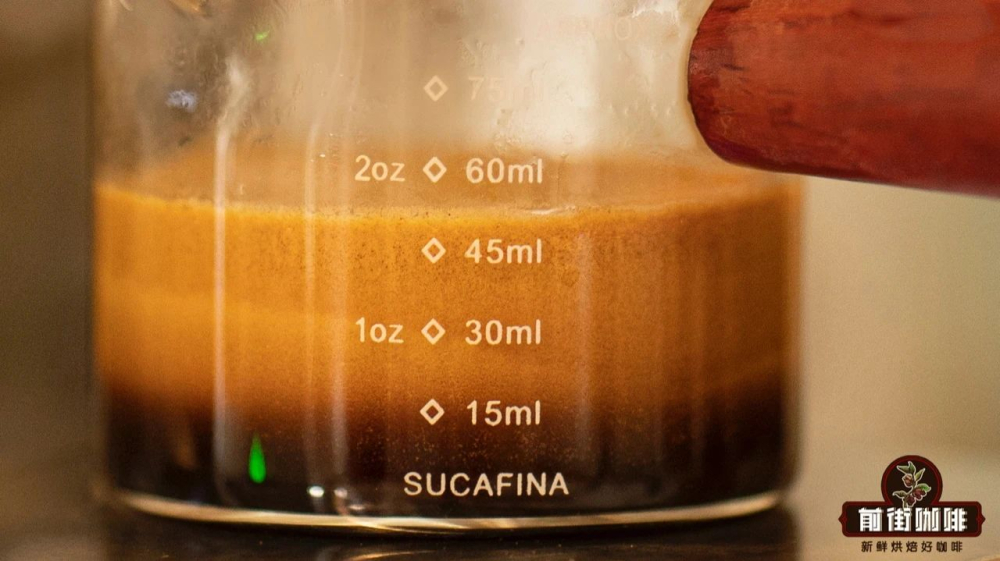
First, the freshness of the coffee beans is one of the key factors affecting crema richness.Freshly roasted coffee beans still contain a significant amount of carbon dioxide, which, under high-pressure extraction, is released along with the oils to form a stable crema layer.Generally speaking, the richer the crema, the fresher the beans.Conversely, coffee beans that have been stored for too long lose carbon dioxide, resulting in thin crema that may also appear lighter in color.
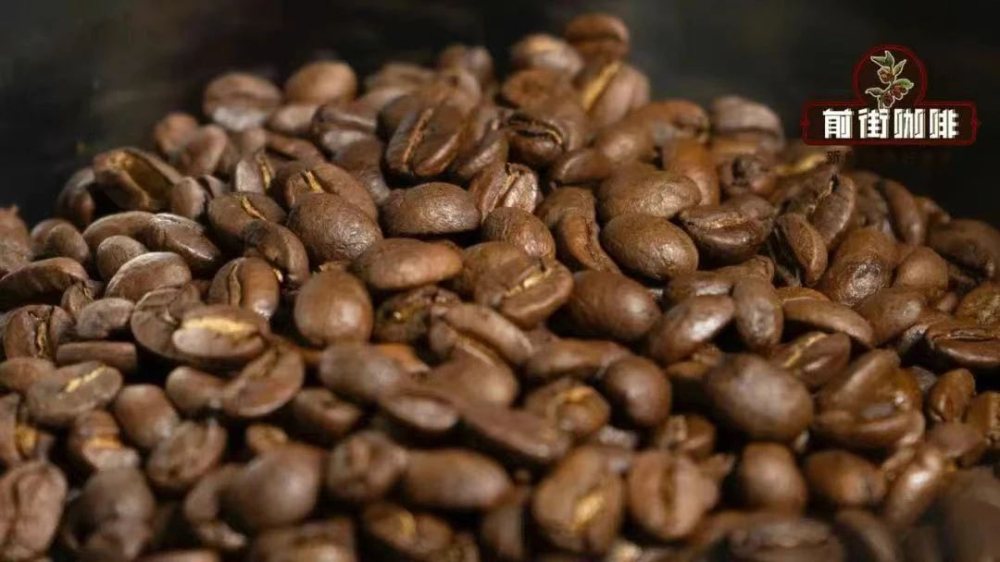
Second,the roast level also directly impacts the performance of the crema.Dark-roasted coffee beans, due to more thorough caramelization, release relatively abundant oils and gases, usually producing thicker and darker crema. However, over-roasting can also lead to excessive bitterness, so it's important to strike a balance between flavor and crema.

The differences in coffee bean varieties also cannot be overlooked.The commonly available Arabica variety, though known for its delicate aroma, generally has a lower natural oil content compared to Robusta.Robusta beans, being harder and higher in oil content, can release more oils even with a lighter roast, which is one of the reasons why many espresso blends include a small percentage of Robusta.

To balance flavor and crema richness, many specialty shops adopt blending strategies. For example, combining a base of Arabica beans with around 10% Robusta can maintain flavor complexity while enhancing the thickness and stability of the crema.These types of blends are often used as the base for milk-based drinks like lattes, where the crema blends better with milk foam, resulting in clearer patterns and firmer stability.
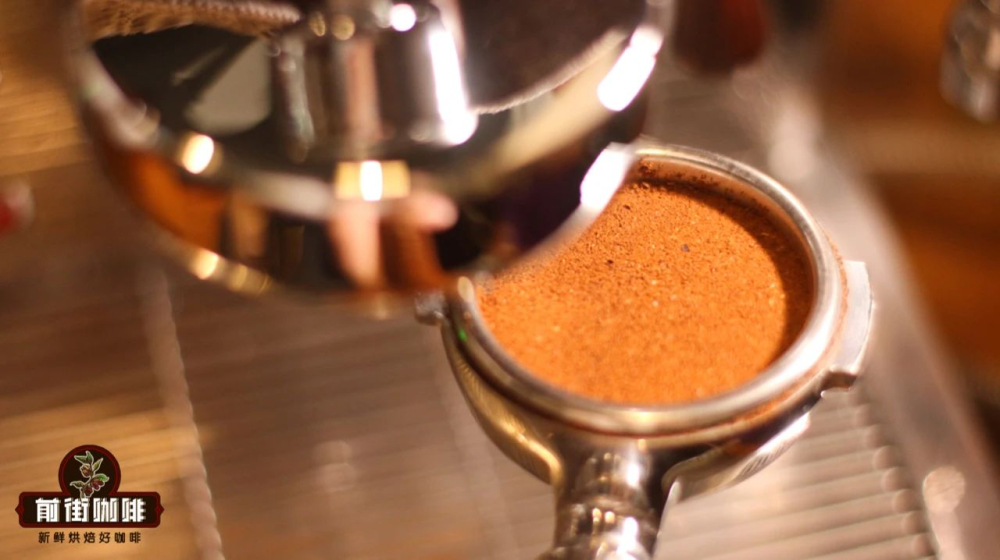
Besides the beans themselves,insufficient extraction pressure is also a major reason for thin crema.Espresso machines typically need to achieve around 9 bars of pressure to effectively extract oils and gases. If the machine’s performance is poor or settings are incorrect, even beans with high oil potential may fail to produce an ideal crema layer. Additionally, grind size, coffee-to-water ratio, and extraction time must also be precisely adjusted to ensure both the quality and quantity of the crema.

In summary, to achieve rich, latte-art-friendly espresso, optimization is needed across the board—from bean selection, freshness, roast level, and variety combination, to extraction equipment and parameters.Remember, crema is not just a visual delight, but also a crucial indicator of espresso quality and the foundation for successful latte art.

The above content is compiled by CoffeeHunters, a coffee news website.


