







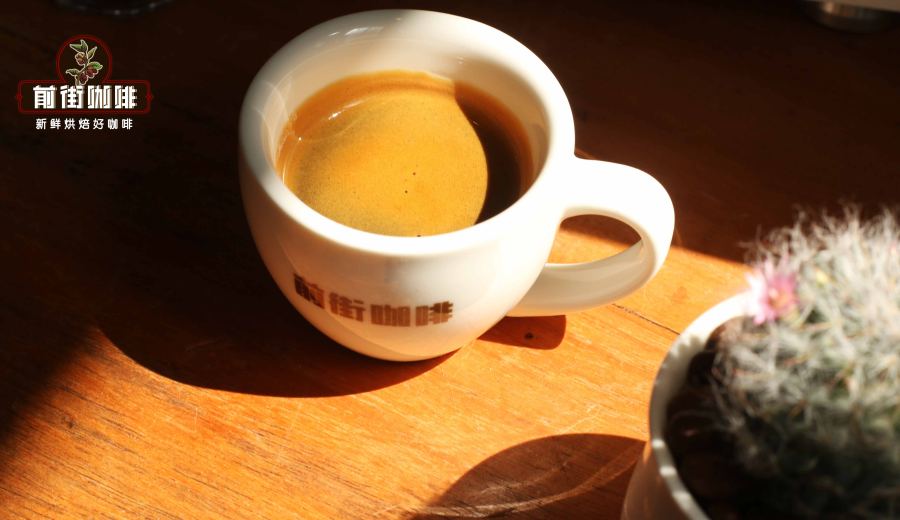
Introduction:Espresso is often based on blended beans, where carefully selected beans from different regions and roast levels are combined to create a layered and balanced shot. This article delves into the core concepts of espresso blends, starting with the logic behind blend formulation, and provides detailed information on five popular espresso blend coffees — including roast level, main origin, flavor characteristics, and recommended use. Whether you're a home brewer, a latte art enthusiast, or an aspiring café owner, you’ll find the perfect match here.
So-called espresso blends are actually an art that emphasizes balance and layering. Rather than randomly mixing a few types of beans, they are meticulously crafted by combining beans from different origins, varieties, and roast depths. This allows the strengths of each bean to complement one another, compensating for any flavor shortcomings that a single-origin bean might have, thereby creating the rich, full-bodied, and dynamic taste that espresso demands.
Most of the espresso beans commonly found on the market today fall under the category of blends. Typically, two or more beans from different regions—or the same variety roasted to different levels—are combined. The goal is to achieve a smoother, more aromatic cup with a certain degree of complexity. This is why many professional baristas emphasize the importance of blending.
Choosing the right espresso blend not only enhances the overall performance of your shot but also allows you to tailor the recipe for different purposes—such as making milk-based drinks, Americanos, or practicing latte art. Next, we’ll take an in-depth look at five popular espresso blends, covering their roast levels, main origins, ideal users, and unique flavor profiles to help you make the most suitable choice based on your needs.
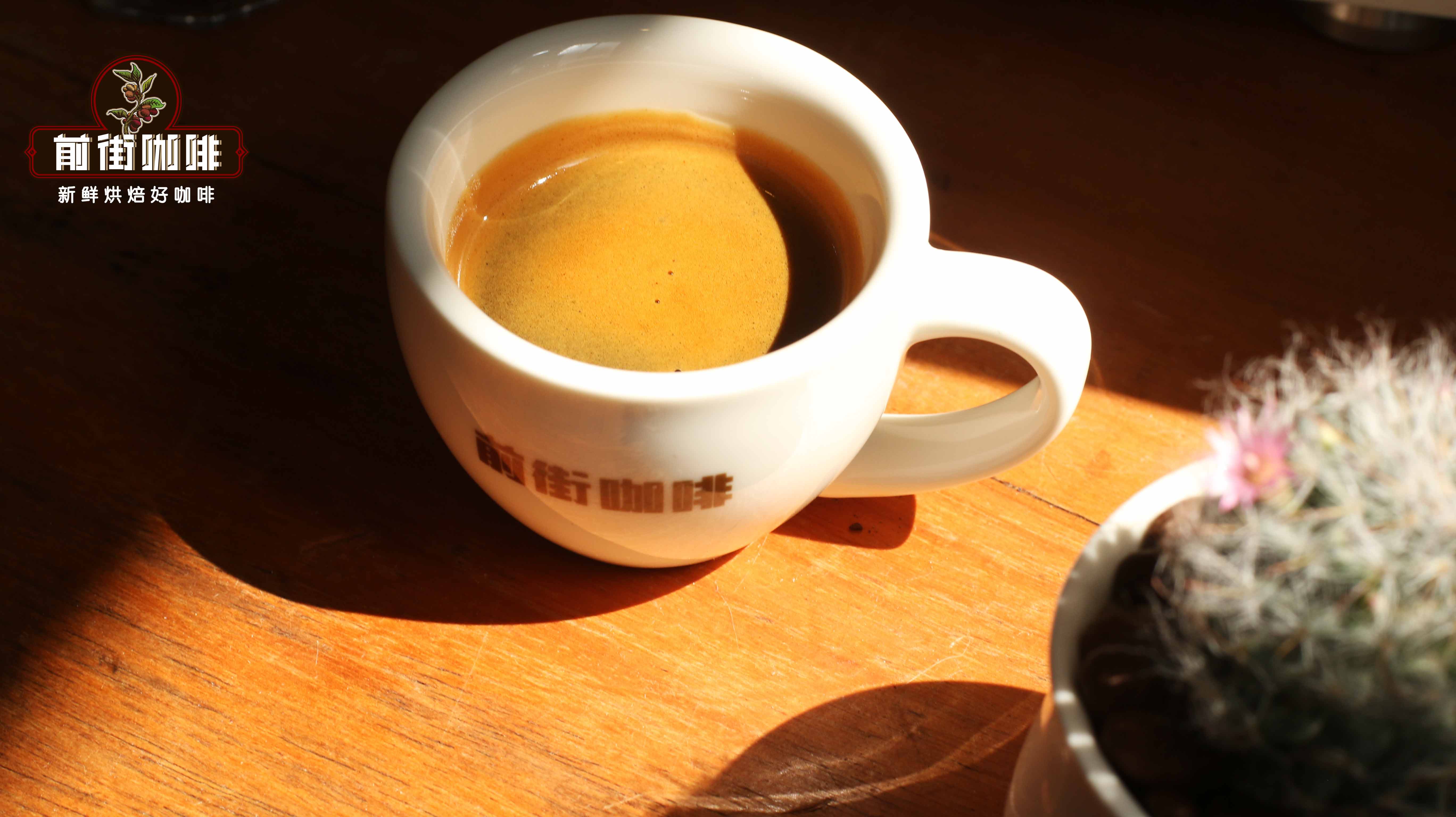
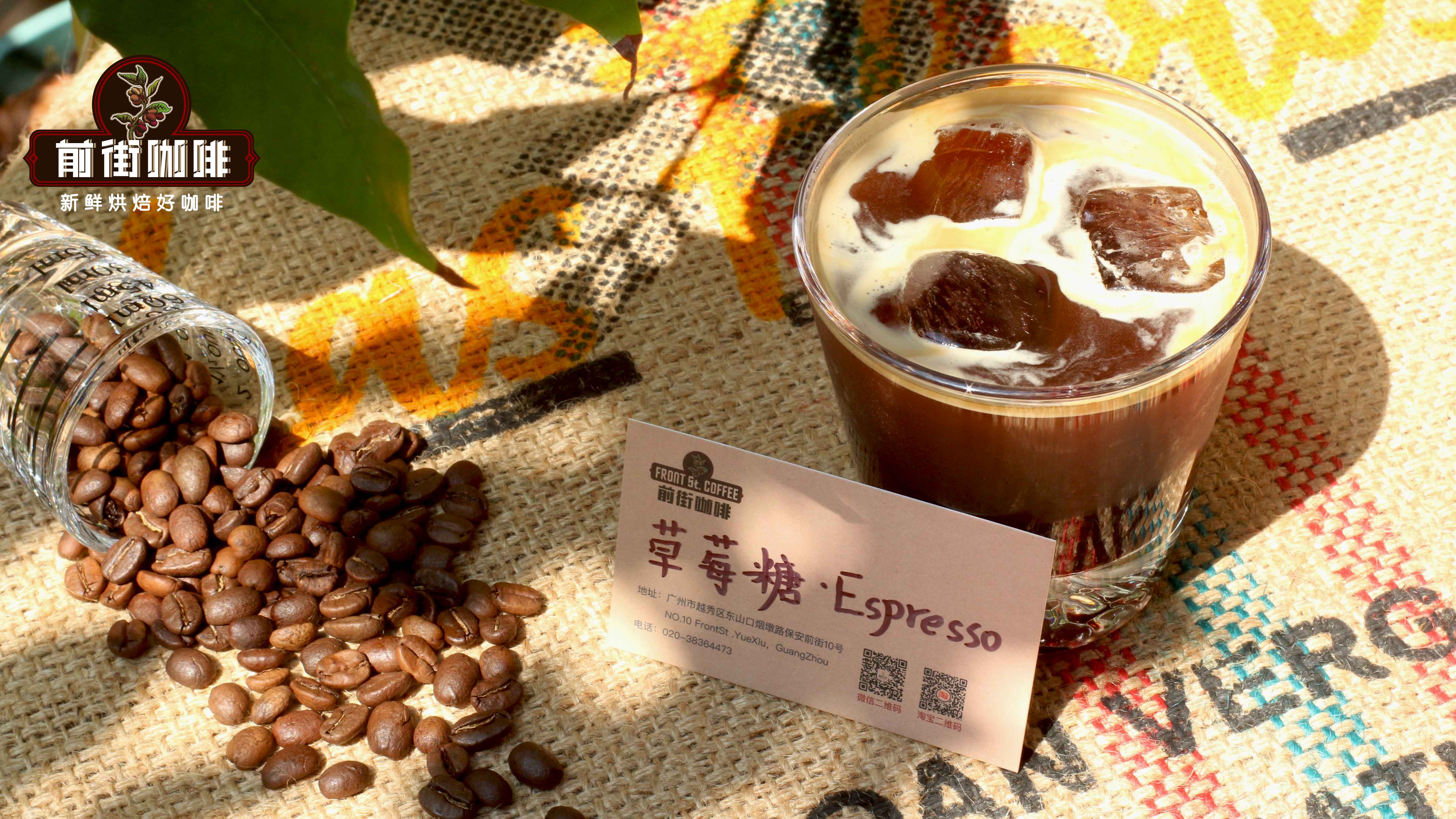
First up is the “Strawberry Candy” espresso blend, which features a medium-dark roast and combines beans from Colombia, Costa Rica, and Ethiopia. Its standout feature is an exceptionally smooth and silky mouthfeel when used in milk-based drinks. When brewed as an Americano, it reveals sweet layers of raisin, caramel, and blueberry, with a lingering hint of almond. Overall, it has low bitterness, a well-balanced acidity and sweetness, and is very approachable—making it a great option for more experienced home brewers looking to level up.
Another highly praised option is the “Dark Cocoa” espresso blend, also medium-dark roasted, primarily using beans from Yunnan and Brazil. This blend is known for its pronounced notes of creamy nuts, chocolate, and caramel, along with a subtle acidity reminiscent of ripe plums. It offers a balanced and approachable flavor profile. Not only is it affordable and generously portioned, but it’s also perfect for beginners, everyday home use, or office drinking—making it a go-to daily choice that many baristas privately recommend.
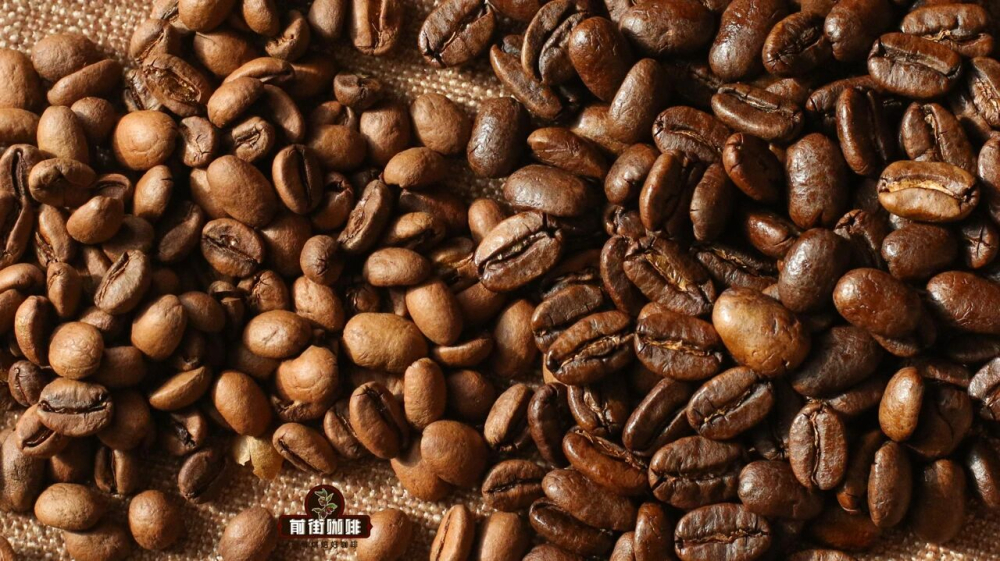
If you’re a fan of latte art, then the “Classic” espresso blend is definitely worth a try. Also medium-dark roasted, this blend combines beans from Brazil, Indonesia, and Vietnam. Its most prominent feature is its rich crema, along with intense aromas of roasted hazelnuts and baked bread. The flavors of caramel and dark chocolate are particularly pronounced, and when paired with milk, it delivers a smooth, thick texture with great body—making it an ideal base for practicing latte art techniques.
For café owners or beginners looking to open a coffee shop, the “Commercial” espresso blend is a common and practical market choice. Also medium-dark roasted, it mainly uses beans from Colombia, Brazil, and Vietnam. This blend centers around bold unsweetened chocolate and baked bread aromas, with particularly notable caramel notes. When milk is added, it produces an extremely smooth and thick texture, with a full and stable overall flavor profile—making it highly suitable for commercial use or high-volume daily service.
Finally, we introduce the “Premium” espresso blend, which also uses a medium-dark roast and primarily features beans from Colombia and Brazil. Its highlight lies in its rich and complex nutty aromas, showcasing multi-layered flavors of peanuts, sunflower seeds, almonds, and walnuts. The taste is well-balanced and clean, without any overwhelming off-notes or jarring elements. This blend is considered the best choice for community cafés as a daily base bean—offering high stability and easy pairing with various beverages.
The above content is compiled by CoffeeHunters, a coffee news website.


