








Introduction:The Tarrazú region of Costa Rica is renowned for its honey processing method, producing coffee beans that often exhibit pronounced sweetness and berry notes, making them an excellent choice for pour-over enthusiasts. This article delves into the geographical advantages and microclimatic conditions of Tarrazú, while focusing on the varietal blend and raisin honey processing details of a strawberry sugar Geisha blend, offering practical insights into flavor experience and brewing recommendations.
Costa Rican coffee is highly praised for its sweet, honey-like flavor profile, with the Tarrazú region being a flagship representation of premium quality. Starting from the region's geography and processing methods, this article introduces you to the unique charm of Costa Rican coffee and explains in detail how a blend combining Geisha with multiple varieties, through raisin honey processing, showcases intense berry and floral notes, becoming a popular choice among pour-over enthusiasts.
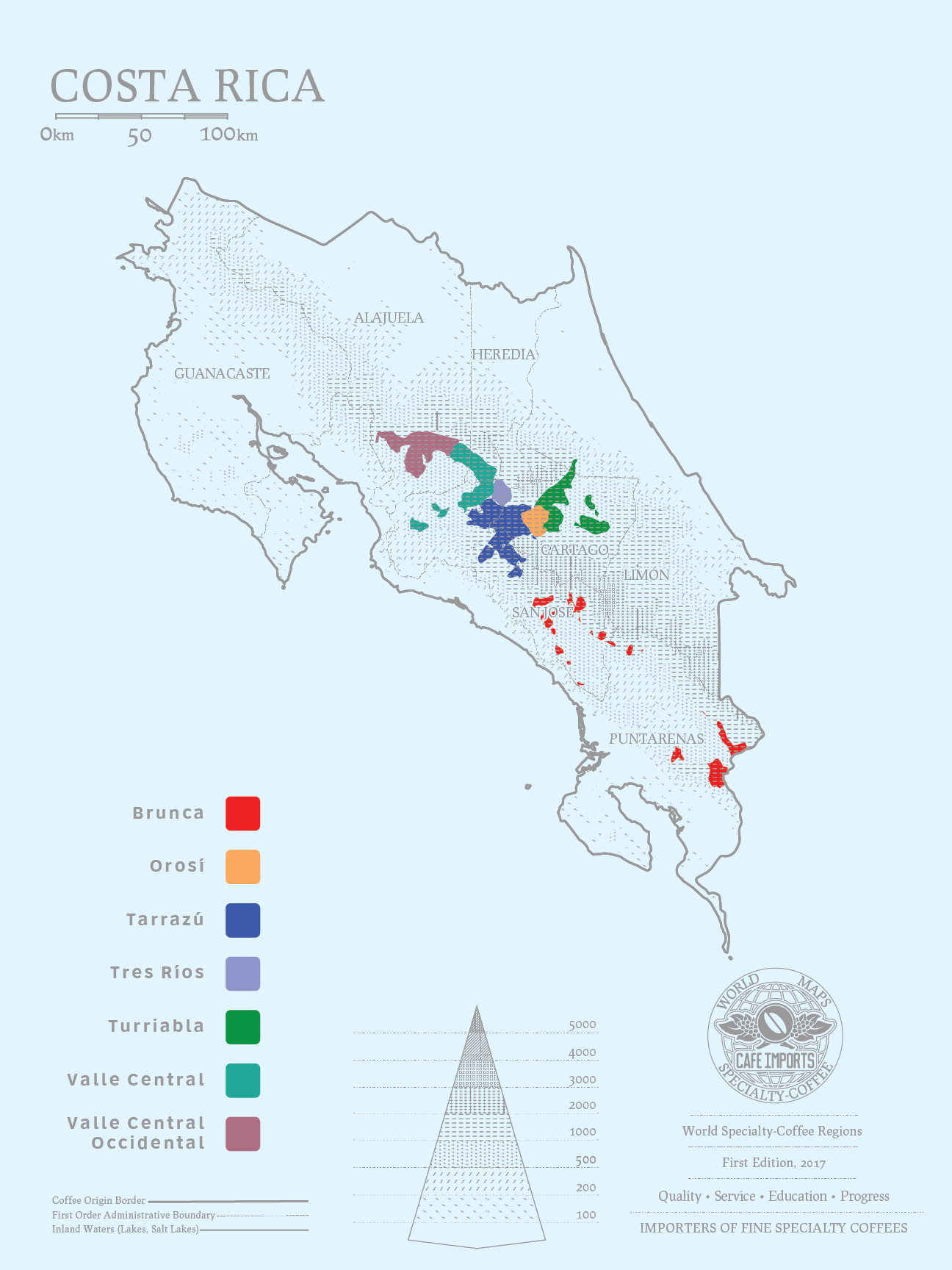
Costa Rica is the first country in Central America to introduce coffee cultivation and boasts a long history of coffee farming. The country is primarily composed of volcanic soil, which offers excellent drainage and is rich in minerals. Coupled with the central highlands, where elevations generally range between 1200 and 1600 meters, the annual precipitation and diurnal temperature variations create an ideal environment for coffee growth. The main harvest season runs from November each year to March of the following year. The region includes sub-regions such as San José, Heredia, and Alajuela, and is surrounded by three active volcanoes—Irazú, Barva, and Poás—which continuously provide fertile nutrients. Coffee from this area is known for its chocolatey, rich mouthfeel, bright acidity, and elegant aroma.
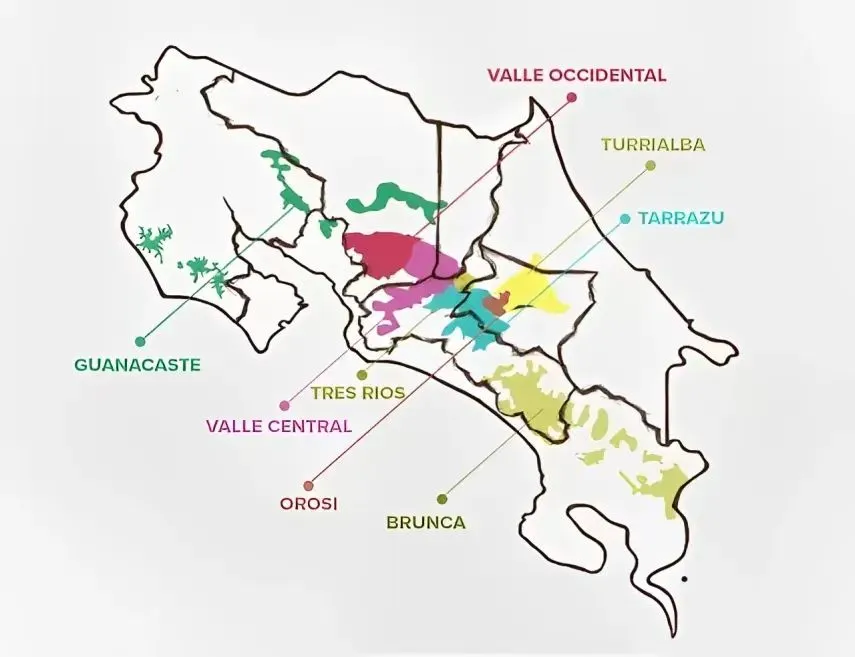
The country is divided into eight major coffee-growing regions, among which Tarrazú (Tarrazu), known for its consistent quality and outstanding flavor, is regarded as a significant source of specialty coffee. Located south of the capital, San José, this region benefits from superior elevation conditions and a unique microclimate, yielding coffee beans with a full body, high richness, often featuring nutty and dark chocolate notes. The acidity is refreshing without being overly sharp, and the aroma is layered and complex.
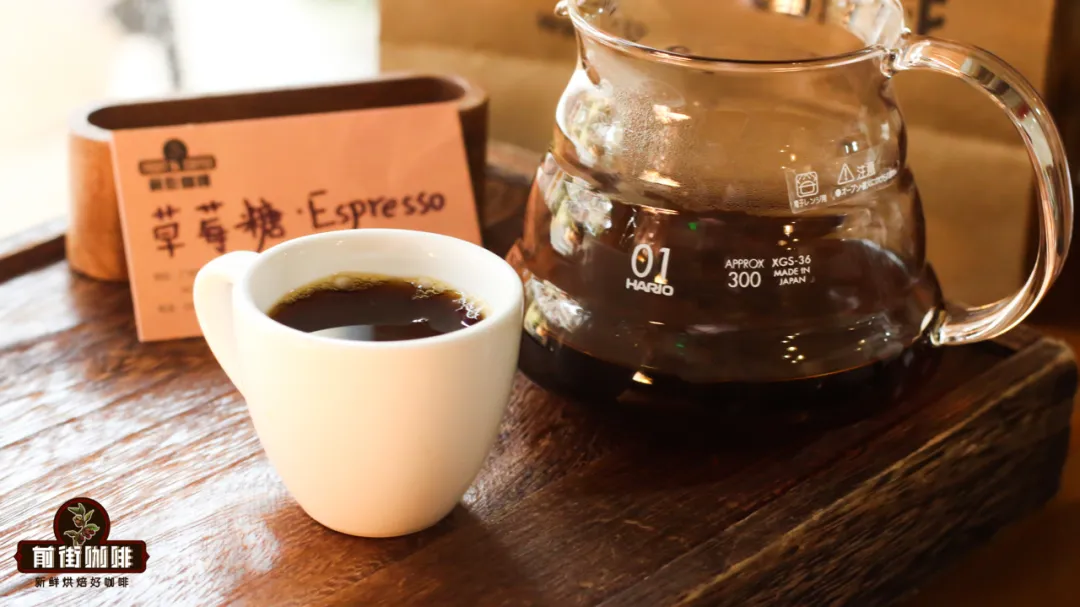
This Strawberry Sugar · Geisha Blend is a premium blended coffee bean from Costa Rica, combining Geisha with other specialty varieties, enhanced with raisin honey processing to intensify sweetness and fruity aromas. Produced at the Mirasu Estate, grown at an altitude of approximately 1700 meters, the processing retains the complete fruit mucilage without washing, resulting in a unique fermentation profile.
The Mirasu Estate is small-scale and personally managed by Esteban Sanches and his family. Originally a member of the neighboring Pequeña Lámpara Estate family, he went independent due to his commitment to coffee quality, even building his own small wet processing facility. Esteban believes that the foundation of coffee lies in cultivation—only by ensuring quality at the source can reliance on subsequent sorting be reduced. He emphasizes caring for coffee trees with love, combined with the region’s exceptional natural environment, to deliver the most authentic flavors, and is happy to share his experience and help other farmers improve their cultivation techniques.
This blend consists of 50% Geisha and 50% a mix of ET47, SL28, and MAICO, all grown on the same estate. Both ET47 and SL28 are classic varieties: ET47 originates from an Ethiopian landrace and was introduced to Costa Rica by the Coffee Research Institute in the 1990s for research on leaf rust resistance; SL28 was bred with goals of high quality and disease resistance. Though its yield is lower than commercial varieties, its copper-colored leaves and broad bean-like appearance conceal rich citrus and dark plum flavors, with excellent sweetness and layered complexity.
Regarding whether this blend qualifies as a single-origin coffee, the answer is yes. Since all varieties come from the same Mirasu Estate within a single region, it meets the definition of a single origin. Similar to the common natural hybridization patterns in Ethiopia, as long as the region is consistent, regardless of whether it’s a single or mixed variety, it can be classified as a single-origin bean. This blend is akin to a thoughtfully crafted single-origin, showcasing a uniquely integrated flavor profile.
The raisin honey processing method is a key technique for this bean, retaining 100% of the fruit mucilage and avoiding washing entirely, which significantly increases processing difficulty and flavor potential. On the day of harvest, the cherries are first floated in water tanks to remove underripe or overripe beans, keeping only the high-quality ones that sink. The selected fruits are then placed on raised beds to dry for at least three days before the cherry skins are removed, preserving the complete mucilage for slow drying.
During this process, climate control and turning frequency are crucial. The coffee fruits must be evenly turned to avoid uneven fermentation while maintaining an appropriate drying speed to prevent over-fermentation or mold. Successful raisin honey processing can impart a white wine-like bright acidity and intense sweetness to the coffee, with distinct layers of fermentation aroma.
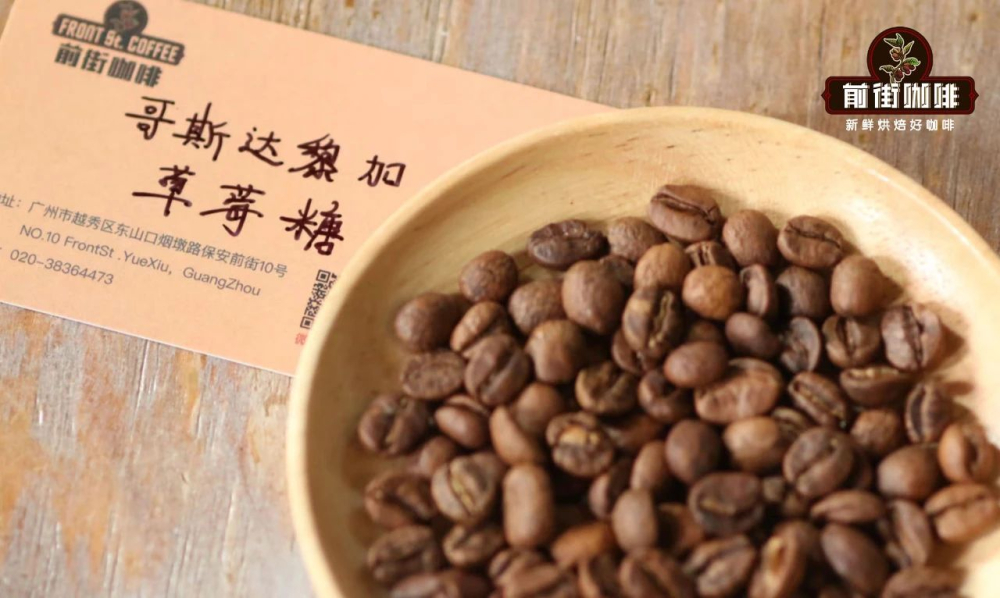
The Geisha variety brings distinct jasmine notes to this bean, complemented by the berry flavors of the other varieties, further enhanced by the raisin honey processing to intensify sweetness, resulting in a unique flavor profile where fruitiness and florality intertwine. To highlight its floral notes and fermented sweetness, the roaster specifically used a medium-light roast. For pour-over brewing, it is recommended to use water at 90–93°C and a medium-fine grind (such as BG 6K) to achieve the best balanced extraction.
The above content is compiled by CoffeeHunters, a coffee news website.


