







Introduction:Want to understand the unique flavor profiles of Mandheling from different regions in Sumatra, as well as the differences in grade and price of PWN Golden Mandheling? This article delves into the characteristics of key producing areas such as Lake Toba, Lake Tawar, and Lintong, helping you identify the distinctions between G1 and G6 grades, analyzing the flavor and appearance differences between Golden Mandheling and regular Mandheling, and also providing tasting highlights and pour over recommendations for Tiger Mandheling and Aged Mandheling. This will help you avoid common pitfalls like Robusta blends.
When it comes to Mandheling, many coffee enthusiasts first think of its rich, bold flavors with notes of earth and herbs. But did you know that Mandheling from different regions on the island of Sumatra can actually taste quite different? From Lake Toba to Lake Tawar, and then to the Lintong area, each region, due to differences in geology, altitude, and microclimate, produces coffee beans with their own unique characteristics. This article starts with the terroir of each producing area, detailing the differences between regular Mandheling, G1 specialty-grade, PWN Golden Mandheling, and Ding Shang Golden Mandheling, and introduces the unique personalities and ideal brewing methods of Tiger Mandheling and Aged Mandheling. Whether you're a beginner or a connoisseur, you'll find practical guidance for selection and appreciation.
One of the most representative Mandheling-producing regions in Sumatra is the highland area around Lake Toba. This alpine lake, located about 900 meters above sea level north of Medan, the capital of North Sumatra Province, is a typical highland freshwater lake. Many well-known roasters source their Mandheling coffee beans from this region. The area mainly grows Typica and its derivatives, offering a solid flavor foundation. Thanks to the fertile volcanic soil and the microclimate between the lake and mountainous areas, where fog often lingers year-round, the coffee grown here—despite not being at an extremely high altitude—develops rich and layered flavors.
Located in Aceh Province at the northern tip of Sumatra is the renowned Gayo highlands, home to Lake Tawar. The climate here is tropical rainforest, with abundant rainfall and fertile volcanic soil. Although coffee cultivation began relatively late here (around 1924), the remote location and high altitude (approximately 1,110 to 1,300 meters) result in coffee with a unique fresh character, contrasting with the boldness of the Lake Toba region. The Lake Tawar area is also the main source of what is commonly referred to as Gayo Mandheling.
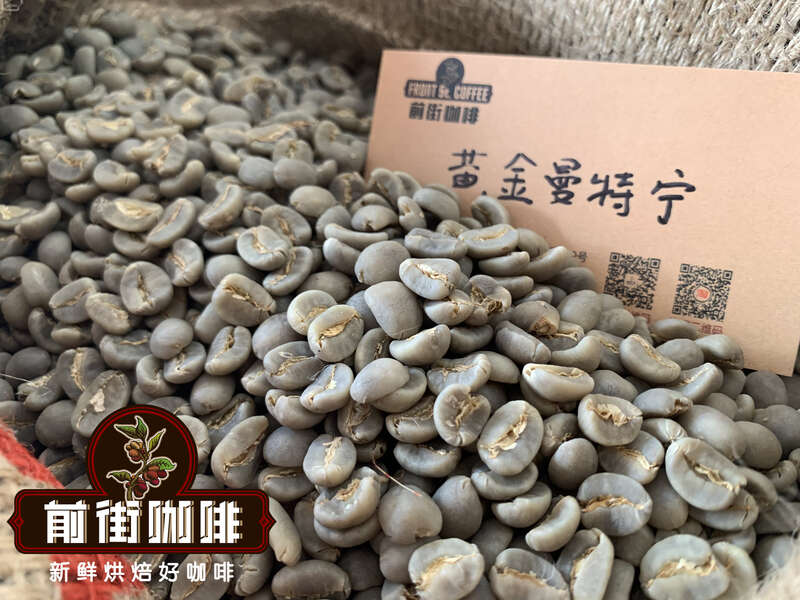
Indonesia’s coffee grading system is primarily based on the ratio of defective beans, ranging from highest to lowest in six grades: G1 to G6. Among these, G1 is the highest grade, with the fewest defective beans, uniform bean size, intact appearance, and typically flat beans. G6, on the other hand, has a high defect rate and the least stable quality. The Mandheling commonly found on the market is mostly G1 to G3 grade, with G1 usually representing specialty grade, suitable for consumers seeking high-quality flavor. It’s worth noting that grade only reflects the defect rate and appearance; actual flavor performance is still influenced by processing methods, roasting, and brewing techniques.
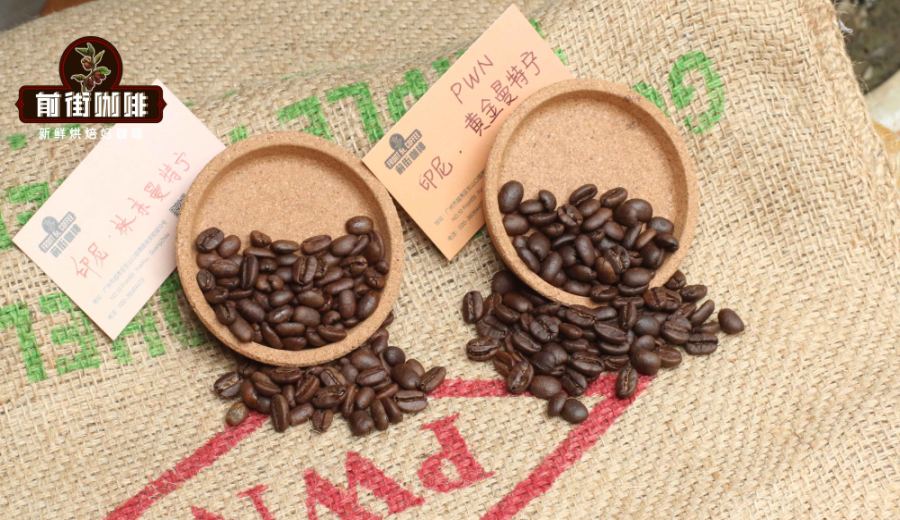
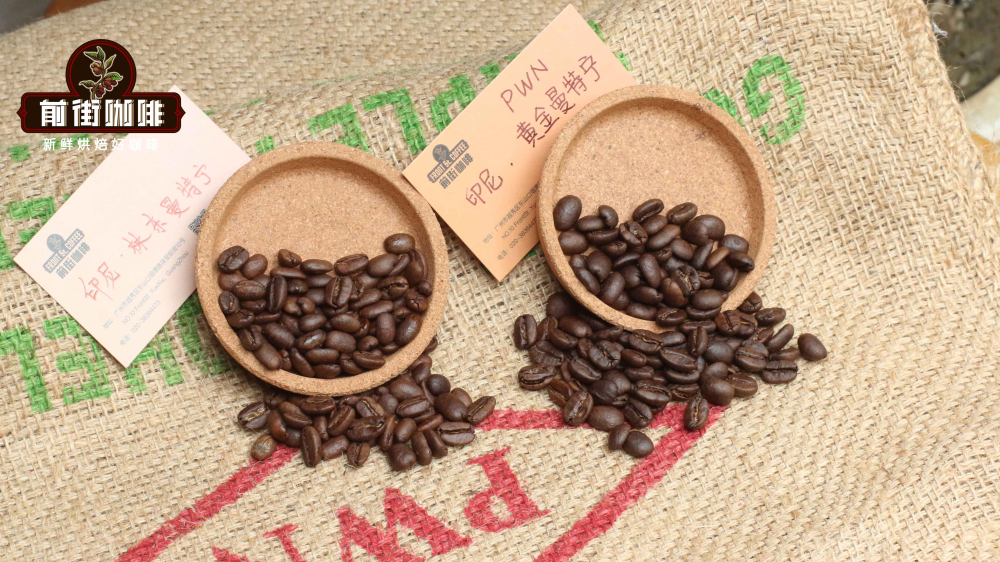
When it comes to premium Mandheling, PWN Golden Mandheling and Ding Shang Golden Mandheling are well-known brands in the market. Both of these coffee beans come from the Lintong region in northern Sumatra. They are harvested entirely by hand from ripe coffee cherries, processed using the semi-washed (SEMI-WASHED) method, combined with sun drying and multiple refining processes, and finally undergo at least three to four rounds of manual selection to ensure uniform bean size, dark green appearance, and no obvious defects. PWN Golden Mandheling is known for its rich, full-bodied flavor, honey and creamy sweetness, often accompanied by complex spice notes, making it a prized choice for many coffee aficionados.
Compared to regular G1 Mandheling, PWN Golden Mandheling performs better in terms of sweetness, body, and cleanliness, with more pronounced spice flavors, while almost no herbal, earthy, or woody off-notes are present. Instead, it offers bright caramel sweetness and elegant fruit acidity. Tiger Mandheling, on the other hand, is another standout product, mainly grown in Aceh Province and other higher-altitude areas of Sumatra. The varieties include Catimor, Typica, and Sidikalang. Its flavor profile is relatively clean and refreshing, with notes of nuts, cream, and dark chocolate. It's suitable for everyday drinking and can be brewed using various devices such as the V60 or AeroPress.
As for Ding Shang Golden Mandheling, it was originally introduced to the Japanese market as Golden Mandheling but was later renamed Gold Top Mandheling due to trademark issues. Both are essentially produced in the Lintong region, with similar processing methods and selection procedures, both being high-standard specialty-grade Mandheling. The only difference lies in brand registration and packaging names. Consumers should pay attention to the origin and grade labels on the packaging to avoid confusion caused by similar names.
Aged Mandheling is another specially processed type of coffee bean. In the past, due to long shipping times, the beans naturally dried and absorbed sea breezes during storage, resulting in a unique aged aroma. Nowadays, controlled aging processes regulate temperature and humidity, reducing acidity while enhancing body, resulting in a smoother and fuller mouthfeel—ideal for those who prefer low-acid, heavy-bodied coffee. Aged Mandheling requires a longer resting period after roasting to fully develop its complex flavor profile.
Finally, a reminder to consumers: although Indonesia is the main producer of Mandheling, only 10% of the country’s coffee production consists of Arabica, with the rest mostly being Robusta, primarily used for instant coffee. As a result, the market is not without products that pass off low-cost Robusta as Mandheling, or label items as "flavored Mandheling" despite containing no Mandheling beans at all. When identifying, check the origin label, grade information, and ensure the packaging provides clear details on the growing region and processing method to avoid purchasing misleading products.
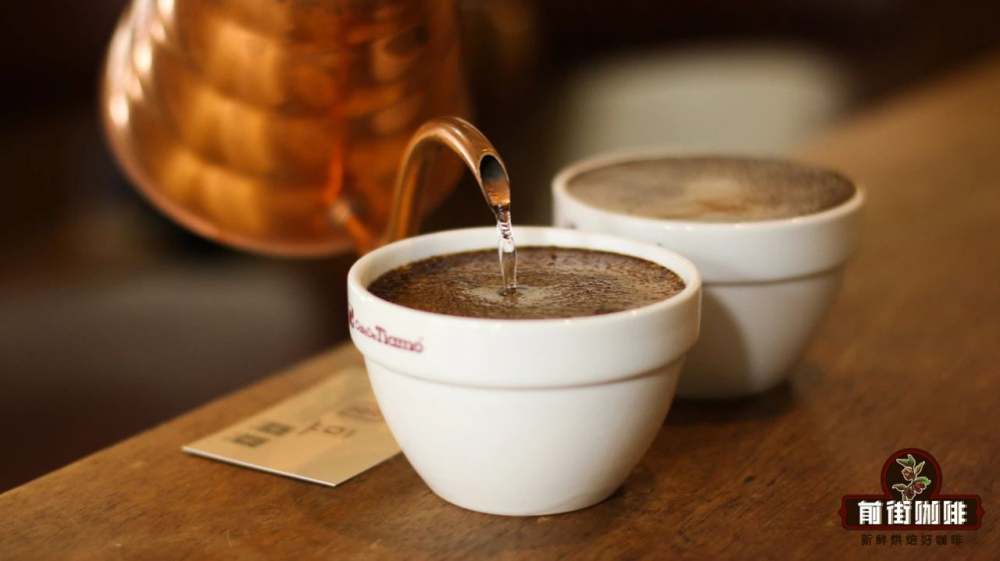
Pour over recommendation: Use a Hario V60 dripper, water temperature around 88°C, grind size approximately medium-fine (Fuji #4), water-to-coffee ratio 1:15. Start with a 25-second bloom using 25g of water, then pour in stages up to a total of 225g, keeping the total brew time around 2 minutes. This will fully highlight the nutty, chocolatey, and caramel notes in the finish of the Mandheling, while balancing its characteristic full body.
The above content is compiled by CoffeeHunters, a coffee news website.


