







Introduction:Want to learn how to use an automatic drip coffee machine? What type of coffee beans should you pair it with to achieve the ideal flavor? This article starts from practical operation, providing a detailed breakdown of the usage steps for fully automatic models, key extraction parameters such as water temperature and coffee-to-water ratio, and a comparison of flavor differences between machine brewing and pour over. Whether you’re a beginner or an advanced enthusiast, you’ll find suitable coffee bean choices and brewing suggestions here.
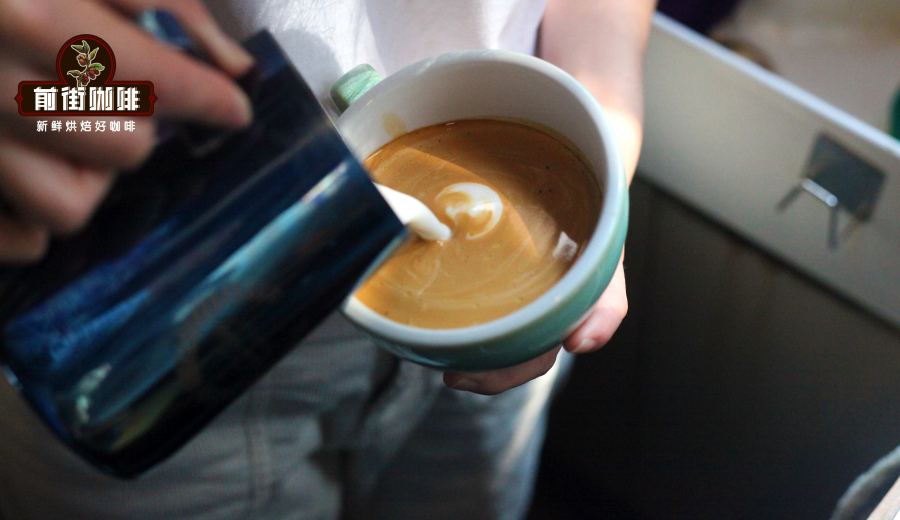
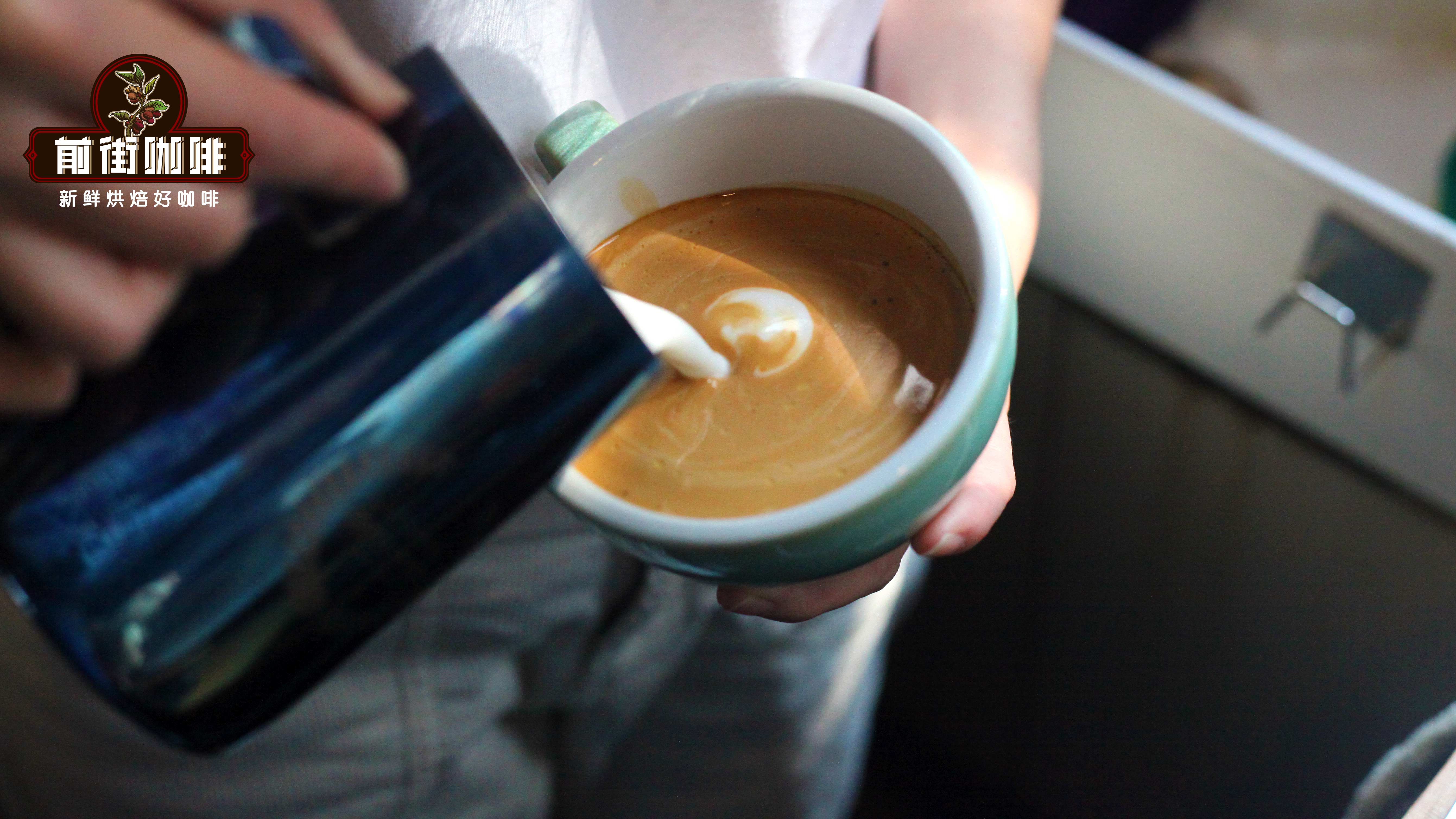
With the continuous advancement of home and commercial coffee equipment, automatic drip and fully automatic coffee machines have become the top choice for many coffee lovers. These machines can not only automatically complete basic actions such as water injection, filter rotation, and dripping, but some high-end models even integrate automatic milk frothing and latte art functions. However, for users who pursue flavor complexity, a common question arises: can automatic coffee machines replace traditional pour over? How is their extraction performance? Through a complete experiment, this article takes you in-depth to understand the operation process of fully automatic models, optimal extraction parameters, and the actual flavor differences compared to pour over.
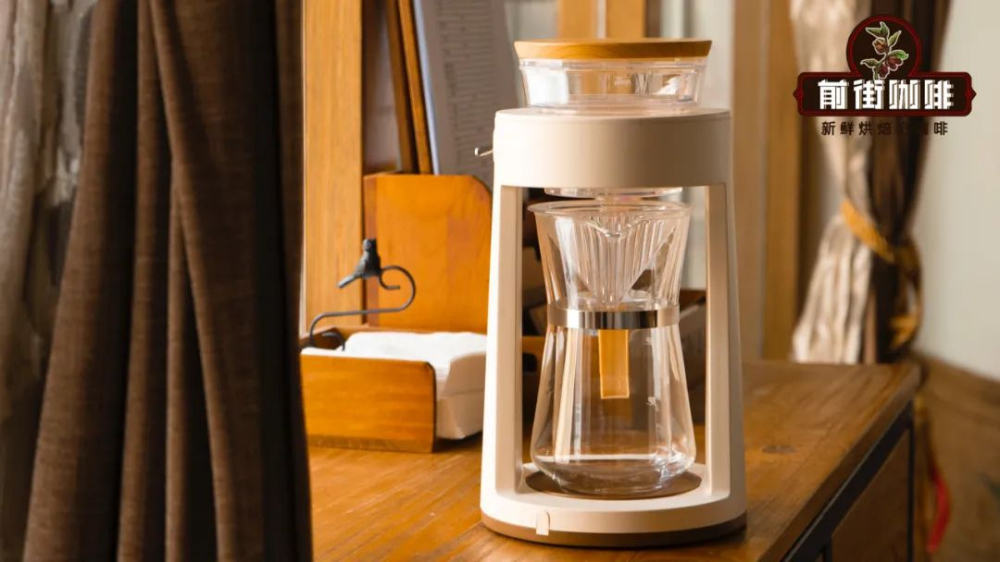
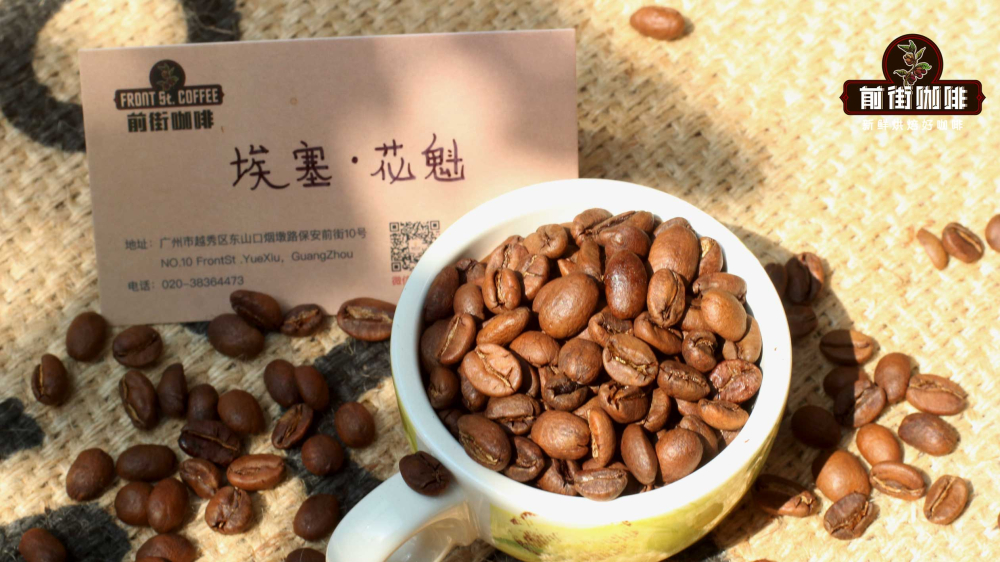
First, we need to understand that the operating logic of a fully automatic American-style drip coffee machine is very similar to manual drip, both belonging to the filter drip extraction method. This means that when selecting coffee beans, you can choose based on your preferred flavor profile without being limited by the type of machine. If you prefer a lighter taste and dislike heavy bitterness, you might consider medium to light roasted beans, such as Huakui, Gran Reserva Geisha, or Flower Dance. If you enjoy a more pronounced sweetness, medium roasted options like Strawberry Candy, Sidamo, or Blackberry are great choices. For those who do not like acidity at all, it is recommended to choose dark roasted beans such as Mandheling, Blue Mountain No.1, or Queen Estate, which offer a rich and mellow profile.
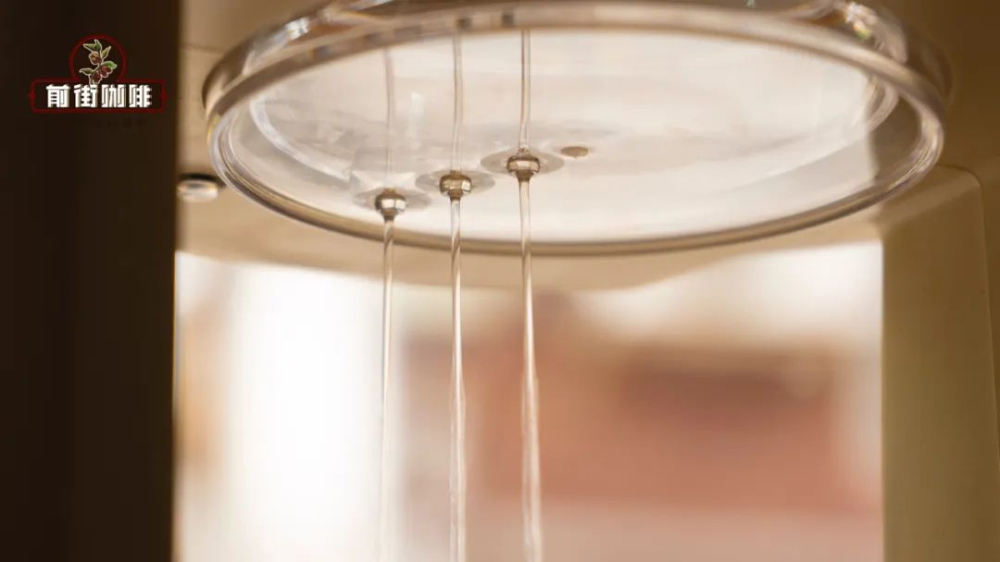
In this experiment, we used the dark roasted "Indonesia · Golden Mandheling" as the test bean, and performed extractions using both a fully automatic coffee machine and traditional pour over to compare the differences in flavor expression and extraction data. Although the equipment used was a non-fully automatic model, responsible only for the brewing part, it remains representative, and its operation logic is largely the same as mainstream fully automatic drip machines on the market: after starting the side rotary dial, the upper chamber begins to rotate steadily, and hot water is evenly injected into the filter cup through three bottom holes. The water flow rate automatically adjusts according to water pressure changes, creating a stable extraction environment.
The experimental parameters are as follows: using an EK43 grinder, the grind setting was 10.5, with a 20-mesh sieve passing rate of 75%, falling within the medium-coarse grind range commonly used for hot brewing. The coffee-to-water ratio was 1:15, meaning 15 grams of coffee grounds to 225 milliliters of hot water, with water temperature controlled at 88°C, suitable for extracting dark roasted beans. The brewing method employed a straightforward single-pour technique, paired with the same fan-shaped filter cup as the automatic machine to ensure consistency in conditions.
Regarding the experimental steps, since the pour over process is already widely known, this article focuses on the actual operation of the automatic machine. First, the filter paper is moistened and placed in the filter cup, followed by the addition of ground coffee. The machine’s side switch is activated to initiate the rotation of the upper chamber, and approximately 30 milliliters of hot water is poured in for a 30-second bloom. After the bloom, the lower chamber is positioned, and the remaining 195 milliliters of hot water is poured in. The entire process takes about 2 minutes. After dripping is complete, the lower chamber can be gently shaken to evenly distribute the coffee liquid, and a TDS coffee concentration meter is used to test the extraction yield.
The experimental results show that whether using the automatic machine or pour over, the extraction yields of both fall within the ideal range of the Golden Cup standard, indicating that the parameters were set correctly and effectively extracted the essential components of the coffee. However, in actual tasting, the two methods exhibited different flavor characteristics. The coffee brewed by the automatic machine had an overall more balanced taste, with slightly less body, but still clearly showcased the core flavors expected from Golden Mandheling, including notes of nuts, pine, and chocolate. In contrast, the pour over version demonstrated richer layering and detail, particularly with a layer of soft creamy texture, resulting in a more three-dimensional overall flavor profile.
It’s worth noting that as long as the parameters are correctly adjusted, fully automatic drip coffee machines can stably extract the main flavor characteristics of both dark and light roasted beans. More importantly, under the same settings, they can ensure a high degree of consistency in the extraction results of each cup, making them highly suitable for daily or consistent consumption needs. However, the charm of pour over lies in the “human” factor — different brewers, techniques, and water flow control can all impart a completely unique personality and expression to the same bean. This irreplaceable variability and warmth are precisely what make pour over so captivating.
In summary, if you value convenience, stability, and hope to enjoy café-level extraction quality easily at home, a fully automatic drip coffee machine is a highly practical choice. As long as you select the right coffee beans and master the basic extraction parameters, you can also brew a cup of coffee with outstanding flavor. If you’re pursuing a richer sensory experience and the uniqueness of each brew, pour over remains an important method that shouldn’t be overlooked. Regardless of which method you choose, understanding your flavor preferences and the principles of extraction is the key to enjoying coffee.
The above content is compiled by CoffeeHunters, a coffee news website.


