







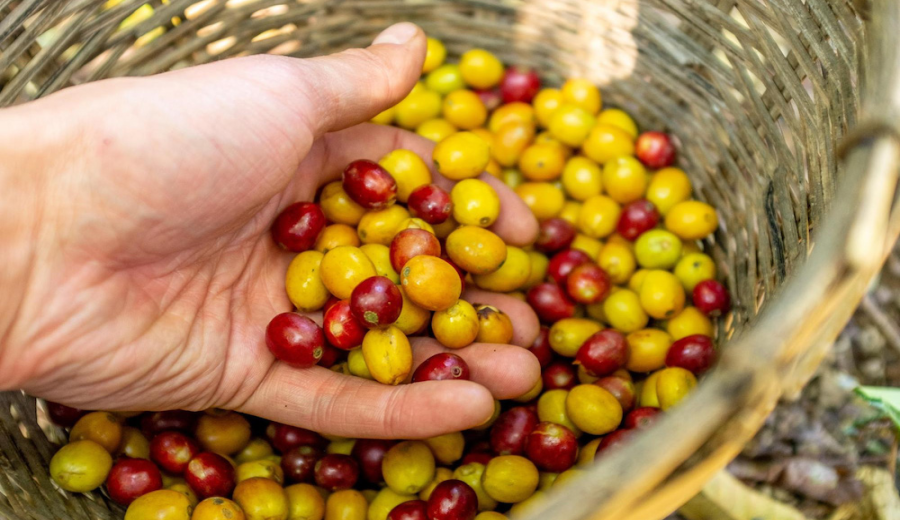
Introduction:As a natural mutation of Bourbon, Caturra is valued for its stable yield and disease resistance, making it one of the key cultivated varieties in Central and South America. This article delves into the origin of the Caturra variety, its plant characteristics, and flavor profile. Through a medium-dark roasted washed Colombian Huila-grown Caturra, we’ll guide you through practical pour over parameters and extraction results—offering a complete experience from cultivation background to a cup of coffee.
Originating in Brazil, Caturra (Caturra) is a spontaneous mutation of the Bourbon (Bourbon) variety. Since its discovery in 1937, due to its relatively high yield, better disease resistance, and adaptability to dense planting, it quickly became a staple variety in many coffee-growing regions. Compared to traditional Typica and Bourbon, Caturra plants are shorter with a compact canopy, maintaining good growth even under full sunlight, hence it is also commonly referred to as “sun-grown coffee.”
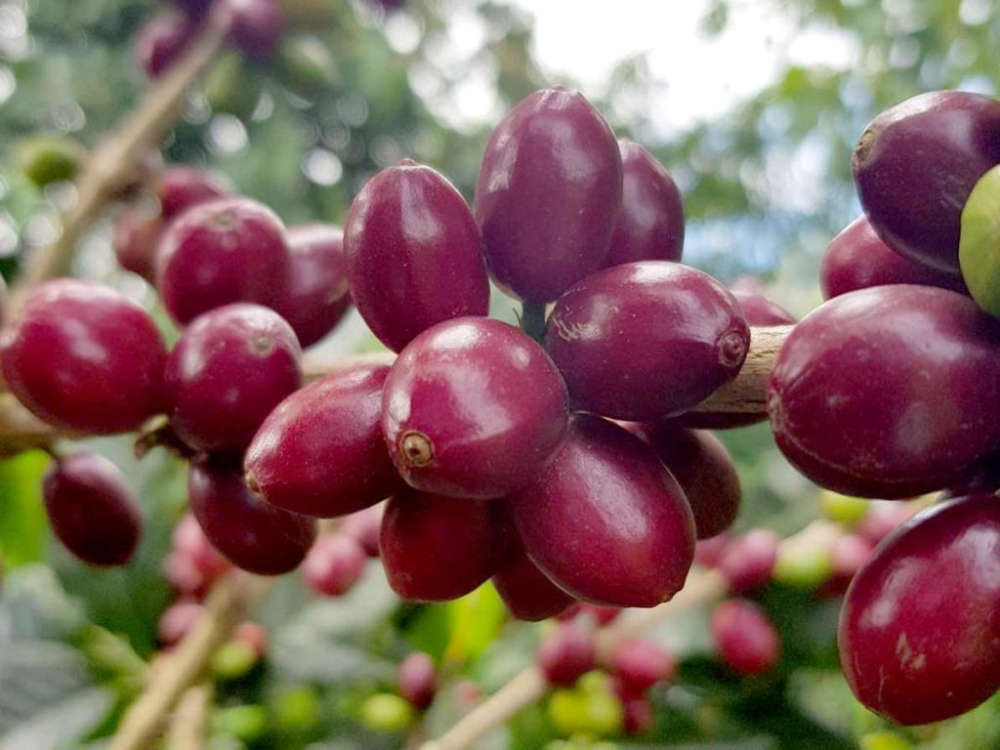
In addition to the more common Red Caturra and Yellow Caturra, there is also a rarer Purple Caturra, which is a further natural variation of Red Caturra. The young shoots of Purple Caturra exhibit copper-purple leaves at the tips, and the ripe cherries tend to be dark purple. Not only is it distinctive in appearance, but its flavor profile is also quite unique, showing stronger resistance to leaf rust. It demonstrated resilient survival during the major leaf rust outbreak in Colombia in 2012.
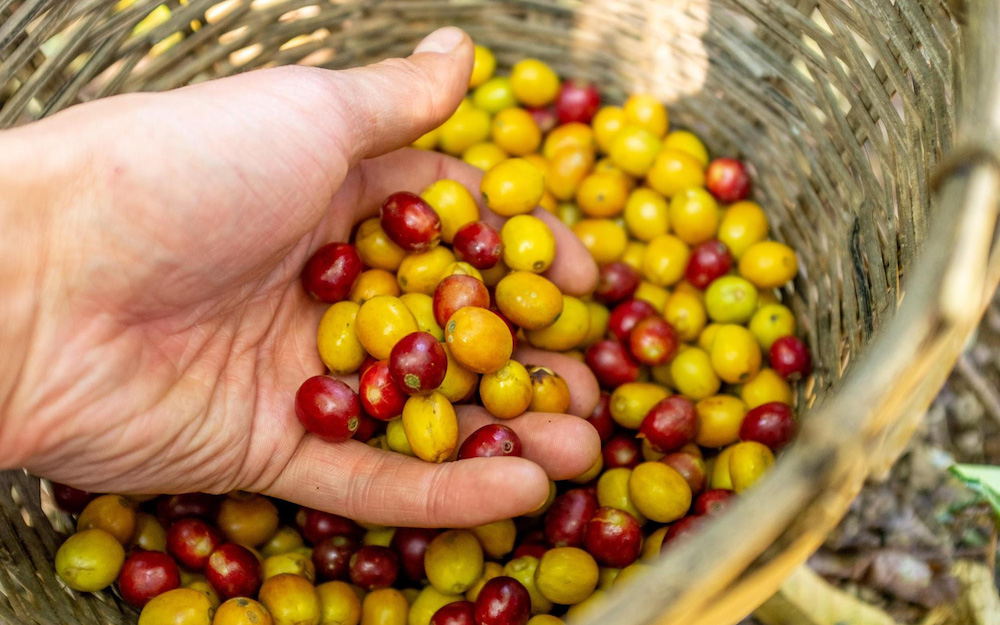
In terms of flavor, Caturra often exhibits bright fruity acidity, primarily led by lemon and citrus notes, with medium body. During cupping, sweetness often correlates highly with fertilizer management during cultivation. With sufficient fertilization frequency and nutrient supply, the sweetness becomes more pronounced. However, despite Caturra’s excellent yield potential, maintaining high output requires continuous management input, including regular pruning and precise fertilization. Moreover, its harvest cycle spans two years, resulting in higher overall management costs and susceptibility to pests and diseases such as leaf rust, berry disease, and nematodes—challenges that cannot be overlooked in actual cultivation.
Colombia is a globally renowned high-quality coffee-producing country and also one of the important growing regions for Caturra. The country cultivates not only Caturra but also classic varieties such as Bourbon, Typica, Pacamara, and Geisha, as well as locally distinctive disease-resistant varieties with Robusta lineage such as Castillo, Tabi, and Colombia. Caturra adapts to a fairly wide altitude range in Colombia, from around 700 meters up to 1700 meters, where generally the higher the altitude, the richer the flavor profile—but yield tends to decrease accordingly.
This article will take a washed medium-dark roasted Caturra from Colombia’s Huila region as an example to explore its processing methods, roasting strategy, and actual pour over performance. This bean is medium-dark roasted to highlight mellow aromas such as nuts, dark chocolate, and caramel, while retaining moderate acidity to achieve a balanced flavor and clean mouthfeel.
Due to its abundant water resources, washed processing is quite prevalent in Colombia. Many small family farms use equipment such as Ecomill or Eco-Pulper for primary processing. During operation, farmers feed freshly harvested coffee cherries into the machine, which effectively removes the outer skin and pulp while controlling water usage to significantly reduce mucilage residue. The depulped parchment beans are typically left to ferment in small tile tanks or containers for about 24 hours, allowing residual mucilage to break down naturally. They are then thoroughly rinsed with clean water and finally spread out in the sun to dry until the target moisture content is reached. This washed processing method ensures flavor consistency and allows the coffee to showcase a purer regional character.
For this Colombian Huila washed Caturra everyday coffee bean, the following pour over parameters are recommended for extraction: use a KONO filter, control water temperature at 90°C, set grind size to approximately 75% passing through a #20 standard sieve (roughly between medium-fine and medium), use a 1:15 powder-to-water ratio (i.e., 15 grams of coffee to 225 ml of water), and employ the classic three-pour method.
The specific steps are as follows: First, place the coffee grounds into the filter and pour about twice the amount of hot water (around 30 grams) for the bloom, lasting about 30 seconds to help the coffee grounds fully expand and release aroma. Then, pour water in a slow, circular motion from the inside out using a fine stream. When the total water volume reaches 125 grams, pause and allow the coffee bed to slightly settle. Continue pouring with the same fine stream until the total reaches 225 grams, with the overall extraction time controlled to around 2 minutes. These parameters are designed to balance sweetness and acidity while highlighting the coffee’s body and sweetness.
The brewed coffee delivers an immediate impression of prominent chocolate, nut, and caramel roast aromas, with a smooth and sweet mouthfeel, moderate body, and a clean, clear flavor profile. As the temperature drops, a gentle citrus acidity emerges, adding complexity and vibrancy. Whether for daily drinking or as an introductory choice to understand Caturra flavors, this Huila washed bean is a highly worthwhile option to try.
The above content is compiled by CoffeeHunters, a coffee news website.


