







Introduction:This article delves into the rise of small-bean coffee from China’s Yunnan region, exploring its development journey from terroir and variety evolution to specialty bean experiments, analyzing its unique flavor characteristics. In addition to introducing the development background of the Yunnan region, which has attracted attention both domestically and internationally, it also compares the flavors of three popular Yunnan coffee beans and provides practical pour over parameter recommendations, allowing you to brew a balanced coffee with notes of nuts, caramel, and plum at home.
In recent years, small-bean coffee from China’s Yunnan has gradually entered the international coffee stage, not only making a name for itself in various international competitions but also earning market acclaim for its consistent cupping performance. With the rise of the specialty coffee trend, Yunnan coffee has transformed from being primarily used in instant products to becoming a representative of specialty beans with distinct regional characteristics. This article will take you on a comprehensive journey to understand this coffee bean from the Yunnan-Guizhou Plateau, covering its regional development context, variety origins, specific coffee bean recommendations, and pour over suggestions.
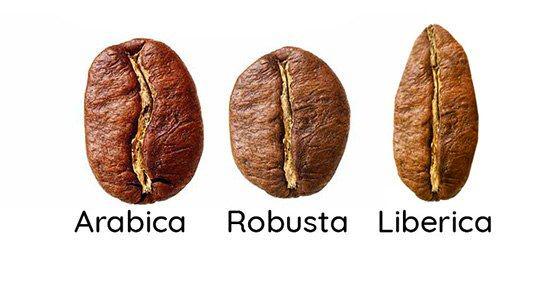
When it comes to "Yunnan small-bean coffee," many people first think of its relatively small fruit size. In fact, this name originates from early coffee classifications—compared to the medium-sized Robusta and the large-sized Liberica, Arabica varieties generally have smaller fruits, hence they were broadly referred to as "small-bean coffee" or "small fruit coffee." Nowadays, any Arabica variety grown within Yunnan can be included under the general term "Yunnan small-bean coffee."
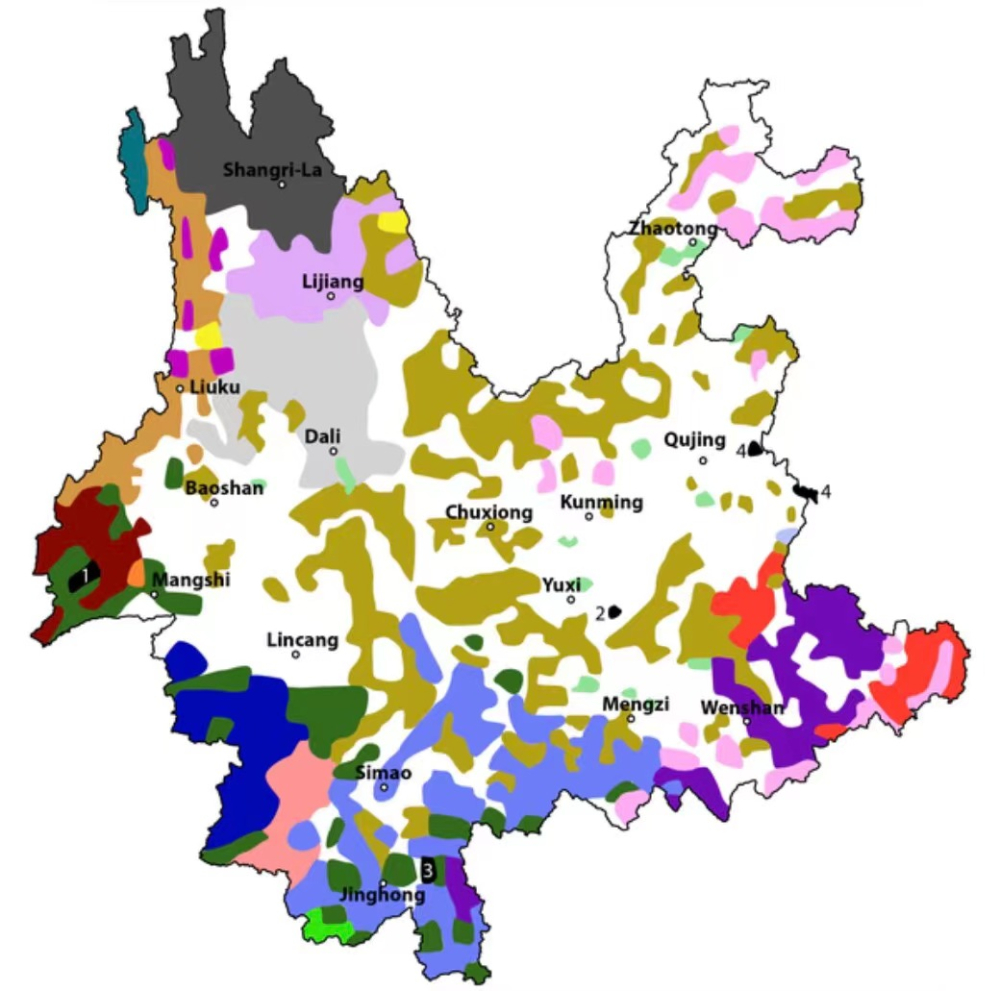
Among the many regions in Yunnan, areas such as Lincang, Baoshan, Simao, Xishuangbanna, Dehong, and Nujiang, located at high altitudes of about 1,000 to 1,500 meters, are most suitable for coffee cultivation. The high-altitude environment creates significant day-night temperature differences, slowing the growth rate of coffee trees and allowing them to accumulate richer sugars and aromatic compounds, thereby producing more layered flavor profiles. According to statistics, as early as 2014, Yunnan’s coffee planting area and total output already accounted for over 90% of the national total, establishing its status as China’s primary coffee-producing region.
The modern development of Yunnan’s coffee industry is inseparable from the introduction of multinational corporations. In 1988, the well-known food company Nestlé selected Yunnan as a planting base and introduced the Catimor variety, which is resistant to leaf rust. Although this variety has Robusta lineage, its adaptability to the local climate, stable yield, and disease resistance gradually made it the dominant cultivated variety in the region. However, due to its genetic makeup, Catimor is often considered to have a relatively monotonous flavor, even leading many consumers to associate Yunnan coffee with instant products.
To break this stereotype, some specialty coffee farms began experimenting with traditional processing methods to tap into the potential of the Yunnan region. One coffee brand, for instance, launched a planting experiment with Typica and a small amount of Bourbon in the Lincang region in 2013, aiming to showcase the unique terroir characteristics of the area through pure Arabica varieties. Typica is not only one of the oldest surviving coffee varieties but is also known for its clear flavors, soft acidity, and delicate aroma, and it is closely tied to the early history of coffee cultivation in Yunnan—records indicate that the first coffee trees in Yunnan were Typica varieties introduced by French missionaries.
Although the Catimor variety has long been undervalued due to its genetic background, with advancements in agronomic techniques and processing methods, the Catimor now grown in Yunnan can, under appropriate processing and selection procedures, exhibit flavor potential that is no less impressive than that of other regions. In fact, many consumers have gradually changed their impression of Yunnan coffee after tasting high-quality Catimor.
Currently, one coffee brand offers three popular Yunnan regional beans for selection. The first is the "2013 Natural Typica Coffee Bean," which uses traditional natural processing, featuring a clear flavor profile, balanced sweetness and acidity, and a pronounced aftertaste, with a recommended retail price of 40 RMB per 100 grams; the second is the "Selected Regional Everyday Bean – Yunnan Baoshan Washed Catimor Coffee Bean," a high-value option suitable for daily drinking; the third is the "Red Cherry Natural – Baoshan Lujianba Region Catimor Coffee Bean," which uses fully red cherry harvesting and natural processing to bring out intense berry notes while retaining the region’s characteristic nutty and caramel base. All three coffees are available for purchase on the brand’s online store.
These three beans collectively showcase the three core flavor characteristics of the Yunnan region: the richness of nuts, the sweetness of caramel, and the subtle acidity of plum-like notes. However, they each have their own unique details—the natural Typica demonstrates a cleaner balance of sweet and sour flavors with a crisp finish; the red cherry natural adds more fruity aromas and layers; while the Baoshan washed Catimor, with its balanced and approachable profile, serves as an ideal choice for beginners.
If you want to brew the essence of Yunnan coffee at home, it is recommended to aim for a "balanced flavor," avoiding over-extraction that leads to sharp acidity or excessive brewing time that results in a murky aftertaste. It is recommended to use 15 grams of coffee grounds with a 1:15 coffee-to-water ratio (adjust to 1:16 if you prefer a cleaner taste). Use a V60 filter, with water temperature controlled at 88°C to help soften acidity and enhance sweetness. The grind size is suggested to be medium-fine, similar to fine sugar granules, with about 75% passing through a #20 sieve.
The specific pour over steps are as follows: First, pour 30 grams of hot water for a 30-second bloom to activate the aroma release of the coffee grounds; then continue pouring with a small stream in a circular motion until reaching 125 grams, and once the water level drops by about half, add more water up to a total of 225 grams. The overall extraction time should be controlled to around 2 minutes and 10 seconds to achieve a cup of Yunnan-flavored pour over coffee with balanced flavors and distinct layers.
The above content is compiled by CoffeeHunters, a coffee news website.


