







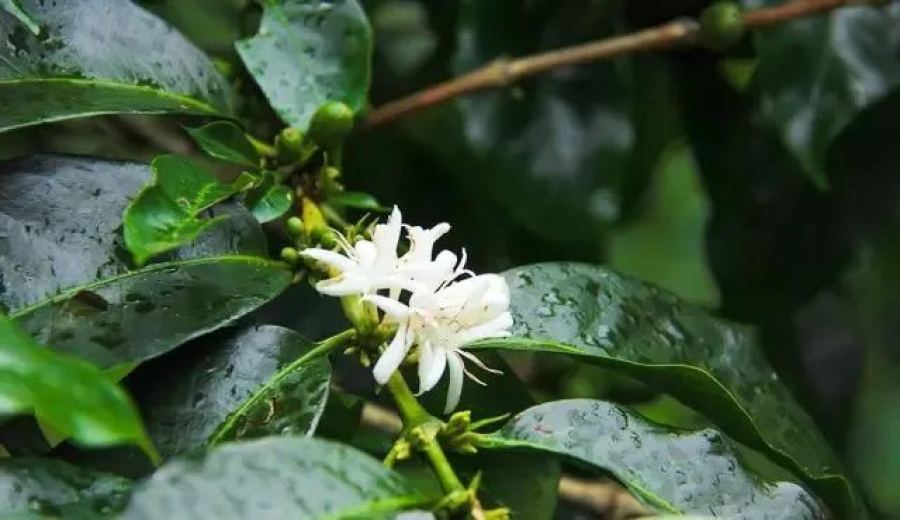
Introduction:Geisha coffee is hailed as the top variety in the specialty coffee world, renowned for both its prestige and remarkable flavor profile. From the forests of Ethiopia to Panama’s Hacienda Esmeralda, this variety’s journey is nothing short of legendary. This article delves into the origins and evolution of Geisha, offers a detailed comparison of flavor characteristics between the two major producing regions—Panama and Ethiopia—and introduces the grading systems of leading estates along with practical brewing parameters, helping you fully master this uniquely flavored coffee bean.
Geisha (Geisha), a coffee variety whose name sounds similar to the Japanese word for “geisha,” has long been enshrined in the upper echelons of global specialty coffee. Many people associate Geisha with Panama’s Hacienda Esmeralda, but its roots can actually be traced back to faraway Ethiopia. Discovered in 1931 in the Geisha forest, this variety traveled through Kenya, Uganda, and Costa Rica before finally shining in Panama, becoming the dream coffee bean for enthusiasts around the world.
The Historical Journey of Geisha
Originally a wild coffee variety found in Ethiopia’s Geisha forest, Geisha was largely overlooked in its place of origin due to its tall plant stature and difficulty in management—it was often used as a windbreak. It wasn’t until 1931, when it was discovered, that it began to be introduced to countries such as Kenya, Uganda, and Tanzania. It arrived in Costa Rica in 1953, and Panama only received seeds from the CATIE research center in Costa Rica in the 1970s, where it was first planted by Mr. Francisco Serracin of the Jaramillo farm.
What truly brought Geisha to prominence was when Panama’s Hacienda Esmeralda isolated it from other varieties and cultivated it separately in 2003. The following year, it won the Best of Panama (BOP) competition with astonishing flavor performance, instantly achieving fame.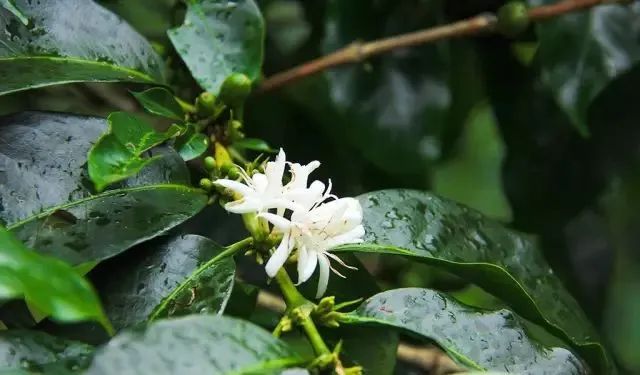
Hacienda Esmeralda’s Geisha Grading and Flavor
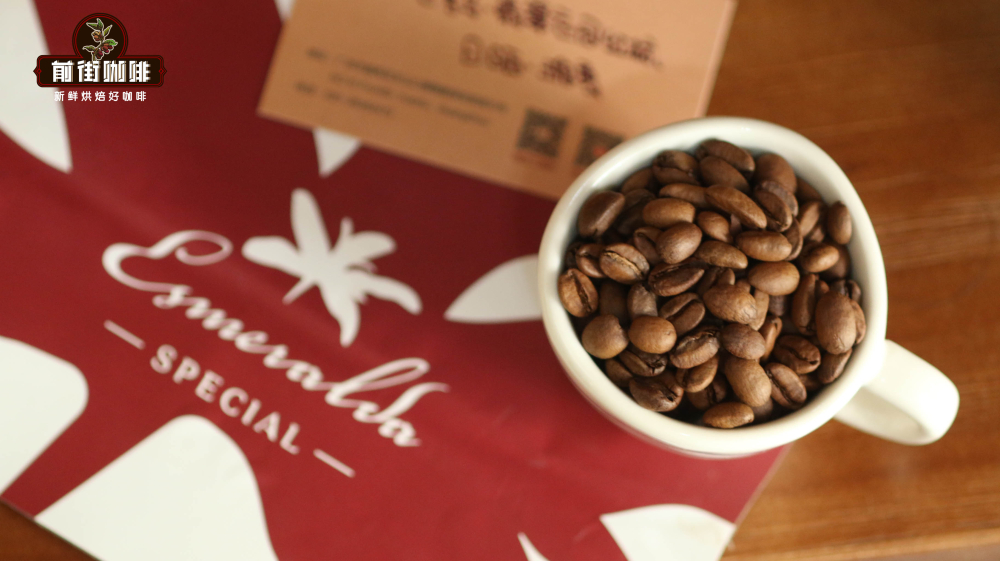
Hacienda Esmeralda categorizes Geisha into different grades based on altitude and cupping scores. The most representativeRed Label (Esmeralda Special), grown at altitudes of 1600–1800 meters with cupping scores often exceeding 90, mainly comes from the Jaramillo and Cañas Verdes regions. It is processed either via washed or natural methods,with the non-auction-grade natural Red Label being the most commonly seen in the market.The Red Label features a bright flavor profile led by rose and citrus notes, complemented by complex fruit aromas such as berries and apricots, along with honey, showcasing distinct layers and prominent sweetness.
The Green Label (Private Collection)does not participate in auctions. Also grown at 1600–1800 meters, it is a blend of lots from multiple high-quality plots, and its flavor performance is equally outstanding, often showcasing jasmine floral notes, citrus, berries, and a creamy texture, with a long aftertaste. As for the formerBlue Label, it has now been discontinued, but there are still volcanic lot offerings on the market with similar flavor profiles—gentle acidity highlighted by lemon and grapefruit notes, transitioning into honey and oolong tea tones as the cup cools.
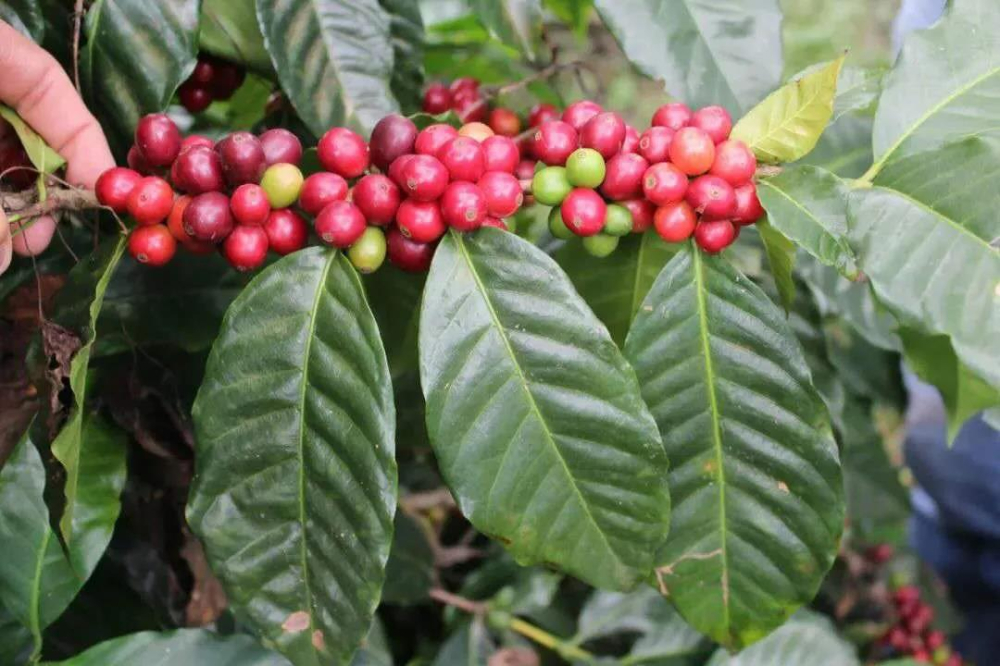
Flavor Differences of Geisha Across Producing Regions
Beyond Panama, Ethiopia is also a key origin of Geisha. Starting in 2008, Geisha Village Estate delved deep into exploration and eventually discovered the most suitable growing areas for Geisha within pristine forest environments at elevations of 1900–2100 meters. The estate is equipped with well-established washed processing facilities and implements a strictfive-tier grading system: Auction, Gold Label, Red Label, Green Label, and Chaka lots.Among them, the Red Label offers great value, with slightly less intense flavors compared to the Gold Label, but still showcasing the distinctive yellow peach and stone fruit characteristics of Geisha, with noticeable sweetness—some batches even present notes of toffee.
Compared to the delicate floral, tea-like, and nutty tones of Hacienda Esmeralda in Panama, Geisha Village leans more toward a rich yellow fruit base, with high sweetness and clear layering. Additionally, small amounts of Geisha are also grown in Colombia and Costa Rica. For example, the Geisha planted by the Herrera family at Colombia’s Finca La Esperanza has won the top prize at the U.S. Cup of Excellence (COTY), featuring a unique combination of red pepper, chamomile, and citrus-honey notes; while Geisha from Costa Rica’s Tarrazú region exhibits sweet traits like jasmine flower and strawberry taffy.
Practical Brewing Parameters and Techniques
To fully experience the nuanced flavors of Geisha, it is recommended to use freshly roasted coffee beans—ideally within 5 days of roasting. Allow 4–7 days of rest before brewing to let the flavors fully develop. It is recommended to usea Hario V60 dripper, with water temperature controlled at90°C, a coffee dose of about15 grams, a brew ratio of1:15, and a medium-fine grind (approximately 80% through a standard Chinese No. 20 sieve). Use a three-stage pouring method: start with a 30-second bloom using 30 grams of water, then pour in a slow stream up to 125 grams for the first pour, followed by pouring up to 225 grams to finish, with a total brew time of about2 minutes. After brewing, it is recommended to gently swirl the cup for even distribution before drinking, to achieve the best flavor balance.
Additionally, note that Geisha beans are best suited for light roasting, which better highlights their natural floral and fruity characteristics. Over-roasting can easily diminish their delicate aromas and acidity. Also, if choosing to grind and brew, it is advisable to grind just before brewing to avoid rapid oxidation of the coffee grounds after exposure to air, which could negatively affect flavor.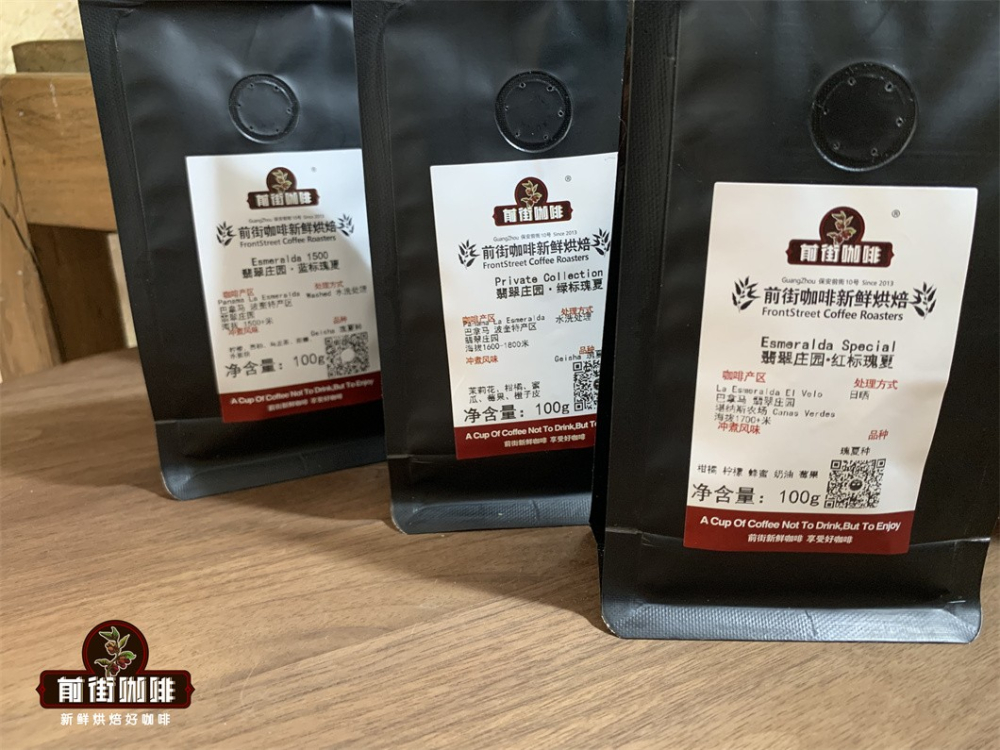
The above content is compiled by CoffeeHunters, a coffee news website.


