







Introduction:As a globally renowned coffee-producing country, Indonesia is famed for its Sumatra Mandheling and Java coffees. This article delves into the evolution of Indonesian coffee from its introduction in 1696 to the present day, analyzing how the region’s volcanic soil and tropical rainforest climate shape the characteristics of its beans. It also explains the differences between the wet-hulled (giling basah) and aged processing methods. Focusing on two major producing regions—Lintong Mandheling in Sumatra and Malabar in West Java—it provides practical pour-over parameters and flavor profiles to help coffee enthusiasts better understand the unique traits of these classic beans.
Indonesian coffee holds a significant position in the global market, especially Sumatra’s Mandheling and Java coffee, which are considered classics by many coffee lovers. This article will take you through Indonesia’s three main coffee-growing regions, offering an in-depth look at their historical background, natural conditions, processing methods, as well as the unique flavors and pour-over recommendations of two representative beans—Lintong Mandheling and West Java Malabar.
The history of coffee cultivation in Indonesia dates back to 1696, when the Dutch introduced coffee seeds and successfully planted them on Java Island, later promoting it on a large scale. However, the devastating leaf rust disease of 1877 nearly destroyed the local Arabica coffee trees, prompting Indonesia to shift to the more disease-resistant Robusta variety. To this day, Robusta accounts for over 90% of Indonesia’s total coffee production, while Mandheling is one of the few Arabica varieties that has survived, primarily grown in northern Sumatra.
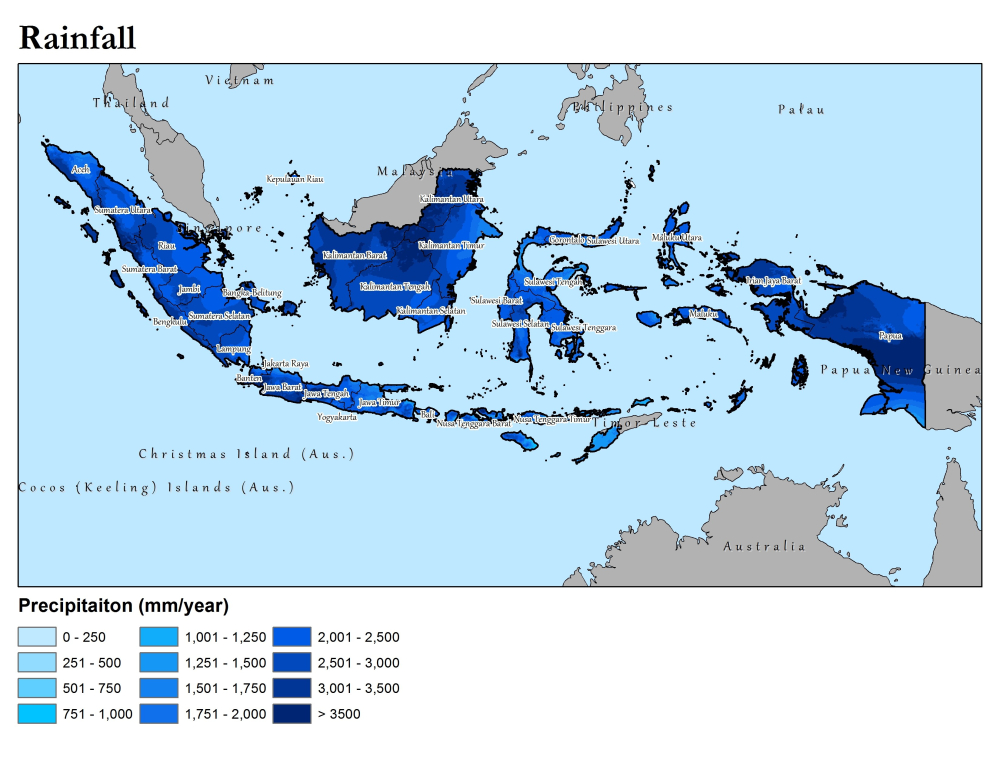
Indonesia has a typical tropical rainforest climate, with stable annual temperatures ranging between 25 and 27 degrees Celsius and no distinct seasons. Annual rainfall averages around 1,600 to 2,200 millimeters. The country is home to numerous volcanoes, and its soil is rich in minerals. Coffee is typically grown at elevations between 900 and 2,100 meters, with the 1,200-meter range being particularly ideal. Indonesia experiences two main harvest seasons each year: the primary season runs from September to October, and the secondary season from May to June.
Indonesia grows a diverse range of coffee varieties, broadly categorized into Arabica, Robusta, and Liberica, with over 20 sub-varieties commonly found, such as Catucaí, Catimor, Timor Hybrid, and Typica. Among these, Arabica varieties, though less cultivated, dominate the specialty coffee market due to their superior flavor, particularly Sumatra’s Mandheling and high-elevation coffees from Java.
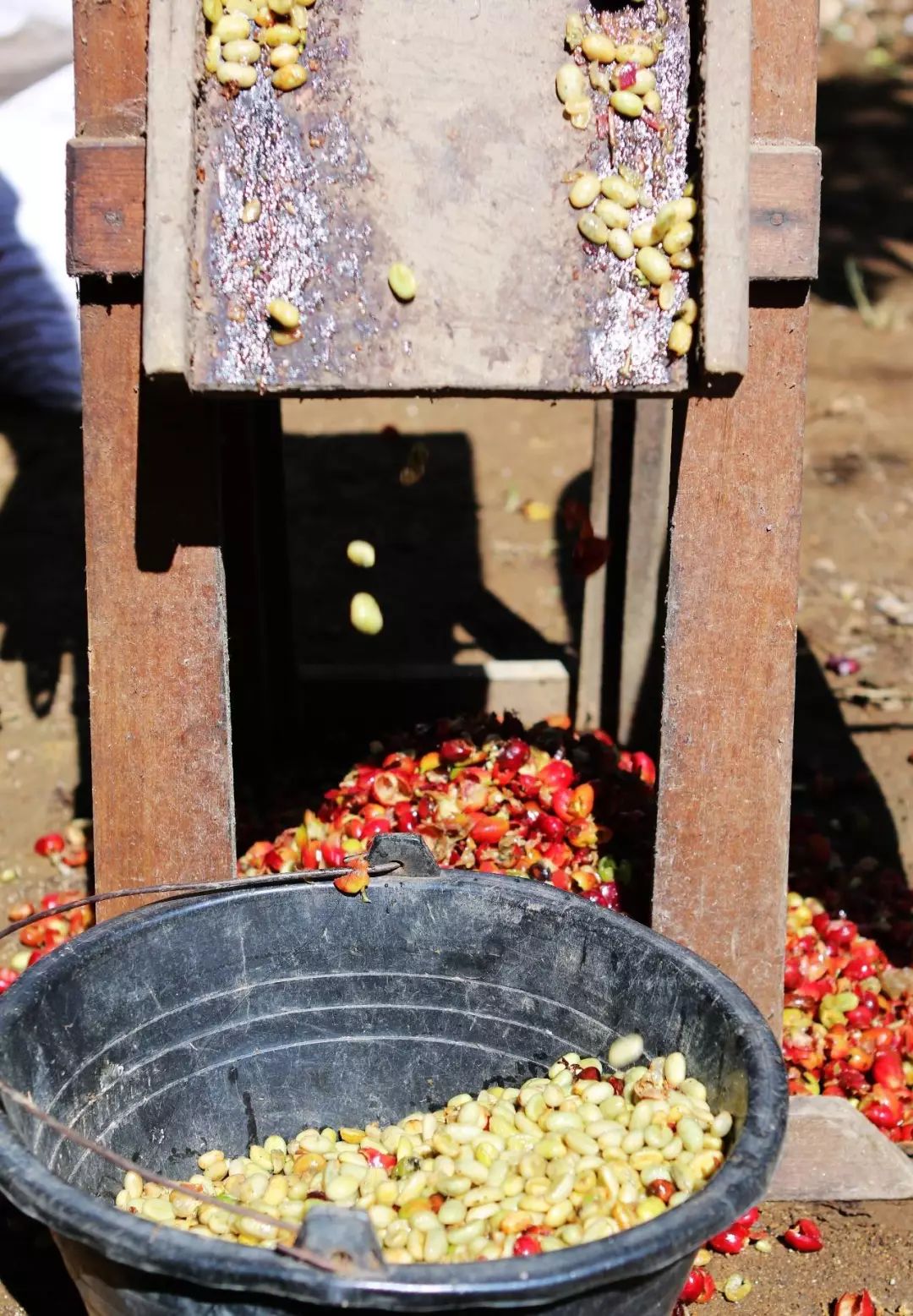
Indonesia’s most distinctive coffee processing methods include natural (sun-dried), washed, and wet-hulled (giling basah), with the latter being uniquely characteristic. Due to the region’s humid and rainy climate, this efficient method was developed to accelerate the drying process. The standard wet-hulled process involves two stages: first, a wooden pulper removes the skin and pulp, followed by a 3-hour fermentation and sun-drying until the moisture content drops to 30–50% (semi-dry state). Next, the mucilage and parchment layers are removed, and the beans are further dried for 2 to 4 days until the moisture level reaches 12–13%.
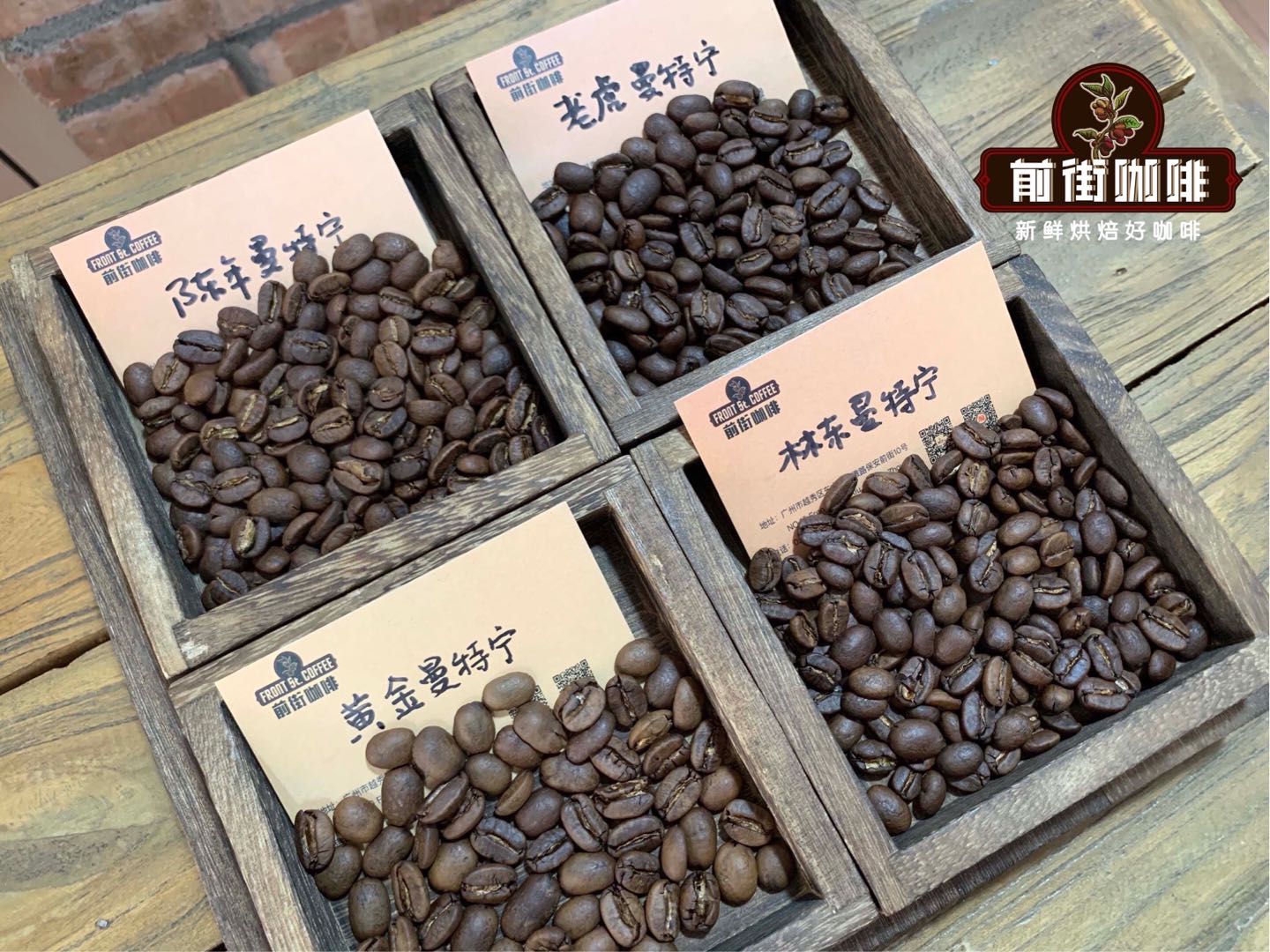
Additionally, there is the aged wet-hulled method, where processed beans are sealed and stored for 2 to 3 years, allowing acidity to gradually transform into sweetness, resulting in a richer and deeper flavor. This type of Mandheling is known as aged Mandheling. This process imparts complex layers to the coffee, though not all drinkers may appreciate its intense character.
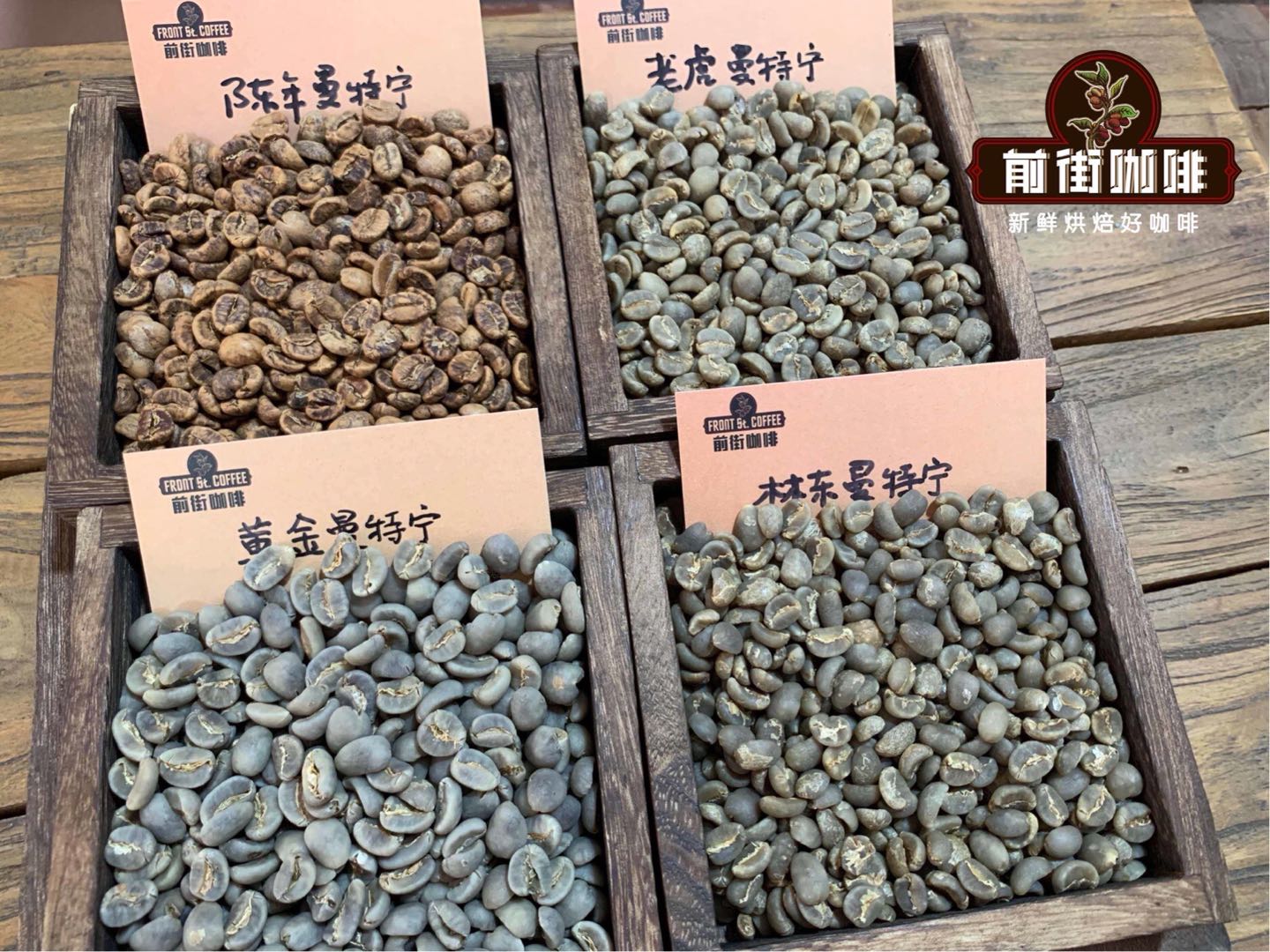
When it comes to Indonesian coffee, the first thing that comes to mind is Sumatra Mandheling. The main producing areas are clustered around Lake Toba in northern Sumatra, with Lintong Mandheling being the most iconic classic flavor, known for its intense herbal and spicy notes. Golden Mandheling is a premium-grade bean, with uniformly large beans (over 18 mesh), carefully hand-sorted multiple times, resulting in a cleaner and more full-bodied taste. Aged Mandheling, having undergone long-term maturation, offers even bolder and deeper flavors, making it a rewarding challenge for advanced coffee enthusiasts.
Take Lintong Mandheling as an example: grown at elevations of 1,100 to 1,600 meters, its primary varieties are Typica and Catucaí, processed using the wet-hulled method. Its flavor profile includes roasted toast, nuts, caramel, pine, and herbs, delivering a bold and layered cup. For pour-over, we recommend using a Kono filter, with a water temperature of 88°C, 15 grams of coffee, a 1:15 coffee-to-water ratio, and a grind size of approximately BG#6W (70–75% passing through a #20 sieve). The Kono filter is chosen for its ribbed design, which reduces airflow and extends the contact time between water and coffee grounds, enhancing the body and richness.
For pour-over, we suggest a step extraction method: start with a 30-second bloom using 30 grams of water, then pour in small streams until reaching 125 grams for the first pour. When the water level begins to drop, exposing the coffee bed, pour again to reach 225 grams to finish. The total extraction time is around 2 minutes. This method effectively highlights the aroma and rich texture of Mandheling.
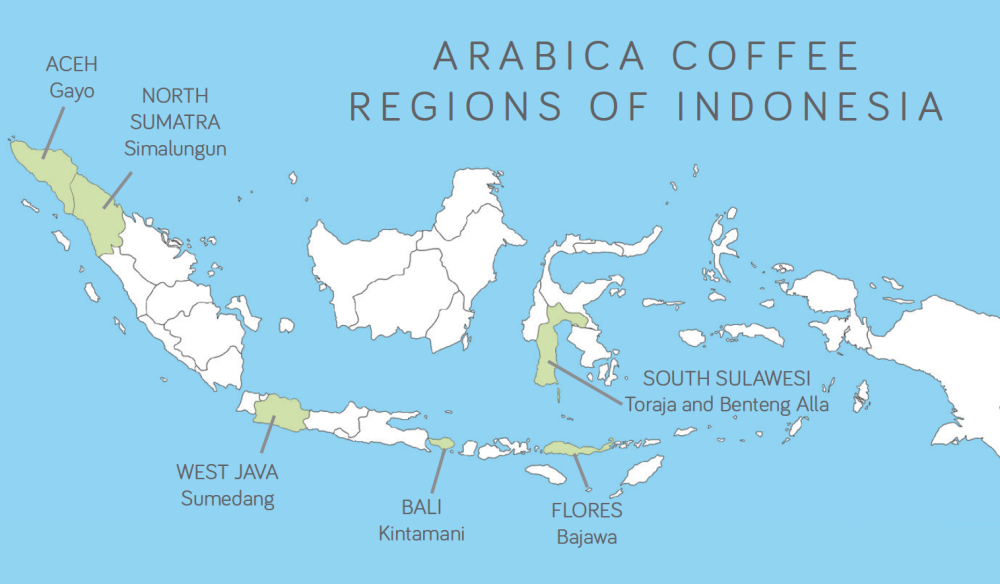
Java coffee, on the other hand, exhibits a distinctly different flavor profile, characterized by refined aromatics, low acidity, and a delicate yet balanced mouthfeel. Java Island has a tropical rainforest climate, hot and humid year-round, with higher temperatures in the northern plains and relatively cooler mountainous areas. Its volcanic soil is fertile, providing ideal conditions for coffee growth. Among its regions, West Java is the island’s primary producer of specialty coffee, mostly from state-owned and private estates, grown at elevations generally above 1,400 meters. Combined with volcanic soil, this yields unique berry and nut tonalities.
Take West Java Malabar as an example: grown at elevations of 1,400 to 1,800 meters, it is processed using the natural (sun-dried) method, with varieties including TIM TIM and Bourbon, graded as G1. Its flavor characteristics include berries, plums, citrus, cream, hazelnuts, cane sugar, chocolate, and oolong tea, achieving a balanced acidity and sweetness with distinct layers. We recommend using a V60 filter for pour-over, with a water temperature of 90°C, 15 grams of coffee, a 1:15 coffee-to-water ratio, and a grind size of BG#6S (70–75% passing through a #20 sieve).
Pour-over extraction follows a similar step method: begin with a 30-second bloom using 30 grams of water, then pour in small streams until reaching 125 grams for the first pour. When the water level is about to expose the coffee bed, pour again to reach 225 grams, maintaining a total extraction time of 2 minutes. These parameters effectively emphasize the fruity sweetness of Malabar, making it ideal for those who prefer a clean and delicate flavor profile.
In summary, Indonesian coffee holds a unique place in the global specialty coffee market, thanks to its diverse producing regions, distinctive processing methods, and vivid flavor profiles. Whether you prefer the bold and full-bodied Mandheling or the bright and refined Java coffee, you can find classic beans in Indonesia that suit your personal taste. By understanding the characteristics of each region and the recommended brewing parameters, you can delve deeper into the stories and terroir behind these coffees.
The above content is compiled by CoffeeHunters, a coffee news website.


