







Introduction:Drip bags are a convenient option that sits between instant coffee and professional pour over. They not only preserve the original flavors of coffee but also cater to the tasting needs of a busy lifestyle. This article delves into how to choose high-quality drip bags, including checking the roast date, understanding key information such as origin and processing method, and analyzing the advantages of drip bags compared to instant coffee. Additionally, it provides a complete guide to home pour over steps and parameter recommendations to help you easily master extraction techniques and enjoy an aromatic pour over coffee.
Drip bags combine convenience with the essential flavors of coffee, making them a popular daily choice for many coffee enthusiasts. However, with the wide variety of products on the market, how do you choose a fresh and flavorful drip bag? And how can you brew it to fully release the aroma and layers of the coffee? This article will guide you through the key points of selecting drip bags, analyzing the importance of roast date and packaging information, comparing the differences between drip bags and instant coffee, and recommending several representative regional flavor profiles to help you find your own coffee preference. Then, we’ll break down the pour over process step by step — from coffee-to-water ratio and water temperature control to blooming and pouring techniques — so you can brew a professional-grade drip bag coffee at home.
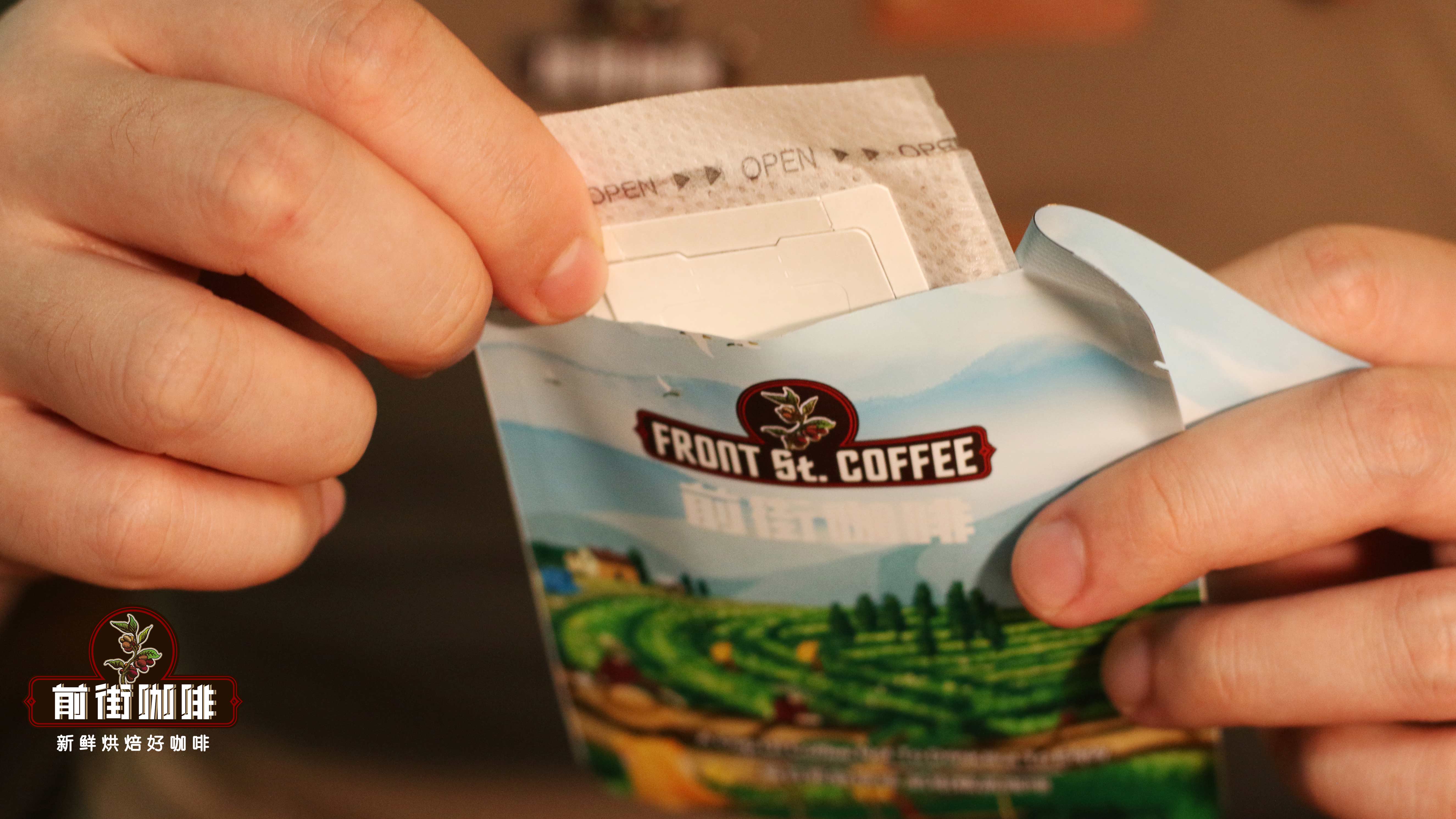
When choosing a drip bag, the first thing to pay attention to isroast date. Since coffee grounds gradually lose their aroma over time after roasting, it is recommended to choose products with a roast date within two weeks to one month. If it exceeds two months, the flavor may have noticeably declined. In addition, check whether the packaging clearly displays important information, includingcoffee bean variety,origin,roast level, andgrind size. These details can help you understand the basic flavor profile of the drip bag and assist in choosing one that suits your taste.
Compared to instant coffee, the advantages of drip bags are very clear. First, they contain no artificial flavorings, creamers, or sugar, giving you a pure coffee experience. Second, drip bags offer a wider range of choices — from different origins, processing methods to roast styles — allowing you to explore various profiles, such as the common fruity and floral notes of African beans, the nutty and chocolatey tones of Central and South American beans, or the rich, spicy character of Southeast Asian beans. Moreover, drip bags require no complex equipment, just hot water and a cup, making them ideal for travel, office, or home use — quick, easy, and portable.
Here are some common regional flavor characteristics: Ethiopian beans often feature bright citrus, blueberry, or floral notes, making them ideal for those who enjoy pronounced acidity; Brazilian beans typically showcase nutty, caramel, and smooth sweetness, suiting those who prefer balanced flavors; Indonesian Mandheling beans often have strong herbal, earthy, and spicy notes, delivering a heavier profile; Panamanian coffees are known for their balanced acidity and sweetness, with citrus and caramel finishes, making them great for those new to single-origin coffee.
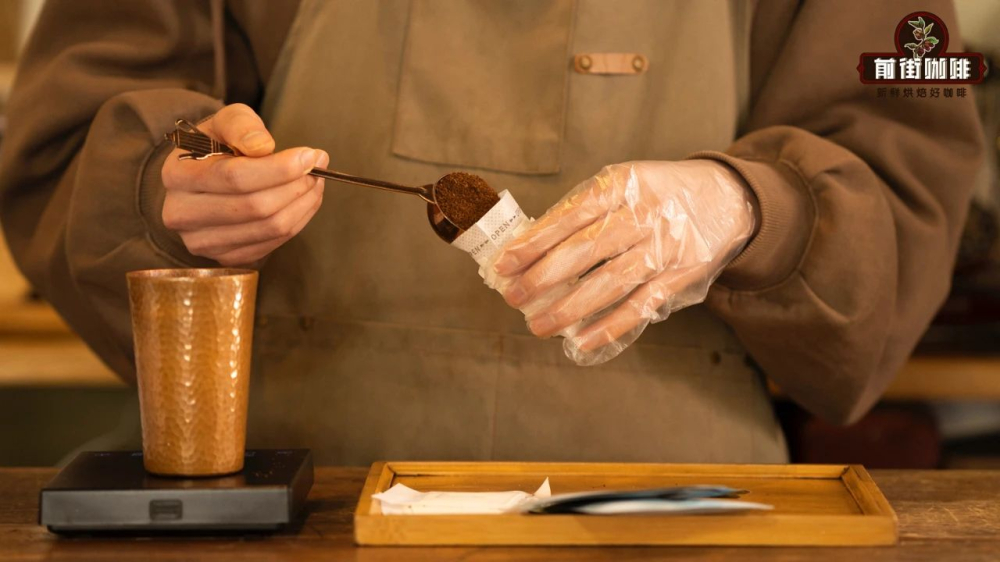
In terms of actual brewing, each drip bag usually contains10 gramsof pre-ground coffee, saving you the trouble of grinding beans yourself. It is recommended to use acoffee-to-water ratio of 1:15 to 1:16— that is, about 140 to 150 milliliters of water for every 10 grams of coffee — to achieve a balanced intensity and flavor expression. For water temperature, aim for around90°C. A thermometer or adjustable temperature-controlled kettle is ideal; if unavailable, simply let boiled water sit off the heat with the lid slightly open for 2–3 minutes to naturally cool to the desired range (especially helpful in environments around 28°C).
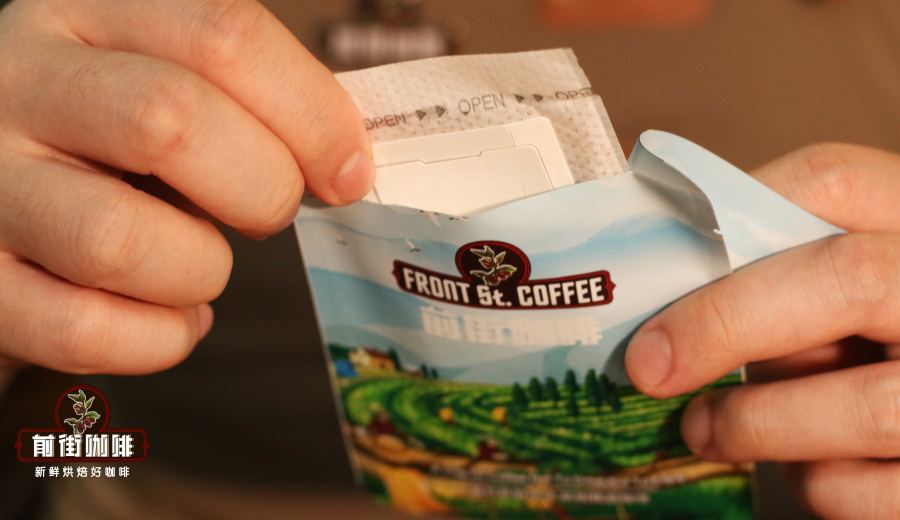
Once preparation is complete, preheat your cup, then take out the drip bag, tear open the seal, unfold the two “ears,” and securely hang them on the rim of the cup. Gently shake to distribute the coffee grounds evenly. The first step isblooming: pour a small amount of hot water (about 20–30 milliliters) to wet all the coffee grounds, then let it sit for about30 seconds. This allows aromatic compounds in the coffee to activate, laying the foundation for optimal extraction.
After blooming, begin the main extraction phase. It’s recommended to pour with asmall streamin a circular motion, allowing the water to evenly penetrate the coffee bed. Once the water level drops slightly, continue pouring in circles until the total water volume reaches 140–150 milliliters. For more precise control, you may also pre-measure 150–160 milliliters of water and slowly pour it all at once until the coffee has completely dripped through — then remove the drip bag and enjoy.
Since drip bag coffee uses pre-ground beans, its aroma dissipates faster compared to whole beans. Therefore, it is best to drink it shortly after brewing to enjoy the optimal flavor. Mastering these steps and parameters means even beginners can easily brew a cup of drip bag pour over coffee with vibrant and layered flavors at home.
The above content is compiled by CoffeeHunters, a coffee news website.


