







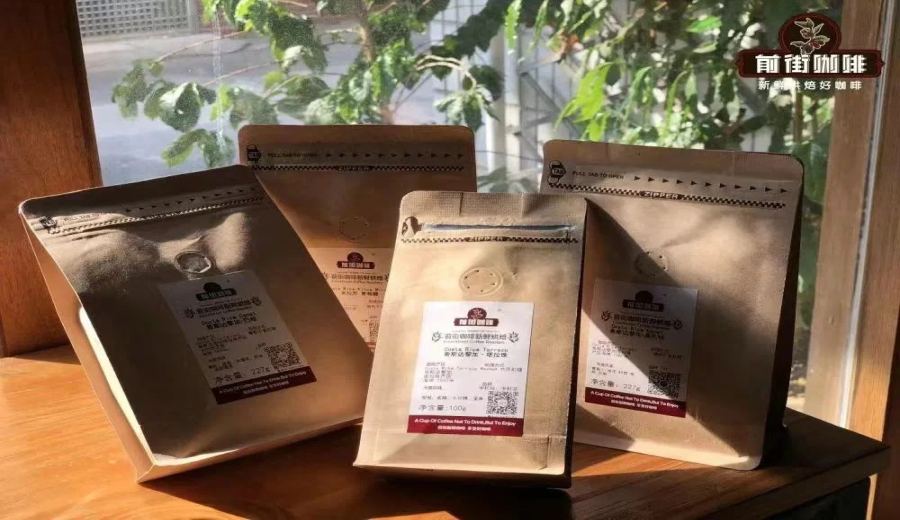
Introduction:When first exploring specialty coffee, it's easy to feel overwhelmed by the wide variety of coffee bean options. In reality, once you understand the fundamental differences between single-origin beans and espresso blends—and choose based on your personal taste preferences—you can quickly find coffee beans that suit your palate. This article will delve into the distinctions between these two major categories, introduce three popular espresso blends suitable for home use and pour over, as well as single-origin pour over options representing fruity acidity, rich bitterness, and balanced profiles. It also includes details on origin, altitude, processing method, and flavor profile to help you shop with ease.
For those new to specialty coffee, the rows of packages on coffee shelves, each labeled with technical terms, can be quite intimidating. Which one should you choose? Actually, just clarify the usage scenario—whether you’re using a home espresso machine or enjoying the flavors of a single origin through pour over—and then filter based on taste preference, and you’ll narrow down your options to find the one that’s truly yours.
Currently, mainstream coffee beans are generally divided into two main directions: espresso blends suited for espresso extraction, and single-origin pour over beans that emphasize regional character. The two differ significantly in purpose, roast level, processing method, and flavor expression. Understanding these basic concepts is the first step to choosing the right beans.
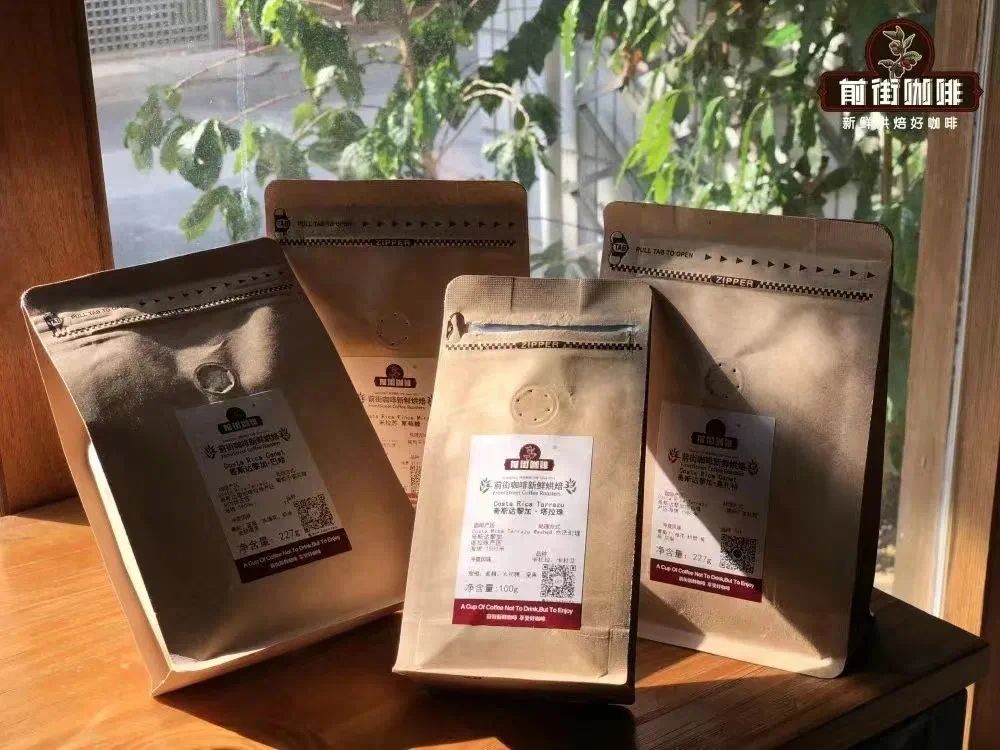
If you're new to espresso and want a balance of cost-performance and stability, blends are recommended as a priority. Blends are made by combining two or more coffee beans from different origins, and even using different processing methods, in specific proportions. The benefit of this approach is that it integrates the strengths of various bean types—for example, enhancing crema performance, strengthening body and complexity, and ensuring stable flavor across different batches—to achieve an extraction effect where the whole is greater than the sum of its parts.
For home users, here are three highly popular espresso blends recommended from the angles of richness, affordability, and authenticity to café flavor:
1. Rich & Bold Route: A classic espresso blend combining Mandheling with Brazil beans, plus a small amount of Robusta, yielding rich crema, ideal for making lattes with latte art, bringing a nostalgic yet solid mouthfeel.
2. Café-Style Route: A commercial blend combining Brazil, Colombia, and Vietnamese beans, with medium-dark roasting delivering intense aroma, smooth whether for Americano or latte, and is a highly cost-effective everyday choice for home use.
3. High Cost-Performance Route: Designed for users on a budget who still seek a smooth taste, this blend offers gentle fruit acidity and caramel sweetness, with a balanced profile of nuts and dark chocolate, suitable for those wanting to control costs without sacrificing flavor.
As for pour over coffee, it represents the drip-filtered extraction method, focusing on showcasing the unique personality and layered complexity of single-origin coffee beans. You can choose among three main types based on your flavor preference: bright fruity acidity, rich bitter-sweetness, or overall balance.
[Fruity Acidity-Type Single-Origin Pour Over Recommendations]
1. Kenya Little Tomato (Origin: Asali, Altitude: 1550–1750m, Variety: SL28, SL34, Processing: 72-hour washed) — Delivers refreshing fruity notes such as Asian pear, black plum, brown sugar, and cherry tomato.
2. Ethiopia Guddina Cooperative (Origin: Yirgacheffe, Altitude: 1900–2300m, Variety: Heirloom, Processing: Washed) — Showcases bright acidity with white floral, lemon, honey, and berry notes.
3. Colombia Geisha (Origin: Huila, Altitude: 1700m, Variety: Geisha, Processing: Double Anaerobic Natural) — Intensely fruity, with juice-like flavors of passion fruit, grape, and apricot.

[Rich Bitterness-Type Single-Origin Pour Over Recommendations]
1. Indonesia PWN Golden Mandheling (Origin: Sumatra, Altitude: 1100–1600m, Variety: Typica, Catimor, Processing: Wet-Hulled) — Presents roasted toast, nut, and cocoa-rich tones.
2. Brazil Queen Estate (Origin: São Paulo State, Altitude: 1400–1950m, Variety: Yellow Bourbon, Processing: Semi-Washed / Natural) — Offers rich sweetness with notes of nut, cream, and fermented fruit.
[Balanced-Type Single-Origin Pour Over Recommendations]
1. China Yunnan Small Bean Typica (Origin: Baoshan, Altitude: 1450–1550m, Variety: Catimor, Processing: Fully Red Fruit Sun-Dried) — Balanced acidity and sweetness, with aromas of dark chocolate and roasted nuts.
2. Papua New Guinea Bird of Paradise (Origin: Bird of Paradise Estate, Altitude: 1500m, Variety: Typica, Processing: Washed) — Bright acidity with citrus, sugarcane sweetness, and white tea aftertaste.
The above recommended specialty coffee beans can be purchased at the stores or official channels of professional roasting brands. The beans from this brand are shipped within five days of roasting to ensure freshness and consistent quality, suitable for beginners, advanced enthusiasts, and even café owners. When selecting, it is recommended to pay attention to origin altitude, processing method, and roast level, as these parameters directly affect the final flavor profile. Additionally, when pour over brewing, it is advised to adjust grind size and water temperature according to the bean type to fully bring out each bean’s potential.
The above content is compiled by CoffeeHunters, a coffee news website.


