







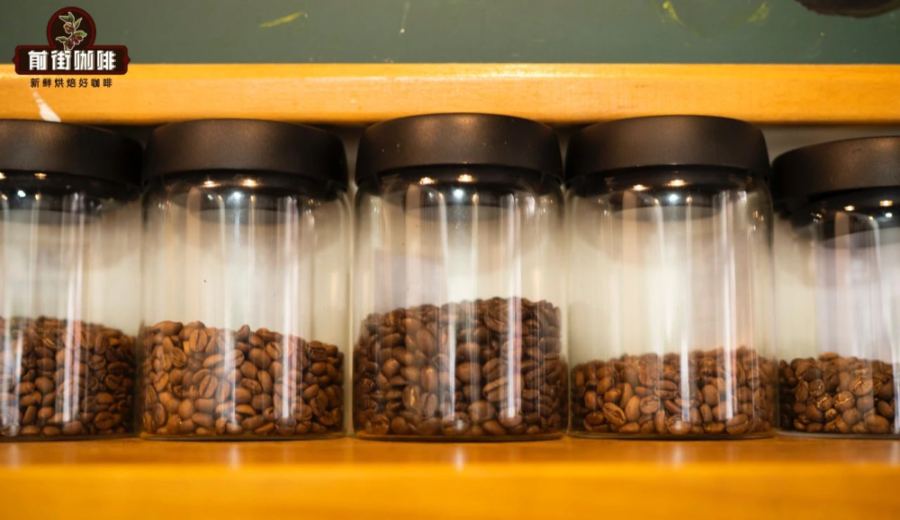
Introduction:Espresso blends and pour over single-origin coffee beans differ greatly in flavor, roasting methods, and usage. This article delves into the definitional differences between the two, their roasting strategies, and guides you through the design logic of blends — including bean selection principles, ratio configurations, and the importance of repeated cupping. It also features four classic espresso blend recipes, detailing their bean compositions, flavor profiles, and suitable scenarios to help you find the beans that best match your taste and brewing method.
Coffee beans on the market can generally be divided into two main categories: single-origin and blends. Single-origin coffee emphasizes beans from a specific region or farm, showcasing the unique terroir flavors of that area. In contrast, blended coffee combines beans from different regions or even countries, blended according to specific goals to achieve balanced and stable flavor profiles. Understanding this fundamental difference is the first step in choosing the right coffee.
Single-origin coffee beans refer to beans sourced from a single origin, typically produced by a specific farm or cooperative. Due to their single source, these beans offer high traceability and clearly reflect the distinctive flavor characteristics of their growing region — for example, the citrusy floral notes of Ethiopian beans or the nutty chocolate tones of Colombian beans. For this reason, single-origin coffee is often regarded as the representative of specialty coffee.
In contrast, blended coffee (formula beans) combines beans from different origins in specific proportions, aiming to create a more balanced and stable flavor profile. This practice has a long history and is especially common in espresso applications. In the past, to overcome the potential extremes in flavor from a single origin, roasters used blending to balance strengths and weaknesses, resulting in a smooth-tasting, consistent, and cost-effective coffee.
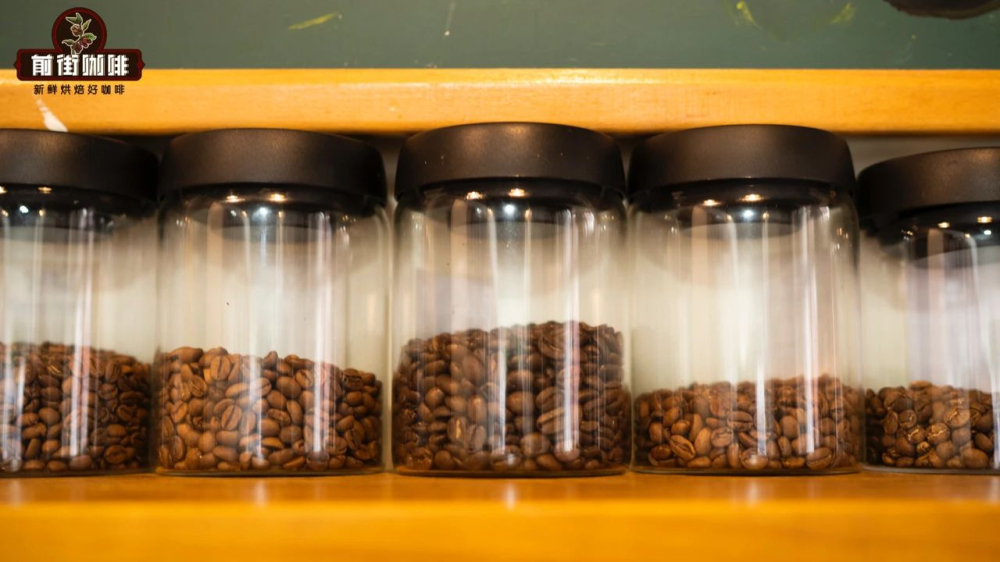
Pour over single-origin beans and blends also differ in their roasting methods. Pour over coffee aims to highlight regional characteristics, so the roast level is adjusted based on the bean variety and origin. For instance, Ethiopian beans are often medium-light roasted to preserve bright acidity and fruity-floral aromas, while Indonesian Mandheling is commonly medium-dark roasted to enhance a rich body and caramel or chocolate tones. Blends, on the other hand, require an overall roast curve adjustment based on intended use to meet the performance needs of various drinks such as espresso and lattes.
If you want to try designing your own blends, it’s recommended to clarify several key elements first. The first is your target flavor profile — for example, do you want a bright, sweet-and-sour pour over flavor, or a rich, bold espresso? Second, you need to understand the characteristics of each bean involved in the blend, including its origin, processing method, roast suitability, and flavor tendencies. These all require experience built through actual cupping.
When blending, the selection of beans should aim for diversity, avoiding varieties with overly similar flavors. Common base beans for blends include Brazil, Colombia, and Yemen Mocha, which all have stable performance across their respective origins. When selecting, you can evaluate from three aspects: green bean processing method (washed or natural), regional characteristics, and primary flavor profiles (such as acidity, sweetness, or body).
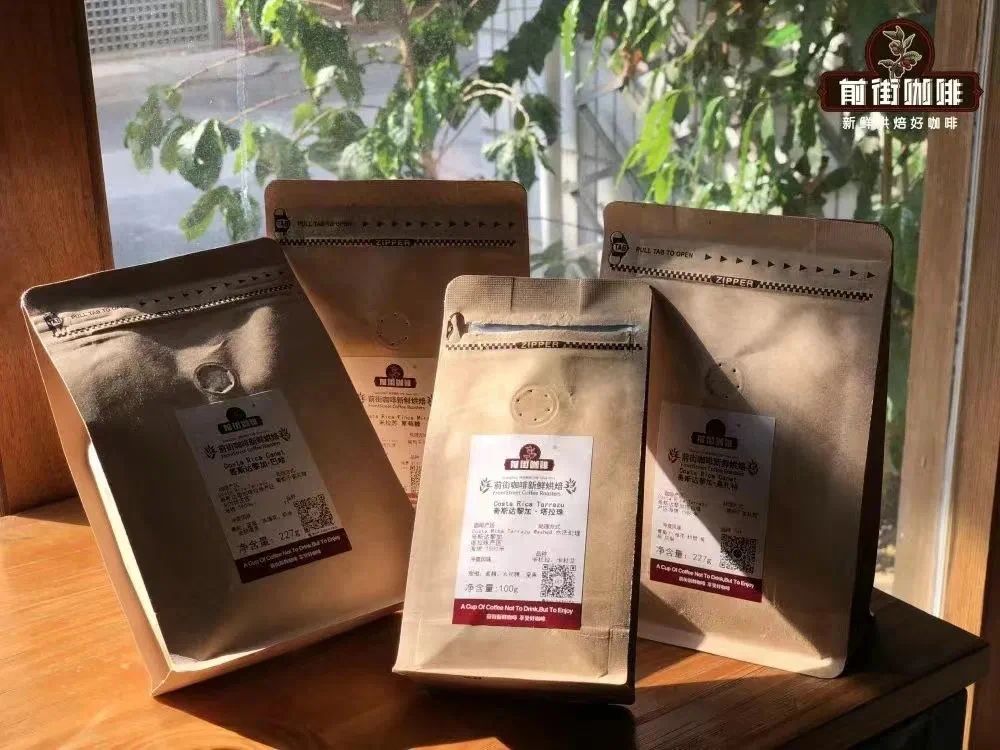
In terms of blend ratios, it’s generally recommended to use 2 to 6 different flavored coffee beans to avoid excessive types that may lead to flavor confusion. At the same time, attention should be paid to the role distribution of each bean — some provide acidity, while others enhance sweetness and body foundation. The proportions should not be evenly distributed but should have a clear hierarchy to highlight the main flavor of the blend. In practice, many professional roasters go through systematic combination trials and repeated cuppings to find the optimal formula, which is key to crafting an outstanding blend.
A certain coffee brand has launched several classic espresso blends suitable for coffee lovers with different needs and levels. Among them, the "Sunflower Warmth Blend" uses Yirgacheffe sun-dried red cherry and Honduran Sherry beans, designed for both espresso and pour over use. As espresso, it presents prominent winey notes, citrus acidity, and a black chocolate aftertaste; as pour over, the flavor is fresher, with fermented aromas and gentle fruit acidity, suitable for users who enjoy diverse flavors.
The "Premium Blend" is based on Brazilian and Colombian beans, offering a smooth flavor with balanced bitterness and sweetness, along with a hint of grassiness and moderate sweet-sourness. It’s suitable for specialty coffee shops that prioritize flavor harmony.
The "Commercial Blend" includes 10% Robusta beans to enhance crema and richness, featuring caramel, nutty, and black chocolate tones. It has a balanced sweet-sour profile and a long-lasting aftertaste, making it highly suitable for various types of food and beverage establishments.
Finally, the "Dark Cocoa Blend" is a high-value espresso formula combining Brazilian and Yunnan beans. It offers a soft, smooth flavor with caramel sweetness and black chocolate aroma. Though its flavor layers are relatively simple, it has high stability and is easy to drink, making it ideal for beginners or small coffee shops for daily use.

The above content is compiled by CoffeeHunters, a coffee news website.


